Electricity books for children and teens
Electricity books for children and teens can turn an everyday switch, battery or lightning flash into a question about how energy works. This page ranges from illustrated first science and inventor biographies to experiments, science comics and factual reading on circuits, magnetism and power generation. Older readers can also find a Tesla time-travel adventure, a YA novel about electrical abilities and a technical manga introduction to electricity. This list features books by Maria Isabel Sánchez Vegara, Charis Mather, Big Manny, DK, SJ King, Paul Mason, Sabrina Rose Science Girl, Anna Claybourne, Nick Arnold, and Richard Paul Evans.
Electricity books for children and teens – our recommendations
Electricity picture books for 3-7 year olds
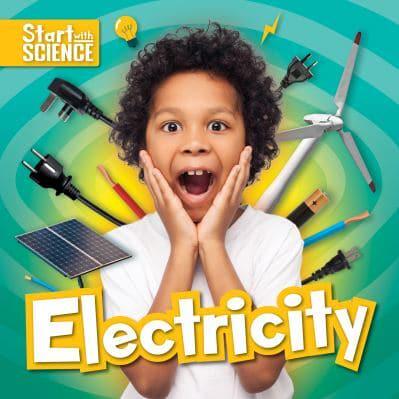
Electricity by Charis Mather
Introducing electricity to five year olds can be surprisingly tricky, particularly when so much of it happens out of sight. This illustrated hardback from BookLife Publishing’s Start with Science series tackles the subject in just 24 pages, making it manageable for younger children. Colourful illustrations provide plenty to talk about when reading together, and parents and teachers can use the book to introduce scientific vocabulary while discussing the everyday electrical objects children already recognise.
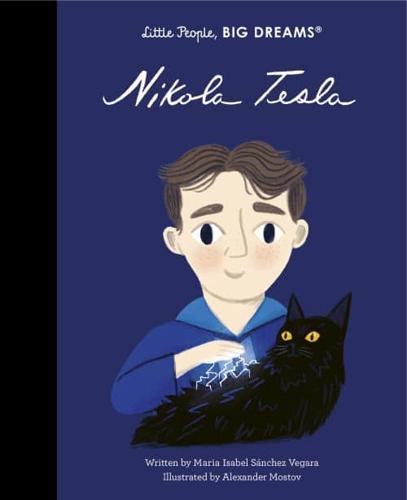
Nikola Tesla by Maria Isabel Sánchez Vegara, illustrated by Alexander Mostov
A childhood fascination with numbers and science grew into a remarkable career that would change how the world uses electricity. This illustrated biography follows Nikola Tesla from his early years to his working life in Budapest and New York, introducing children to his pioneering work with alternating current and wireless remote controls. Alexander Mostov’s distinctive illustrations bring personality to the story, while a biographical timeline and historical photographs at the back offer more for budding inventors to discover.
Electricity books for children aged 7-12
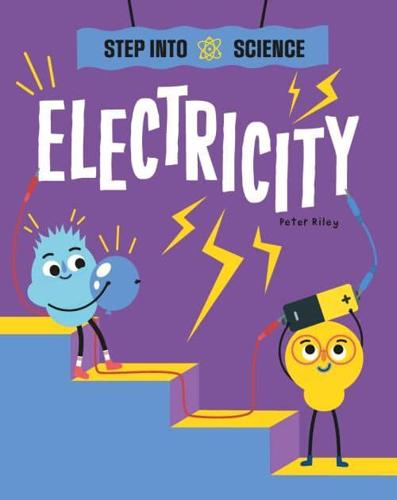
Step Into Science: Electricity by Peter Riley
Making a buzzing robot sounds considerably more exciting than learning about electrical circuits, and Peter Riley manages to combine the two in this lively introduction to electricity. Amusing illustrated characters accompany explanations of how batteries and circuits work, while practical activities give children a chance to put their newfound knowledge to the test. There’s also an exploration of how electricity was discovered and the many ways we put it to use. An excellent springboard for practical science with 7+ year olds.
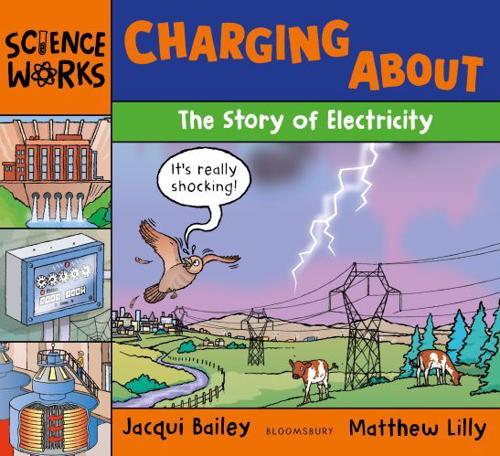
Charging About: The Story of Electricity by Jacqui Bailey, illustrated by Matthew Lilly
Every time we flick a light switch, we’re relying on an extraordinary network of machinery, pylons and cables that most children know remarkably little about. Jacqui Bailey and Matthew Lilly trace the journey of electricity from a power station to our homes, weaving explanations of currents, distribution and electrical safety into an engaging illustrated story. A practical experiment adds another dimension to the reading experience. Great for 7+ year olds who are curious about how the infrastructure they see around them actually works.
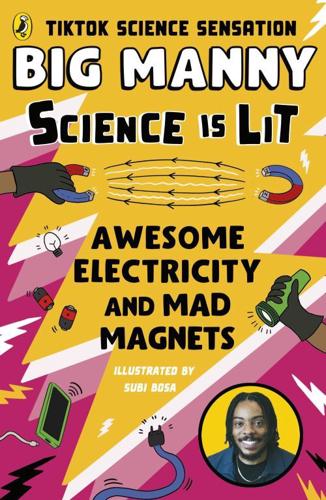
Awesome Electricity and Mad Magnets by Big Manny
Fancy bending water or building your own electroscope? Big Manny brings his infectious enthusiasm for experimental science to a book packed with things for 8-12 year olds to investigate at home. The scope extends well beyond electricity, taking in magnetism, friction and sound waves as well as electrical circuits. What makes the projects particularly appealing is the chance to produce seemingly baffling effects before finding out the scientific reasons behind them. Expect plenty of requests to try out the experiments.
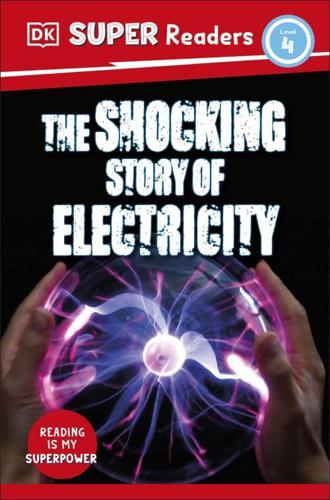
DK Super Readers Level 4 The Shocking Story of Electricity by DK
The story of electricity stretches from early scientific discoveries to some of the most pressing environmental questions facing us today. Along the way, this DK reader examines lightning, electrical circuits and different sources of power, giving children a broader perspective on a familiar school science topic. The Level 4 text is Lexile-levelled to challenge increasingly confident independent readers. For 9-11 year olds who find factual books more compelling than fiction, it offers an interesting way to develop reading comprehension while pursuing a scientific interest.
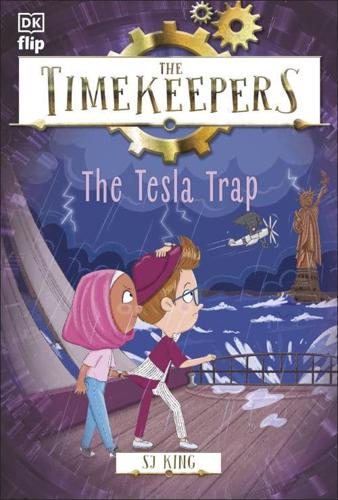
The Timekeepers: The Tesla Trap by SJ King, illustrated by Esther Hernando
Something is seriously amiss in Nikola Tesla’s laboratory in 1890s New York. A time-travelling impostor masquerading as Thomas Edison has stolen Tesla’s X-ray machine, and it’s up to the Timekeepers to recover the invention before history takes a disastrous turn. This illustrated adventure for 7-9 year olds brings the history of scientific discovery into an entertaining mystery. Once the excitement is over, children can delve into the accompanying historical information, explore the timeline and test their knowledge with a quiz.
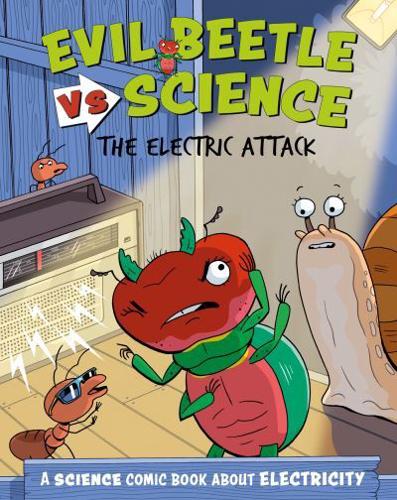
Evil Beetle Versus Science: The Electric Attack by Paul Mason, illustrated by Scott Garrett
Driven to distraction by a gardener’s noisy radio, Evil Beetle hatches a cunning plan to cut off the electricity. Unfortunately, her scientific knowledge leaves rather a lot to be desired. Paul Mason and Scott Garrett make the most of this comic predicament, introducing electrical science as our hapless villain attempts to put her scheme into action. With its lime book-band classification, this mischievous comic is particularly well suited to developing readers from the age of six who enjoy a generous helping of silliness.
Surprised by Science: Electricity is Epic! by Sabrina Rose Science Girl, illustrated by Pipi Sposito
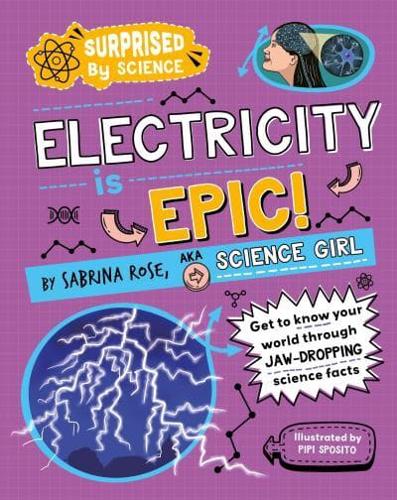
Electricity is responsible for some spectacular sights in nature, from dramatic lightning strikes to the shimmering colours of an aurora, and it’s even at work inside our own bodies. Science communicator Sabrina Rose, better known as Science Girl, has an eye for the sort of extraordinary facts that make children want to interrupt their reading to tell someone else what they’ve discovered. Accompanied by Pipi Sposito’s illustrations, these intriguing snippets of science should particularly appeal to curious 7+ year olds.
A Question of Science: Where does lightning come from? And other questions about electricity by Anna Claybourne
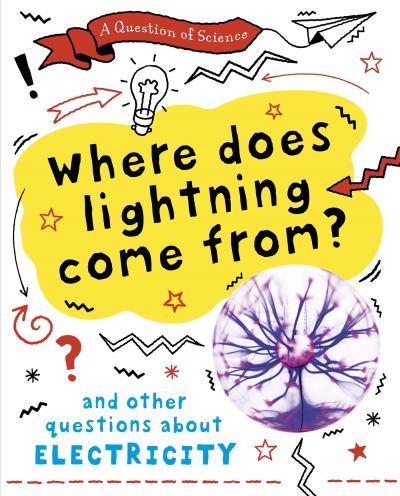
Are electric eels really electric, what causes lightning and why do electrical wires need a coating of plastic? Anna Claybourne has gathered the sort of questions that crop up in classrooms, at the dinner table and during particularly spectacular thunderstorms. Each double-page spread tackles a different puzzle, using diagrams, straightforward explanations and a touch of humour. It’s an especially good format for inquisitive 8+ year olds who like to browse information books, pick out unusual facts and follow their own lines of enquiry.
Horrible Science: Shocking Electricity by Nick Arnold, illustrated by Tony De Saulles
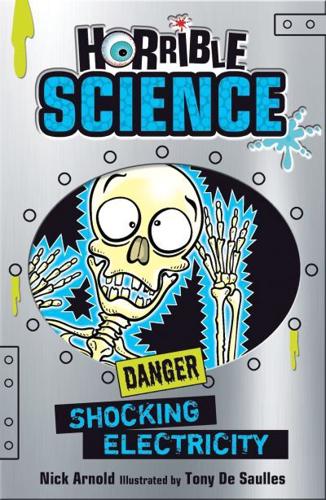
Leave it to Horrible Science to find the funniest, strangest and most alarming aspects of electricity. Nick Arnold’s irreverent exploration of the subject takes readers through peculiar scientific experiments, encounters between animals and electrical forces, and the spectacular power of lightning. Tony De Saulles’ cartoons complement the wonderfully eccentric factual writing. Across its 208 pages, there’s plenty to entertain 8-12 year olds, particularly those who prefer their science served with outrageous anecdotes and a healthy disregard for the solemnity of textbooks.
Electricity books for teens
Michael Vey: The Prisoner of Cell 25 by Richard Paul Evans
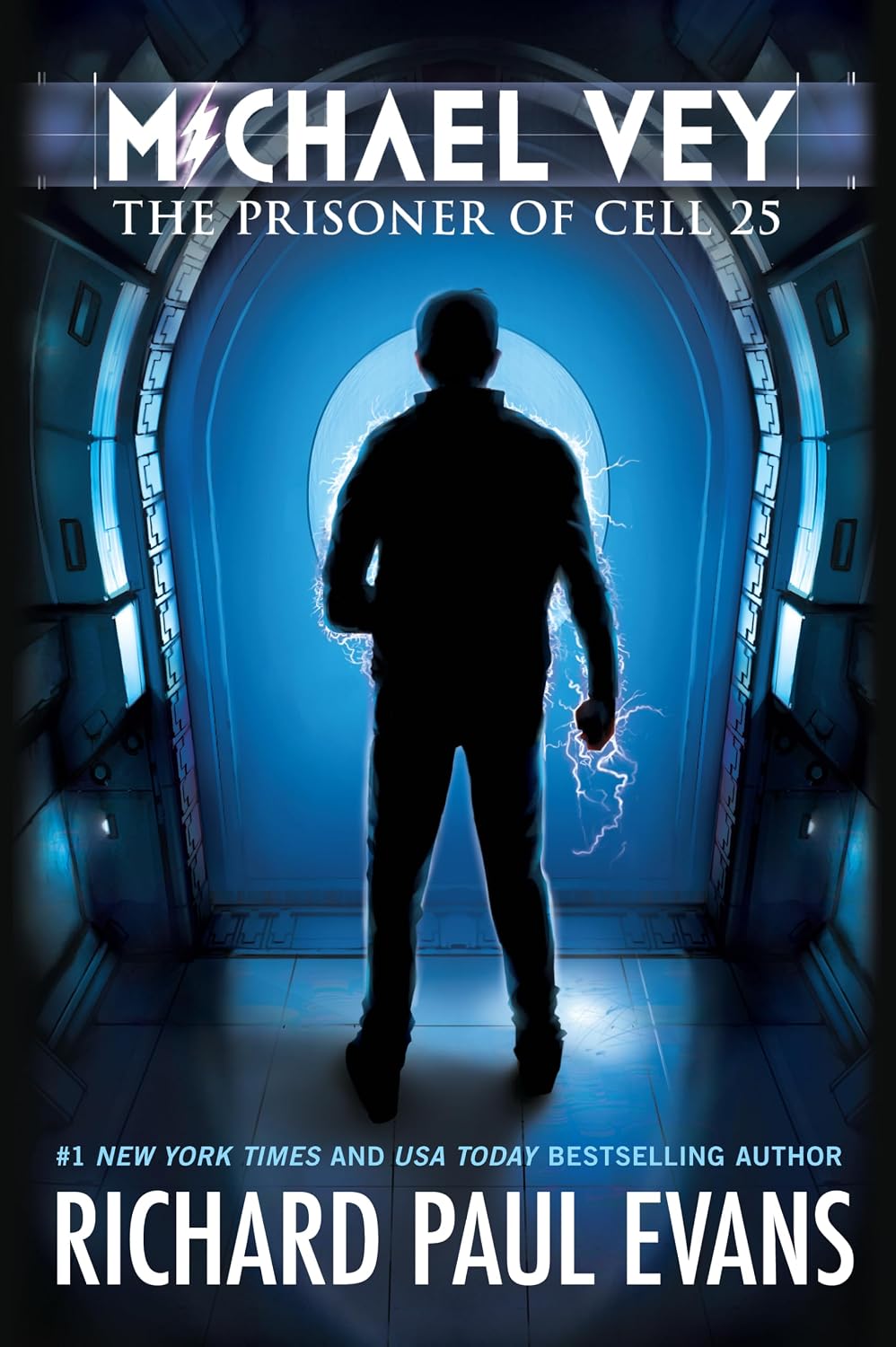
Michael Vey has a secret: he can generate electricity. Discovering that fellow teenager Taylor also possesses extraordinary electrical abilities prompts Michael, Taylor and his friend Ostin to investigate the origins of these mysterious powers. But their investigations attract the attention of an organisation intent on controlling them. Electricity becomes the basis for an inventive science-fiction premise in this fast-paced opening to Richard Paul Evans’ YA action series, which should hook adventure-loving teenagers from the age of 12.
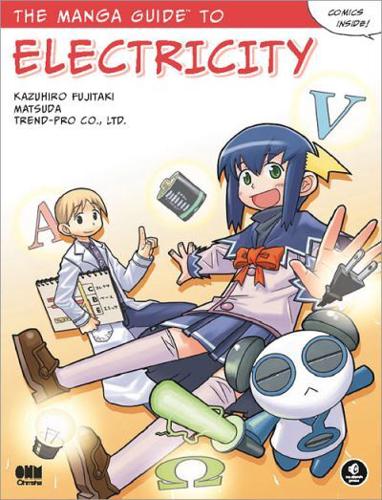
The Manga Guide to Electricity by Kazuhiro Fujitaki, Matsuda and Trend-pro Co, Ltd.
Having failed her electricity exam, Rereko is sent from Electopia to Earth for a summer of remedial lessons. Her tutor Hikaru uses everyday objects such as torches, heaters and circuit breakers to explain the principles of voltage, current and resistance before tackling more demanding concepts, including capacitance, inductance, semiconductors and transistors. The ingenious manga format makes the gradual progression into electrical engineering considerably less intimidating. An interesting choice for secondary school students who enjoy Japanese comics and want to explore physics in greater depth.
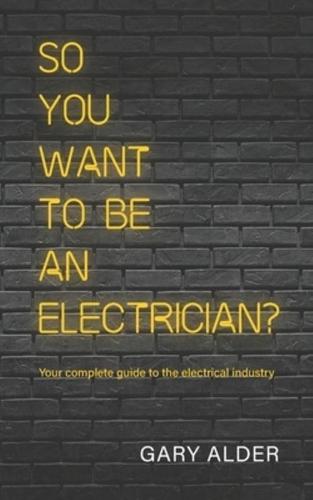
So You Want to be an Electrician?: Your complete guide to the electrical industry by Gary Alder
What does it take to become an electrician, and what can an apprentice expect from a career in the electrical industry? Gary Alder looks beyond the technical skills to explore the realities of working in the trade, including professional responsibilities, safety, industry memberships and the prospects of eventually running your own business. His discussion of the future of the profession is particularly pertinent for 16-18 year olds weighing up their options after school. A valuable addition to sixth form and further education careers libraries.
Click the buttons below to purchase all of the books in this electricity reading list, as well as class sets of any of these books and many more, from Bookshop.org UK. Or buy all 11 titles from this list from Amazon – ideal for gifts or your classroom library.
Buy from UK.Bookshop.Org Buy from Amazon.co.uk
Disclosure: If you buy books using the buttons above: we may earn a commission from Bookshop.org, whose fees support independent bookshops; as an Amazon Associate schoolreadinglist.co.uk earns from qualifying purchases.
Schools & teachers: please respect copyright and don’t copy our electricity books for children and teens list. If you find our book recommendations useful, please consider sharing on social media or linking to this page instead. Thanks.
Electricity resources for teachers
- Oak National Academy provides free Year 4 electricity lessons covering circuits, switches, conductors and insulators. Its Year 6 resources explore voltage, circuit diagrams and scientific investigations. Both include downloadable slides, worksheets and quizzes.
- For secondary schools, Oak National Academy’s KS3 electricity lessons investigate current, voltage, resistance and static electricity, while its AQA GCSE resources cover mains electricity, electrical safety, power calculations and the National Grid.
- STEM Learning has assembled a collection of primary electricity resources featuring lesson plans, practical investigations and worksheets. Activities include constructing circuits, testing conductors, using circuit symbols and designing electrical games.
- The Institution of Engineering and Technology offers free KS2 teaching activities for constructing simple circuits and switches, with editable worksheets and presentations. Its downloadable classroom posters explain circuit symbols and electrical safety indoors and outdoors.
- Switched On Kids, created by Electrical Safety First, features free KS1 and KS2 lesson plans and activity sheets covering electrical hazards, overloaded sockets, battery safety, safe charging and electrical safety posters.
- National Grid’s Power Discovery Zone provides interactive games, videos and classroom worksheets exploring how electricity is generated, distributed and used safely. Resources include the Hazard Heroes game, renewable energy activities and electrical safety investigations.
- UK Power Networks’ PowerUp website offers lesson plans, downloadable activities, animations and safety videos for primary pupils. The Amazing Power Journey follows electricity from generation to the home, while other activities explore electrical hazards and safe behaviour.
- Electricity North West provides free primary teaching packs with lesson notes, presentations, worksheets and videos. Topics include electrical safety, energy conservation, building circuits, circuit symbols, conductors and insulators.
- For secondary science, STEM Learning’s Best Evidence Science Teaching collection includes research-informed activities, diagnostic questions and teacher guidance for ages 11-16. Topics range from simple circuits and static electricity to resistance, parallel circuits and electrical calculations.
- The Institute of Physics’ IOPSpark website features professional development videos demonstrating how to teach circuits, charge, resistance and electrical equations. Its teaching guidance also addresses common misconceptions and practical approaches to electricity.
- PhET Interactive Simulations provides a free virtual circuit construction kit where pupils can connect batteries, bulbs, switches and resistors, investigate series and parallel circuits, and explore current and voltage without physical equipment.
- Science Sparks features hands-on electricity investigations for primary children, including play dough circuits, homemade torches, simple switches, graphite circuits, static electricity experiments and batteries made from fruit and vegetables.
- For older pupils studying energy generation, MyGridGB offers downloadable classroom activities and electricity generation data. Resources explore solar power, renewable energy choices, the environmental impact of electricity generation and the challenges of meeting future energy needs.
BISAC JNF051090, JNF051140. | Thema YNT, YNTE, YNTD.