Children’s books for dyslexic readers
Dyslexia-friendly books for children can open up independent reading through clear layouts, manageable text and stories that match a child’s interests as well as their reading needs. This selection ranges from animal adventures and sport to fantasy, science fiction, history, true stories and contemporary YA, with choices for ages 5-16. It is designed to help parents, teachers and librarians build inviting reading-for-pleasure collections with accessible physical books. This list features books by Malorie Blackman, Patrice Lawrence, Holly Webb, Tom Palmer, Bali Rai, Tanya Landman, Vashti Hardy, Chris Bradford, Jeremy Strong, and Annabel Pitcher.
Children’s books for dyslexic readers – our recommendations
Children’s 5-11 books for dyslexic readers
Wiggling Words by Kate Rolfe
A child who struggles to make sense of moving letters finds another way into words in this inspiring picture book for 3-6 year olds about reading confidence. Drawing on Kate Rolfe’s own experience, the story uses verbs, letter play and visual metaphor to demonstrate frustration, problem-solving and growing self-belief. A thoughtful afterword adds context, and the book design has been shaped with dyslexic readers in mind. Highly recommended.

Molly Rogers, Pirate Girl by Cornelia Funke
This dyslexia friendly edition of Cornelia Funke’s pirate story is the perfect blend of anarchic storytelling, quick-fire dialogue and a shipshape satisfying ending. Edited to a reading age of 6, this short text is perfect for reluctant readers in years 2-5. There’s also lots to look at in the exceptional illustrations. Keen eyed younger readers will notice the quirky details such as the pink pirate teddy bear, fluorescent ship’s parrot and mischievous mouse . There’s lots of potential to incorporate this book into pirate themed literacy and art topic work.

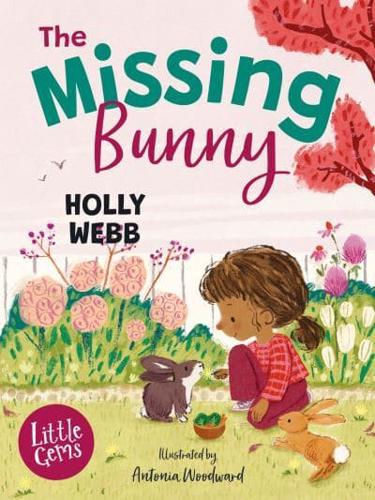
The Missing Bunny by Holly Webb, illustrated by Antonia Woodward
Annie cannot wait to settle her new pet rabbits into the home her dad has built. In the rush to get to school the next morning, she forgets to check the hutch door properly and Humbug escapes, with a neighbourhood fox adding urgency to the search. This illustrated first chapter book for 5+ year olds uses a dyslexia-friendly layout and typeface.
All About Ella by Nicholls
The dyslexia-friendly family story, part of the 4U2Read series – sees Ella struggling through life as her brother Sam receives all the attention due to illness. But when Sam becomes even sicker, she starts to see life differently. A story that poses serious questions about family dynamics, this is a great text to discuss in book clubs and PSHE. This version, adapted from the Little Gems version, and with a reading age of 7 – will provide a great opportunity for less able upper KS2 readers to feel included.

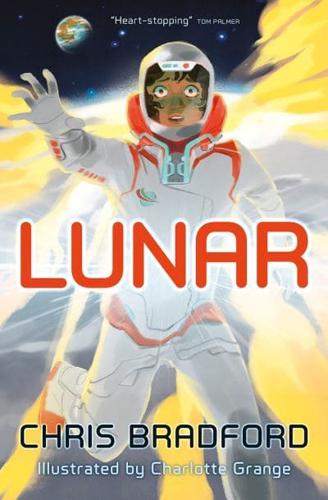
Lunar by Chris Bradford, illustrated by Charlotte Grange
Luna loves life on the Moon and helping her father, a Moon Miner, search for precious rocks and minerals. A meteor strike destroys their base and leaves her stranded with little shelter, few supplies and oxygen running down. The story gives 9+ year olds a high-interest space survival adventure with a reading age of 7.
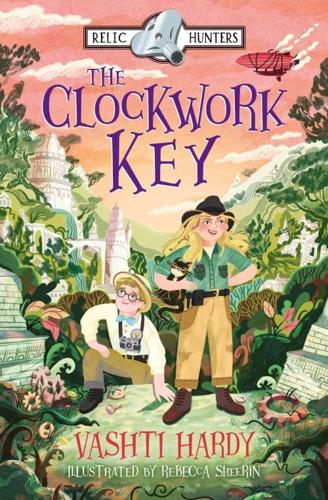
The Clockwork Key by Vashti Hardy, illustrated by Rebecca Sheerin
Mabel and Will Greystone join their famous relic-hunter aunt Lucy on a search for Umber, a legendary town linked to the invention of clockwork. An ancient map and a mysterious key offer clues, but rival relic hunter Byron Cogsworth wants the discovery for himself. Written for 9+ year olds with a reading age of 8, this steampunk fantasy combines puzzles, inventions and a family expedition.
The Winter Snow Goose by Gill Lewis, illustrated by Irina Avgustinovich
Tia and Nat rescue a snow goose caught in a storm on Gull Haven Island, just as a harsh winter brings power cuts and shortages. As the community struggles, the children play their part in helping neighbours pull together, culminating in a shared celebration that lifts spirits. Part of a dyslexia friendly series aimed at 7+ year olds, this heartwarming story blends wildlife detail with themes of resilience, cooperation and community strength.

Tutankhamun’s Treasure: Discovering the Secret Tomb of Egypt’s Ancient King by David Long, illustrated by Stefano Tambellini
David Long brings the discovery of Tutankhamun’s tomb to life, from the search for lost treasures to the moment a young Egyptian boy stumbled upon the first clue. He explores the wonders found inside, the impact of the find, and the legend of the so-called “curse.” With engaging storytelling, illustrations, and a dyslexia-friendly format, this is a gripping introduction to Ancient Egypt and one of history’s greatest archaeological moments.

Bigfoot and the Wild Boys by Jenny Pearson, illustrated by Aleksei Bitskoff
Joe is tired of being thought of as average, so reports of a Bigfoot-like creature in nearby woods sound like a chance to become unforgettable. He and his friend Tiago head into the wilderness with plenty of enthusiasm and very little survival planning. A reading age of 8 supports this funny 9+ adventure about friendship, self-belief and a monster hunt that refuses to go smoothly.

The Tindims of Rubbish Island and the Deep Sea Treasure by Sally Gardner, illustrated by Lydia Corry
Join the resourceful Tindims on an underwater escapade as they transform everyday rubbish into extraordinary treasures. In the sixth story, readers meet the scary Garbage Gobbler as well as new friends like Skywhistle and Eggnot. There is page-turning adventure, recycling awareness, vibrant characters and a satisfying ending in this accessible and dyslexia-friendly illustrated short chapter book that will appeal to inquisitive but less confident KS2 readers.

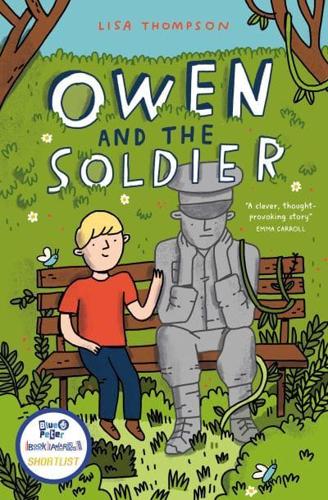
Owen and the Soldier by Lisa Thompson, illustrated by Mike Lowery
Owen finds comfort in an unusual friendship with a crumbling stone soldier in his local park. Struggling with grief and worries at home, he uses the quiet memorial garden as somewhere to share his thoughts. When the council announces plans to remove the statue, Owen must overcome his fear of speaking in public if he wants to save it. Lisa Thompson’s touching story for 9+ year olds explores remembrance alongside anxiety, bereavement and the courage needed to stand up for something important. The dyslexia-friendly presentation also makes it an accessible choice for less confident readers in KS2.
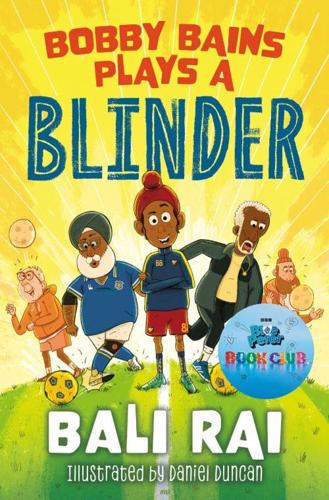
Bobby Bains Plays a Blinder by Bali Rai, illustrated by Daniel Duncan
Bobby Bains loves football and helping his community. While volunteering with his mum at the local food bank, he meets Trevor, an older man who seems lonely, and starts wondering whether Trevor might get along with his nana-ji. Football and reggae music give Bobby the beginnings of a plan. This community-centred story for 9+ year olds has a reading age of 8, with Daniel Duncan’s illustrations accompanying a warm tale about friendship across generations, Sikh values and finding ways for people to join in.
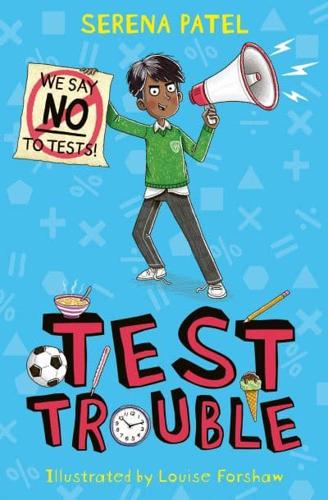
Test Trouble by Serena Patel, illustrated by Louise Forshaw
The words “maths test” are enough to send Arun searching for an escape route. He considers everything from pretending to be ill to organising a protest as a timed test gets closer, then discovers that several classmates share the same worries. 9+ year olds get a school story with a reading age of 8, using humour, friendship and reassurance to approach test anxiety. Louise Forshaw’s expressive illustrations provide a lively visual thread as Arun moves from avoidance towards facing what is worrying him.
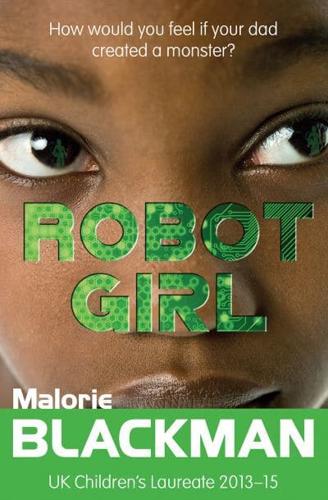
Robot Girl by Malorie Blackman, illustrated by Matthew Griffin
Claire is fascinated by the invention her father has been developing in his laboratory. When he finally reveals it, the result is far more personal and unsettling than she expected, leaving Claire with difficult questions about what he has created. Malorie Blackman’s compact science-fiction story is written for 9+ year olds with a reading age of 8.
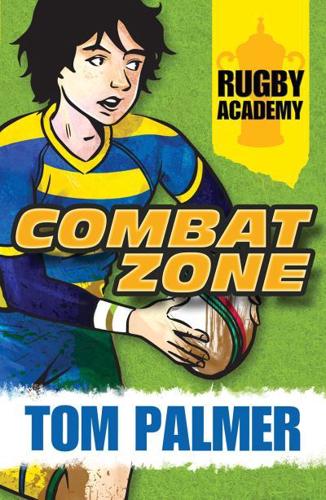
Combat Zone by Tom Palmer, illustrated by David Shephard
Football-mad Woody arrives at Borderlands, a boarding school for children whose parents serve in the armed forces, just as his RAF father is mobilised. The school is devoted to rugby, a sport Woody has never taken seriously, yet he discovers a talent that changes his experience of Borderlands. This sports story for 9+ year olds has a reading age of 8.
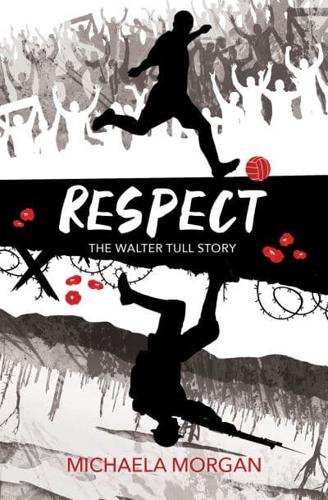
Respect: The Walter Tull Story by Michaela Morgan, illustrated by Karen Donnelly
From a childhood marked by bereavement and separation to success as a professional footballer and an army officer, Walter Tull’s remarkable life is brought to life in this accessible historical biography. One of Britain’s pioneering Black footballers, Tull faced racism both on and off the pitch before serving with distinction during the First World War. Michaela Morgan’s illustrated account explores his determination to overcome prejudice and the courage he demonstrated in military service. Published in Barrington Stoke’s dyslexia-friendly format, this inspiring story for 9+ year olds introduces an important figure in Black British and military history.
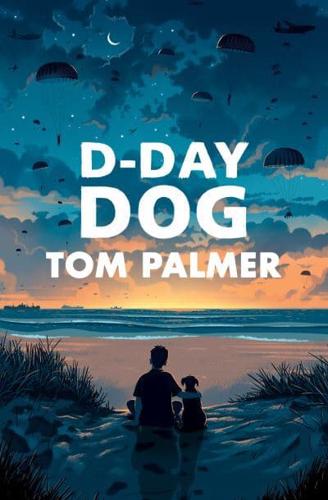
D-Day Dog by Tom Palmer, illustrated by Tom Clohosy Cole
Jack is excited about his school trip to Normandy, where he hopes to learn more about the soldiers who took part in the D-Day landings. But when his own father, an army reservist, is called away, Jack begins to question his admiration for war. Researching the true story of paratrooper Emile Corteil and his dog Glen, who parachuted into France on 6 June 1944, transforms his understanding of courage and sacrifice. Tom Palmer’s dyslexia-friendly novel for 9+ year olds connects past and present conflicts, encouraging thoughtful discussion about the human consequences of warfare.
Everest: Reaching the Roof of the World by David Long, illustrated by Stefano Tambellini
David Long retells the early attempts to climb Everest, tracing the risks, setbacks and determination behind expeditions to the world’s highest mountain. The story reaches the achievement of Edmund Hillary and Tenzing Norgay in 1953 while giving context for the mountaineers and Sherpas who came before them. Stefano Tambellini’s illustrations help break up this accessible non-fiction account. Written for 9+ year olds with a reading age of 8, it brings exploration history into a short, dyslexia-friendly format.

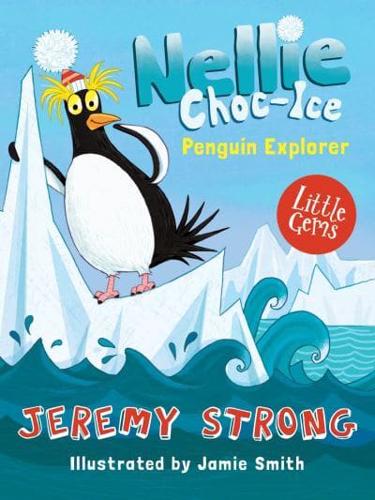
Nellie Choc-Ice, Penguin Explorer by Jeremy Strong, illustrated by Jamie Smith
Nellie Choc-Ice is a young penguin whose adventure begins when her iceberg drifts away and carries her towards the North Pole. Far from home, she must use her wits as a succession of hungry creatures decide she looks like dinner. This illustrated comic adventure for 5+ year olds uses cream paper and a special easy-to-read font. Jamie Smith’s lively pictures add humour and movement to Nellie’s journey and her attempts to find a way home.
Puloma and the Bear by Jasbinder Bilan, illustrated by Skylar White
When Puloma runs away from her cruel aunt and joins a circus, the young girl discovers Nyla, a dancing sloth bear, is being mistreated. Fearing police intervention, the circus tries to cover it up, but Puloma is determined to help Nyla escape. A gripping adventure full of bravery, kindness, and the fight against cruelty, this dyslexia friendly story is perfect for readers aged 9+.

Anna Liza and the Happy Practice (4u2read) by Eoin Colfer
Anna Liza enjoys making people happy in her psychiatrist mum’s clinic waiting room. But one day she meets Edward, a boy who she can’t cheer up. Delving deeper, she works with Edward to formulate a madcap plan to help his dad. Covering themes of resilience, family, and depression in a light hearted yet sensitive and thought provoking way, this is a good book to discuss in KS2 PSHE lessons.

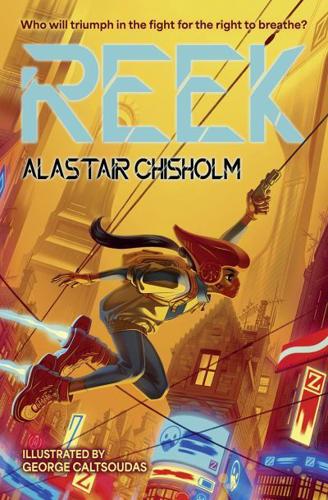
Reek by Alastair Chisholm, illustrated by George Caltsoudas
Sparrow lives after the Reek, when Earth’s polluted atmosphere has made clean air a commodity. Billionaire Axel Brodie and his company Zephyr control the supply, until Sparrow’s inventor friend Miriam Fenn develops technology that could challenge that grip. Brodie is determined to stop them. This dystopian thriller for 9+ year olds has a reading age of 8, combining environmental danger, science-fiction ideas and a high-stakes struggle over a basic human need.
Teen books for dyslexic readers
Cold Turkey by Simon James Green, illustrated by Tosin Akinkunmi
Two ex-friends, Kit and Hamza, end up delivering a cooked turkey across London for a cash reward, and the trip unravels fast. Police, a bomb-squad scare and a gang all get in the way as the pair try to finish the job. The story uses quick-fire humour and page-turning action to examine friendship and trust. Short chapters, a dyslexia-friendly layout and lively illustrations by Tosin Akinkunmi make this an accessible and fast-paced read for KS3.

Needle by Patrice Lawrence
Charlene is a talented knitter, and making things with yarn is one of the few activities that feels completely hers. When her foster mum’s son destroys her latest creation, Charlene lashes out with a knitting needle and the injury brings her into the criminal justice system. This YA novel for 13+ year olds has a reading age of 8. Patrice Lawrence uses Charlene’s situation to examine grief, anger, responsibility and the pressures surrounding an apology when serious consequences are at stake.

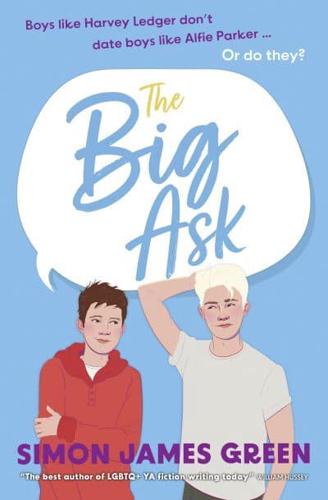
The Big Ask by Simon James Green, illustrated by Mallory Heyer
Alfie Parker and Harvey occupy very different places in the school social pecking order. When Harvey’s long-term girlfriend Summer ends their relationship only days before prom, Alfie surprises everyone, including himself, by asking Harvey to go with him. Mallory Heyer’s illustrations sit alongside Simon James Green’s quick, funny storytelling in this teen romance for 13+ year olds, which has a reading age of 8. School friendships, confidence and prom-night expectations drive a story about taking a chance when the outcome is uncertain.
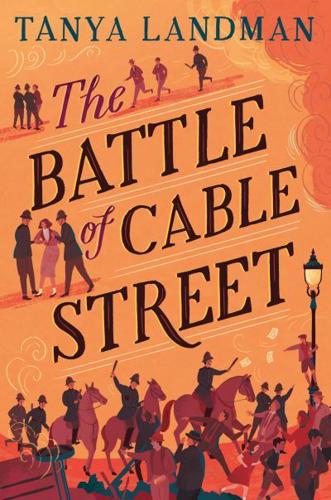
The Battle of Cable Street by Tanya Landman, illustrated by Sara Mulvanny
Elsie and her brother Mikey are growing up in Stepney as antisemitic fascism gains ground in 1930s London. The arrival of Oswald Mosley’s Blackshirts puts pressure on long-standing neighbourhood relationships, and a rally makes the danger increasingly clear before the community resistance that becomes the Battle of Cable Street. This historical novel for 13+ year olds has a reading age of 8. Sara Mulvanny’s illustrations accompany a tense story of family, prejudice, solidarity and ordinary people standing together against hatred.
Shadow Girl by Sally Nicholls
Clare has learned to guard against becoming too attached to people because life in foster care can mean moving on again. Meeting Maddy changes that. Maddy understands what being in care feels like and offers the friendship Clare has been avoiding, but then she disappears. Written for 11+ year olds with a reading age of 8, this short novel blends a foster-care story with a supernatural mystery. Sally Nicholls keeps the emotional focus on trust, loss and the significance of opening up to another person.
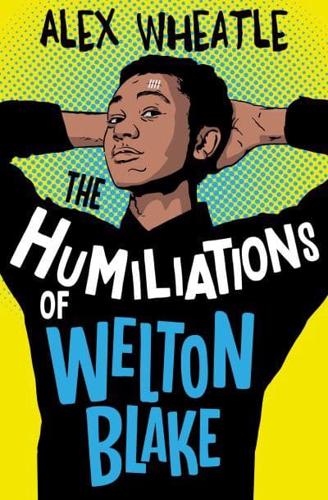
The Humiliations of Welton Blake by Alex Wheatle
Welton Blake thinks his luck has finally changed when Carmella McKenzie agrees to go out with him. Then his phone breaks and a run of embarrassing setbacks gathers pace, with school bullies, family tensions and social disasters all adding to the chaos. This humorous story for 11+ year olds has a reading age of 8 and puts an ordinary schoolboy at the centre of a particularly eventful few days. Alex Wheatle’s comic timing makes Welton’s attempts to recover his dignity the engine of the story.
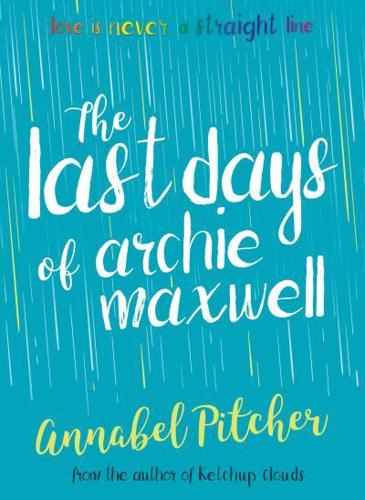
The Last Days of Archie Maxwell by Annabel Pitcher
Archie’s family life changes abruptly when his father leaves home, and Archie struggles with feelings he is reluctant to share. He keeps the reason for the separation secret and becomes increasingly isolated, eventually finding himself beside a railway line where another troubled person enters the story. This YA novel for 13+ year olds has a reading age of 9. Annabel Pitcher explores sexuality, family change, homophobia, bullying and mental health through Archie’s confused perspective, creating a short, emotionally intense story for teenage readers. The book includes sensitive themes involving suicidal thoughts and homophobia.
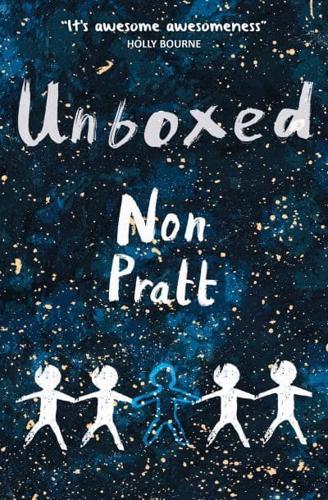
Unboxed by Non Pratt
Four friends return to their old school to open a memory box they buried years earlier. It contains five letters because their friend Millie has died since the box was sealed. A new message from Millie gives the group instructions: each must read aloud the letter they once wrote to their future self before they can open hers. This story for 13+ year olds has a reading age of 9. Non Pratt uses the reunion to discuss memories, secrets, grief and changing friendships. Highly recommended.
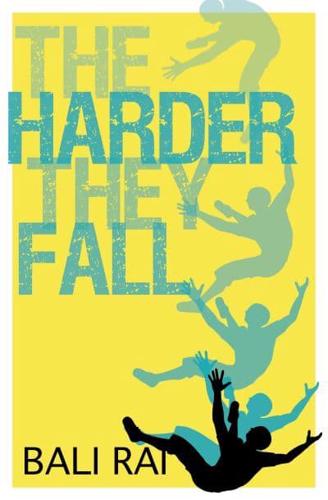
The Harder They Fall by Bali Rai
Cal wants to welcome new boy Jacob, but Jacob is determined to keep his family circumstances private. Cal discovers that Jacob’s family uses the local food bank because he and his mum volunteer there, and he respects the confidence even as other pupils begin to target Jacob. Written for 13+ year olds with a reading age of 8, this contemporary school story looks at friendship, dignity, poverty and bullying through everyday community life.
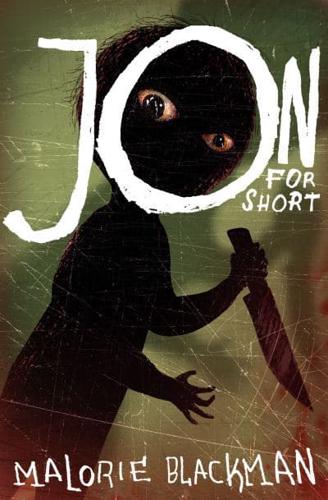
Jon for Short by Malorie Blackman, illustrated by Vladimir Stankovic
Jon wakes in hospital with almost no memory and the terrifying discovery that he is missing his arms and parts of his legs. A recurring nightmare, heavy sedation and staff who appear to know more than they tell him deepen the mystery, especially when they keep calling him Joe. This chilling story for 13+ year olds has a reading age of 7, using a compact format to build suspense around identity and what has happened to Jon’s body.
Click the buttons below to purchase all of the books in this dyslexia-friendly children’s reading list, as well as class sets of any of these books and many more, from Bookshop.org UK. Or buy all 20 listed titles from Amazon – ideal for gifts or your classroom library.
Buy from UK.Bookshop.Org Buy from Amazon.co.uk
Disclosure: If you buy books using the buttons above: we may earn a commission from Bookshop.org, whose fees support independent bookshops; as an Amazon Associate schoolreadinglist.co.uk earns from qualifying purchases.
Schools & teachers: please respect copyright and don’t copy our children’s books for dyslexic readers list. If you find our book recommendations useful, please consider sharing on social media or linking to this page instead. Thanks.
Dyslexia resources for teachers
- The British Dyslexia Association provides downloadable factsheets, a dyslexia-friendly style guide, practical advice for teachers and free recorded webinars. Resources cover accessible learning materials, understanding dyslexia and supporting pupils in the classroom.
- The British Dyslexia Association’s dyslexia checklists offer separate resources for the Foundation Stage, primary schools and secondary schools. These can help teachers recognise potential literacy difficulties, identify areas of strength and plan appropriate support, although they are not diagnostic assessments.
- Driver Youth Trust offers an excellent collection of free teaching resources for supporting dyslexia and literacy difficulties. Materials include factsheets about the graduated approach, creating one-page pupil profiles, assistive technology, spelling, handwriting and making classroom teaching more accessible.
- The Addressing Dyslexia Toolkit, funded by the Scottish Government and managed by Dyslexia Scotland, provides extensive guidance for teachers on identifying literacy difficulties, assessing and monitoring progress, planning interventions and supporting learners. It also includes practical classroom strategies and resources for professional development.
- Dyslexia Scotland and the Open University provide three free online professional learning modules covering dyslexia and inclusive practice, supporting literacy difficulties, and identifying pupils who may need additional help. The courses are particularly relevant to teachers working within the Scottish education system.
- nasen has produced a series of introductory training videos for teachers covering special educational needs, including dyslexia, dyscalculia, ADHD and dyspraxia. The dyslexia video introduces useful classroom techniques, resources and inclusive teaching approaches. Free registration is required to access the recording.
- The Education Endowment Foundation provides evidence-informed guidance on inclusive classroom teaching, including explicit instruction, breaking complex tasks into smaller steps, modelling, checking understanding and providing effective feedback. These approaches can help teachers support pupils with dyslexia and other additional learning needs.
- Barrington Stoke offers free teaching resources, reading activities, sample pages and guidance on selecting accessible books for children with different reading and interest ages. There are also downloadable guides to creating inclusive reading spaces and supporting struggling readers in primary and secondary schools.
- The National Literacy Trust’s See Myself in Books project provides a downloadable neurodiversity booklist and teaching guide for primary schools. The collection features books representing children with dyslexia, autism and ADHD, with resources to encourage discussion, understanding and inclusion.
- Calibre Audio Learning provides free audiobook access for eligible children who experience barriers to reading print, including those with dyslexia. Schools can also obtain free accounts to explore the collection, which includes children’s fiction, non-fiction and curriculum texts suitable for classroom learning and reading for pleasure.
- The Joint Council for Qualifications provides official guidance for secondary schools on examination access arrangements and reasonable adjustments. Resources cover eligibility, evidence requirements, readers, scribes, word processors, extra time and other arrangements for pupils with dyslexia and additional needs taking GCSEs and A levels.
- The British Dyslexia Association’s reasonable adjustments guidance gives teachers practical suggestions for supporting dyslexic pupils, including reducing unnecessary copying, providing clear instructions, allowing additional processing time, using assistive technology and offering alternative ways to record work. It also explains schools’ responsibilities under disability legislation.
BISAC JUV086000, JNF079000, YAF081000. | Thema YF, 5AR, 5AZ.