Comics for children and teens
Comics mix words and pictures to tell stories in a lively, immediate way. They might be funny, spooky, historical, fantastical or deeply personal, and there is far more to them than superheroes. For children and teens, they can make reading feel less daunting while still building skills such as inference, vocabulary and visual literacy. Most importantly, good comics are enjoyable, confidence-building and often exactly the thing that gets someone hooked on reading. This list features books and comics by Jamie Smart, Neill Cameron, Adam Murphy, Charles Soule, Scott Snyder, Nick Dragotta, Will Sliney, Dan Watters, Daniel Warren Johnson, and Kelly Thompson.
Comics for children and teens – our recommendations
Comics for children – our recommendations
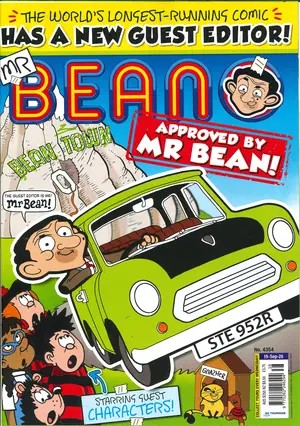
The Beano
A cornerstone of British children’s comics, The Beano still delivers weekly strips featuring Dennis, Gnasher, Minnie the Minx, the Bash Street Kids, Bananaman and plenty more. The mix of short strips, visual jokes, recurring characters and cheerful rule-breaking makes it easy to dip into and particularly appealing to children who prefer reading in quick bursts rather than tackling a conventional book.
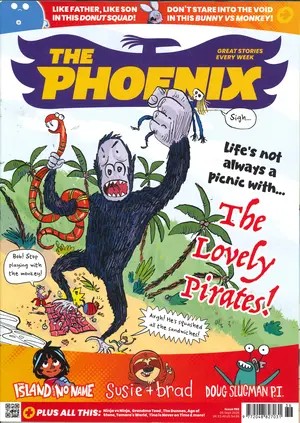
The Phoenix
Produced in the UK, The Phoenix is a weekly comic packed with original strips, serialised adventures, comedy and drawing features. It has developed a devoted following among children who want something beyond licensed characters, and parents regularly mention the excitement of having a new issue arrive each week. There is plenty of variety too, so readers can discover which styles, artists and continuing stories grab them most.
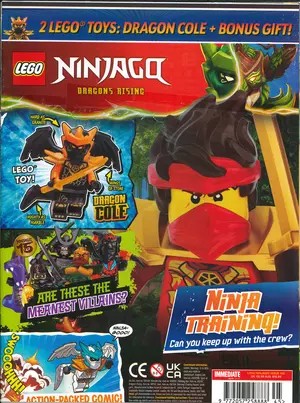
LEGO Ninjago Magazine
LEGO Ninjago mixes several pages of original comic-strip adventures with puzzles, competitions and the inevitable LEGO freebie. The continuing ninja characters give children a familiar route into sequential storytelling, particularly if they already know the toys or television series. The action is easy to follow, dialogue is broken into manageable speech bubbles and there is usually enough going on visually to keep even a fairly reluctant reader moving through the story.
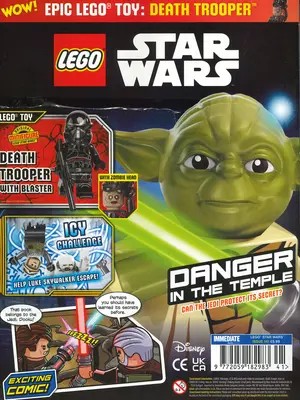
LEGO Star Wars Magazine
Star Wars becomes particularly approachable in LEGO form, with comic strips that turn familiar characters, battles and spaceships into fast, humorous adventures. Each issue mixes the comic with puzzles, activities and other features, but the strips are a substantial part of the appeal. It works well for children who already love the Star Wars universe and might be rather more enthusiastic about following a lightsaber battle than opening an ordinary reading book.

LEGO Minecraft Magazine
This monthly title turns the blocky world of Minecraft into colourful comic-strip adventures alongside puzzles, posters and activities. The strips feature recognisable mobs, characters and situations, which can give children who spend more time playing Minecraft than reading a useful point of entry. There is action and humour without long stretches of prose, and the visual language of Minecraft translates surprisingly neatly into comic panels.
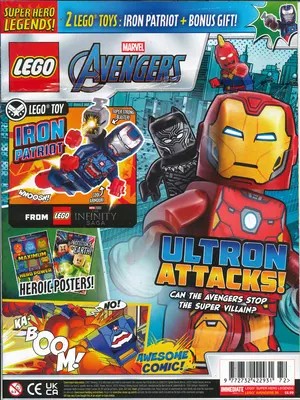
LEGO Marvel Super Hero Legends Magazine
Marvel superheroes are recast as LEGO characters in comic-strip stories featuring heroes and villains from across the Marvel universe. Battles, jokes and visual action dominate, with puzzles and activities around the main strips. It is an obvious choice for children who recognise characters such as Spider-Man, Black Panther and Doctor Strange but are not yet ready to navigate the more complicated continuity of mainstream Marvel comics.
Beano Annual 2027
The annual remains one of the easiest ways to get a substantial dose of British comics in one volume. The 2027 edition contains new comic strips starring familiar Beano favourites including Dennis and Gnasher, Minnie the Minx, Bananaman and the Bash Street Kids. Short stories, punchlines and busy artwork make it particularly easy to browse, reread and share, with none of the commitment required by one long continuous story.

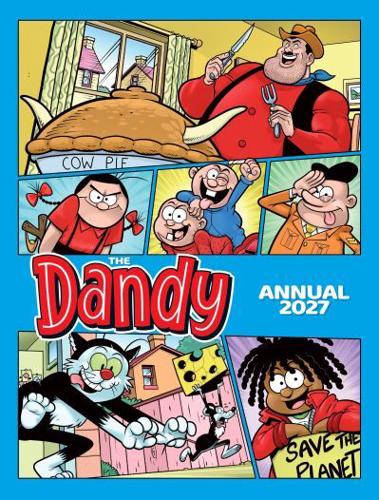
Dandy Annual 2027
The weekly Dandy may be part of comics history, but its annual is still alive and causing trouble. The 2027 edition contains new comic strips featuring characters including Desperate Dan, Korky the Cat, Beryl the Peril and Cuddles and Dimples. Its old-school British slapstick has a noticeably different flavour from superhero comics, giving children a taste of the gag strips that dominated British newsstands for generations.
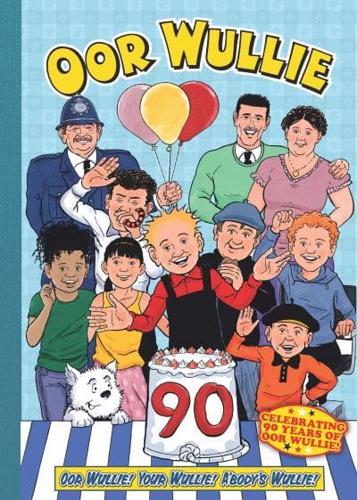
Oor Wullie Annual 2027
Oor Wullie has been getting into scrapes in Scottish comics since 1936, and the 2027 annual brings together nearly 100 recent strips. Everyday schemes, friendships and run-ins with PC Murdoch provide the comedy rather than superheroes or fantasy battles. The Scottish setting and language give it a character all of its own, while the self-contained strip format makes it easy for children to pick up, read a page or two and return later.
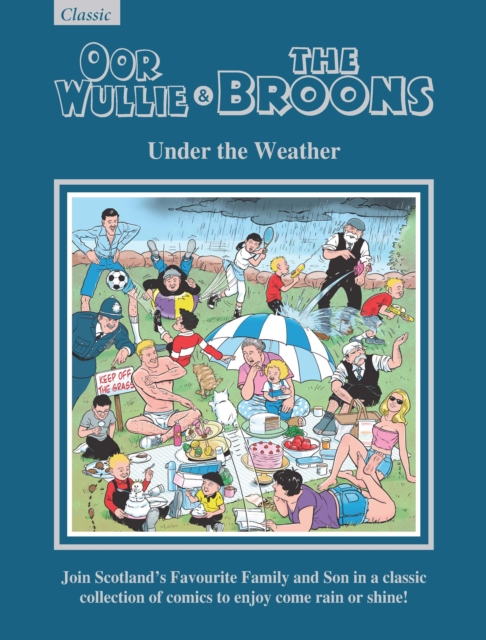
Oor Wullie & The Broons Gift Book 2027
Two of Scotland’s longest-running comic-strip institutions share this collection. Oor Wullie supplies childhood mischief while The Broons turn family life into comedy, with the strips built around weather, everyday misunderstandings and familiar domestic disasters. It offers something quite different from glossy superhero comics and is useful for showing children how much storytelling and character can be squeezed into a compact newspaper-style strip.
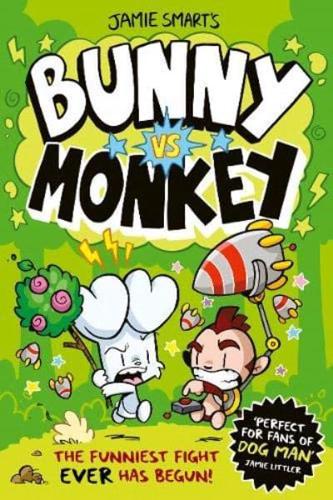
Bunny vs Monkey
Jamie Smart’s hugely popular British comic began as a strip in The Phoenix and retains that short, fast-moving comic-strip structure in book form. Bunny would quite like a peaceful life in the woods, while Monkey has other ideas involving inventions, plots, explosions and attempted world domination. The jokes arrive quickly, the artwork is wonderfully expressive and individual strips can be enjoyed without committing to a long continuous story.
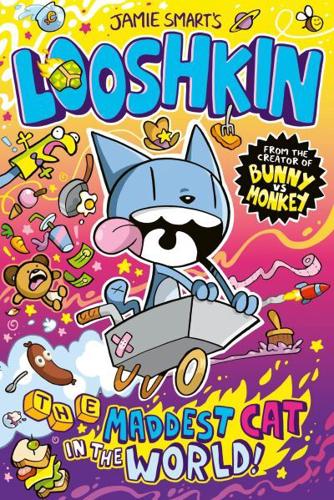
Looshkin
Jamie Smart’s blue cat is an agent of pure comic chaos. Looshkin takes ordinary situations and turns them into wildly escalating disasters involving peculiar inventions, misunderstandings and a complete disregard for common sense. Originally appearing as a comic strip in The Phoenix, the short episodes make this easy to browse and reread. Children who enjoy The Beano or Bunny vs Monkey should feel immediately at home with its rapid jokes and gleefully ridiculous artwork.
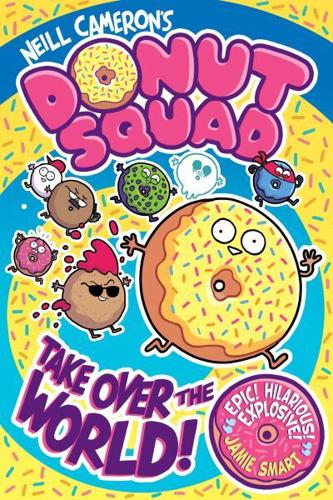
Donut Squad
Neill Cameron’s comic stars a collection of sentient doughnuts whose ambitions considerably exceed their common sense. Originally created for The Phoenix, the strips revel in comedic characters, expressive cartooning and jokes that build rapidly from the merely silly to the completely absurd. The first three comic books are currently available from The Phoenix, making this a good contemporary British choice for children who want humour rather than one long graphic-novel narrative.
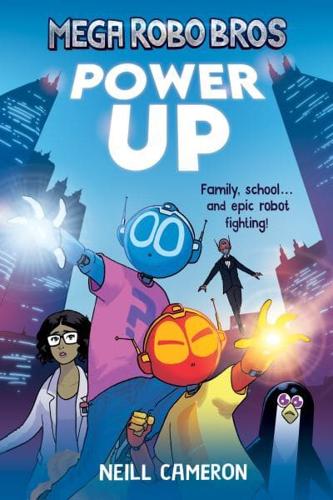
Mega Robo Bros
Neill Cameron’s long-running Phoenix comic follows robot brothers Alex and Freddy through school, family arguments and enormous superhero-scale battles. The stories first appear as serialised comics in The Phoenix before being collected in comic books, so the storytelling remains firmly rooted in panels, speech balloons and cliffhangers. Futuristic London, sibling humour and spectacular robot fights give this plenty of appeal for children who like action comics but want characters their own age at the centre.
Corpse Talk
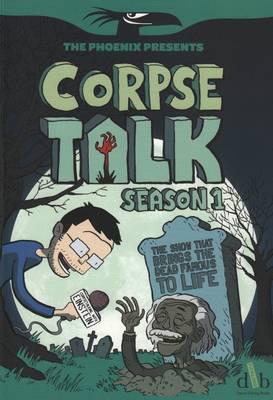
Adam Murphy’s wonderfully odd Phoenix strip imagines famous historical figures being dug up and interviewed by the cartoonist. Scientists, rulers, artists and explorers explain their lives while Murphy supplies jokes, visual gags and some decidedly gruesome details. It works as both nonfiction and a proper comic strip, making history much easier to browse than a conventional information book. Teachers may particularly appreciate how readily individual interviews can lead into further research.
Sonic the Hedgehog
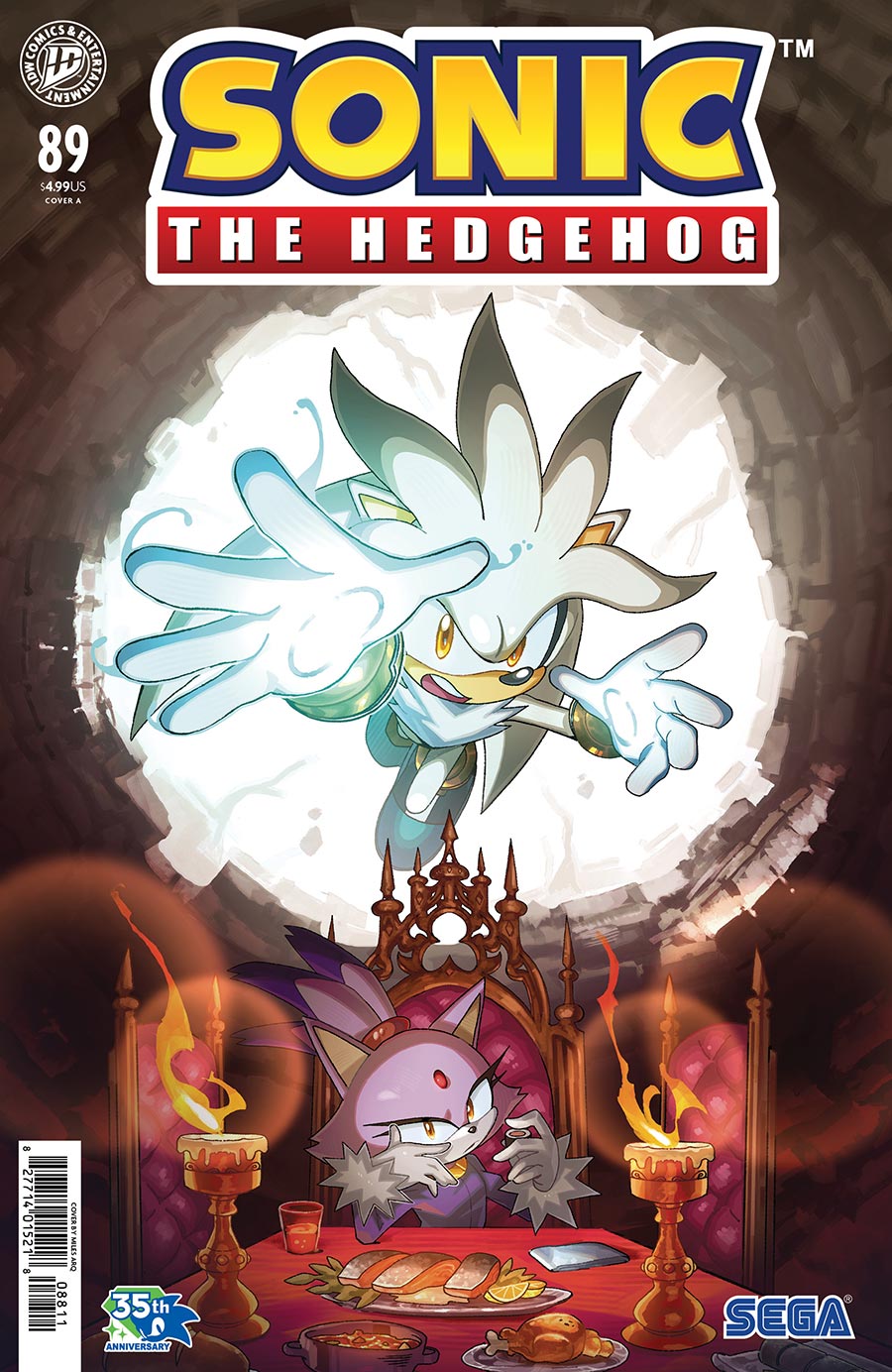
IDW’s Sonic comics turn the familiar video-game world into continuing adventures featuring Sonic, Tails, Amy, Knuckles and an increasingly large supporting cast. Speed, battles and comic timing keep the stories lively, while longer-running plots give established fans something more substantial to follow. Physical issues continue to reach UK specialist comic shops, making this a useful choice for teens who already know Sonic from games but have yet to try reading monthly American comics.
Comics for teens – our recommendations
2000 AD
Britain’s great weekly science-fiction anthology remains one of the most distinctive comics on the market. Each issue contains several continuing strips, with Judge Dredd among the best-known recurring characters alongside an ever-changing roster of science fiction, fantasy, horror and action stories. Different writers and artists mean the tone can change dramatically within a single issue. For older teens ready for darker, sharper comics, there is an enormous back catalogue waiting behind it.
Judge Dredd Megazine
Judge Dredd gets a monthly companion to 2000 AD in this long-running British anthology. Mega-City One provides the anchor, but the Megazine has room for other strips and creators too. The artwork can be spectacular and the storytelling is often satirical, violent and politically sharp, so this sits firmly towards the older end of a teen comics shelf. For readers already intrigued by Dredd, it offers considerably more than a straightforward superhero story.
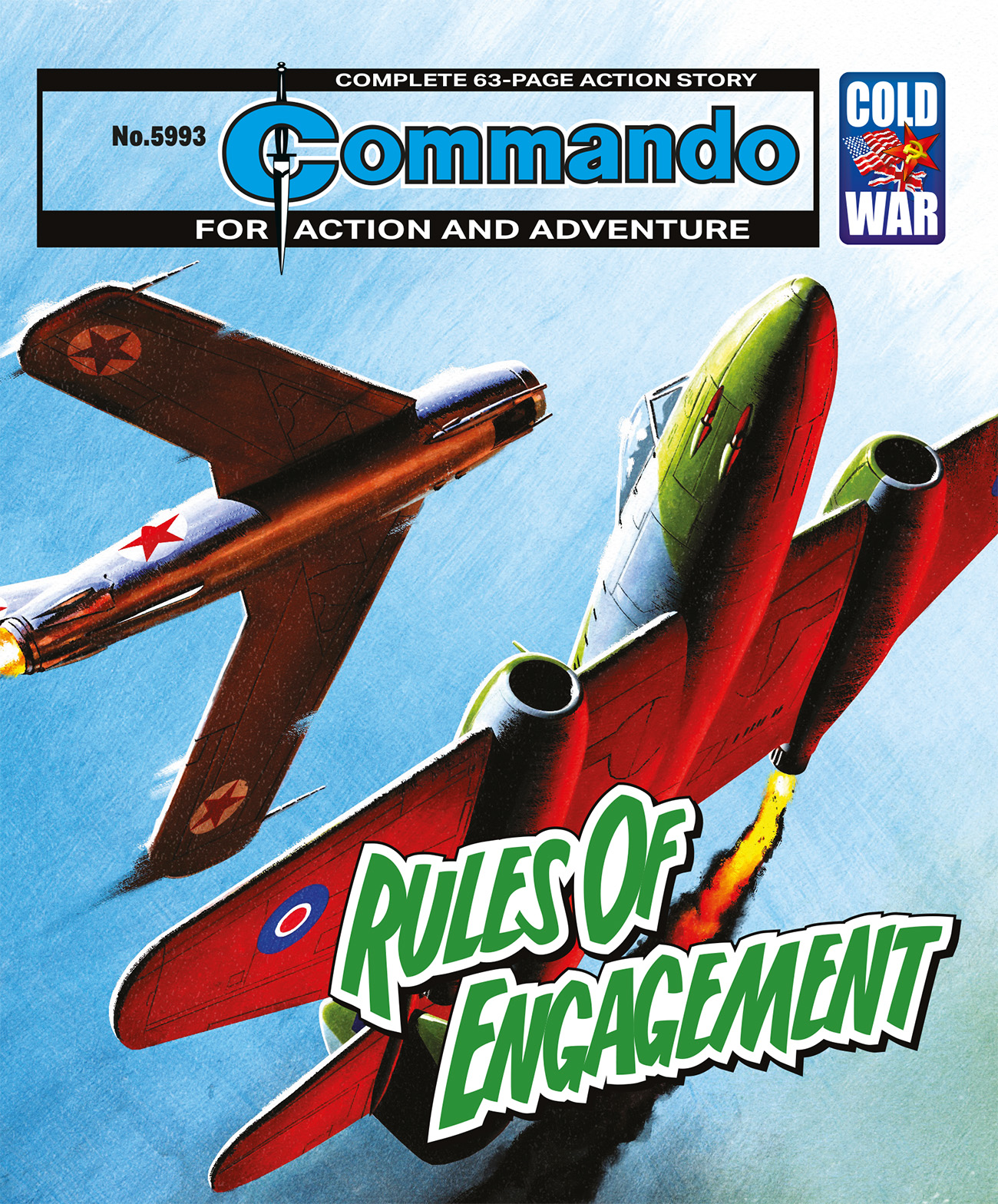
Commando
DC Thomson’s pocket-sized war comic has been running since 1961 and still publishes new issues alongside classic reprints. Each compact comic tells a complete action story rather than asking readers to follow months of continuity. Aircraft, tanks, resistance fighters, soldiers and historical conflicts dominate, with crisp black-and-white artwork and gloriously dramatic covers. For teens interested in military history or old-school British adventure comics, Commando remains something of a publishing survivor.
2000 AD Sci-Fi Special 2026
The annual summer special gives 2000 AD room to step outside its normal weekly rhythm with a larger one-off collection of science-fiction comics. Specials can be particularly useful for newcomers because they offer a finite chunk of material rather than dropping someone into a weekly run stretching back decades. Expect distinctive British science fiction, striking artwork, action and the sort of odd ideas that 2000 AD has always enjoyed taking seriously.

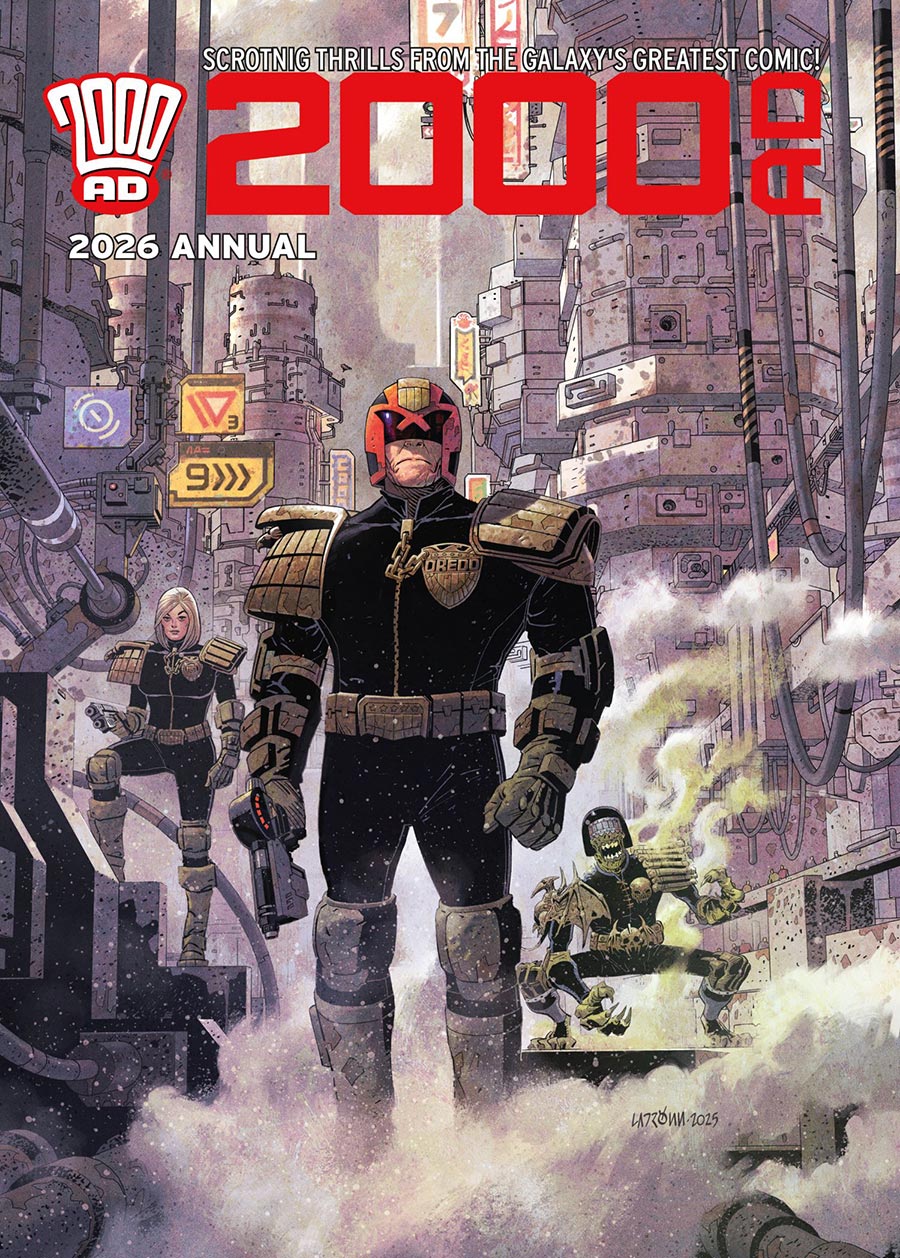
2000 AD Annual 2026
This substantial British comic annual combines new strips with material drawn from the enormous 2000 AD archive. Judge Dredd, Rogue Trooper and Judge Anderson are among the characters represented, making it an accessible sampler for teens interested in discovering what the weekly comic actually feels like. It also has the satisfying heft of a traditional Christmas annual, albeit with considerably more dystopia, gunfire and futuristic law enforcement than most.
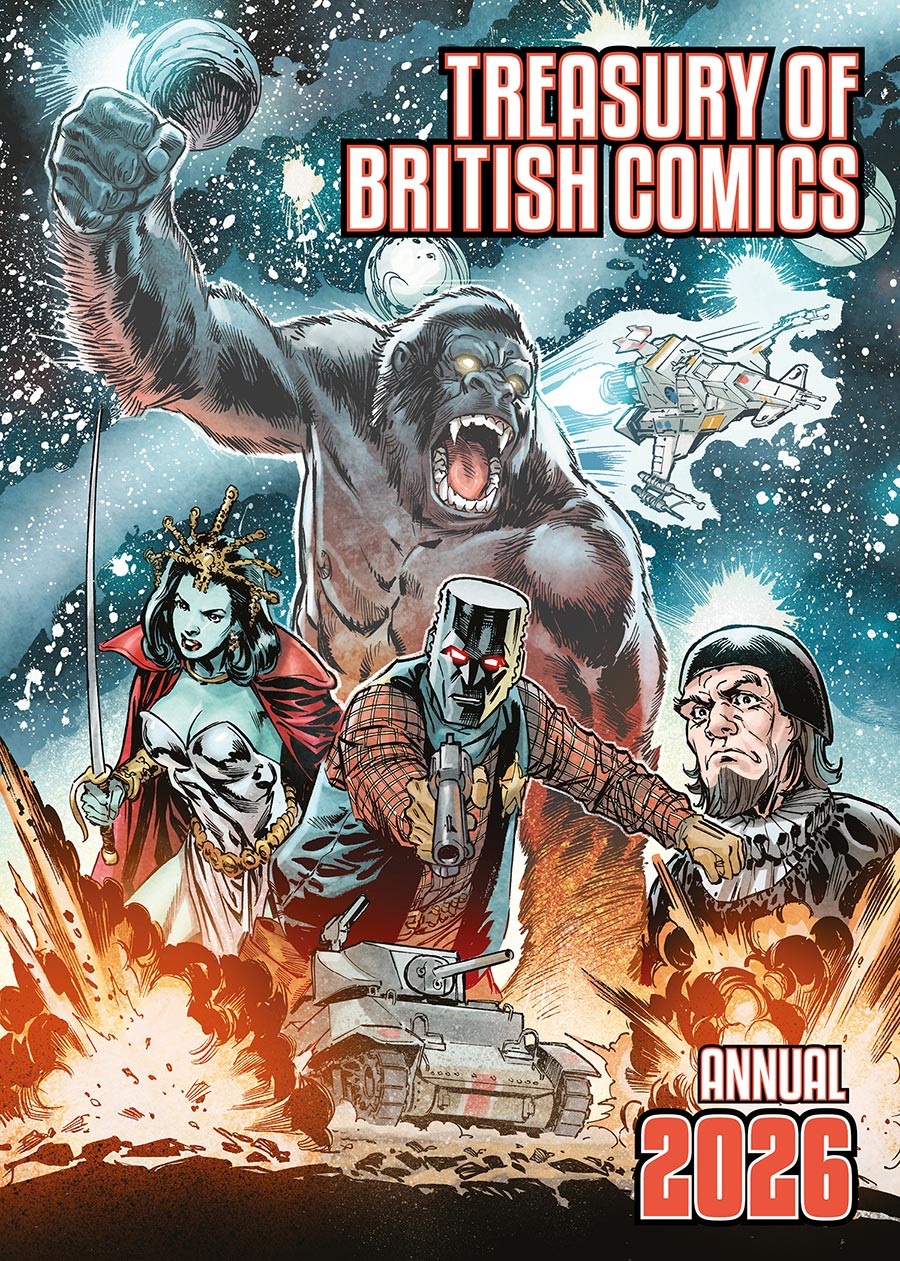
Treasury of British Comics Annual 2026
Rebellion’s annual raids decades of British comics for strips originally associated with titles including Smash!, Valiant, Misty, Jag, Wildcat and Whizzer and Chips, alongside newly created material. That makes it part comic and part guided rummage through British popular culture. For teens curious about what people read before superhero universes swallowed much of the market, the changes in artwork, pacing and storytelling are fascinating in themselves.
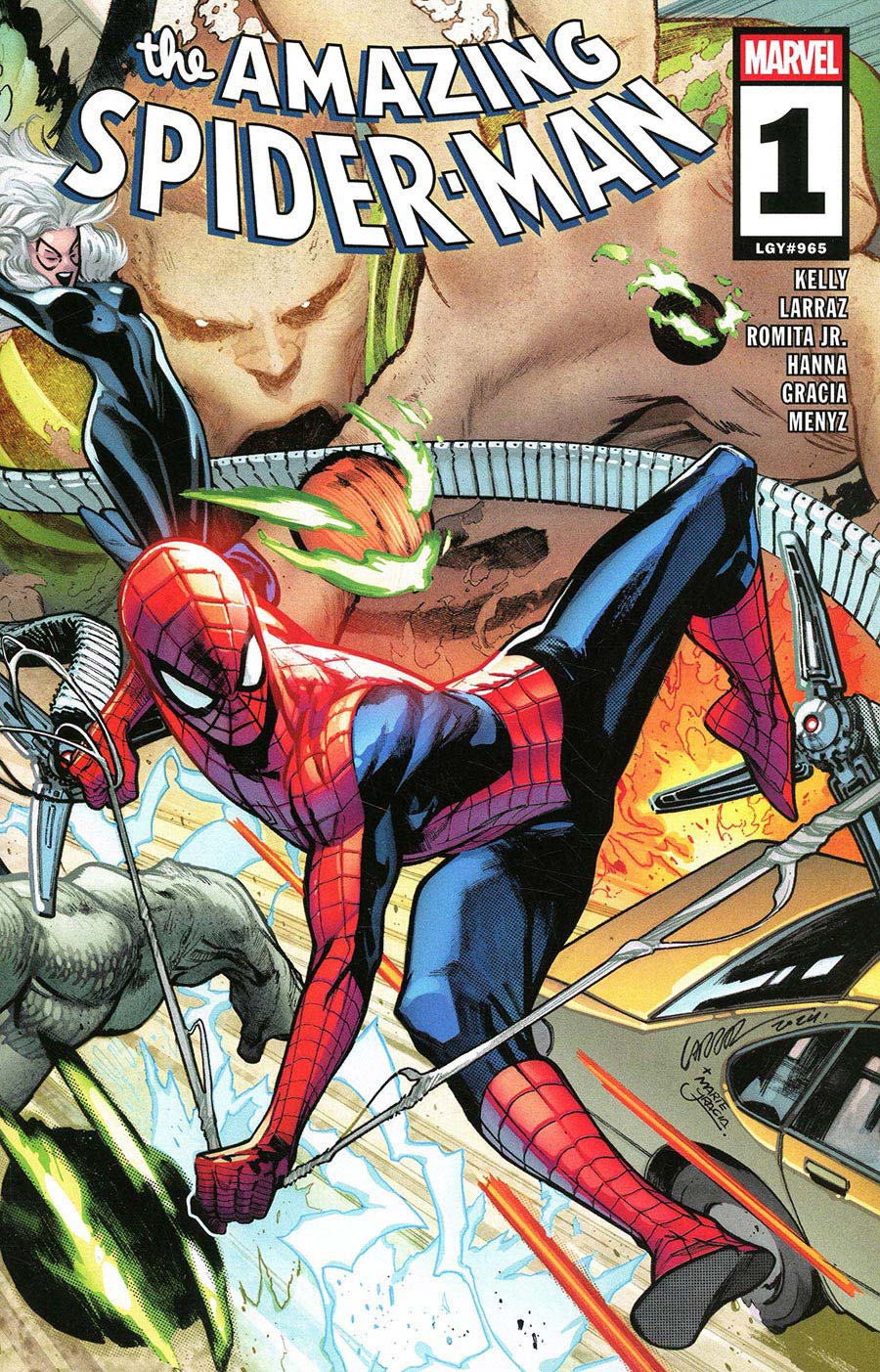
Amazing Spider-Man
Spider-Man remains one of the easiest routes into monthly American comics, and Amazing Spider-Man continues to appear as individual issues rather than requiring readers to buy collected graphic novels. Peter Parker’s combination of superhero battles, disastrous personal decisions, humour and everyday problems gives the series more personality than simple good-versus-evil action. Individual issues are also a good way for teens to discover the anticipation of following a continuing comic month by month.
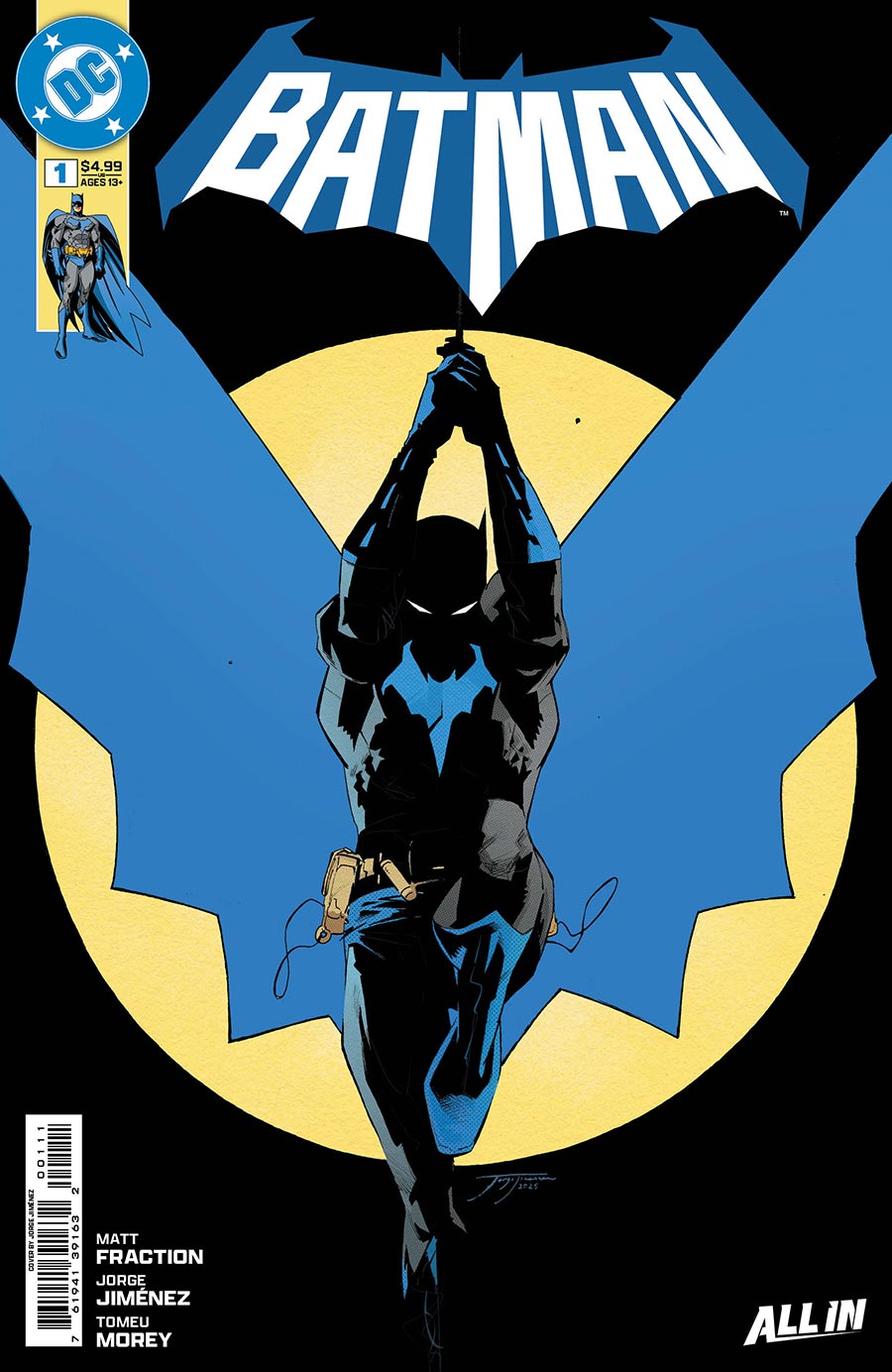
Batman
The main Batman comic began a new run in 2025 and continues to put Bruce Wayne’s detective skills, gadgets and stubbornness against Gotham’s criminals. Batman can be darker than many mainstream superhero titles, but that is precisely why plenty of teens gravitate towards him. Buying individual issues also preserves the cliffhangers and month-to-month speculation that originally defined comic reading, rather than turning the story into another thick collected volume.
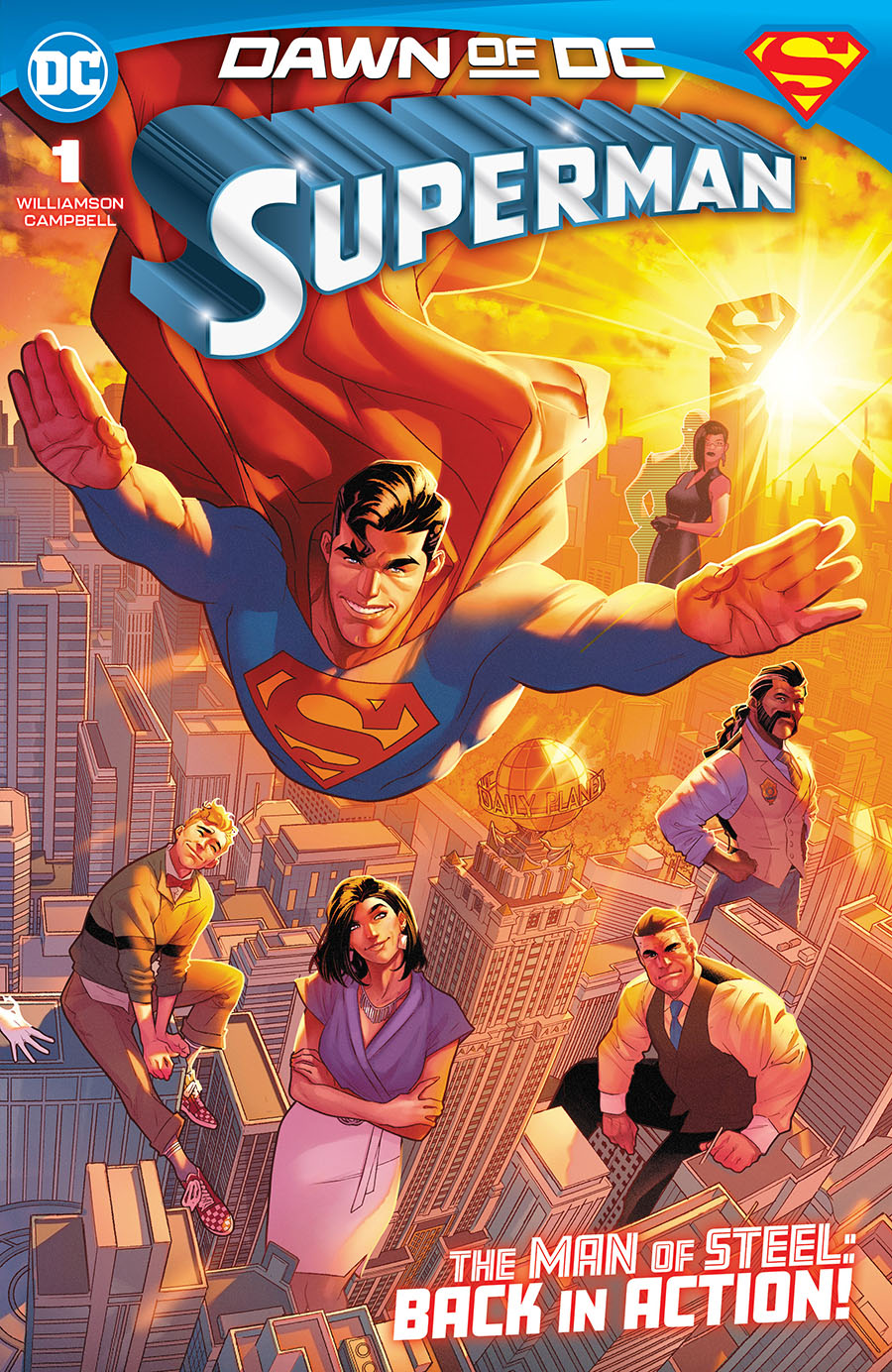
Superman
The current Superman comic mixes large-scale superhero threats with Clark Kent’s life in Metropolis and the supporting characters surrounding him. Modern Superman works best when the spectacle is balanced by optimism and character, rather than simply finding something even bigger for him to punch. For teens exploring DC comics, the regular monthly title provides a recognisable character, spectacular artwork and an ongoing storyline without requiring a graphic novel purchase.
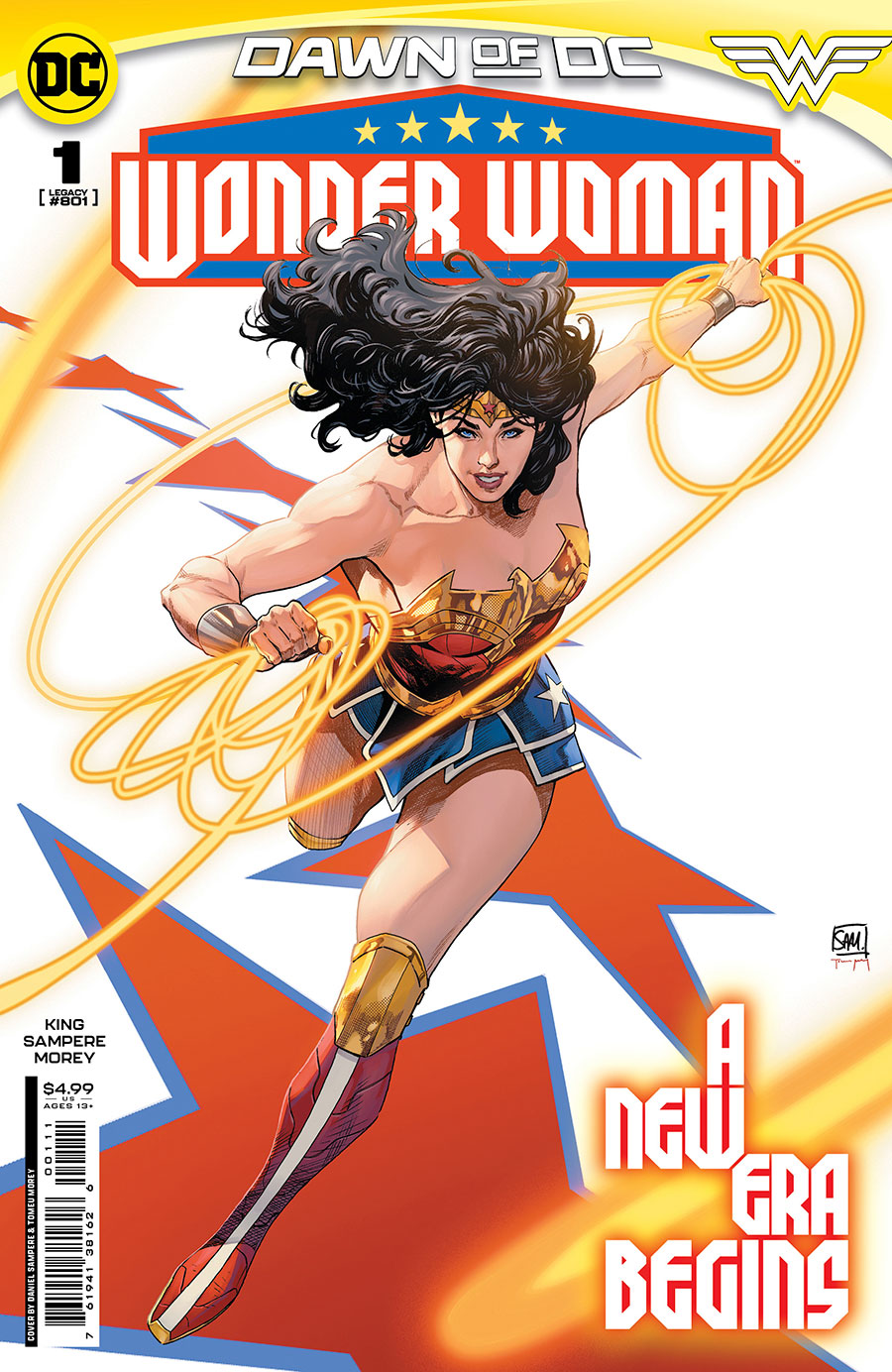
Wonder Woman
Wonder Woman’s monthly comic combines mythology, superhero action and the politics of being one of DC’s most powerful characters. The current run offers large-scale battles but also questions about the Amazons, power, responsibility and Diana’s place in the wider world. It is a useful counterweight to comic shelves overloaded with male superheroes and gives teens another major ongoing DC series they can follow issue by issue.
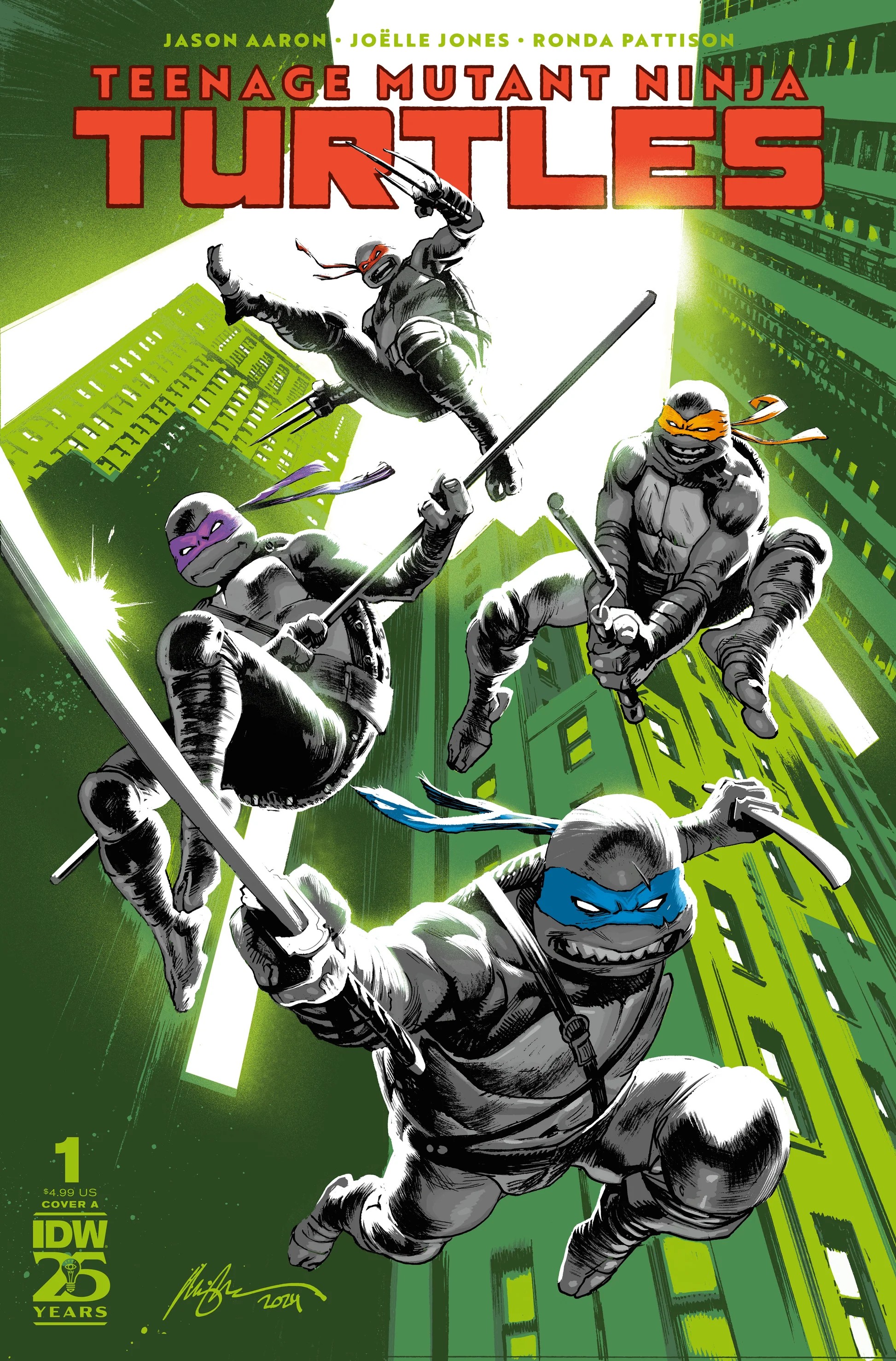
Teenage Mutant Ninja Turtles
The current IDW comic keeps Leonardo, Raphael, Donatello and Michelangelo firmly in serialised comic-book territory, with martial arts, family tensions, strange enemies and plenty of New York action. The Turtles have accumulated several generations of fans, but the basic idea remains wonderfully uncomplicated: four mutant brothers trained as ninjas. For teens who know them primarily from television, films or games, the individual comics reveal how naturally the characters fit the medium.
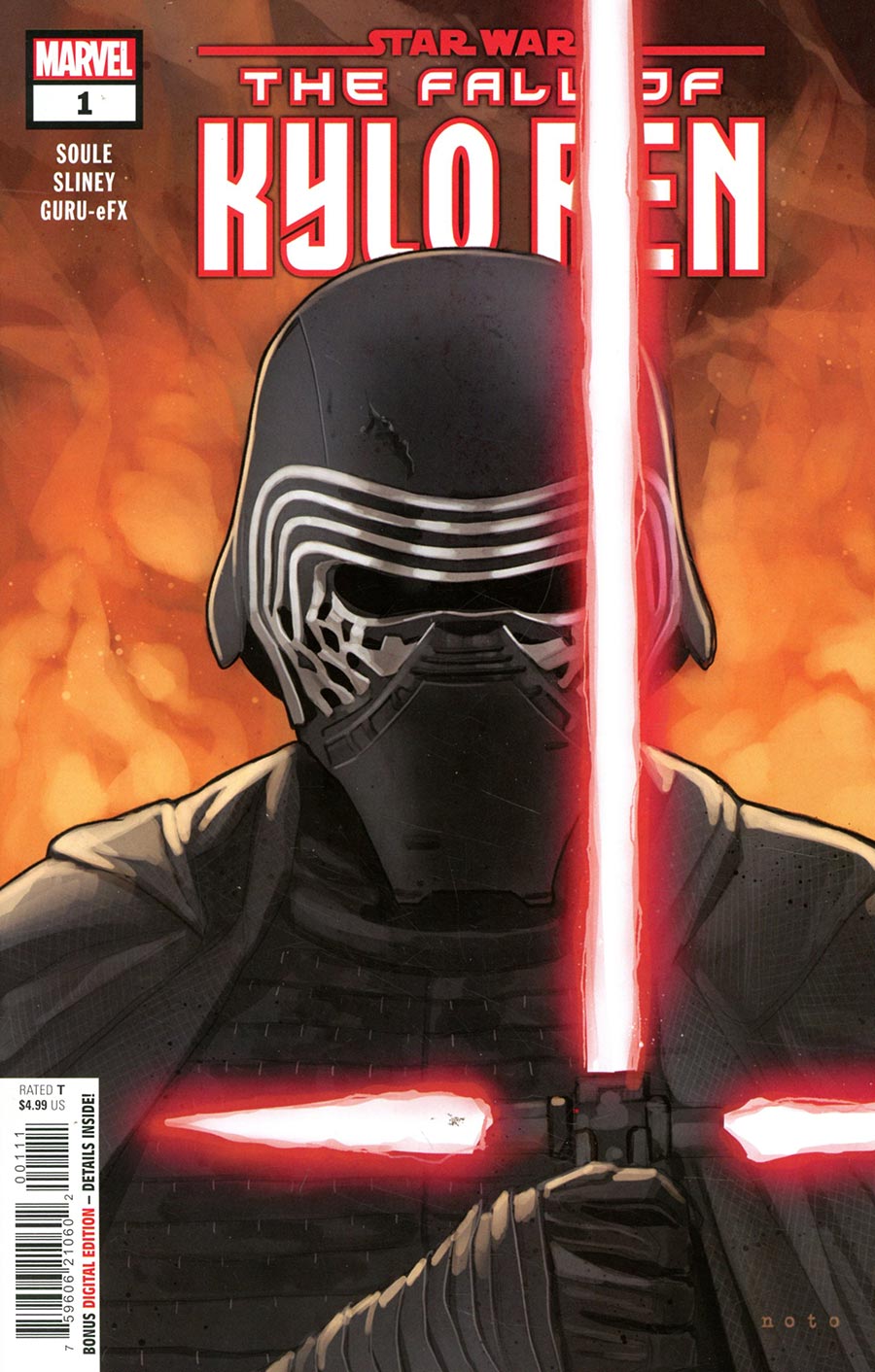
Star Wars: The Fall of Kylo Ren
Marvel’s current Star Wars comic follows Kylo Ren as his position within the First Order hardens in the period before The Rise of Skywalker. Written by Charles Soule and illustrated by Will Sliney, the five-issue series brings back the Knights of Ren while tensions between Hux and Pryde threaten Kylo’s plans. For teens already invested in the sequel-era Star Wars stories, it offers a current, serialised comic rather than a collected graphic novel.
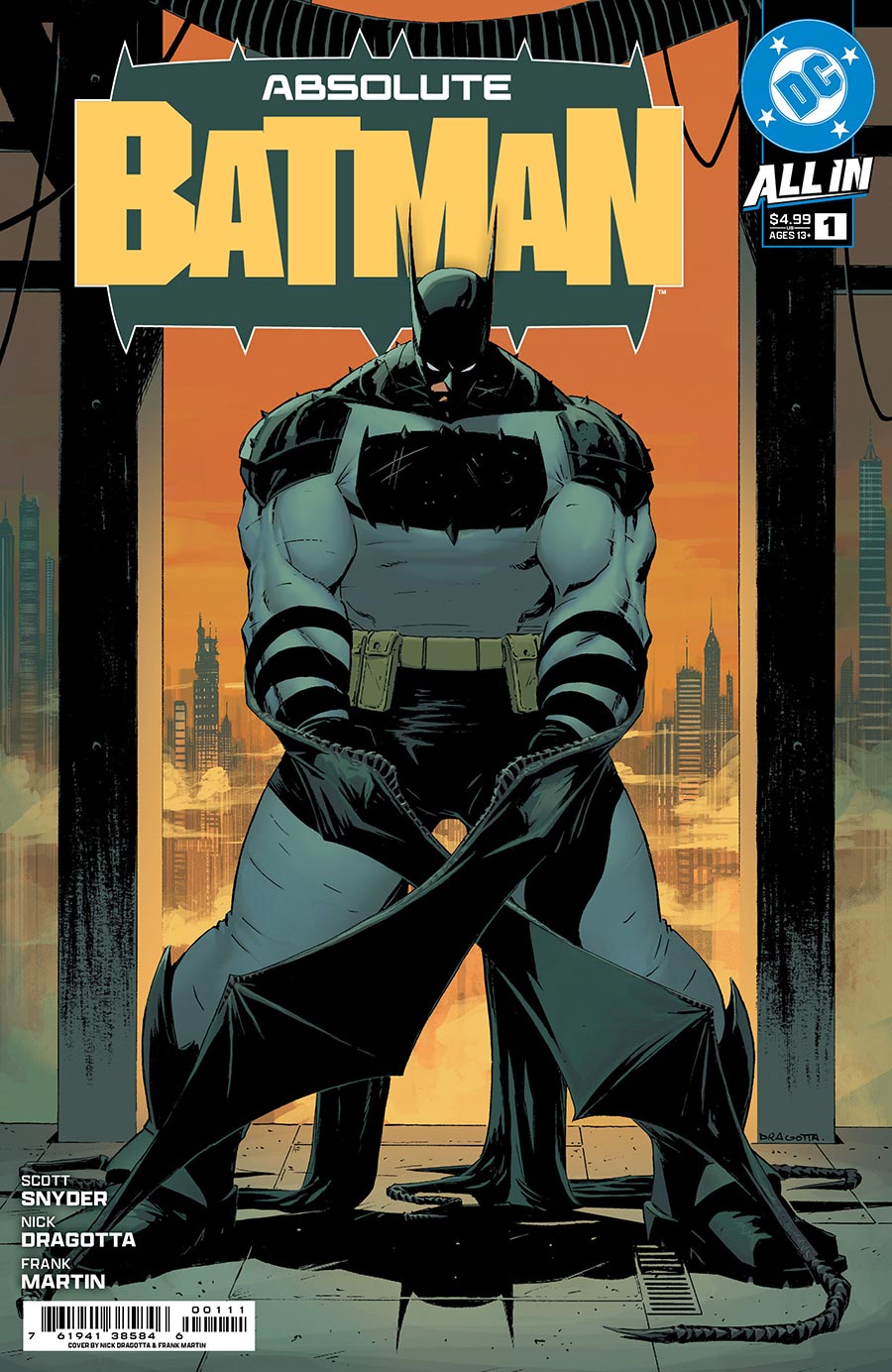
Absolute Batman
DC’s Absolute Batman reimagines Bruce Wayne without the fortune, mansion and familiar support network of the traditional character. It is a genuine continuing monthly comic, with physical issues currently being sold and pre-ordered through UK comic shops. Scott Snyder and Nick Dragotta give Gotham a harder, more exaggerated edge, so this belongs towards the older end of a teen selection. It is also far easier to enter than a Batman run carrying decades of accumulated continuity.
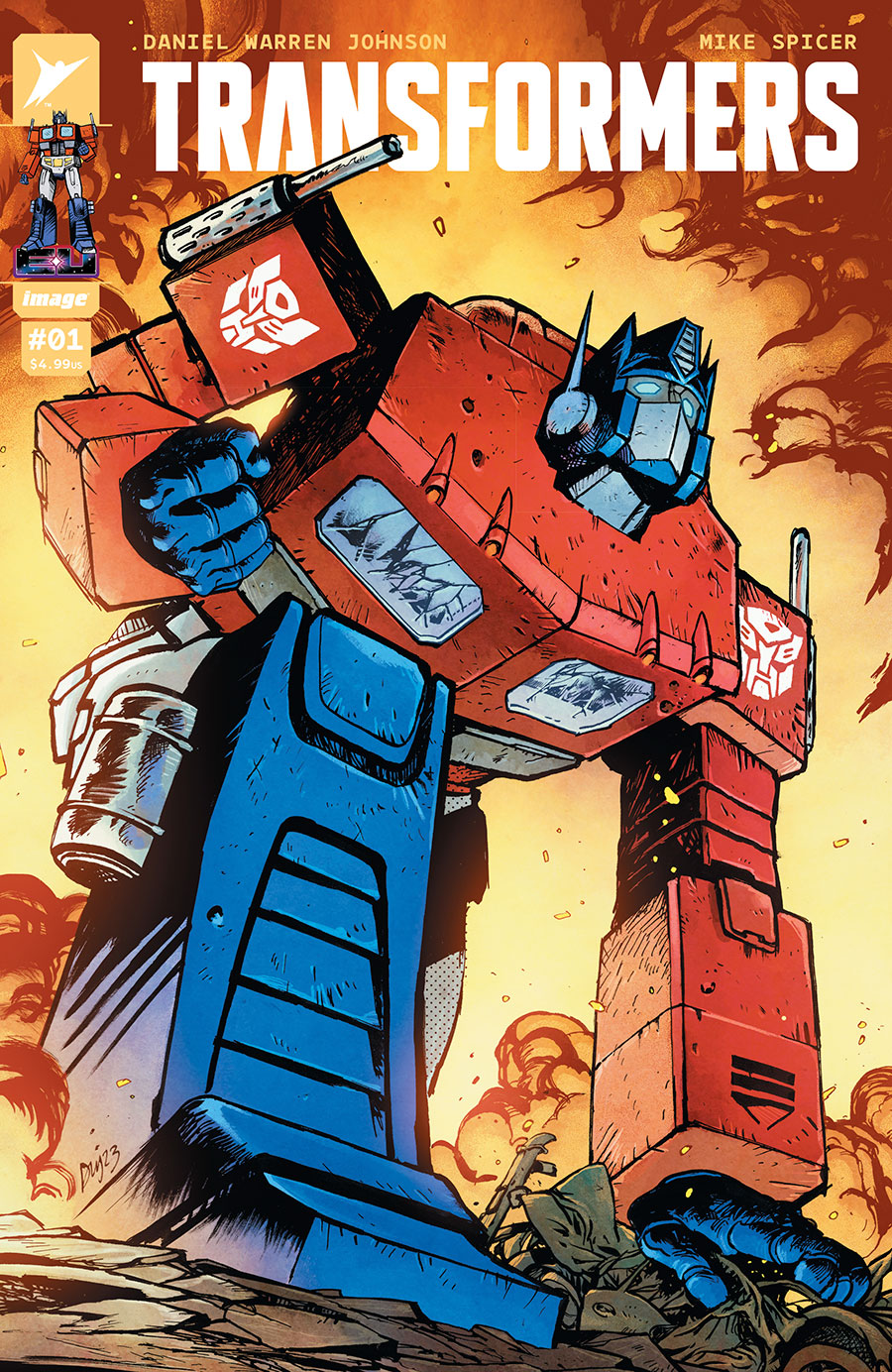
Transformers
Skybound’s current Transformers comic brings Autobots and Decepticons back to a monthly physical format with bold artwork, large-scale battles and plenty of mechanical destruction. It forms part of the wider Energon Universe but can still be approached primarily as a Transformers story. The series has gained considerable attention among contemporary comics readers and physical issues are distributed through UK comic shops. Its violence makes it better suited to secondary-aged readers than younger children.
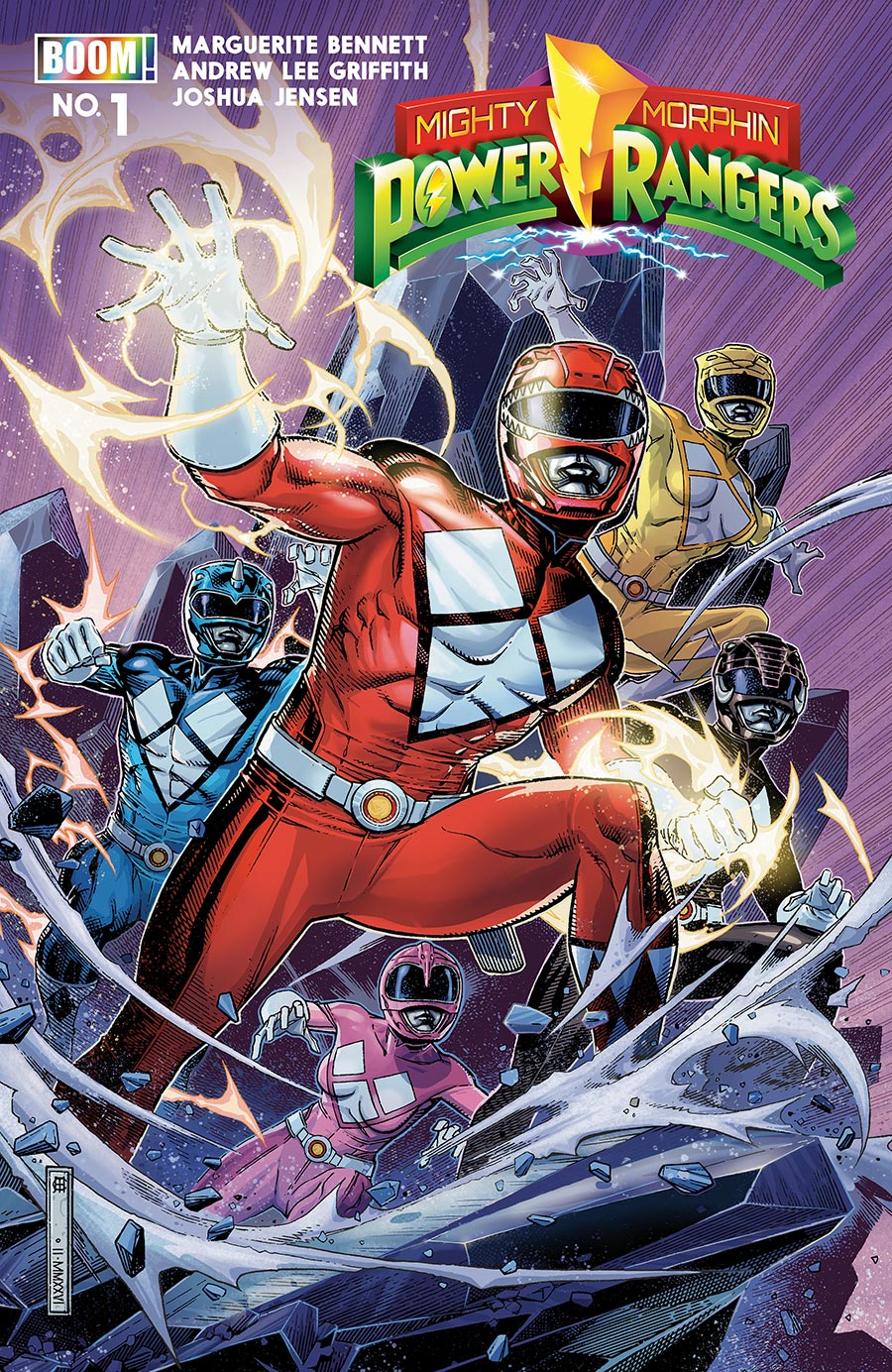
Power Rangers
Power Rangers continues to work naturally in comics, where enormous monsters, martial arts and colour-coded heroes are unconstrained by a television effects budget. Current physical comic releases remain available through UK specialist retailers, including new material released in 2026. The recognisable characters make this accessible to teens who know the television franchise, while the serial format introduces them to the pleasures of following a continuing comic from issue to issue.
Click the button below to buy the most popular titles from this list from Amazon – ideal for gifts or your classroom library.
Buy from Amazon.co.ukDisclosure: as an Amazon Associate schoolreadinglist.co.uk earns from qualifying purchases.
Schools & teachers: please respect copyright and don’t copy our comics for children list. If you find our book recommendations useful, please consider sharing on social media or linking to this page instead. Thanks.
Comics resources for teachers
- The National Literacy Trust’s Comics Rule! provides a free 12-session KS2 teaching sequence exploring comics and graphic novels. Planning, teaching PowerPoints and activities cover visual literacy, comprehension, character creation, speech bubbles, script writing and making a finished comic.
- The National Literacy Trust also offers a free guide to using graphic novels in the classroom, with ideas for developing inference, reading fluency, dialogue and writing, plus a suggested graphic novel book list for children aged 9 to 11.
- For secondary schools, the National Literacy Trust’s guide to running a manga club includes practical advice, games, crafts and discussion activities designed to help teachers and librarians build a reading community around manga.
- BookTrust has a practical guide to starting a school comics club, with advice on reading and drawing for pleasure, encouraging children who lack confidence in art, developing a comics community and even organising a pupil comics fair.
- Beano for Schools features free downloadable lessons and activities using comics to support literacy and PSHE, including comprehension, creative writing and comic-making resources for primary classrooms.
- Puffin Schools’ graphic novel resources include activity packs, book extracts, drawing videos, storyboard worksheets and comic-making activities featuring children’s authors and illustrators.
- Classical Comics provides resources for using graphic adaptations of Shakespeare and classic literature in English lessons. Free materials include sample pages, teaching activities and original, simplified and no-text versions that can be used for comprehension, revision and dialogue work.
- The Comics Laureate Recommended Reading Lists for Schools and Libraries are particularly useful when developing a comics collection. Recommendations are divided into younger readers, intermediate readers and young adults, with separate manga selections.
- The Comics Club website is packed with practical comic-making ideas, downloadable worksheets, blank comic pages, drawing challenges and activities exploring panels, words, pictures, characters and sound effects.
- Comic Boom is a UK education podcast devoted to comics in schools. Episodes explore reading for pleasure, children’s comic-making, graphic novels, art education and practical ways teachers and librarians can use comics with pupils.
- The European EDComix project offers free resources for educators, including a guide to using comics in education, a digital comics creation guide, classroom workshops and an online course aimed at helping teachers create inclusive comics-based learning materials.
BISAC JUV008000, JNF062000, YAF010000, YAN012000. | Thema XA, XQ.