Diving books for children and teens
Diving books for children and teens bring together springboard and high diving, scuba expeditions, freediving and journeys into the deep ocean. These stories and illustrated non-fiction titles introduce young people to competitive sport, underwater exploration, shipwrecks and the equipment that makes diving possible. There are picture books about a first leap from the board, adventures featuring young divers, accounts of historic discoveries and YA novels set below the surface. The selection provides starting points for reading, science, history and discussions about teamwork. This list features books by Tom Daley, John Steinbeck, James Dean, Gaia Cornwall, Willard Price, Marc Aronson, Ginny Myers Sain, Jennifer Berne, Barb Rosenstock, and Renée Nault.
Diving books for children and teens – our recommendations
Diving picture books for 3-7 year olds
Jabari Jumps by Gaia Cornwall
Jabari has finished his lessons and is ready to tackle the diving board. From the steps of the ladder, though, the jump suddenly looks much bigger than it did from the poolside. His father gives him room to think, practise and decide when to try. Gaia Cornwall tells this family story through a child’s changing expressions and the height of the diving board. For 3-5 year olds, the pictures make Jabari’s first jump from the diving board an inviting starting point for conversations about confidence and encouragement.

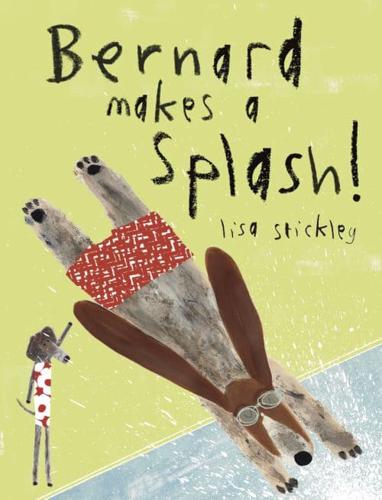
Bernard Makes a Splash! by Lisa Stickley
Bernard manages a swimming pool and has a secret ambition: he wants to perform a high dive. Each evening he practises after the visitors have gone home, building his skills away from the crowds. Then an international competition for high-diving dogs arrives at his pool. Lisa Stickley’s illustrated story follows Bernard as he considers joining the other competitors and showing everyone what he can do. The pool setting, diving routines and contest give this picture book a clear sporting focus, alongside its story of growing courage.
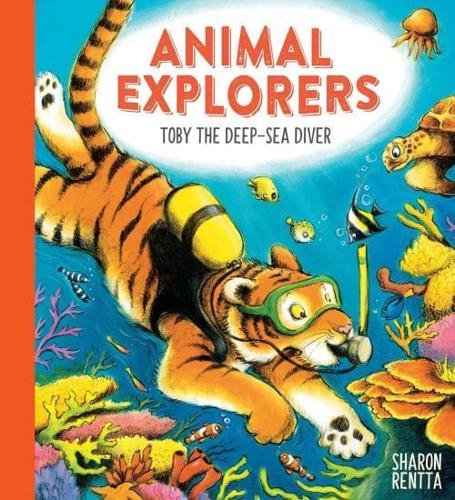
Toby the Deep-Sea Diver by Sharon Rentta
Young tiger Toby dreams of finding out what lives in the deepest parts of the sea. He builds a submersible and sets off on an underwater expedition, encountering marine creatures in Sharon Rentta’s detailed illustrations. Whales, turtles and deep-sea fish feature as Toby travels farther beneath the waves. This Animal Explorers picture book also contains short biographies of three real oceanographers, so children can move from the fictional journey to the people who investigate the ocean. There is plenty to look for in the underwater scenes.
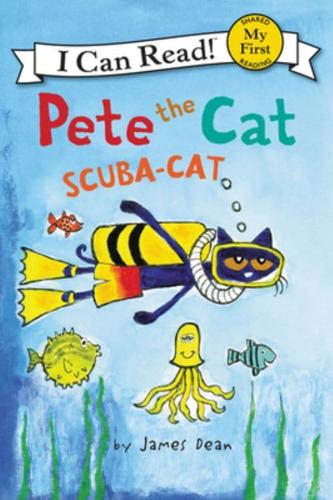
Pete the Cat: Scuba-Cat by James Dean and Kimberly Dean
Pete puts on his diving equipment and sets out to see life beneath the sea. Captain Joe has told him about the creatures he might encounter, and Pete is especially determined to spot a seahorse. His underwater search takes him past an assortment of marine animals and leads to an unexpected encounter. This My First I Can Read title brings scuba equipment and a child’s curiosity about underwater wildlife into a simple story that works for shared reading.
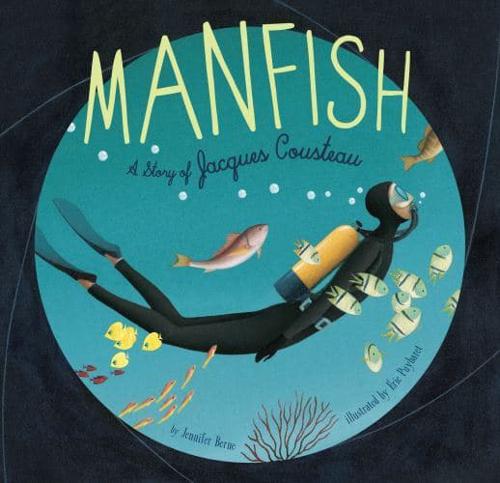
Manfish: A Story of Jacques Cousteau by Jennifer Berne, illustrated by Éric Puybaret
Jacques Cousteau grows up fascinated by water and by the idea of moving freely beneath its surface. Jennifer Berne traces that interest through his experiments, filmmaking and pioneering work with breathing equipment for underwater exploration. Éric Puybaret’s illustrations give the biography an imaginative view of the ocean and the possibilities Cousteau sees within it. This picture book for 4+ year olds introduces a real-life figure whose inventions and documentaries helped people encounter the underwater world. It can also begin a discussion about exploration, invention and marine conservation.
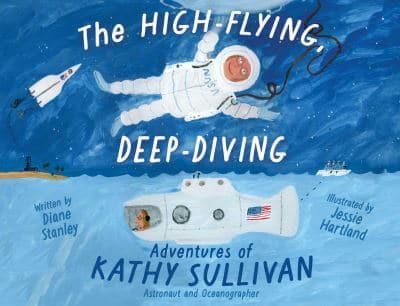
The High-Flying, Deep-Diving Adventures of Kathy Sullivan: Astronaut and Oceanographer by Diane Stanley, illustrated by Jessie Hartland
Kathy Sullivan spends her childhood studying maps and wondering about places far beyond her home. She grows up to become an astronaut, the first American woman to walk in space, and later makes a remarkable journey to the deepest part of the ocean. Diane Stanley’s biography for 4-8 year olds connects those two very different environments through Sullivan’s interest in exploration. Jessie Hartland illustrates the spacecraft, ocean journey and important moments in her career, giving children a way to compare the equipment used above Earth and far below the sea.
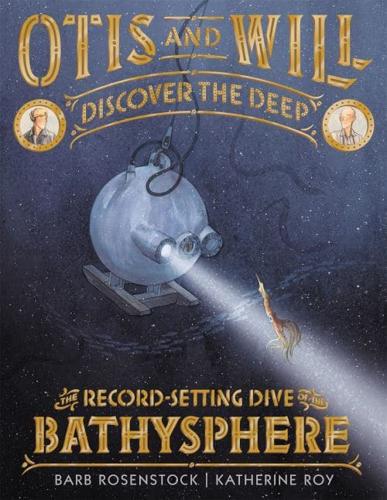
Otis and Will Discover the Deep: The Record-Setting Dive of the Bathysphere by Barb Rosenstock, illustrated by Katherine Roy
In 1930, scientist William Beebe and engineer Otis Barton prepare for a journey into the ocean aboard the bathysphere, a spherical metal vessel lowered from a ship. Barb Rosenstock tells how their different skills contribute to this unusual diving experiment, as well as the planning needed before they descend. Katherine Roy’s illustrations take children from the ship’s deck into a dark, unfamiliar underwater world. This immersive picture-book account introduces the history of deep-sea investigation and the engineering that allowed people to observe places they had never visited.
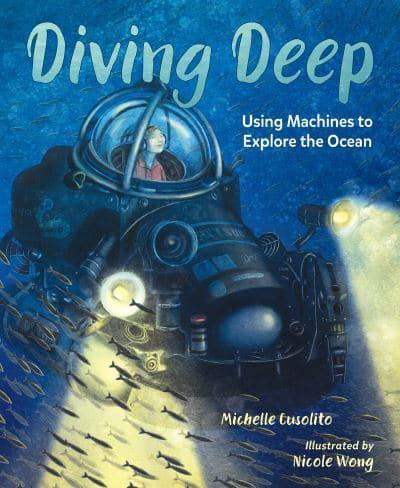
Diving Deep: Using Machines to Explore the Ocean by Michelle Cusolito, illustrated by Nicole Wong
How do people reach the deep ocean, and what lets them work there? Michelle Cusolito moves from early underwater exploration to modern machines, explaining how divers, specialised suits and submersibles help people investigate the sea. Nicole Wong’s illustrations show the equipment and the environments where it is used. Perfect for 5-8 year olds, this illustrated non-fiction book connects the practical challenges of deep diving with scientific discovery. It gives children useful ways to think about breathing, pressure, light and the remarkable technology needed to explore underwater.
Diving books for children aged 7-12
Jack Splash by Tom Daley, Simon James Green
Jack wants to impress his diving coach dad, but he’s the worst diver in the worst diving team in Damp Bottom. When a new pupil with magical swimming abilities arrives at school, Jack discovers that his luck might be about to change. But trouble soon follows, and Jack and his teammates must help their new friend save a secret world. Written by Tom Daley and Simon James Green, this funny, fast-paced adventure celebrates friendship, teamwork and perseverance. With lively illustrations by Luna Valentine, Jack Splash is an entertaining choice for independent readers in lower KS2 and less confident readers in upper KS2. Highly recommended.

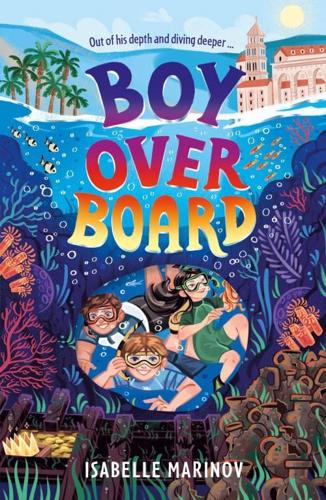
Boy Overboard by Isabelle Marinov, illustrated by Paula Zorite
Hugo, Alex and Julie head to Croatia for a scuba-diving camp and soon become caught up in the search for a Roman shipwreck and an emperor’s lost crown. Their discovery attracts dangerous attention, while Hugo must also face his worries about entering the open sea. Isabelle Marinov combines a Mediterranean setting, underwater investigation and friendship in this adventure for 9-12 year olds. Paula Zorite’s atmospheric artwork accompanies this gripping story that includes maps, history and diving.
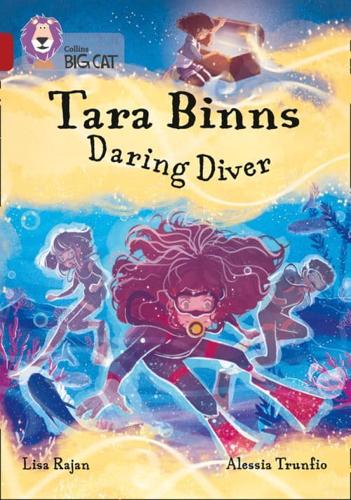
Tara Binns: Daring Diver by Lisa Rajan, illustrated by Alessia Trunfio
Tara Binns becomes a marine biologist in this illustrated reading-scheme story. Her mission takes her underwater, where she investigates a problem that threatens sea life and needs to find a practical solution. The diving scenes introduce the work of scientists who study and protect marine environments. This accessible adventure, part of the the Collins Big Cat Band 14/Ruby range, is ideal for developing independent reading. Children can also use Tara’s investigation to consider how diving, observation and science work together beneath the surface.
Mission: Manta Ray by Philip Kavvadis
Mission: Manta Ray sees Finn, Milo, and Tasi diving into mysterious deep-sea trouble – literally. Their investigation takes a dangerous turn when a giant submersible, shaped like a manta ray, targets them. Fast-paced and packed with adventure, this second book in Philip Kavvadis’s series mixes ecological themes with heart-pounding action. Euan Cook’s dynamic illustrations bring the drama to life, making it a brilliant pick for young readers who love an fast-paced, environmentally charged story.

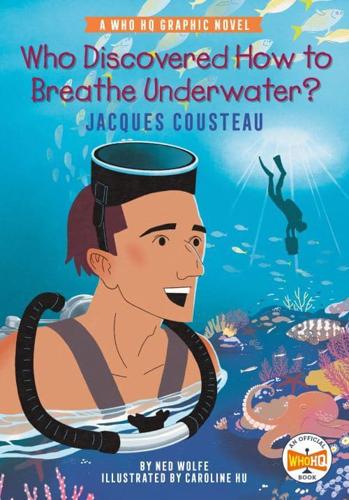
Who Discovered How to Breathe Underwater?: Jacques Cousteau by Ned Wolfe, illustrated by Caroline Hu
Jacques Cousteau and his collaborators experiment with ways to breathe underwater, eventually developing the Aqua-Lung, an invention central to modern scuba diving. This colour graphic novel recounts the experiments and the interests that bring Cousteau to the project, including the sea, engineering and film. Ned Wolfe and Who HQ present the history through highly illustrated scenes by Caroline Hu. For 8-12 year olds, the comic format connects an important invention to the people and practical problems behind it.
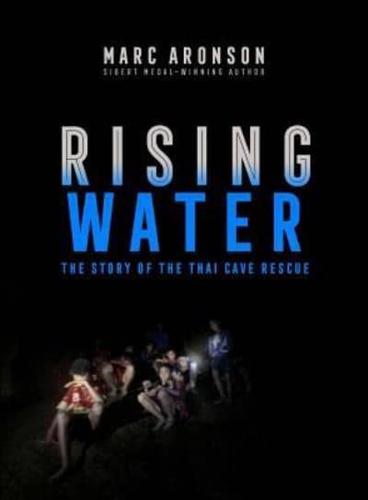
Rising Water: The Story of the Thai Cave Rescue by Marc Aronson
When a youth football team and their coach become trapped in a flooded cave in Thailand in 2018, rescuers face an exceptionally difficult task. Marc Aronson’s narrative non-fiction explains how the operation develops, drawing attention to the planning, international co-operation and specialist cave-diving expertise involved. Ideal for 10+ year olds, the book follows the real events and the decisions required to bring the group out safely. It invites discussion of teamwork, technical knowledge and the differences between open-water diving and navigating an enclosed underwater passage.
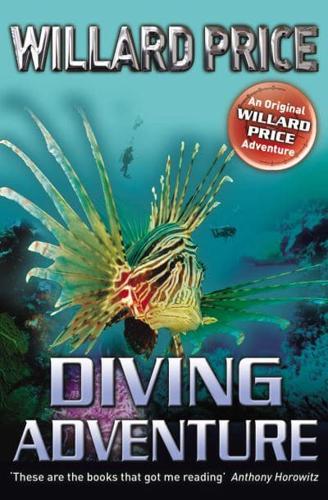
Diving Adventure by Willard Price
Hal and Roger Hunt travel into the underwater world in this adventure by Willard Price. Their mission involves collecting marine specimens, but the brothers encounter a succession of dangers while exploring beneath the surface. Diving apparatus, underwater observation and the animals living in the sea form an important part of the story. The page turning novel is one of Price’s many popular adventure books about the two young explorers.
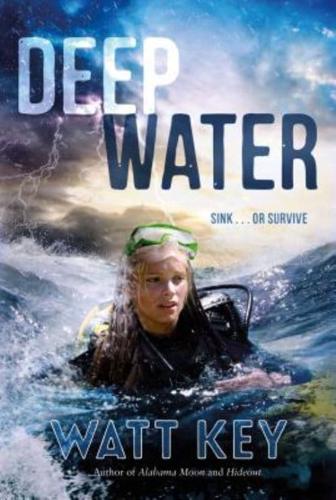
Deep Water by Watt Key
Twelve-year-old Julie Sims helps with her father’s scuba-diving business off the Alabama coast. When he is unwell, she leads two customers on a dive, but their disregard for instructions turns the outing into a serious emergency. Then the dive boat disappears, leaving Julie facing an exhausting struggle at sea. Watt Key’s gripping survival novel for 10+ year olds draws its tension from the practical demands of diving and the decisions Julie makes under pressure. The story offers an absorbing opportunity for discussing responsibility, preparation and problem-solving in an unfamiliar environment.
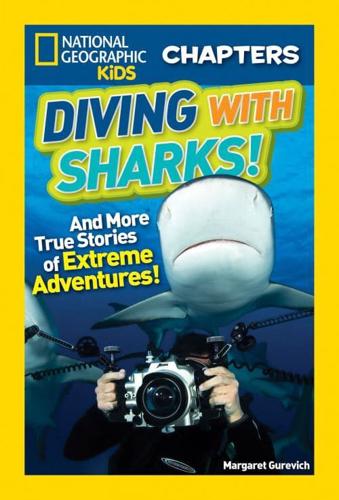
Diving With Sharks!: And More True Stories of Extreme Adventures! by Margaret Gurevich
True accounts take readers beneath the surface with people whose work or adventures bring them close to sharks and other marine life. Margaret Gurevich introduces cave divers, underwater photographers and researchers in short chapters designed for developing readers. The engaging National Geographic Kids format combines narrative episodes with factual material about the challenges of extreme underwater exploration. It’s ideal for KS2.
Diving books for teens
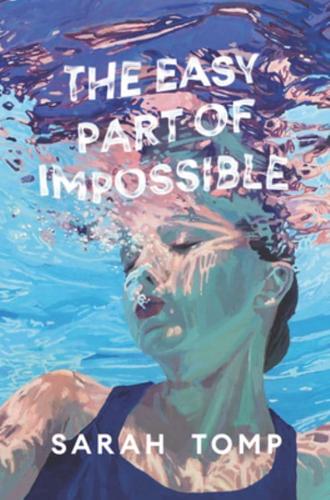
The Easy Part of Impossible by Sarah Tomp
Ria Williams is a talented competitive diver whose Olympic ambitions have shaped much of her life. After an injury forces her off the diving team, she begins to reconsider her relationship with her controlling and abusive coach, Benny. Reconnecting with childhood friend Cotton, who is autistic, helps Ria recognise the harm she has experienced and question what she wants from the sport. Sarah Tomp’s thoughtful YA novel explores competitive diving, ADHD, abusive relationships and the pressure to succeed. It offers teenage readers a compelling story about personal independence, ambition and finding the courage to make difficult choices.
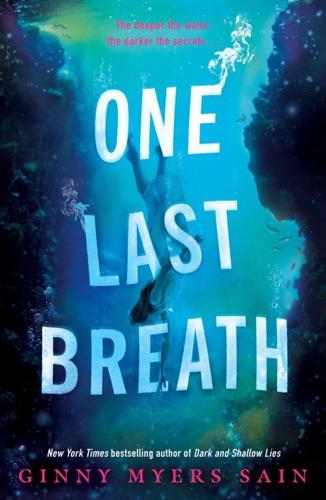
One Last Breath by Ginny Myers Sain
Freediving offers Tru a place of calm in the freshwater springs of Mount Orange, Florida. The town also carries the memory of two teenage girls, Bailey and Celeste, whose murders remain unsolved after twenty years. When newcomer Rio arrives, Tru feels drawn into the mystery and an unsettling connection with the past. Ginny Myers Sain brings underwater exploration, romance and supernatural suspense together in this timeless YA thriller. The springs, their depths and the act of diving are woven into Tru’s search for answers about the town’s history.
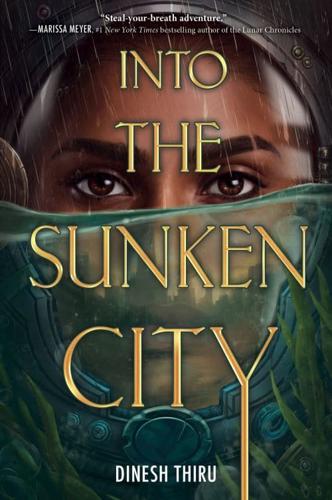
Into the Sunken City by Dinesh Thiru
Jin Haldar lives in an Arizona city where relentless rain has changed the landscape and everyday survival is a struggle. Her father’s death in a diving accident has made her determined to stay out of the deep water. But when her sister Thara takes an interest in a plan to recover gold from the submerged ruins of Las Vegas, Jin joins the expedition. Dinesh Thiru’s YA fantasy combines underwater salvage with a treasure heist, complicated loyalties and a flooded future world. Diving becomes both the mission’s central challenge and an important part of Jin’s personal history.
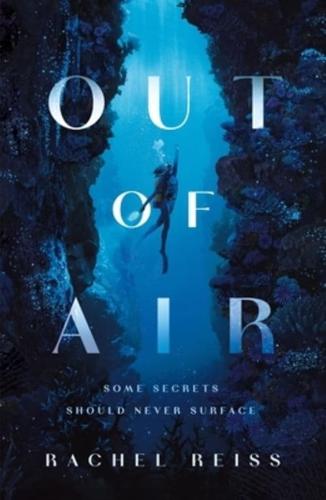
Out of Air by Rachel Reiss
Phoebe Ray and her friends travel to an Australian island for a final scuba-diving adventure together after leaving school. Beneath a reef, Phoebe and Gabe discover a remarkable underwater cave. Their exploration sets off unsettling physical changes, while treasure hunters become determined to find the same hidden place. Rachel Reiss builds a stunning YA supernatural thriller around a close-knit diving group, an extraordinary underwater environment and the consequences of their discovery. The book brings together an established interest in scuba diving, friendship, mystery and increasingly strange events beneath the sea.
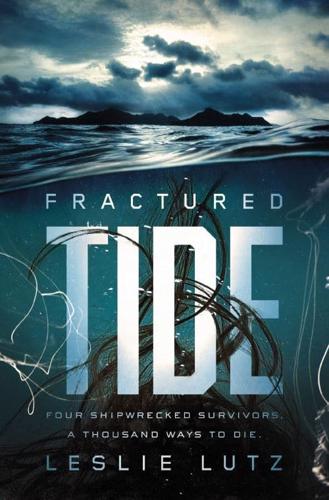
Fractured Tide by Leslie Lutz
Sia helps lead a diving trip to explore a shipwreck, but the trip takes a startling turn when a creature attacks the boat. She and the other survivors reach an island that seems to operate according to unusual rules. As they search for answers, the danger associated with the underwater discovery becomes part of a larger mystery. Leslie Lutz’s twisty YA novel combines wreck diving, survival and speculative fiction. The opening dive and its aftermath give the story a strong maritime setting, while Sia’s decisions keep the focus on the teenagers facing the island’s secrets.
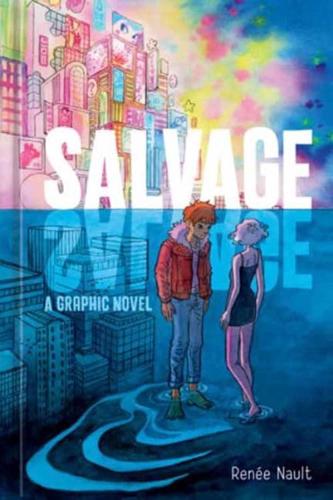
Salvage by Renée Nault
Paolo lives in the Flats, a community surrounded by rising water, where salvaging goods from submerged buildings is a way of life. During a dive among the sunken skyscrapers, he discovers a suitcase of expensive clothes. This leads him to the wealthy Uplands, where he meets Jules and begins to lead a second life. Renée Nault tells their unforgettable story in a beautiful watercolour graphic novel for teens. Underwater salvage and flooded landscapes are central to this unique story about class, identity and relationships.
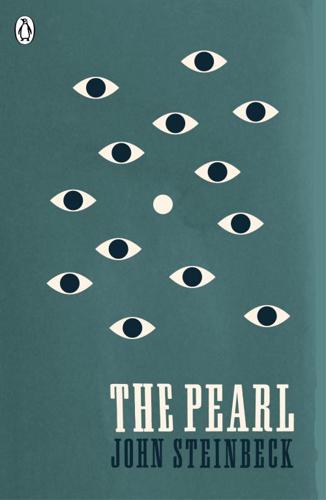
The Pearl by John Steinbeck
Kino earns his living as a pearl diver, searching the sea floor for something that will support his family. When he finds an extraordinarily valuable pearl, its possible worth changes the way the people around him behave. John Steinbeck’s novella links the physical work of diving with questions about wealth, hope and the pressures placed on an ordinary family. Part of Penguin’s The Originals range for younger readers, this modern classic examines labour, ambition and the consequences of a discovery.
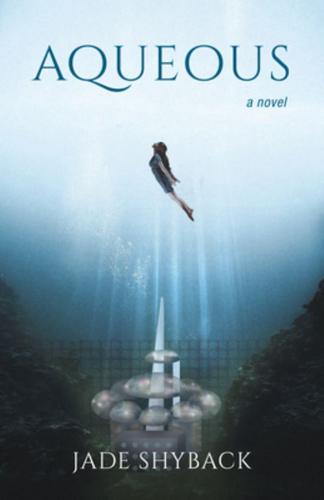
Aqueous by Jade Shyback
Sixteen-year-old Marisol Blaise grows up in Aqueous, an underwater settlement created as conditions on Earth’s surface deteriorate. She wants to join the Cuviers, the elite divers who venture outside the settlement, but the position has traditionally been reserved for men. The trials that decide her future become an opportunity to test her abilities and discover how her society operates. Jade Shyback’s convincing YA dystopian novel combines an imagined form of deep-sea living with competitive selection, technology and questions about equality. Marisol’s ambition to become a diver drives the storyline.
Click the buttons below to purchase all of the books in this diving book list for children and teens, as well as class sets of any of these books and many more, from Bookshop.org UK. Or buy 20 selected titles from this list from Amazon – ideal for gifts or your classroom library.
Buy from UK.Bookshop.Org Buy from Amazon.co.ukDisclosure: If you buy books using the buttons above: we may earn a commission from Bookshop.org, whose fees support independent bookshops; as an Amazon Associate schoolreadinglist.co.uk earns from qualifying purchases.
Schools & teachers: please respect copyright and don’t copy our diving book list for children and teens. If you find our book recommendations useful, please consider sharing on social media or linking to this page instead. Thanks.
Diving resources for teachers
- Swim England’s Learn to Dive guide includes a video explaining Olympic springboard and platform diving, body positions, dive directions, degrees of difficulty and competition scoring. Useful for introducing competitive diving in PE lessons.
- Swim England’s Aquatic Skills Framework sets out the learning outcomes for diving Stages 8-10, covering body positions, rotations, jumps, glides and introductory dives. The progression guidance is useful for swimming teachers and PE coordinators.
- The Swim England Diving Talent Search features eight instructional videos demonstrating dry-land skills including balance, flexibility, core strength and diving shapes. These provide ideas for appropriately supervised PE and gymnastics activities.
- Swim England’s diving scoring guide explains how judges assess individual and synchronised dives, including the five phases of a dive and degrees of difficulty. It offers an engaging context for secondary maths lessons involving multiplication, averages and scoring systems.
- The Get Set education programme provides free Olympic and Paralympic teaching resources for pupils aged 5-19, including PE challenges, athlete stories, sporting values and cross-curricular activities that can complement a topic on competitive diving.
- The Royal Life Saving Society UK provides guidance on safe entries into water, suitable pool depths and the risks of diving into shallow water. This is important background reading for teachers planning supervised aquatic activities.
- The British Sub-Aqua Club introduces underwater activities for children, including its Dolphin Snorkeller programme, Beachcomber and Shore Surveyor courses. These offer opportunities to connect swimming and snorkelling with marine habitats, coastal exploration and environmental education.
- The University of Southampton’s Discover Oceanography project offers a Mysteries of the Deep lesson using scuba diving to investigate how water pressure increases with depth and affects the human body. Downloadable teaching materials include a lesson plan, presentations and practical activities involving diving bells and model submarines.
- Global Underwater Hub’s Subsea Channel provides curriculum-linked primary science resources developed for Scotland’s Curriculum for Excellence. Its five teaching packs include Divers and Diving, Marine Biology, Surveying the Seabed and remotely operated underwater vehicles, with films, lesson plans and supporting notes. Registration is required to access the materials.
- Encounter Edu’s Submarine STEM unit contains six science and engineering lessons for pupils aged 11-14. Based on real deep-ocean expeditions, the investigations explore buoyancy, water pressure, submarine design, structural strength, materials and life-support systems.
- STEM Learning’s Cartesian Divers resource provides an activity sheet and teachers’ notes for a practical investigation into floating, sinking, gas pressure and buoyancy. Designed for children aged 7-11, the experiment uses a simple model diver to demonstrate principles relevant to underwater exploration.
- NOAA Ocean Exploration offers an extensive collection of free lessons, worksheets, scientific images, expedition videos and investigations for upper primary and secondary pupils. Topics include underwater robots, hydrothermal vents, bioluminescence, deep-sea ecosystems, ocean mapping and marine archaeology.
- The Royal Geographical Society’s Dive into the Deep lesson provides downloadable presentations and fieldwork booklets to help pupils explore marine environments through virtual or physical aquarium visits. Activities develop geographical enquiry, observation and understanding of our connections with the ocean.
- Historic England’s virtual wreck dives allow pupils to explore historically significant shipwrecks without entering the water. The digital trails provide fascinating starting points for history, archaeology and geography lessons about maritime exploration and Britain’s underwater heritage.
- The Diving Museum in Gosport explores the history of underwater exploration through collections of diving helmets, diving bells, atmospheric diving suits and equipment used by military, commercial and recreational divers. Its exhibits offer useful historical examples for science, design and technology, and maritime history.
- The Save Our Seabed education project, developed with the Ocean Conservation Trust and Marine Conservation Society, provides downloadable KS1, KS2 and KS3 lessons about underwater habitats. Activities cover seagrass, marine food webs, seabed mapping, floating and sinking, and conservation.
- The Ocean Conservation Trust offers free resources for primary and secondary teachers, including an Ocean Science Experiments Guide with curriculum-linked investigations into physical and chemical changes in marine environments. These activities complement lessons about the conditions encountered during underwater exploration.
BISAC JUV032060, JNF054150, YAF059130. | Thema YFR, YNWW.