Design books for children and teens
From building a cardboard invention to sketching a fashion collection, design gives children a way to turn ideas into something they can see, test and make. These design books for children and teens cover architecture, clothing, engineering, graphic design, products and the creative decisions behind everyday objects. The selection includes picture-book stories, practical projects, illustrated reference books, teenage fiction, GCSE resources and books for sixth-form design students. This list features books by Andrea Beaty, Isabel Thomas, Pip Jones, Ashley Spires, Celia Joicey, Jen Wang, Emily Pilloton, Bruno Munari, Don Norman, and Ellen Lupton.
Design books for children and teens – our recommendations
Design picture books for 3-7 year olds
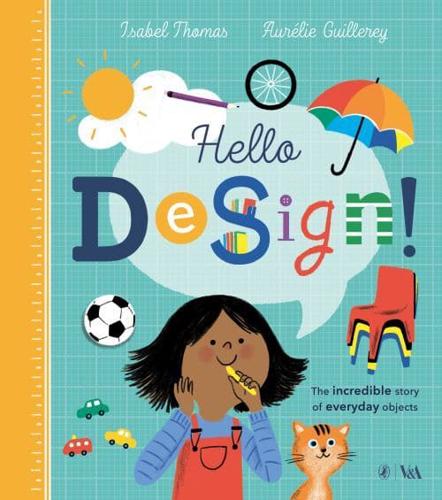
Hello Design! by Isabel Thomas, illustrated by Aurélie Guillerey
What makes a good design, and how do designers come up with their ideas? This illustrated introduction takes children into the world of objects, buildings and creative problem-solving. Familiar things become starting points for thinking about shape, purpose and appearance. The combination of pictures and explanations makes it possible to talk about why an object looks the way it does and how it might be improved.
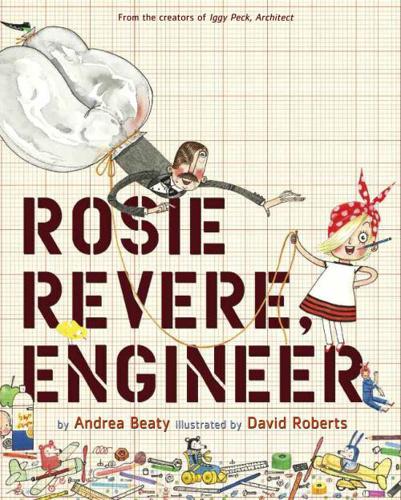
Rosie Revere, Engineer by Andrea Beaty, illustrated by David Roberts
Rosie spends her time thinking up inventions and assembling extraordinary machines from the things she finds. When her great-great-aunt Rose visits, she has the opportunity to attempt a particularly ambitious project. Andrea Beaty’s rhyming picture book for 5-7 year olds brings engineering into a story about trying out ideas, solving problems and learning from the results. David Roberts’ illustrations fill the pages with mechanical constructions and unusual designs.
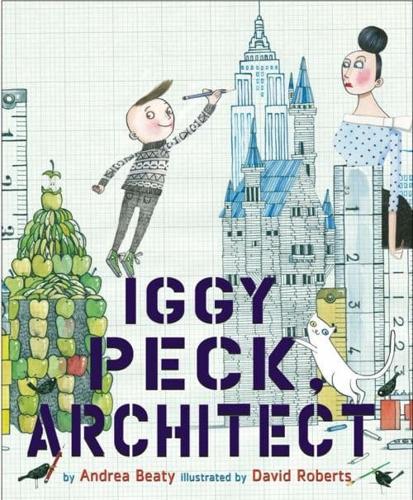
Iggy Peck, Architect by Andrea Beaty, illustrated by David Roberts
Ever since he was very small, Iggy Peck has enjoyed constructing buildings from whatever materials are available. His enthusiasm for architecture follows him into the classroom, where his teacher takes a different view of his interest. A school trip eventually presents a situation that calls for Iggy’s building skills. Told in rhyme, the story for 5-7 year olds introduces architecture through a character who thinks about structures wherever he goes.
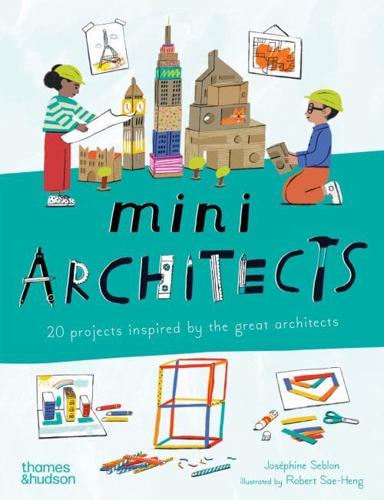
Mini Architects by Joséphine Seblon, illustrated by Robert Sae-Heng
Buildings from around the world become the inspiration for twenty creative activities in this illustrated architecture book. Children encounter different ways of designing places and structures before using everyday materials to make something of their own. Projects draw on architectural landmarks and traditions, including buildings and gardens. The activities connect observation with practical construction, encouraging children to consider shapes, materials and how structures fit together.
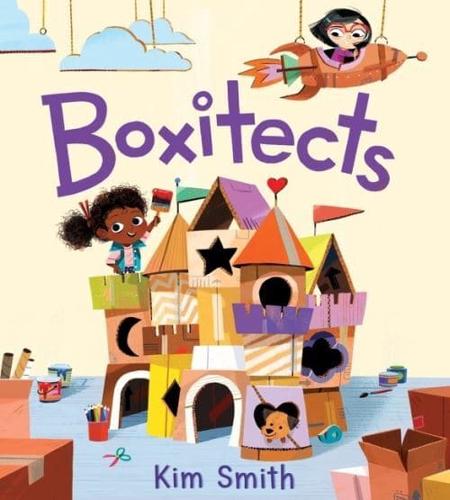
Boxitects by Kim Smith
Meg has a remarkable talent for turning cardboard boxes into creations. When she meets Simone, another young maker with the same special skill, the two find themselves working through the difficulties of sharing ideas. A building competition gives them a reason to think again about what they can achieve together. Kim Smith’s picture book places designing and construction at the centre of a story about collaboration. Cardboard models, imaginative structures and the characters’ changing plans provide plenty of material for talking about teamwork during creative projects.
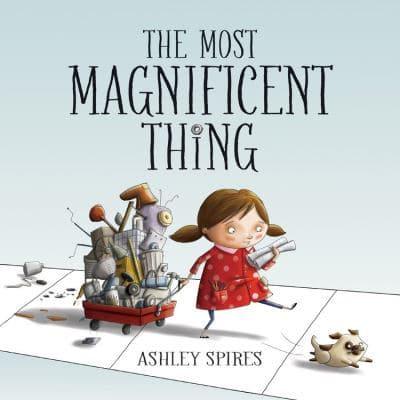
The Most Magnificent Thing by Ashley Spires
A girl has a clear idea of the magnificent thing she wants to create. Alongside her dog, she gathers materials and begins building, only to discover that putting an idea into practice takes experimentation. As she adjusts her plans and examines what she has made, the story illustrates the different stages of making an invention. Ashley Spires uses expressive pictures and a familiar situation to introduce designing, testing and improving. Children can recognise the process of changing a project until its form and function come together.
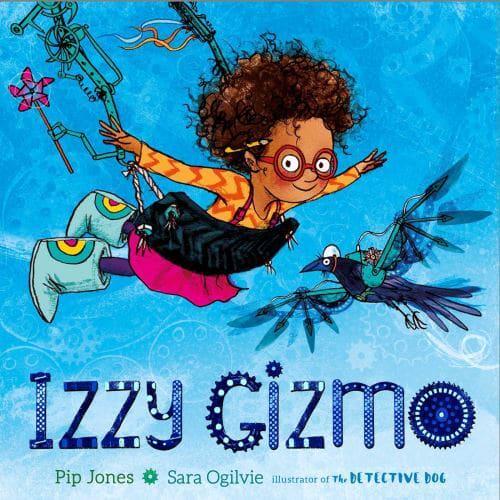
Izzy Gizmo by Pip Jones, illustrated by Sara Ogilvie
Izzy loves inventing contraptions, although the results do not always turn out as she expects. When she finds an injured crow, she sets her mind to designing something that will help him fly. Her workshop becomes the setting for experiments, adjustments and some very inventive engineering. Pip Jones tells the story in lively rhyme, accompanied by Sara Ogilvie’s illustrations of gadgets, mechanisms and materials. It introduces the idea of designing for a particular need, as Izzy works to find a solution for her new feathered friend.
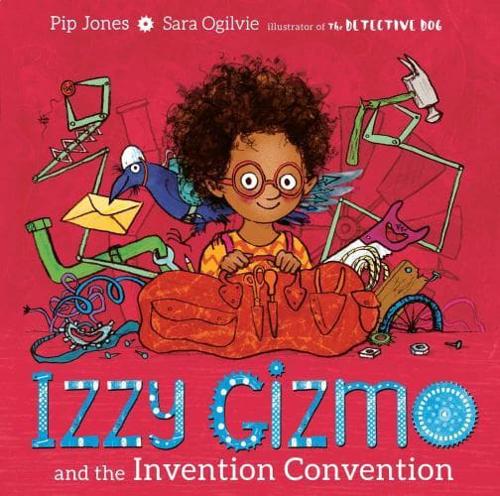
Izzy Gizmo and the Invention Convention by Pip Jones, illustrated by Sara Ogilvie
Izzy is back at her workbench when an invention competition gives her another engineering challenge. The young inventor thinks about the materials and energy available to her as she develops a new machine. The story brings imaginative machinery together with ideas about reusing resources and learning through experimentation. Sara Ogilvie’s energetic illustrations show the extraordinary equipment and constructions that surround Izzy. Children familiar with the first story can follow another invention from its early stages towards a finished design, with plenty to discuss about how machines work.
Design books for children aged 7-12
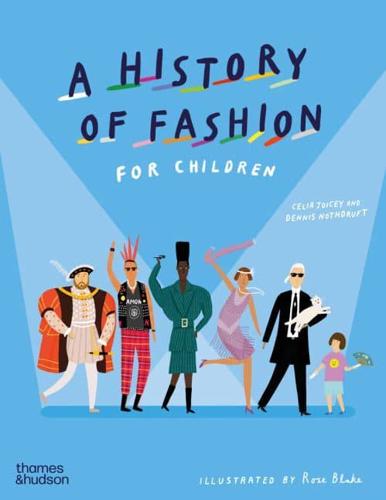
A History of Fashion for Children by Celia Joicey and Dennis Nothdruft, illustrated by Rose Blake
Clothes tell stories about the times and societies in which they are made. This illustrated fashion history examines how people have dressed across different periods and cultures, including changes in fabrics, accessories and the way clothing is produced. Children can discover the work of influential fashion designers and consider how fashion relates to identity and social change. Rose Blake’s illustrations accompany the historical explanations. The book also introduces questions about the clothing industry, giving 7-11 year olds material for studying design alongside history and art.
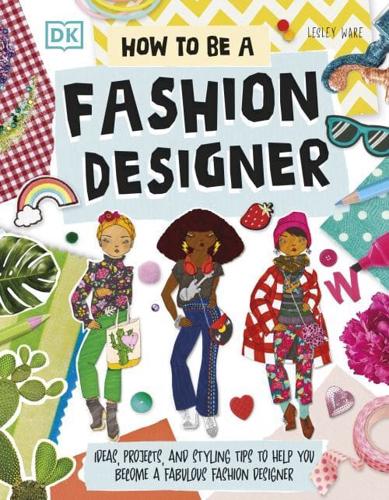
How to Be a Fashion Designer by Lesley Ware
Fashion design begins with an idea, but a garment also needs planning, materials and a way of bringing the design together. Lesley Ware introduces these processes through practical fashion activities and creative exercises. Children can think about personal style, develop clothing ideas and investigate the work involved in making fashion. The illustrated pages encourage experimentation with colour, pattern and different approaches to designing outfits. This hands-on introduction for 7-9 year olds connects drawing and personal creativity with the practical decisions involved in fashion design.
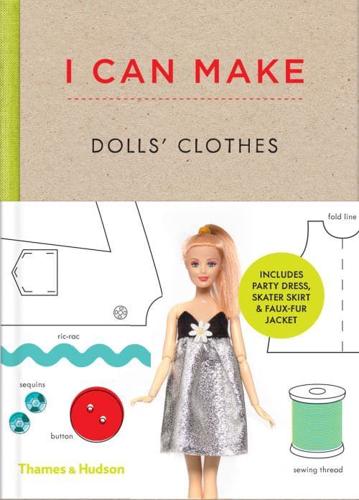
I Can Make Dolls’ Clothes by Louise Scott-Smith and Georgia Vaux
Children can learn how garments are designed and assembled by making clothes for a standard 30 cm doll. The book includes full-size patterns for nine items, illustrated instructions and photographs of the finished outfits. Basic sewing techniques, including stitching and fastening, are introduced alongside opportunities to combine different pieces and create new looks. For 7+ year olds, it turns fashion design into a practical activity with a finished garment to show for the work. It also introduces the relationship between a pattern, fabric and the shape of clothing.
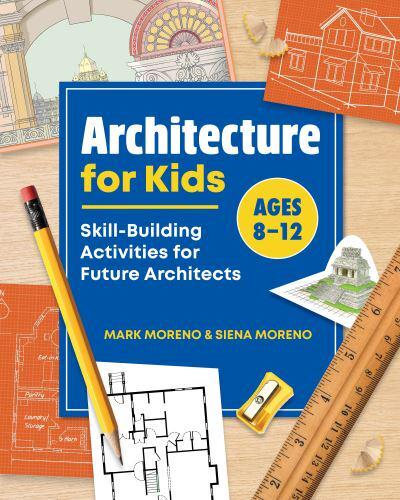
Architecture for Kids: Skill-Building Activities for Future Architects by Mark Moreno and Siena Moreno, illustrated by Bruce Rankin
Architecture is introduced through drawing exercises, building vocabulary and practical design challenges. Children learn to look at structures from different viewpoints, think about how spaces are used and understand the drawings architects make. Activities include planning rooms and creating building designs, with opportunities to record ideas directly in the book. This guide for 8-12 year olds connects artistic decisions with the engineering and practical requirements of buildings.
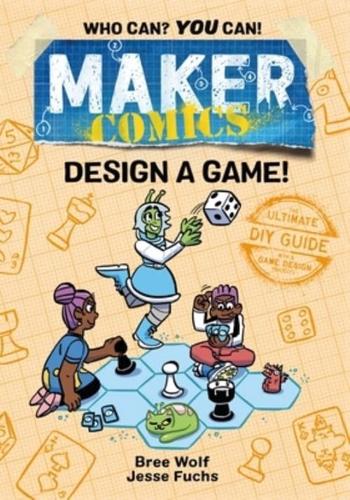
Maker Comics: Design a Game! by Bree Wolf and Jesse Fuchs
At a game-design summer camp, siblings Shen, Shondra and Shontoya discover what goes into creating games that people want to play. Professor Zephyr introduces them to different kinds of games and the importance of rules, testing and making improvements. The comic combines a story with instructions for six tabletop game-design projects. For 9-13 year olds, it is an introduction to thinking about players, changing the mechanics of a game and producing a working prototype.
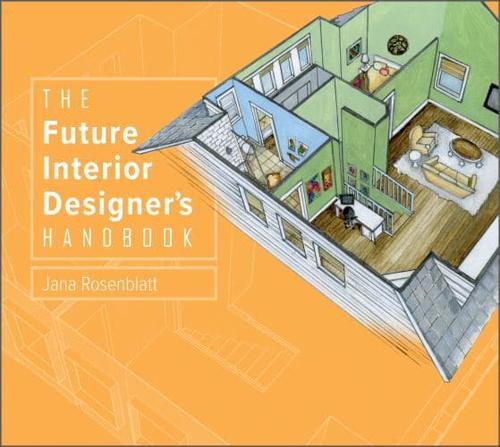
The Future Interior Designer’s Handbook by Jana Rosenblatt
Interior design involves thinking about the people who use a room as well as the appearance of the finished space. Jana Rosenblatt’s illustrated guide introduces planning, selecting colours, arranging furnishings and developing a design concept. The book uses a room redesign to show how ideas move from an initial brief towards a completed interior. Children can experiment with layouts, mood boards and their own decorative decisions.
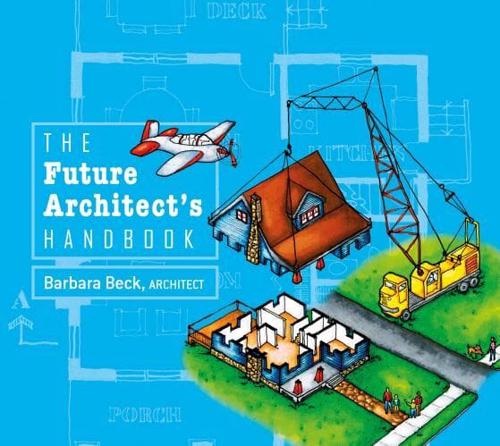
The Future Architect’s Handbook by Barbara Beck
Barbara Beck introduces children to the drawings and decisions that architects use when planning buildings. Floor plans, elevations, sections and other architectural views help explain how a three-dimensional structure can be represented on paper. The illustrated examples give children a starting point for creating their own building ideas, from the arrangement of spaces to the overall form of a structure. The emphasis on real architectural methods makes the book useful for 9-12 year olds who enjoy drawing buildings and want to understand how architects communicate designs.
Cool Technology by Jenny Jacoby and Jem Venn
With endless facts and punchy graphics, this history of technology spans the Stone Age to the present day, and beyond. Critical moments in human development are described from early tools to game-changing machines such as the compass, the printing press and gene editing. But it’s not just science – cultural changes are also chronicled, including architecture, clothes design and food. This cracking book is crammed with detail, will fit into an extra large pocket and is ideal for long journeys, holiday reading or a primary school library.

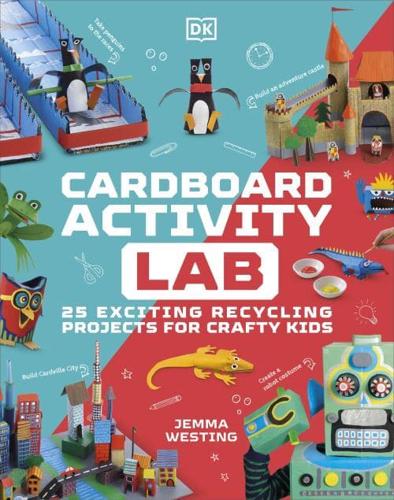
Cardboard Activity Lab by Jemma Westing
Cardboard becomes a material for imaginative engineering and design in this collection of making projects. Children can transform boxes and packaging into constructions, decorations and working creations using practical techniques. The activities introduce ways to cut, fold, join and strengthen cardboard, encouraging makers to think about the shape and stability of their designs. Photographs and instructions support the projects, which connect craft skills with inventive problem-solving.
Locomotion: A Visual History of Trains by Alastair Steele and Ryo Takemasa
This immersively illustrated history traces the development of trains from early steam engines through to modern high-speed rail. It explores famous locomotives including Flying Scotsman, celebrated train services such as the Orient Express and California Zephyr, and spectacular railway journeys around the world. Major stations, including Grand Central Terminal in New York, feature alongside advances in railway engineering and design. With vibrant, stylish artwork by Ryo Takemasa, this flapped paperback non-fiction book for 9–11 year olds shows how design and technology have changed over time, making it a strong visual guide for primary school collections focused on rail travel and transport history.

Shoes! by Anna Davies
Step into the history of footwear, from Roman sandals and Victorian boots to Vivienne Westwood’s heels and the rise of fashion trainers like Adidas and Puma. This immersive and highly illustrated hardback looks at how shoes signal status, identity and taste, covering design shifts, brand rivalries and the impact of celebrity culture. Profiles of figures including Coco Chanel and Mary Quant sit alongside a deep dive into trainer culture and fashion statements. It’s a fascinating read for 9+ year olds.

Design books for teens
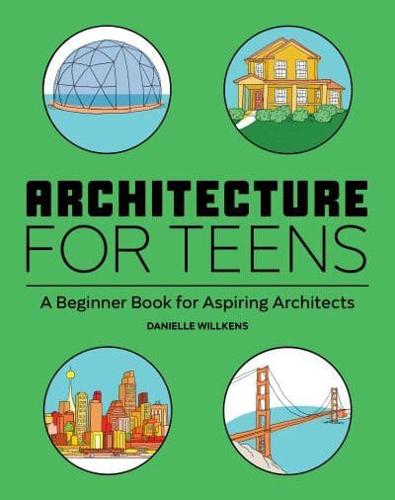
Architecture for Teens: A Beginner’s Book for Aspiring Architects by Danielle Willkens
From houses to public spaces, architecture combines artistic ideas with questions about materials, construction and how people use buildings. Danielle Willkens introduces major architectural concepts, styles and design processes, drawing on projects and interviews with professionals. Topics include the environmental impact of buildings and the different careers available within architecture. This guide for 12-16 year olds also explains how architects approach the requirements of a project.
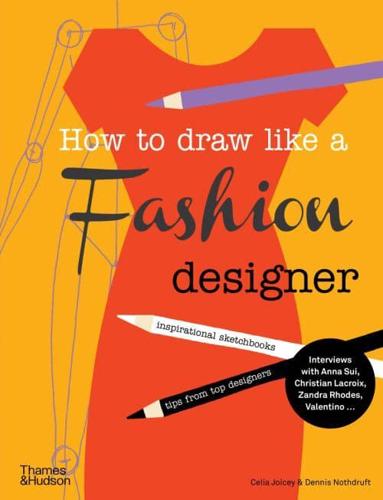
How to Draw Like a Fashion Designer by Celia Joicey and Dennis Nothdruft
Fashion drawing is the starting point for developing many clothing collections. This practical guide introduces the techniques used to draw figures, garments and finished outfits. Teenagers learn how fashion templates work, how different garments are represented and how a group of designs can be developed into a collection. Examples from professional designers’ sketchbooks sit alongside activities involving mood boards and design briefs. Developed from workshops at London’s Fashion and Textile Museum, the book connects fashion illustration with the wider process of researching, planning and presenting clothing designs.
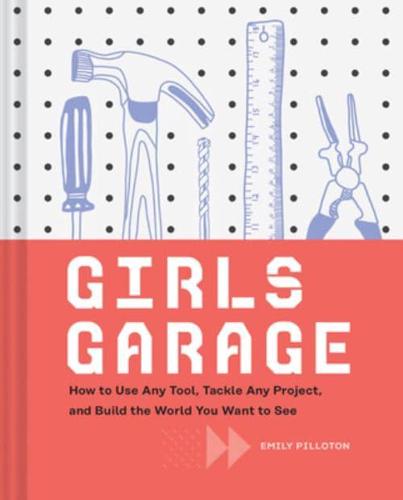
Girls Garage by Emily Pilloton, illustrated by Kate Bingaman-Burt
Emily Pilloton introduces building and making through practical projects, tool skills and the experiences of girls who work with their hands. The book explains how to approach construction tasks, understand equipment and develop the confidence to turn an idea into a physical object. Illustrations accompany information about tools, materials and safe working practices. For 14+ year olds, the emphasis is on using practical skills to make purposeful things.
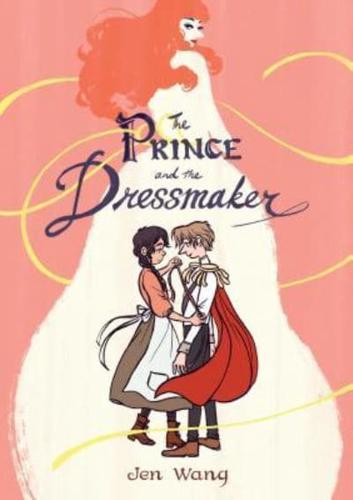
The Prince and the Dressmaker by Jen Wang
In Paris, Prince Sebastian leads a secret life as Lady Crystallia, wearing remarkable dresses created by the talented dressmaker Frances. Frances has ambitions of becoming recognised for her own fashion designs, but Sebastian’s circumstances complicate her hopes. Jen Wang’s graphic novel for teens places the craft of dressmaking at the centre of a story about friendship, identity and artistic ambition.
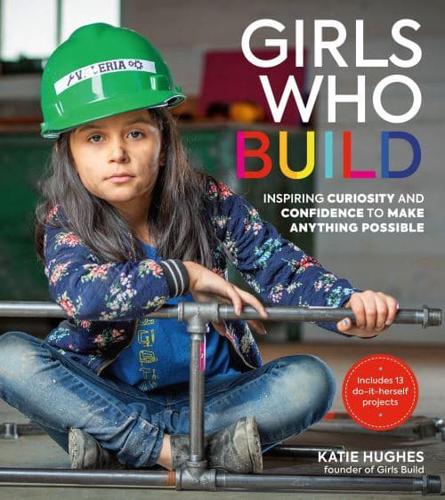
Girls Who Build by Katie Hughes
Meet girls who make furniture, work with tools and create their own construction projects. Katie Hughes combines photographs and interviews with practical explanations of building techniques and safety. The book features profiles of 45 girls and thirteen projects, ranging from smaller household objects to more ambitious structures. Written for 8–14 year olds, it introduces skills including sawing, drilling and working with different materials. The personal accounts show the range of interests and ideas that can lead someone towards carpentry, construction and making, while encouraging readers to develop the confidence to tackle projects of their own.
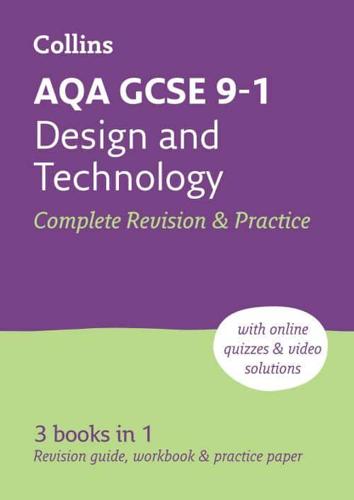
AQA GCSE 9-1 Design & Technology Complete Revision & Practice by Collins GCSE
Students studying AQA GCSE Design and Technology can use this paperback to revise the subject content and practise applying what they know. It combines topic summaries with questions, quick tests and a complete exam-style paper. Online recall quizzes and worked video solutions provide additional ways to review knowledge. The material covers the theory and design decisions assessed by the AQA specification, making it a reference for pupils preparing for examinations.
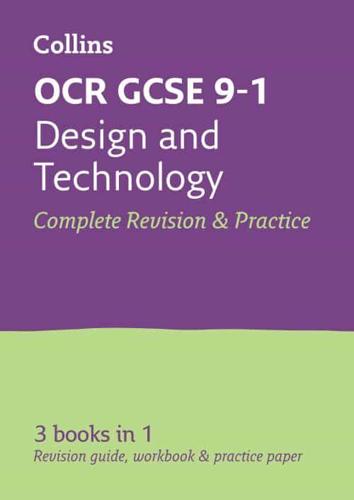
OCR GCSE 9-1 Design & Technology All-in-One Complete Revision and Practice by Collins GCSE
This GCSE revision book focuses on the OCR Design and Technology specification. It brings together explanatory notes, topic-based practice questions and a full exam-style paper, enabling students to revise and then apply their understanding. The coverage supports work on design principles, technical knowledge and the decisions involved in developing products. Students can revisit individual topics, complete tests and use the practice material to prepare for examination questions.
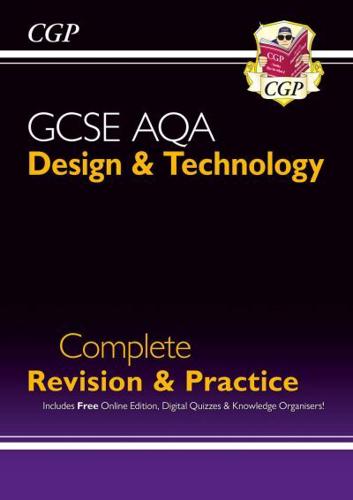
GCSE Design & Technology AQA Complete Revision & Practice by CGP Books
CGP’s AQA Design and Technology revision book combines study notes with exam-style practice. The chapters allow students to work through subject knowledge before testing their understanding of the ideas and processes involved in design and manufacture. A complete practice paper, answers and online quizzes support independent revision. The activities also provide opportunities to become familiar with the language of design and technology examination questions.
Design books for sixth formers
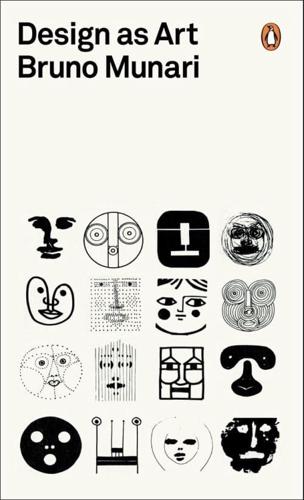
Design as Art by Bruno Munari
Bruno Munari considers the relationship between design, everyday objects and artistic thinking. His essays take familiar features of daily life as starting points for discussing the work of designers and the choices involved in making things. Typography, visual communication and the form of useful objects all belong to this way of thinking about design. The book gives sixth-form students an introduction to questioning why things look and function as they do.
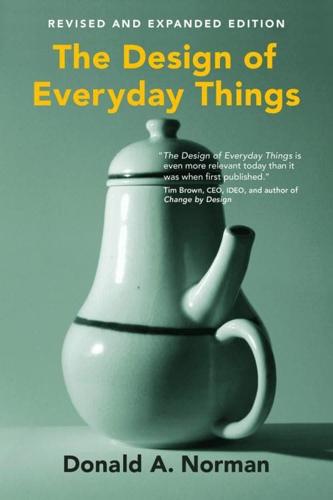
The Design of Everyday Things by Don Norman
Why are some everyday objects easy to use while others leave people uncertain about what to do? Don Norman examines the relationship between a product’s design and the way people interact with it. Drawing on examples of common objects and systems, he explains principles including feedback, controls and the importance of making functions understandable. Sixth-form students interested in products, interfaces and engineering can use these ideas when evaluating existing objects or developing their own designs.
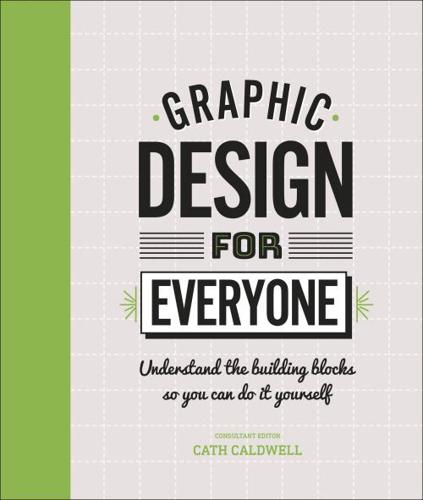
Graphic Design for Everyone by Cath Caldwell
Graphic design shapes the appearance of posters, publications, packaging and other forms of visual communication. This practical guide explains how elements such as typography, colour, images and composition contribute to a finished design. The illustrated approach introduces principles that students can apply to their own creative briefs. Examples help connect design theory with the practical decisions involved in arranging a page or communicating a message. Sixth-formers studying art, photography or design can use the book to develop their understanding of visual hierarchy and presentation.
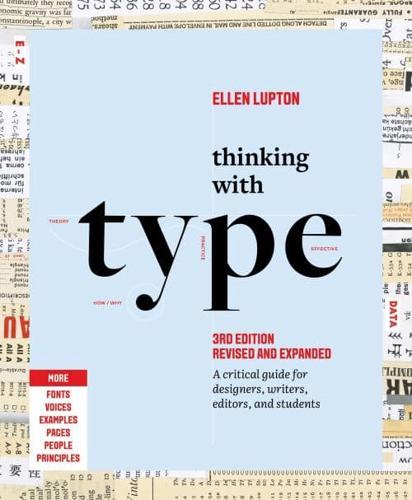
Thinking with Type: A Critical Guide for Designers, Writers, Editors, and Students by Ellen Lupton
Typography influences how information is read, understood and presented. Ellen Lupton examines the design of letterforms, the organisation of text and the use of type in visual communication. This revised edition combines historical and practical material, with examples that demonstrate the effects of different typographic decisions. Topics include the relationship between words, spacing and page layouts. For sixth-form students developing graphic design projects, the book introduces a vocabulary for analysing type and making informed choices when designing publications, posters and digital layouts.
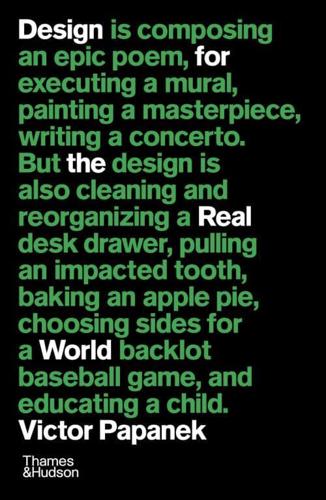
Design for the Real World: Human Ecology and Social Change by Victor Papanek
Victor Papanek examines the responsibilities of designers and the effects their work can have on society and the environment. His discussion of products and industrial processes raises questions about people’s needs, the use of resources and the wider consequences of design decisions. The book offers older students a way of considering design beyond the appearance of a finished object. Its ideas connect with sustainability, inclusive design and the ethical questions that can arise during product development.
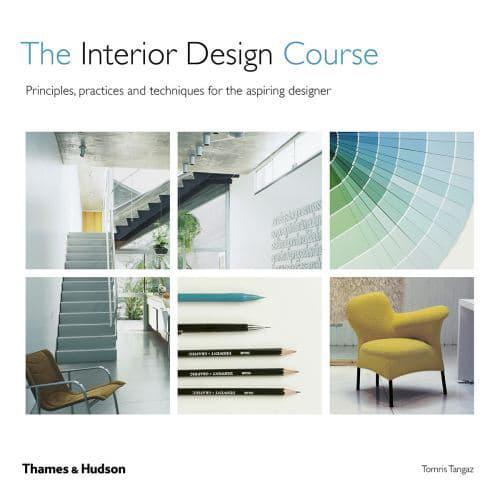
The Interior Design Course: Principles, Practices and Techniques for the Aspiring Designer by Tomris Tangaz
Tomris Tangaz introduces the practical work involved in designing interior spaces, from researching a brief to communicating a finished proposal. The guide discusses planning, colour, materials, furniture and the relationship between a room’s appearance and its function. Drawings, photographs and project exercises connect design principles with their application. Sixth-formers considering interior design courses can use the material to investigate how professional designers organise ideas and present plans.
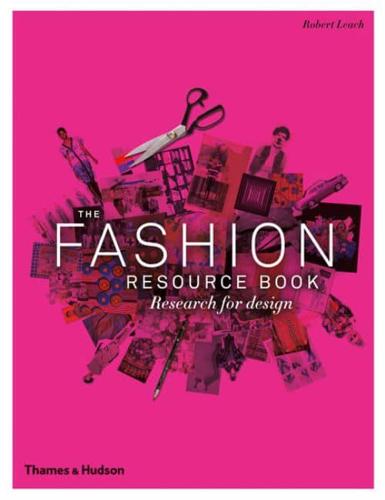
The Fashion Resource Book: Research for Design by Robert Leach
Research forms an important part of developing a fashion collection. Robert Leach introduces ways of gathering visual references, working with source material and turning initial observations into ideas for garments. The book connects research methods with sketchbooks and the wider process of fashion design. Its examples can help sixth-form students organise references, investigate themes and develop a coherent direction for practical work. It is particularly relevant to fashion and textiles courses where students are expected to show how an initial concept develops into a completed design.
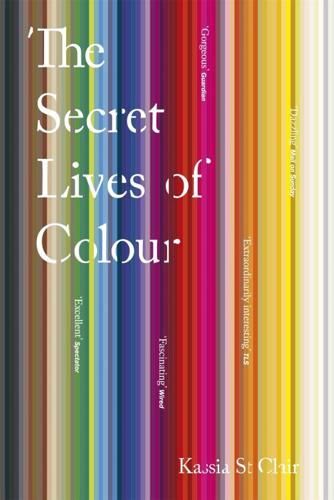
The Secret Lives of Colour by Kassia St Clair
Colour has a history that reaches into fashion, art, manufacturing, politics and everyday life. Kassia St Clair tells the stories behind seventy-five colours, shades and dyes, explaining how their meanings and uses have changed over time. The short chapters connect particular hues with historical events, materials and cultural associations. For sixth-form students studying visual communication, fashion or product design, the book supplies examples of the ways colours carry meaning beyond appearance.
Click the buttons below to purchase all of the books in this design books for children and teens list, as well as class sets of any of these books and many more, from Bookshop.org UK. Or buy 20 selected titles from this list from Amazon – ideal for gifts or your classroom library.
Buy from UK.Bookshop.Org Buy from Amazon.co.uk
Disclosure: If you buy books using the buttons above: we may earn a commission from Bookshop.org, whose fees support independent bookshops; as an Amazon Associate schoolreadinglist.co.uk earns from qualifying purchases.
Schools & teachers: please respect copyright and don’t copy our design books for children and teens list. If you find our book recommendations useful, please consider sharing on social media or linking to this page instead. Thanks.
Design resources for teachers
- The Design Museum provides downloadable lesson plans, exhibition notes, videos and activities for KS2-KS5. Resources explore product design, sustainable packaging, everyday objects and user-centred design. Its interactive Idea Machine generates design briefs to encourage creative thinking and problem-solving.
- The Victoria and Albert Museum’s primary teaching resources include free activities exploring pattern, shape, materials and decorative design. KS1 and KS2 pupils can investigate Islamic geometric patterns, Japanese design, ceramics and objects from the museum’s collections, with downloadable worksheets and practical classroom activities.
- For secondary schools, the V&A’s art and design teaching resources cover graphic communication, typography, illustration, fashion, textiles, ceramics, jewellery and sustainable design. Free downloadable materials for KS3-KS5 also explore inclusive design, digital creativity and the relationship between designers, materials and society.
- The Design and Technology Association offers curriculum planning materials, project ideas and professional guidance for primary and secondary D&T teachers. Resources include Projects on a Page for KS1 and KS2, industry-inspired KS3 activities, GCSE revision materials and classroom health and safety guidance. Some resources require membership or payment.
- STEM Learning’s primary design and technology collections provide activities organised around the National Curriculum. Topics include structures, textiles, mechanical systems, electrical circuits, programming, food technology and sustainable design. Activities encourage pupils to investigate, design, make, test and evaluate products.
- For GCSE teaching, STEM Learning has assembled design and technology resources covering prototyping, materials, manufacturing, mechanisms, electronics and emerging technologies. There are also activities on user-centred design, sustainability, energy generation and applying mathematics to practical design problems.
- The Design Council’s Double Diamond framework explains the four stages of the design process: Discover, Define, Develop and Deliver. Its diagrams and explanations provide a useful starting point for teaching design thinking, identifying users’ needs, developing ideas, creating prototypes and evaluating solutions.
- The Institution of Engineering and Technology offers free primary STEM and D&T lesson plans, worksheets, presentations and classroom challenges. Activities include product design, constructing models, exploring materials and introducing computer-aided design. Resources can be filtered by age, key stage, subject and lesson duration.
- For KS3 and KS4, the IET’s secondary teaching resources feature product design challenges, CAD and 3D printing activities, electronics projects and engineering investigations. Pupils can design futuristic backpacks, model towns and other products while developing sketching, prototyping and evaluation skills.
- The Crafts Council’s primary resources include downloadable creative activities involving collage, sculpture, textiles, tie-dyeing and designing imaginative objects. Its practical tutorials and mood boards help children explore materials, experiment with techniques and develop original ideas through making.
- For older pupils, the Crafts Council’s secondary teaching resources offer lesson plans and activities covering ceramics, material properties, design thinking and creative problem-solving. The Design for Good and Redesign Challenge projects encourage students to rethink everyday objects through sketching, modelling and sustainable design.
- V&A Innovate provides a free design challenge toolkit for Years 7-9, with teacher guidance, practical activities and example session plans. Pupils work collaboratively to investigate real-world problems and develop creative solutions using human-centred and planet-centred design approaches.
- Practical Action’s Design for a Better World is a global design challenge for 11-14 year olds. Free teacher guides, activity sheets, presentations and posters help students investigate problems involving clean water, food security and climate change, then develop design solutions connected to the UN Sustainable Development Goals.
- The Practical Action product evaluation resources include downloadable worksheets, an eco-design web, product lifecycle activities and tools for comparing the environmental impact of designs. Suitable for KS2-KS5, they encourage pupils to consider sustainability, materials, manufacturing and the needs of users when evaluating products.
- The Royal Academy of Engineering provides practical design and engineering challenges developed with teachers and industry professionals. Primary and secondary activities include designing wind turbines, creating recycled structures, building bridges and developing protective devices. Downloadable resources include teacher guidance and Welsh-language versions.
BISAC JNF005000, JNF006030, YAN004000, YAN005030. | Thema YNP, YNPB, YNPJ.