Engineering books for children and teens
Engineering books for children and teens reveal the inventive thinking behind bridges, buildings, robots, machines and everyday objects. Younger children can meet determined inventors through picture books and investigate how things are built, while older readers discover practical projects, engineering careers and technological challenges. The teenage choices include robotics fiction and accounts of young coders; the sixth-form selection introduces materials science, structural design and precision manufacturing. This list features books by Andrea Beaty, Pip Jones, Shini Somara, Roma Agrawal, Kate Peridot, Alexene Farol Follmuth, Sandhya Menon, Brittney Morris, Mark Miodownik, and Simon Winchester.
Engineering books for children and teens – our recommendations
Engineering picture books for 3-7 year olds
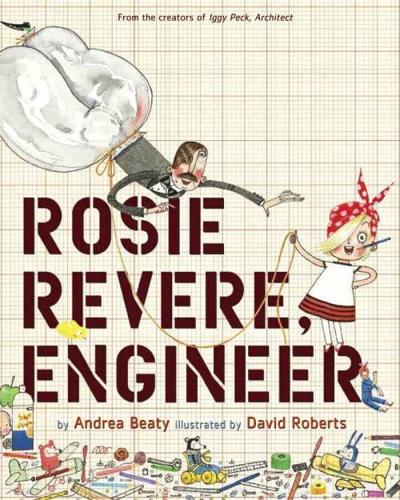
Rosie Revere, Engineer by Andrea Beaty, illustrated by David Roberts
Rosie spends her evenings inventing remarkable contraptions from the objects she finds around her. She has plenty of ideas, but worries about showing people what she has made. A visit from her great-great-aunt Rose gives her a fresh perspective on experiments that go wrong. Told in lively rhyme, this picture book for 5+ year olds turns engineering into a story about imagination, persistence and discovering what can be learned from an unsuccessful attempt.
Beacons of Light: A Journey Through the World of Lighthouses by Gemma Koomen
From early fires on shorelines to powerful modern lamps, lighthouses are explored through their design, purpose and place in human history. In this stunning narrative non-fiction large-format hardback, 4-8-year-olds can learn how these coastal towers have helped travellers to find safety, with accessible examples from around the world and Gemma Koomen’s fascinatingly detailed illustrations bringing architecture, engineering and seafaring history into a gloriously enticing and colourful format. It’s an outstanding book for KS1 and KS2 school libraries.

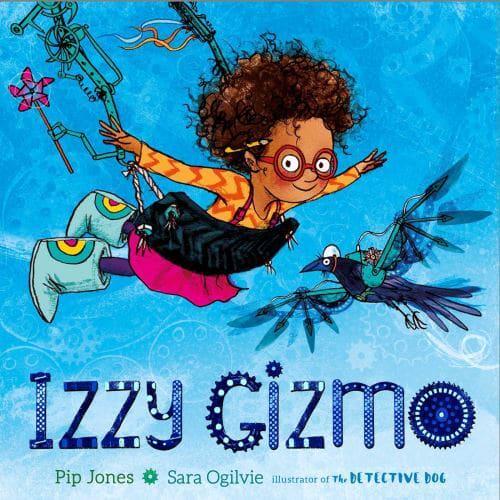
Izzy Gizmo by Pip Jones, illustrated by Sara Ogilvie
Izzy carries her tools everywhere because she never knows when something might need mending or improving. Her inventive mind is constantly at work, even when her creations behave in unexpected ways. When she encounters a crow with an injured wing, she faces a particularly important engineering challenge. Pip Jones tells the story in energetic rhyme, accompanied by Sara Ogilvie’s exuberant illustrations of machines, spare parts and imaginative inventions. This picture book for 3+ year olds makes an inviting introduction to testing ideas and solving problems.
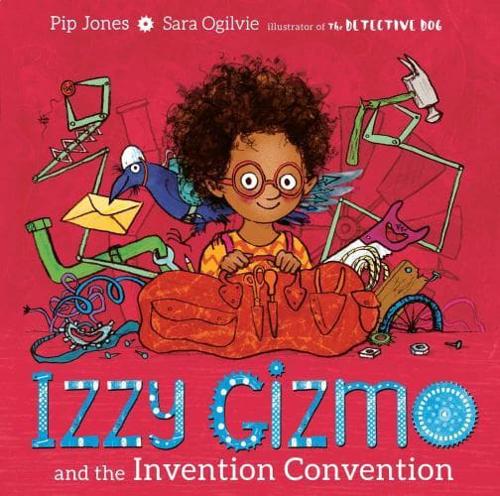
Izzy Gizmo and the Invention Convention by Pip Jones, illustrated by Sara Ogilvie
Izzy returns with her crow companion Fixer for another adventure in invention. This time, an invention convention gives her the opportunity to put her engineering abilities to the test. Working on a machine that makes use of recycled materials and natural energy, she has to think carefully about the design and purpose of her creation. Sara Ogilvie’s detailed illustrations capture the excitement of the workshop and the competition. The story introduces 5-8 year olds to creative reuse, experimentation and developing a design through repeated attempts.
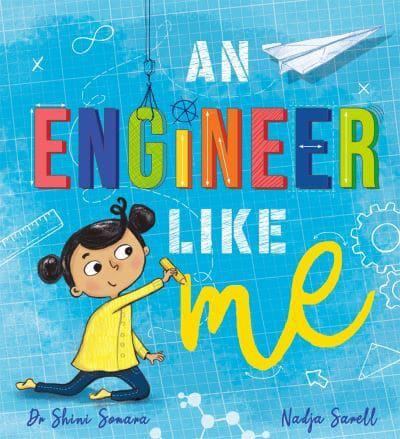
An Engineer Like Me by Shini Somara, illustrated by Nadja Sarell
Zara is fascinated by how things work, and a day out with her grandmother introduces her to the engineering that makes exciting experiences possible. Aeroplanes and rollercoasters become starting points for questions about design, forces and construction. Written by engineer and science communicator Shini Somara, this illustrated story for 6+ year olds also includes simple practical activities, including a paper aeroplane challenge and an egg-drop experiment.
SuperQuesters Mission: Rainforest Magic by Paul Ian Cross
Lilli, Leo and Bea return to Questland, this time discovering superhero powers rooted in science and engineering. With Jamac the jaguar at their side, they set out to find rainforest plants that might heal a sick capybara. The STEM adventure blends puzzles, problem solving and scientific twists, while extra activities like making a vibrobot or playing with light refraction bring the story into real life. It’s a winning formula of fun facts and fiction that’s perfect for KS1 and LKS2 classrooms.

Zaha Hadid by Maria Isabel Sánchez Vegara, illustrated by Asun Amar
The extraordinary architectural career of Zaha Hadid begins with her childhood in Baghdad, where she develops a fascination with design. As she grows up, her ambitious ideas lead to buildings distinguished by flowing shapes and striking structures. This illustrated biography introduces children to an influential Iraqi-British architect whose work includes the London Aquatics Centre. Alongside the accessible life story are additional facts, historical photographs and a timeline.

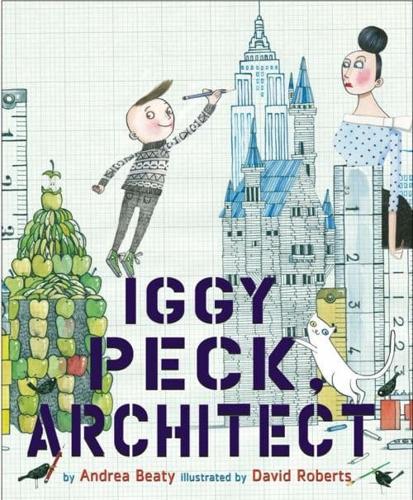
Iggy Peck, Architect by Andrea Beaty, illustrated by David Roberts
Iggy has been designing and building structures for as long as he can remember. His enthusiasm for architecture makes itself known through the unusual materials he finds for his creations. At school, however, his teacher has very different ideas about the subject. When a class outing presents an unexpected challenge, Iggy’s talent for constructing things becomes especially valuable. Andrea Beaty’s rhyming story celebrates ingenuity and thinking in three dimensions, while David Roberts illustrates an entertaining array of structures. It also introduces questions about building materials, stability and teamwork.
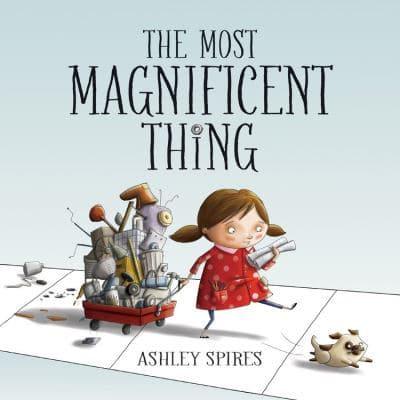
The Most Magnificent Thing by Ashley Spires
A young inventor has a brilliant idea and sets out to make the most magnificent thing imaginable, assisted by her dog. Gathering materials, assembling parts and trying different approaches proves to be quite an undertaking. As her invention develops, so do her feelings about the work, and a walk with her companion provides a welcome change of perspective. Ashley Spires uses expressive pictures and humour to capture the creative process. The story invites discussions about prototypes, alterations and the importance of continuing to experiment when the result differs from the original plan.
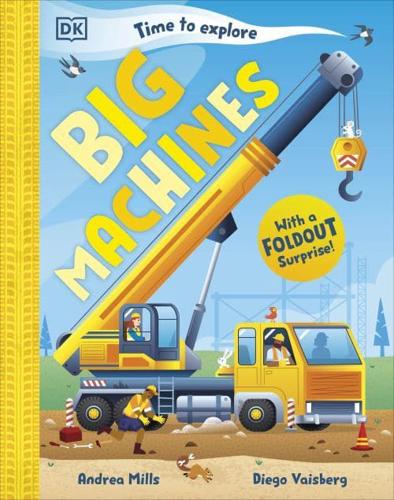
Time to Explore Big Machines: With a Foldout Surprise! by Andrea Mills, illustrated by Diego Vaisberg
A busy construction site provides the setting for this brightly illustrated introduction to large engineering machines. Children encounter bulldozers, cranes, excavators and concrete mixers as workers prepare the ground and assemble a new building. Each machine has a distinct job, helping 3-5 year olds understand how different pieces of equipment contribute to a construction project. The story progresses towards an extended foldout showing the completed building and its surroundings. This offers a natural opportunity to talk about construction sequences, teamwork and the machinery used on building sites.
Engineering books for children aged 7-12
EUREK-HER! Stories of Inspirational Women in STEM by Frances Durkin
EUREK-HER! Stories of Inspirational Women in STEM by Frances Durkin showcases 20 stories of women who have made significant contributions to science, technology, engineering, and maths. Aimed at children aged 8+, the book spans historical to contemporary figures and includes 12 hands-on STEM activities. It’s an educational resource that combines biography with practical learning, making it ideal for KS2 classroom libraries. Highly recommended.

How Was That Built? by Roma Agrawal, illustrated by Katie Hickey
Structural engineer Roma Agrawal explains the astonishing engineering behind buildings and infrastructure from different periods of history. Famous examples include bridges, tunnels, towers and other ambitious construction projects. Katie Hickey’s illustrations help uncover the principles behind the finished structures, including the forces and materials engineers must consider. Alongside the accounts of major achievements are explanations of engineering problems and practical experiments. This richly illustrated book introduces 8+ year olds to the ingenuity involved in building structures that can carry weight, withstand forces and serve communities.

How to Build a Chocolate Bridge by Roma Agrawal, illustrated by Robert Sae-Heng
Seven fun build projects, including a chocolate bridge, pasta tower and meringue rocket, use everyday foods and materials to introduce 7+ year olds to science and engineering through exciting practical tasks. Each activity links the build to ideas used in real-life structures and inventions. Concise, punchy illustrated sections also explore the lives of scientists and engineers who test materials and methods through experiment. Highly recommended for KS2 classrooms.

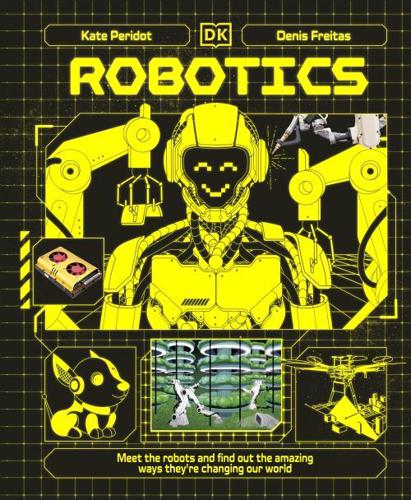
Robotics by Kate Peridot, illustrated by Denis Freitas
Robots are used in an extraordinary range of places, and this illustrated guide introduces the machines and the missions they perform. Children can discover how robotic technology contributes to exploration, industry, healthcare and everyday life. The text examines the jobs robots undertake and the engineering ideas that make these tasks possible. Denis Freitas’s artwork helps explain unfamiliar technology and provides a close look at different robotic designs. For children curious about automation and intelligent machines, the book opens up discussions about sensors, programming and how engineers develop tools for particular purposes.
How to Be Good at Science, Technology, and Engineering by DK
Colourful diagrams, explanations and worked examples bring together scientific knowledge and the technologies that depend on it. Topics include forces, energy, electricity, materials and the operation of familiar machines. The book connects underlying scientific principles with the engineering decisions involved in making useful objects and systems. Photographs and illustrations break larger ideas into manageable stages, while practical examples encourage readers to apply what they have learned. This substantial reference book for 9-12 year olds can support independent investigation, homework and classroom discussions about the relationship between science and engineering.
Kid Engineer: Working with Buildings and Structures by Izzi Howell
Why do buildings stay standing, and how can a bridge support a heavy load? This illustrated introduction examines the forces acting on structures and the engineering decisions that help keep them stable. Different bridge designs and famous buildings provide examples of the principles in action. Step-by-step practical activities encourage children to investigate construction problems themselves. Written for 9+ year olds, the book connects familiar landmarks with ideas about balance, strength, materials and design, making it useful for classroom construction challenges and design and technology projects.
Cool Engineering by Jenny Jacoby and Jem Venn
There’s a massive amount of information crammed into this large pocket sized hardback. Covering the history of engineering, real world constructions, great inventions, projects to try at home, places to look out for and thoughts for the future; this is a cracking book for any STEM minded child to carry around and peruse. Highly recommended to spark inspiration and inquiry in KS2 children.
Kid Engineer: Working with Materials by Sonya Newland
Choosing the right material is central to every engineering project. Sonya Newland introduces the properties that make different materials useful and considers how engineers put them to work. Children are encouraged to look closely at the objects around them and ask why they are made from particular substances. The explanations are accompanied by illustrations and straightforward practical activities that bring material properties into focus. This guide for 8+ year olds makes a helpful companion to investigations involving strength, flexibility, construction and the testing of design ideas.
Kid Engineer: Working with Machines by Sonya Newland
Some of the most complicated machines depend on a handful of simple mechanical principles. Levers, pulleys, wheels, inclined planes, wedges and screws are introduced through clear explanations of how they work. Children can see how these mechanisms form the basis of inventions that make moving, lifting and constructing things possible. Practical activities offer ways to investigate the ideas using everyday materials. This illustrated engineering book for 8+ year olds is particularly relevant to design and technology lessons about mechanisms, mechanical advantage and making working models.
Train Your Brain: Think Like an Engineer by Alex Woolf, illustrated by David Broadbent
Engineering begins with noticing a problem and working towards a solution. Alex Woolf introduces the habits of thought engineers use, from questioning assumptions to investigating possibilities and improving designs. Illustrated explanations, puzzles and challenges invite children to practise their own problem-solving skills. The book also introduces people whose engineering work has made a difference. David Broadbent’s drawings add humour and help make the activities inviting. For 8+ year olds, it encourages an inventive approach to familiar objects and the practical challenges encountered in everyday life.
Engineering for Curious Kids by Chris Oxlade, illustrated by Alex Foster
From skyscrapers and tunnels to aeroplanes and electrical systems, this illustrated introduction shows how engineering shapes the world. Chris Oxlade explains several branches of the profession, including civil, mechanical, electrical and chemical engineering. Readers discover some of the inventions and important figures in engineering history, alongside modern examples of the work engineers do. Large illustrations and diagrams help make technical ideas approachable. The book gives 8-12 year olds a broad view of engineering careers and the combination of science, design and creativity involved in major projects.
Paper World: Human Body by Ruth Symons and Gail Armstrong
Using amazing paper engineering, children can open flaps and peer inside the brain, ears, heart and lungs, reproductive system and much more. With high-quality text and 40 flaps and die cuts to explore, ‘Human Body’ is an outstanding publication. Literally lift the lid on the human body with this unique large format full-colour hardback masterpiece that will make an excellent gift for 8-12-year-olds, a standout topic book, or a highlight for your KS2 school library.

Engineering books for teens aged 13+
Engineers Making a Difference by Shini Somara, illustrated by Manual Šumberac and Adam Allsuch Boardman
Celebrating engineering, this cracking hardback introduces 12+-year-old readers to 46 fascinating engineers at different points in their careers. As part of a collaboration with the publisher, What On Earth Books and the Gatsby Charitable Foundation, Imperial College, London will be sending two free copies to every UK state secondary school. With bold graphics, bright engaging colours and an accessible style with text broken into bite-sized chunks. Packed with information, fact files and QR codes leading to further learning. this books is a magnificent achievement. Highly recommended.

Engineering for Teens: A Beginner’s Book for Aspiring Engineers by Pamela McCauley
Pamela McCauley introduces teenagers to the scope of engineering and the work involved in solving practical problems. Different branches of the subject are explained through everyday applications, showing the connections between mathematics, science, design and technology. The book looks at what engineers do and introduces the kinds of questions they investigate when developing a product or system. Clear explanations provide a starting point for teenagers considering engineering as a subject or career. It can also support discussions about future qualifications and the skills involved in technical professions.
My Mechanical Romance by Alexene Farol Follmuth
Bel discovers that she has a talent for engineering when her abilities bring her to the attention of her school’s robotics club. There she meets Mateo Luna, a high-achieving student who takes competitive robot building very seriously. As the team works on its designs, Bel has to find her place in a demanding environment and decide what she wants from her future. Robotics competitions, mechanical creativity and the pressures of school life sit alongside a developing romance. This contemporary YA novel puts girls’ participation in engineering at the centre of its story.
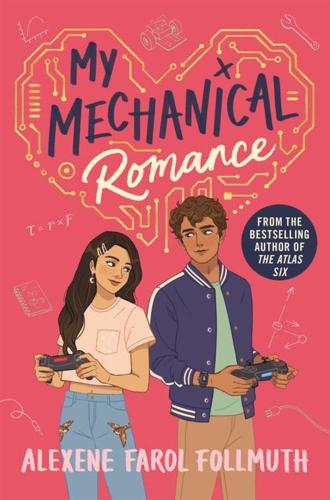
Girl Code: Gaming, Going Viral, and Getting It Done by Andrea Gonzales and Sophie Houser
Andrea Gonzales and Sophie Houser recount how they met through a Girls Who Code summer programme and created a video game called Tampon Run. Their project drew attention far beyond the classroom, taking the two teenagers into conversations about programming, technology and attitudes towards menstruation. Written from their own experiences, the book brings together a real coding project, friendship and the challenges of presenting an idea to a wider audience. Additional material introduces ways to begin coding, connecting their personal story to practical opportunities for teenagers interested in software development.
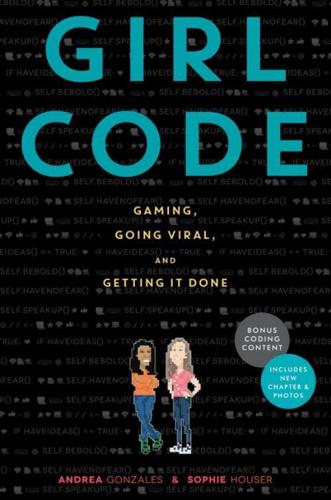
Girls Garage: How to Use Any Tool, Tackle Any Project, and Build the World You Want to See by Emily Pilloton, illustrated by Kate Bingaman-Burt
Building something useful begins with understanding tools, materials and safe working methods. Emily Pilloton introduces practical construction skills through illustrated tool guides, projects and examples of work carried out by girls and women. The book includes guidance on using equipment, planning projects and making objects such as furniture and other useful structures. Stories from real builders provide encouragement and context. Ideal for 14+ year olds, this hands-on guide combines making, construction and design with an emphasis on developing the confidence to tackle physical projects.
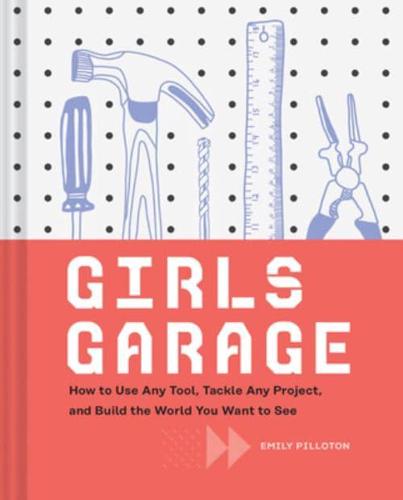
When Dimple Met Rishi by Sandhya Menon
Dimple Shah has her sights set on a summer programme for aspiring web developers, where she hopes to work on an app and develop her technical abilities. Her plans become more complicated when she meets Rishi Patel, whose family connections and expectations introduce a different possibility for their future. Coding, creativity and the ambitions of two young Indian-American characters form an important part of this romantic comedy. The novel combines a technology-focused summer programme with questions about family, independence and deciding which opportunities to pursue.

SLAY by Brittney Morris
Teenage programmer Kiera Johnson has created SLAY, an online role-playing card game that celebrates Black culture and offers players a distinctive virtual community. She keeps her identity as its developer private, but the game attracts intense attention following a tragic incident connected to a player. Kiera must consider the future of her creation and the people who have made it important to them. This YA novel places game development, online communities and digital identity at the heart of the action. It encourages discussion about designing technology and the responsibilities that accompany running an online platform.

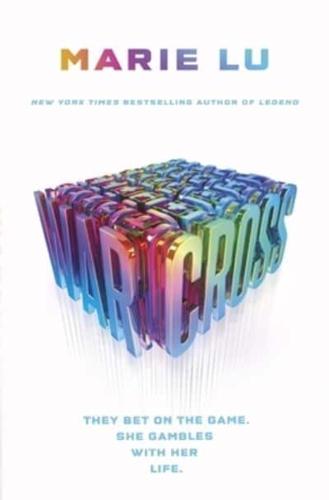
Warcross by Marie Lu
Emika Chen earns money as a bounty hunter and has a remarkable ability to navigate the digital world surrounding Warcross, a hugely popular virtual-reality game. After an unexpected incident during a major competition, she finds herself drawn into the game’s inner workings. The resulting adventure takes her to Tokyo, where sophisticated technology and hidden threats are closely connected. This fast-moving YA science-fiction thriller centres on hacking, virtual environments and the people who create and control them. It opens up conversations about software security, immersive technology and the consequences of powerful digital systems.
Engineering books for sixth formers aged 16+
Engineering: A Very Short Introduction by David Blockley
What distinguishes engineering from science, and how do engineers transform ideas into working structures and systems? David Blockley examines the principles, practices and judgements involved in the profession. The discussion connects technical knowledge with risk, responsibility and the ways engineering affects society. Historical examples help explain how the field has developed, while familiar structures show why good engineering requires an understanding of the whole problem. This concise introduction is a useful starting point for sixth-formers considering engineering at university or exploring the subject beyond their school courses.
Structural Engineering: A Very Short Introduction by David Blockley
Bridges, buildings and other structures must resist forces while remaining useful, economical and safe. David Blockley introduces the reasoning behind their design and explains how structural engineers approach questions of strength, stability and performance. Real-world examples demonstrate the importance of understanding how different parts of a structure work together. The book also considers the professional decisions involved in designing and maintaining the built environment. Sixth-form students interested in civil engineering, architecture or applied mathematics will find an introduction to the principles behind ambitious construction projects.
Structures: Or Why Things Don’t Fall Down by J. E. Gordon
J. E. Gordon explains the physical principles that allow buildings, bridges and manufactured objects to withstand the loads placed upon them. Drawing on engineering history and everyday examples, he investigates why some structures remain stable and how materials behave under different stresses. The conversational style makes substantial technical ideas approachable, introducing elasticity, compression, tension and structural failure through memorable cases. For sixth-formers planning to study engineering, physics or materials science, this classic provides an opportunity to connect classroom concepts with the practical behaviour of real structures.
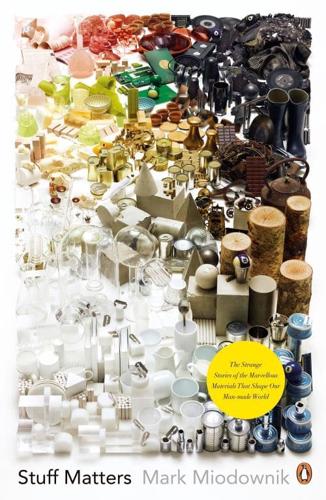
Stuff Matters: The Strange Stories of the Marvellous Materials that Shape Our Man-made World by Mark Miodownik
Materials scientist Mark Miodownik investigates the substances that shape modern life and explains how their microscopic structures give rise to remarkable physical properties. Steel, glass, paper, concrete, ceramics and plastics all reveal stories about invention, manufacture and human ingenuity. Familiar objects provide starting points for explanations of why materials behave as they do and how engineers choose them for particular purposes. The book connects chemistry and physics with design and manufacturing, offering sixth-formers an absorbing introduction to materials science and the engineering decisions behind ordinary objects.
The Design of Everyday Things by Don Norman
From door handles to household equipment, the objects people use reveal how design decisions influence their experiences. Don Norman investigates why some products communicate their purpose immediately and how better design can help people understand what actions to take. Concepts such as feedback, affordances and human-centred design are explained through everyday examples. The book brings psychology together with the practical concerns of designing useful technology. It is especially relevant to sixth-formers interested in product engineering, industrial design, technology development and the relationship between people and the objects they use.
Exactly: How Precision Engineers Created the Modern World by Simon Winchester
Simon Winchester traces the development of precision engineering and its extraordinary influence on manufacturing, transport and modern technology. Beginning with the increasing importance of accurate measurements and finely made components, the narrative introduces the people and machines that transformed industrial production. Historical episodes reveal how engineers achieved ever tighter tolerances and why accurate manufacturing became essential to technological progress. This substantial account of engineering history connects inventions with the production methods that made them possible. It offers sixth-formers a broader perspective on precision, measurement and mechanical innovation.
Engineering in Plain Sight: An Illustrated Field Guide to the Constructed Environment by Grady Hillhouse
Roads, electrical networks, water systems and other elements of public infrastructure contain engineering that many people pass without noticing. Grady Hillhouse takes readers through the constructed environment, explaining the purposes of its visible features and the systems behind them. Detailed illustrations identify components and show how different parts of infrastructure work together. Everyday surroundings become examples of civil, electrical and mechanical engineering. This visual field guide encourages sixth-formers to examine streets, transport networks and public utilities with greater technical curiosity, connecting abstract principles to the built world around them.
Built: The Hidden Stories Behind Our Structures by Roma Agrawal
Structural engineer Roma Agrawal reveals the ideas and people behind some of the world’s most ambitious buildings and engineering projects. Drawing on her professional experience, she examines the challenges involved in creating structures and the innovations that have changed construction over time. The stories connect technical principles with the human decisions that shape the built environment. Readers encounter questions of foundations, materials, forces and design through memorable examples. This adult crossover book offers sixth-formers a substantial introduction to structural engineering and the creative thinking behind major construction achievements.
Click the buttons below to purchase all of the books in this list of engineering books for children and teens, as well as class sets of any of these books and many more, from Bookshop.org UK. Or buy 20 selected titles from this list from Amazon – ideal for gifts or your classroom library.
Buy from UK.Bookshop.Org Buy from Amazon.co.ukDisclosure: If you buy books using the buttons above: we may earn a commission from Bookshop.org, whose fees support independent bookshops; as an Amazon Associate schoolreadinglist.co.uk earns from qualifying purchases.
Schools & teachers: please respect copyright and don’t copy our engineering books for children and teens list. If you find our book recommendations useful, please consider sharing on social media or linking to this page instead. Thanks.
Engineering resources for teachers
- The Institution of Engineering and Technology (IET) provides free primary STEM teaching resources, including lesson plans, activity sheets, videos and practical engineering challenges. Topics include electrical circuits, structures, forces, materials and product design, with activities suitable for science, computing, design and technology lessons and STEM clubs.
- For secondary schools, the IET’s teaching resources include hundreds of free activities covering electronics, mechanical engineering, energy, robotics, computer-aided design and sustainable technology. Teachers can filter resources by key stage, subject and lesson duration, with supporting worksheets, presentations and classroom instructions.
- IET Faraday DIY Challenge Days provide free downloadable materials for running engineering projects in schools. Challenges include designing solutions for flood defence, emergency communications, transport and space exploration. Teacher packs, editable student booklets, presentations and films support collaborative problem-solving and practical design work.
- STEM Learning’s engineering resources for primary schools bring together investigations, lesson ideas and practical activities involving renewable energy, structures, transport, space exploration and engineering design. The collection also includes engineering activities inspired by traditional stories, making it useful for linking science, mathematics and design and technology with literacy.
- The Royal Academy of Engineering offers a collection of ten industry-inspired engineering challenges developed with engineers and teachers in Wales. These primary and secondary activities explore topics including digital forensics, manufacturing, electronic technology and sustainable design, supported by downloadable teacher guidance in English and Welsh.
- The Royal Academy of Engineering’s Engineering Habits of Mind research provides guidance on developing engineering thinking in schools. Its reports explore creative problem-solving, systems thinking, visualisation, adapting and improving, with approaches teachers can use to encourage children to work through authentic engineering problems.
- The James Dyson Foundation’s Engineering Challenge Cards offer 40 hands-on science and engineering activities using everyday materials. Pupils can build spaghetti bridges, balloon-powered cars, marble runs, cardboard boats and periscopes while investigating structures, motion, forces and the engineering design process. Free downloadable instructions and supporting videos are available.
- The James Dyson Foundation’s secondary school resources include engineering lesson plans, design and technology projects, videos and activities based on real-world problems. Topics include product development, air pollution and how engineers investigate and improve everyday technology. Schools can also request engineering resource boxes, subject to availability.
- Practical Action provides free STEM teaching resources connecting engineering with challenges faced by communities around the world. Activities include designing flood-resistant houses, constructing wind turbines, developing water filters and investigating renewable energy. Downloadable teacher guides, presentations, worksheets and posters support projects for primary and secondary pupils.
- Engineers Without Borders UK, through STEM Learning, offers classroom resources exploring how engineering can address problems including water scarcity, inadequate shelter and access to essential infrastructure. Age-specific activities for primary and secondary pupils combine presentations, discussion, practical challenges and teacher guidance to encourage ethical thinking and problem-solving.
- The British Science Association’s CREST Awards resources include free project materials for secondary schools covering engineering, robotics, computing, materials and environmental technology. Bronze, Silver and Gold projects encourage pupils to investigate problems, design solutions, test prototypes and evaluate their findings. Resources can be used independently of formal award registration.
- Primary Engineer runs the free national ‘If you were an engineer, what would you do?’ competition for pupils aged 3-19. Teaching resources help children interview engineers, identify everyday problems and develop their own inventions. The programme combines creative writing, drawing, problem-solving and careers education, with curriculum-linked materials available to participating schools.
- The Institution of Civil Engineers provides educational resources introducing pupils to bridges, buildings, transport networks, infrastructure and the work of civil engineers. Its teaching materials and careers information support lessons exploring construction, structural design, sustainability and the engineering challenges involved in shaping towns and cities.
- Network Rail’s educational resources introduce primary and secondary pupils to railway engineering through STEM activities, problem-solving challenges and careers information. Tasks include designing railway connections, investigating how technology supports transport networks and considering environmental issues affecting the railways.
- EngineeringUK’s Neon careers resources, available through STEM Learning, include posters, presentations, videos and information sheets introducing young people to engineering careers. The collection explores the work of professional engineers, the different branches of engineering and routes into employment, including apprenticeships and higher education.
- The Science Museum Group’s design and technology resources include downloadable activity trails, gallery guides, videos and object-based investigations for KS2 and KS3 pupils. Activities encourage children to examine inventions, consider how technology solves problems and explore the contribution of engineers and technicians to everyday life.
- STEM Learning’s STEM Ambassadors programme helps schools connect with volunteer engineers, scientists and technology professionals. Teachers can request careers talks, practical demonstrations, STEM club support and other enrichment activities, giving pupils opportunities to meet engineers and discover how classroom subjects are applied in industry.
- The Smallpeice Trust organises practical engineering activities for secondary schools, including STEM challenge days, coding projects and engineering competitions. Its programmes encourage teamwork, experimentation and creative design while introducing pupils to engineering disciplines and potential careers. Availability and funding arrangements vary between activities.
BISAC JNF061000, JNF061010, TEC009000. | Thema YNTD, YNTP, TBC.