Dark academia stories for teens and sixth-formers
Dark academia books bring together elite schools, universities, secret societies, scholarship, rivalry, mystery and Gothic atmosphere. The YA titles below focus on teenage protagonists navigating boarding schools, magical colleges and high-pressure academic worlds, while the sixth-form section adds adult crossover fiction set around universities, archives and scholarly circles. Together they offer plenty of material for discussing ambition, belonging, privilege, power and the darker side of intellectual obsession. This list features books by Donna Tartt, R.F. Kuang, Leigh Bardugo, Faridah Àbíké-Íyímídé, Olivie Blake, Mona Awad, Alex Michaelides, Ryan Douglass, Tigest Girma, and Ava Reid.
Dark academia stories for teens and sixth-formers – our recommendations
Dark academia stories for teens aged 13+
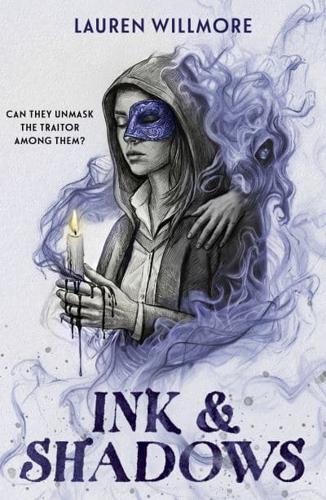
Ink and Shadows by Lauren Willmore
At St Augustine’s University, an elite education is only the beginning. A select group of students is invited into the secretive Society of Ink and Shadows, where members practise occult arts away from the rest of the campus. Eve is delighted to be accepted after struggling to fit into university life, but an attack on another member is followed by increasingly deadly incidents. This gripping dark academia thriller for 16+ year olds follows Eve as she tries to identify the killer while questioning how far she can trust her new friends.
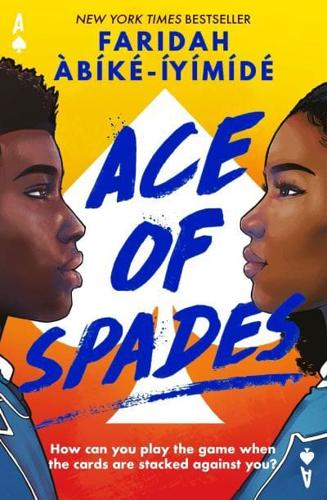
Ace of Spades by Faridah Àbíké-Íyímídé
At Niveus Private Academy, talented musician Devon and ambitious head girl Chiamaka become the targets of an anonymous texter called Aces, who begins exposing secrets that could destroy both of them. The mystery grows into a sharp examination of privilege, institutional racism and the pressures surrounding success at an elite school. This pulsating thriller for 14+ year olds combines boarding-school intrigue, social tension and a steadily escalating threat, making its dark academic setting central to both the suspense and the questions the novel asks.
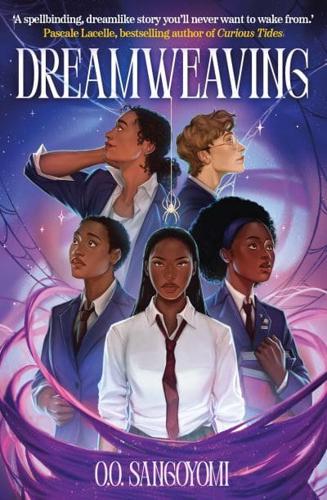
Dreamweaving by O. O. Sangoyomi
Magic runs in Deja Freeman’s family, yet she has always been told she can never become a weaver. At Tanglewood Preparatory School, she meets ambitious Tóbi Ẹkúndayọ̀, who is campaigning to become junior class president while facing the institution’s prejudice. When the girls begin sharing disturbing dreams, they uncover links between a series of deaths and the disappearance of the school’s first Black female student. Combining boarding-school mystery, witchcraft and dark academia, this deliciously dark fantasy is perfect for 14+ year olds.
Where Sleeping Girls Lie by Faridah Àbíké-Íyímídé
Sade Hussein arrives at the prestigious Alfred Nobel Academy expecting an unfamiliar new school, then her roommate Elizabeth disappears on the first night. Suspicion quickly gathers around Sade, while the school’s traditions, rumours and tightly guarded loyalties make it difficult to know whom she can trust. This stunning dark academia mystery for 14+ year olds uses the closed world of a boarding school to explore friendship, secrecy, status and the consequences of silence, with a disappearance at the centre of an increasingly unsettling investigation.

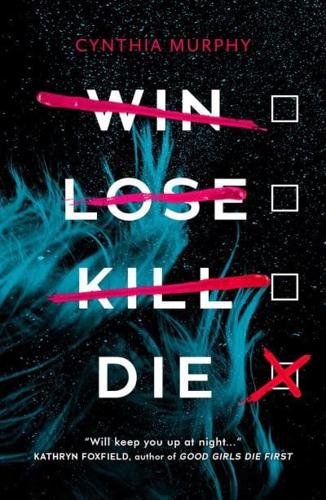
Win Lose Kill Die by Cynthia Murphy
At elite Morton Academy, academic rank means everything, and the school’s brightest pupils begin dying just as places at the top are being decided. Told through Liz’s final year after a fatal boating accident, this stunning dark academia mystery combines secret societies, ruthless ambition and a killer determined to remove the competition.
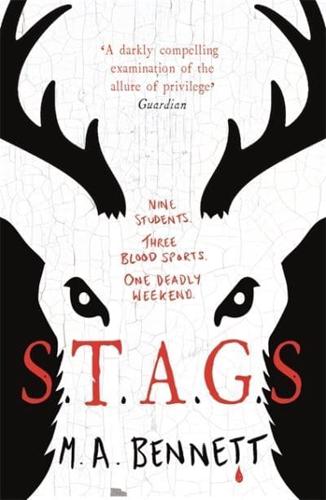
STAGS by M. A. Bennett
Greer MacDonald is finding it difficult to settle into sixth form at the exclusive St Aidan the Great boarding school when she receives an invitation to spend half term at Longcross Hall. The weekend promises hunting, shooting and fishing with wealthy, popular Henry de Warlencourt and a select group of pupils. As the blood sports take a darker turn, Greer realises that the outsiders from school may be the real quarry. M. A. Bennett deftly turns privilege, tradition and social exclusion into the machinery of a tense boarding-school thriller.
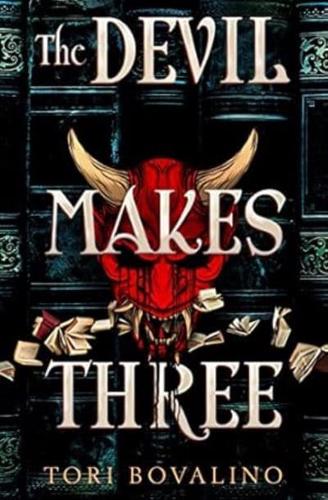
The Devil Makes Three by Tori Bovalino
Tess and Eliot discover an ancient book hidden in a secret tunnel beneath their school library and accidentally release a devil from its pages. The creature can manipulate the ink in the library’s books and begins forcing its influence into their lives, turning a place of study into the heart of the horror. Tori Bovalino’s blockbuster novel blends dark academia with occult fantasy, school-library atmosphere and a steadily escalating supernatural threat, making books, scholarship and the physical space of the stacks central to the story rather than decorative background.
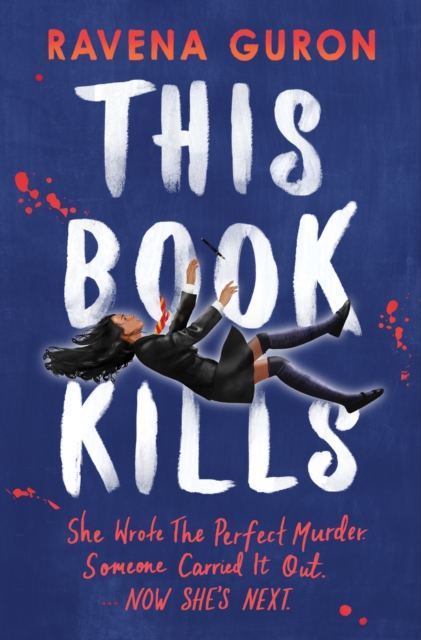
This Book Kills by Ravena Guron
Jess Choudhary is determined to protect her scholarship and keep out of trouble, but everything changes when wealthy classmate Hugh Henry Van Boren is found dead. The killing mirrors a murder in a short story Jess wrote, and an anonymous message thanks her for the inspiration. This shadowy boarding-school mystery for 14+ year olds gives its amateur sleuth an uncomfortable connection to the crime from the outset. Ravena Guron combines academic privilege, friendship, secrets and sharp social observation with a tightly structured whodunnit premise.
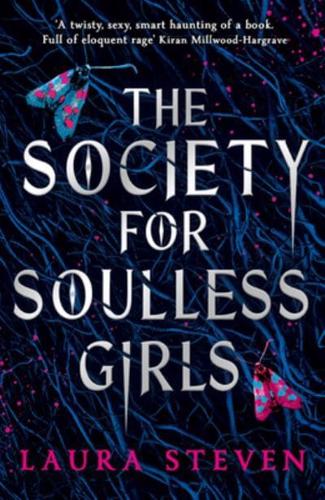
The Society for Soulless Girls by Laura Steven
Carvell College of Arts reopens ten years after the North Tower murders forced it to close. New student Lottie arrives determined to understand what happened, while her roommate Alice discovers a sinister soul-splitting ritual hidden in the college’s haunted library. A new death brings the past sharply back into focus. Mixing supernatural horror, mystery and romance, this memorable dark academia novel for 14+ year olds raises questions about ambition, identity and friendship inside an atmospheric campus shaped by old secrets and unsettling rituals.
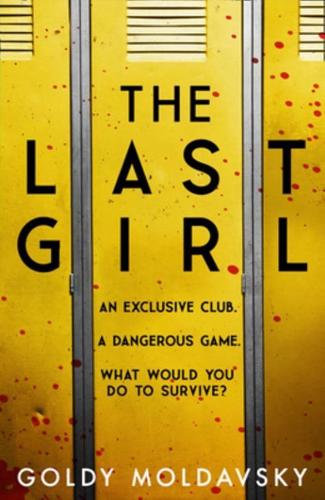
The Last Girl by Goldy Moldavsky
Rachel Chavez wants a fresh start at her elite New York high school, where she is invited to join the Mary Shelley Club, a secret society obsessed with horror films and urban legends. Its members stage elaborate “Fear Tests” designed to terrify unsuspecting students, but the game becomes increasingly dangerous as a masked figure enters the picture. This tautly written thriller for 14+ year olds uses horror fandom, secret-club rituals and school hierarchy to build a fast-moving mystery about fear, belonging and how far people will go for a scare.
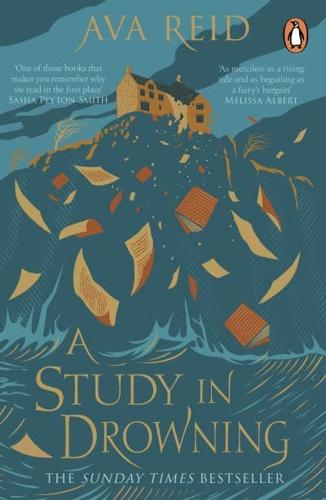
A Study in Drowning by Ava Reid
Effy Sayre finds refuge in the work of the late author Emrys Myrddin, so a competition to redesign his crumbling family home feels impossible to resist. At Hiraeth Manor, she meets literature scholar Preston Héloury, who is investigating Myrddin’s papers and questioning the author’s reputation. Their research through letters, books and diaries draws them towards buried truths and supernatural danger. Gothic architecture, literary scholarship, myth and the politics of storytelling give this dark academic fantasy its distinctive atmosphere.
*
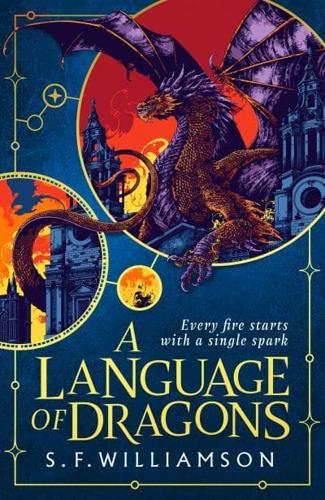
A Language of Dragons by S. F. Williamson
Set in an alternate 1923, A Language of Dragons follows Vivien Featherswallow, an aspiring dragon-language translator recruited as a codebreaker at Bletchley Park. With her family’s safety at risk, Viv must crack a secret dragon language to survive. A mix of Dark Academia and fantasy, the book weaves themes of class, betrayal, and identity. As Viv uncovers the dragons’ secrets, she faces a choice: where do her true loyalties lie in a world teetering on the edge of civil war?
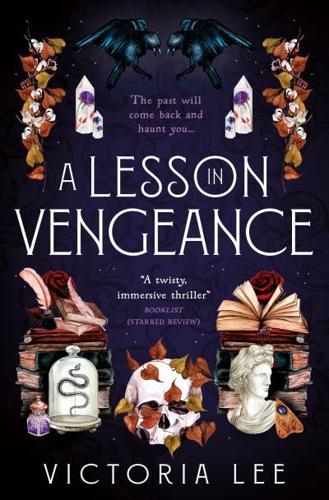
A Lesson in Vengeance by Victoria Lee
Felicity Morrow returns to Dalloway School after a year away, carrying grief and memories of the occult history that once fascinated her. Godwin House is linked to the Dalloway Five, students rumoured to have been witches, and new pupil Ellis Haley wants Felicity’s help researching them for a novel. For 14+ year olds, this cracking Gothic thriller brings together an ivy-covered boarding school, literary ambition, witchcraft and a dangerous fascination with the past as the pair dig deeper into Dalloway’s legends.
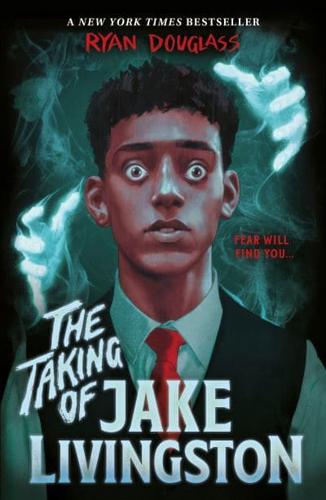
The Taking of Jake Livingston by Ryan Douglass
Sixteen-year-old Jake Livingston is one of the few Black students at St Clair Prep, where school pressures sit alongside a secret he cannot escape: he can see the dead. Most ghosts remain caught in harmless loops, but Sawyer Doon is different, powerful and intent on reaching Jake. This atmospheric supernatural thriller for 14+ year olds blends school tension with horror, prejudice, isolation and the possibility of connection, giving the familiar academic setting a chilling second world that only Jake can fully see.
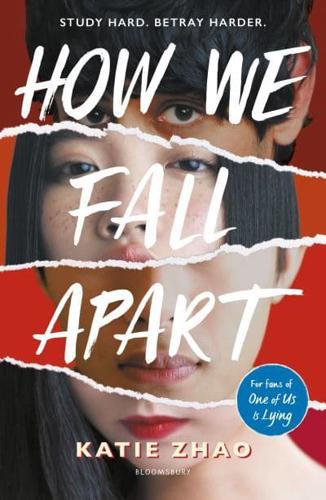
How We Fall Apart by Katie Zhao
At Sinclair Prep, scholarship student Nancy Luo is pulled into a murder investigation when her former best friend, top-ranked Jamie Ruan, is found dead. An anonymous figure known as the Proctor starts publishing accusations about Nancy and her friends Krystal, Akil and Alexander, threatening their secrets and futures. This page-turning academic thriller for 13+ year olds turns grades, status, family expectations and competition into part of the suspense, with the school’s relentless pressure shaping both the mystery and the friendships under strain.
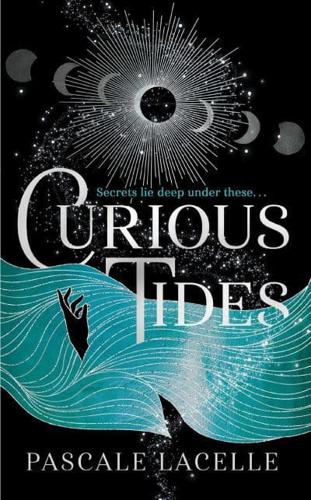
Curious Tides by Pascale Lacelle
Emory attends Aldryn College for Lunar Magic, but her life changes after a deadly night in the Dovermere caves takes her friend Romie. When unexpected powers begin to surface, Emory searches for answers about what happened and becomes entangled with a secret society whose members possess privilege, influence and closely protected knowledge. Lunar magic, hidden histories, academic rivalry and dangerous research shape this fantasy mystery for teens, while the college setting gives its world of tides, spells and secrets a pronounced dark academia mood.
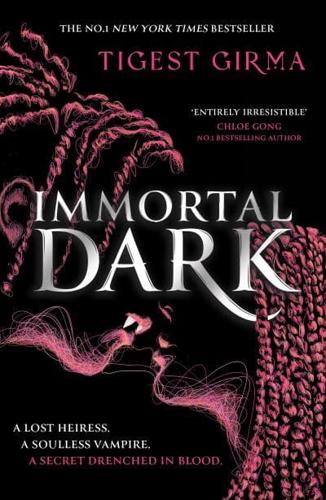
Immortal Dark by Tigest Girma
Kidan Adane enters Uxlay University after her sister June disappears, convinced that the vampire Susenyos Sagad is responsible. Uxlay trains heirs from powerful human bloodlines to live alongside vampires, and Kidan must study arcane philosophy while navigating a secretive society she has spent years avoiding. This dark academia fantasy combines university life, vampire lore, inheritance and moral conflict. Kidan’s search for June leads her deeper into the rules, rivalries and dangers that underpin Uxlay’s polished academic world.
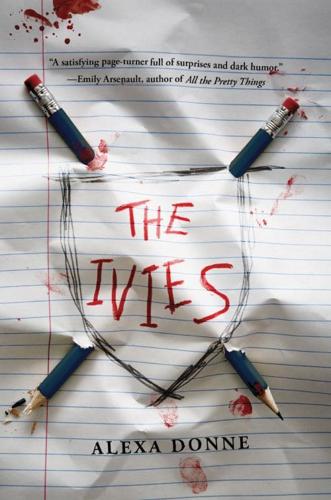
The Ivies by Alexa Donne
Olivia is a scholarship student at Claflin Academy and part of the Ivies, a tightly organised clique determined to secure places at prestigious universities. The group manipulates class rankings, club leadership and academic competitions to improve its members’ admissions chances, until a death turns rivalry into a murder investigation. This boarding-school thriller for teens combines friendship, status and ruthless university ambition, using the admissions race to expose what can happen when achievement becomes a contest with consequences far beyond the classroom.
Dark academia stories for sixth-formers aged 16+
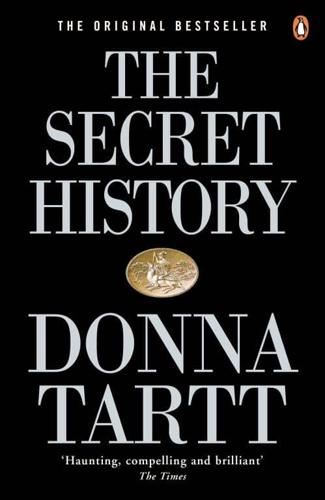
The Secret History by Donna Tartt
At an elite New England college, a group of students studying classics under a charismatic professor becomes absorbed in a private intellectual world that separates them from their peers. Their pursuit of beauty, ideas and experience pushes past ordinary moral boundaries, with consequences that reshape the group. Donna Tartt’s campus novel is a foundational dark academia read, combining classical learning, intense friendship, privilege and crime. Its enclosed scholarly circle makes questions of influence, loyalty and self-invention as important as the mystery at the heart of the story.
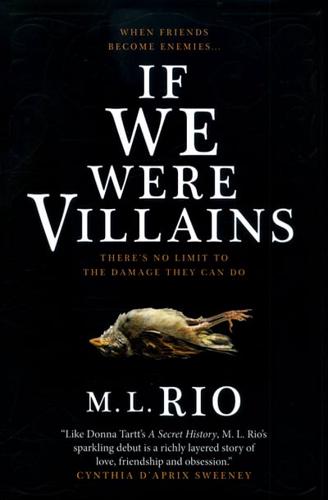
If We Were Villains by M.L. Rio
Oliver Marks studies Shakespeare with six other young actors at an elite arts conservatory, where casting patterns and intense friendships begin to shape life beyond the stage. When one of the seven is found dead, the remaining students must face police attention and their own competing accounts of what happened. Framed by Oliver’s return to the story years later, the novel draws on Shakespearean performance, rivalry and artistic obsession, turning rehearsals, roles and quotations into part of a tightly wound campus mystery.
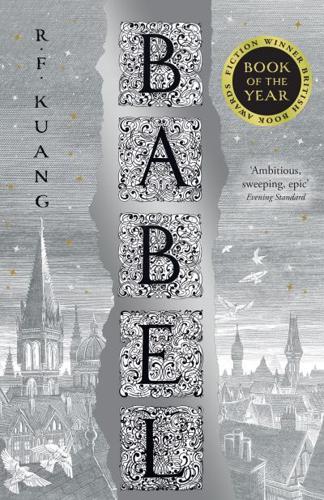
Babel by R.F. Kuang
Oxford in 1836 is home to Babel, the Royal Institute of Translation, where Robin Swift studies language and the magical power created through silver-working. The institute sits at the centre of Britain’s imperial power, and Robin’s education forces him to confront the relationship between scholarship, translation and exploitation. R.F. Kuang combines historical fantasy with university life, etymology and political argument, creating a dark academic story in which knowledge can offer extraordinary possibilities while also binding students to institutions whose values they may come to question.
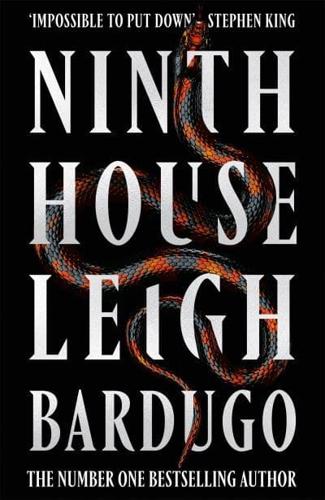
Ninth House by Leigh Bardugo
Galaxy “Alex” Stern arrives at Yale under unusual circumstances and discovers that her place at the university comes with a hidden responsibility: monitoring the activities of its secret societies. Their rituals involve real magic, powerful alumni and dangers that extend well beyond campus tradition. When a young woman is found dead, Alex refuses to accept the simplest explanation. Leigh Bardugo blends university privilege, occult investigation and supernatural horror, using Yale’s old buildings and exclusive networks as the setting for a mystery about power, access and who gets protected.
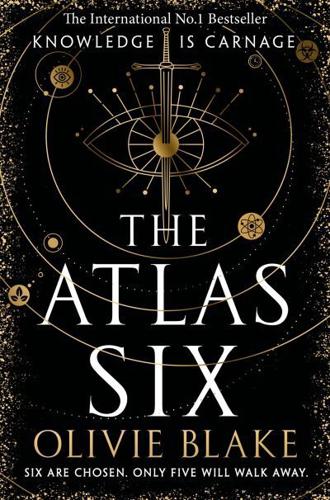
The Atlas Six by Olivie Blake
Six gifted magicians are invited to compete for five places in the Alexandrian Society, an organisation whose members guard rare knowledge from ancient civilisations. Recruited by Atlas Blakely, they move to the Society’s London headquarters, where study, experimentation and rivalry quickly reveal how much is at stake. Olivie Blake builds a magical version of academic competition around subjects, theories and competing forms of power. The result combines secret libraries, intellectual ambition and uneasy alliances with a selection process designed to test more than scholarly ability.
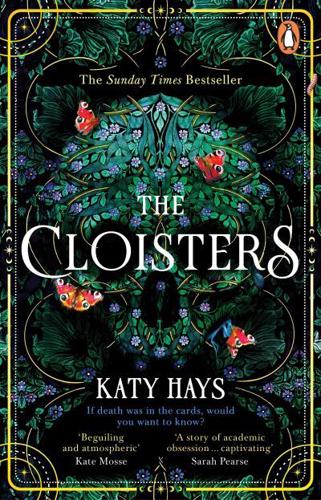
The Cloisters by Katy Hays
Ann Stilwell travels to New York expecting a summer at the Metropolitan Museum of Art, but instead joins the close-knit research world of The Cloisters, surrounded by medieval and Renaissance objects. A rare fifteenth-century tarot deck draws her into the curator’s theories about divination and into a circle shaped by scholarship, ambition and secrecy. The museum’s Gothic setting, specialist research and archival discoveries give the novel its dark academia atmosphere, while questions of fate, trust and intellectual obsession steadily tighten around Ann’s work.
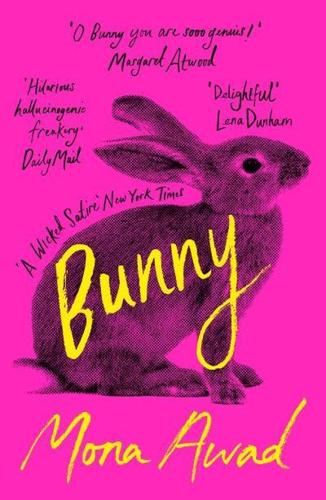
Bunny by Mona Awad
Samantha Heather Mackey is an outsider in the highly selective MFA programme at Warren University, watching an insular group of wealthy classmates who call one another “Bunny” from a wary distance. Then the group invites her into its private creative world. Mona Awad mixes campus satire, fairytale horror and surreal invention to turn workshops and artistic ambition into something much stranger. The academic setting remains central as Samantha is pulled between her own voice, her friendships and the seductive rituals of a clique determined to create on its own terms.
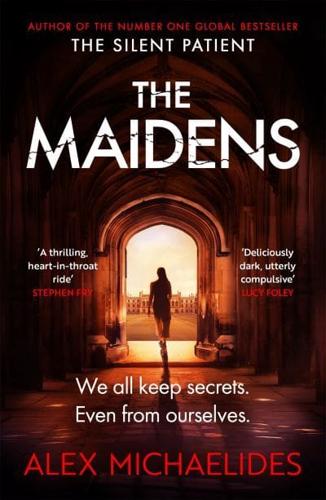
The Maidens by Alex Michaelides
At Cambridge University, the Maidens are a small, exclusive group of students chosen by Edward Fosca, a charismatic professor of Greek tragedy. When one of the young women is murdered, therapist Mariana Andros returns to the university and becomes convinced that Fosca deserves closer scrutiny. Classical literature, college traditions and old loyalties run through the investigation. Alex Michaelides uses the enclosed world of an ancient university to combine psychological suspense with Greek mythology, academic charisma and the unsettling influence a teacher can hold over a privileged circle.
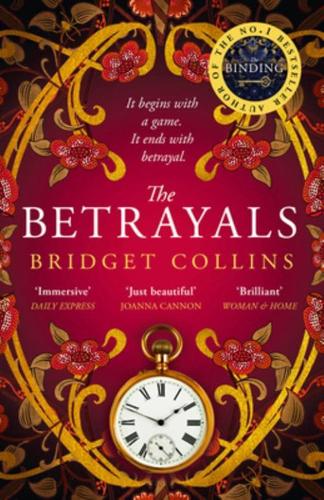
The Betrayals by Bridget Collins
Léo Martin returns in disgrace to Montverre, the exclusive mountain academy where he once studied the grand jeu, an arcane contest combining intellectual and artistic disciplines. The institution has changed, and Claire Dryden now holds its highest office as Magister Ludi. As the Midsummer Game approaches, old relationships and hidden histories press back into the present. Bridget Collins creates an alternative 1930s world in which artistic competition, ritual, politics and institutional power are tightly entwined, giving the novel an unusual speculative variation on the dark academy.
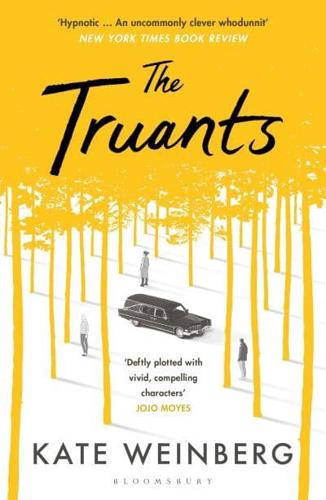
The Truants by Kate Weinberg
Jess Walker arrives at university expecting independence and possibility, and quickly becomes fascinated by charismatic teacher Lorna Clay. Around her forms a close group of friends whose relationships are shaped by attraction, secrecy and rivalry, while Jess’s admiration for Lorna pulls her deeper into questions of influence and obsession. Kate Weinberg’s campus mystery is rooted in first-year student life and literary fascination, using the university environment as the setting for a coming-of-age story in which intellectual excitement and personal loyalties become increasingly entangled.
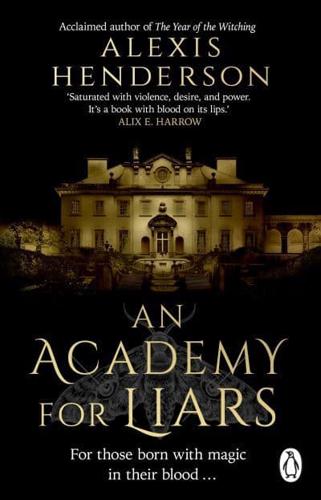
An Academy for Liars by Alexis Henderson
Lennon Carter receives an invitation to sit an entrance exam for Drayton College, a hidden school of magic in Savannah. There she discovers an unusual talent for persuasion, an ability that can influence people and even matter, and begins training under the watch of her charismatic adviser Dante. As Lennon studies, Drayton’s history and the cost of power become increasingly important. Alexis Henderson combines Gothic campus fiction, magical education and questions of ambition, control and corruption in a dark academic setting built around dangerous intellectual mastery.
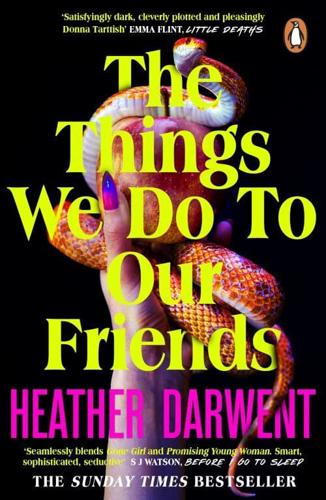
The Things We Do To Our Friends by Heather Darwent
Clare arrives at the University of Edinburgh hoping to leave her past behind and remake herself. She is drawn to Tabitha, whose wealth and confidence open the door to an exclusive circle of friends and a more glamorous student life. When the group asks for Clare’s help with a secret project, belonging begins to carry a different kind of price. Heather Darwent sets her psychological thriller among Edinburgh’s spires, flats and shadowed streets, using friendship, reinvention, class and ambition to create a distinctly British dark academia atmosphere.
Click the buttons below to purchase all of the books in this dark academia list for teens and sixth-formers, as well as class sets of any of these books and many more, from Bookshop.org UK. Or buy all 30 titles from this list from Amazon – ideal for gifts or your classroom library.
Buy from UK.Bookshop.Org Buy from Amazon.co.uk
Disclosure: If you buy books using the buttons above: we may earn a commission from Bookshop.org, whose fees support independent bookshops; as an Amazon Associate schoolreadinglist.co.uk earns from qualifying purchases.
Schools & teachers: please respect copyright and don’t copy our dark academia book list for teens and sixth-formers. If you find our book recommendations useful, please consider sharing on social media or linking to this page instead. Thanks.
Dark academia resources for teachers
- Penguin Books’ guide to dark academia explores the genre’s defining features, including elite educational institutions, Gothic atmosphere, secret societies, intellectual obsession and the pursuit of forbidden knowledge. It also examines privilege, elitism, colonialism and the genre’s relationship with crime, fantasy and literary fiction. An excellent starting point for KS4 and sixth-form discussions.
- Oak National Academy provides a comprehensive Year 8 teaching unit on Gothic fiction, featuring 32 lessons with downloadable slides, worksheets and quizzes. Students explore Frankenstein, Jane Eyre and The Tell-Tale Heart, examining literary conventions, unsettling settings, suspense, symbolism and descriptive writing techniques that underpin dark academia fiction.
- The British Library’s Discovering Literature resources offer free expert articles, historical material and literary analysis for GCSE and A-level students. The eighteenth- and nineteenth-century collection includes Gothic motifs, Romantic literature and contextual material useful for exploring the literary origins of dark academia.
- Oak National Academy’s Gothic poetry lessons introduce Year 8 students to Edgar Allan Poe’s The Raven and The Haunted Palace. Six lessons develop close reading, comparison, interpretation and performance skills, providing opportunities to investigate melancholy, obsession, disturbing imagery and the supernatural.
- The Royal Shakespeare Company’s Macbeth teaching pack offers downloadable activities, edited scenes and character studies for KS3 and KS4. Its exploration of ambition, supernatural influences, deception, moral corruption and the consequences of pursuing power provides useful thematic connections with dark academia novels.
- Oak National Academy’s Introducing the Gothic in Jekyll and Hyde provides GCSE English teachers with lesson slides, worksheets, quizzes and video material exploring Gothic conventions, the uncanny, duality, hidden desires and moral transgression. These themes can be compared with secrecy, identity and psychological tension in contemporary dark academia fiction.
- The British Council’s Northanger Abbey teaching resources include a downloadable lesson plan, student worksheets and answers exploring Jane Austen’s Gothic satire. Activities cover characterisation, literary irony, genre expectations and the relationship between fiction and reality, making this a useful historical comparison for older students studying dark academia.
- The English & Media Centre’s Introducing the Gothic is a paid sixth-form teaching resource featuring close-reading activities, comparative approaches, literary criticism and contextual material. It includes an interview with Professor David Punter examining Gothic origins, horror, terror, the sublime, gender and critical interpretations.
- Penguin’s dark academia book recommendations feature contemporary and established novels, including The Secret History, If We Were Villains and Babel. Teachers and school librarians can use the selection to investigate genre conventions, compare academic settings and develop sixth-form reading recommendations, subject to checking individual titles for age suitability.
- The University of Maryland’s critical essay on dark academia examines the influence of race, class, gender and educational privilege on the genre, discussing The Secret History, If We Were Villains and A Lesson in Vengeance. Particularly useful for sixth-form extension work, independent research and critical debates about exclusivity, academic ambition and institutional power.
- Penguin and the Runnymede Trust’s Lit in Colour project provides research, practical guidance and free teaching resources supporting a more representative English curriculum. Its materials can help teachers explore questions of race, belonging, access to education and institutional inequality when studying dark academia novels such as Babel and Ace of Spades.
- The British Library’s exploration of Gothic literature introduces historical works and collection items, including Horace Walpole’s The Castle of Otranto, Mary Shelley’s Frankenstein and Victorian penny dreadfuls. These provide useful source material for investigating Gothic architecture, literary history, unsettling imagery and the development of suspenseful storytelling.
- Carnegie Library of Pittsburgh’s dark academia genre guide offers a curated selection of novels that combine academic settings with mystery, fantasy, horror and psychological suspense. Its recommendations include A Lesson in Vengeance, Never Let Me Go, Bunny and Ninth House, providing inspiration for sixth-form reading groups and thematic comparisons. Teachers should check the maturity of individual titles before recommending them.
BISAC YAF054010, YAF054020, YAF062000, YAF080000, FIC019000. | Thema YFCB, YFCF, FBA.