Shopping, retail and consumerism books for children and teens
Shopping offers children a familiar route into stories about family routines, choices and money. These children’s books about shopping move from market-day and supermarket picture books to stories about spending, then to teen and sixth-form reading on fashion, retail, marketing and consumerism. Fiction and non-fiction open routes into classroom discussion, independent reading and further research. This list features books by Atinuke, Meera Sriram, Eric Hill, Kate Milner, Pat Hutchins, Kes Gray, Jacqueline Davies, Dana Thomas, Naomi Klein, and Michael J. Sandel.
Shopping, retail and consumerism – our recommendations
Shopping picture books for 3-7 year olds
Fairy Shopping by Sally Gardner
Take a stroll through magical streets filled with shops run by fairies, giants, elves and more. There’s Sparks & Twinkle for wands, Dragon Dreams, where magical pets choose their new owners, and Miss Prism’s for gift-wrapped wishes. The stunning illustrations and imaginative settings will keep children aged 4+ enchanted for hours, making this a perfect picture book bedtime story for inquisitive children! Fairy Shopping is a masterpiece of nostalgia, magic and warm-hearted storytelling. Highly recommended.

Baby Goes to Market by Atinuke, illustrated by Angela Brooksbank
This board-book picture story for 1-5 year olds takes Baby and Mama through a bustling market. As Mama shops, sellers offer Baby a sequence of fruit and snacks, and each stop adds a new number to the counting pattern. Atinuke’s rhythmic text and Angela Brooksbank’s bright pictures make the outing a read-aloud about food, family and a lively marketplace, with repeated details for young children to join in with.

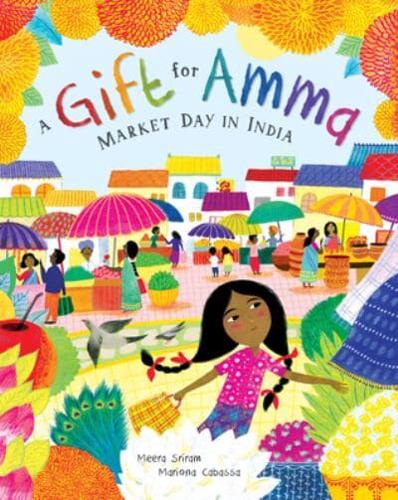
A Gift for Amma: Market Day in India by Meera Sriram, illustrated by Mariona Cabassa
On market day in South India, a young girl searches for a gift for Amma among the colour and bustle of local stalls. Meera Sriram’s story makes the errand a child’s own decision, while Mariona Cabassa’s illustrations bring the market setting to life. The book also includes brief notes about markets in India, extending a simple shopping story into a glimpse of daily life and family affection.
Waiting for Santa by Lucy Cochran
Join in the chaos and joy of a family outing to meet Santa when Ren, Harry, their parents, and their mischievous cat Moloko brave a long shopping centre queue. When Moloko escapes, what will they do? This charming story blends patience, excitement, and festive magic, and Heidi McKinnon’s vibrant scenes are full of fun and talk-worthy detail. It’s ideal Christmas storytime reading for EYFS and KS1.

The Smile Shop by Satoshi Kitamura
When a young boy goes shopping for the first time, just before he decides to buy something, he loses his pocket money. Disaster! But then he discovers a ‘Smile Shop’ and wanders in. A refreshing modern fable with strong visual elements, this is an ideal book for sharing, reading aloud and eliciting discussion with children.

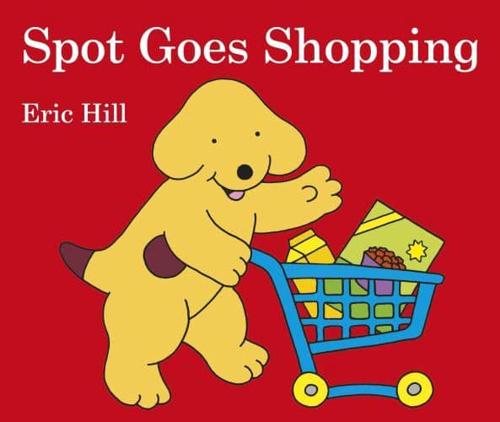
Spot Goes Shopping by Eric Hill
Spot joins Mum for a trip to the shops in this story for very young readers. Eric Hill’s clean, bright pictures make the familiar errands easy to talk about, from going out together to noticing what people buy. Simple sentences keep the focus on Spot and his shopping outing, giving children a first picture-book encounter with shops as part of ordinary family life.
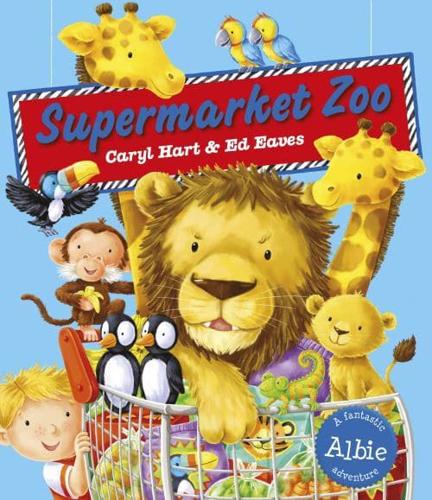
Supermarket Zoo by Caryl Hart, illustrated by Ed Eaves
Albie thinks shopping with Mum is boring, until their supermarket trip becomes a zoo! Their shopping list includes monkeys, giraffes, lions and more. Caryl Hart’s lively story and Ed Eaves’s illustrations make a funny picture book about counting and imagination.
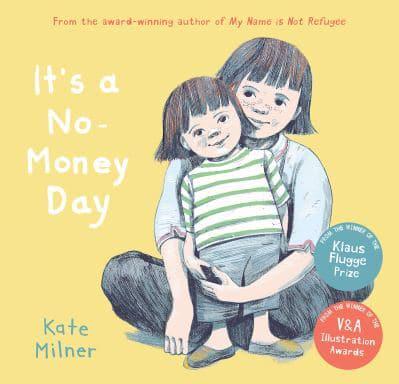
It’s a No-Money Day by Kate Milner
For 4-8 year olds, this picture book is told from a young child’s perspective as she and her mum face a day when they cannot afford to buy food. They visit a food bank together, and Kate Milner’s illustrations bring the practical details of the experience into clear view. The story gives families and classes a gentle starting point for talking about food poverty, money worries, family relationships and asking for support.
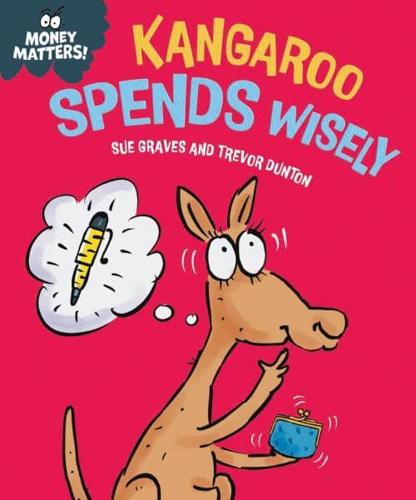
Kangaroo Spends Wisely by Sue Graves, illustrated by Trevor Dunton
Kangaroo is learning to think carefully about what to buy and how to use money wisely. Sue Graves’s story introduces spending choices through a young animal character, with a focus on avoiding waste and shopping sensibly. Trevor Dunton’s illustrations and the book’s follow-up questions and activities help children talk about needs, wants and everyday decisions at the shops, keeping the ideas grounded in familiar situations.
Don’t Forget the Bacon! by Pat Hutchins
A child sets off on a grocery errand with a list to remember, repeating the items aloud as the journey goes on. Pat Hutchins builds the story around rhyme and changing phrases, so a simple shopping trip becomes a funny test of memory. The short, rhythmic text invites children to join in, anticipate what comes next and talk about the things families buy from the shops.
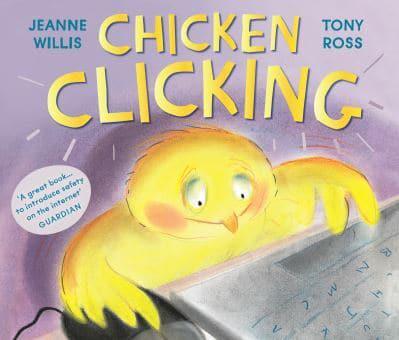
Chicken Clicking by Jeanne Willis, illustrated by Tony Ross
When Chick discovers the farmer’s computer, she goes on a wild online shopping spree. But the real danger comes when she befriends a stranger online and arranges to meet, only to discover he is a fox. It’s a lively and useful rhyming cautionary tale about internet safety.
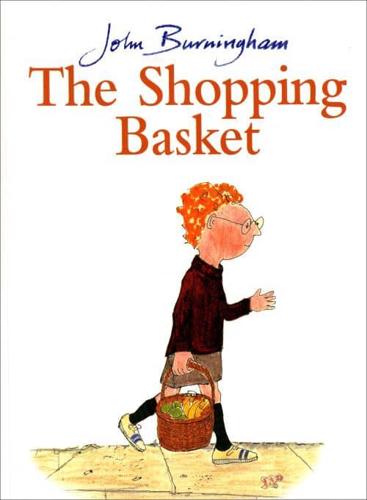
The Shopping Basket by John Burningham
Steven is sent to buy groceries, but on his way home a series of animals demand items from his basket. He outwits each one with a clever trick, losing a little shopping along the way. John Burningham’s funny picture book also invites counting and prediction.
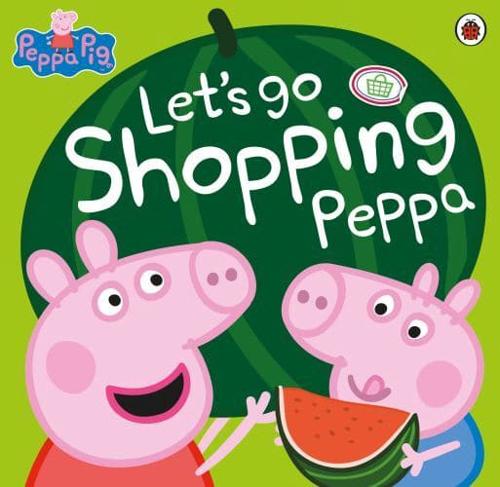
Peppa Pig: Let’s Go Shopping Peppa by Peppa Pig
This Peppa Pig picture book for 2-6 year olds takes the family to the supermarket to buy lunch. Mummy Pig has a list, but the visit brings the familiar temptation to add other things to the trolley. The simple story turns a routine family shop into a child-friendly outing, with Peppa, George and their parents handling a list, aisles and the choices that come with buying food.
Shopping books for children aged 7-12
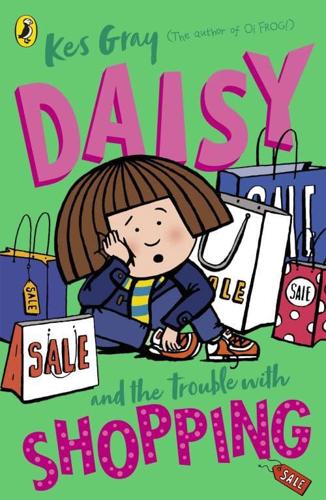
Daisy and the Trouble with Shopping by Kes Gray
Daisy has to go clothes shopping with Mum and Nan, a prospect she finds tedious. The trip to the sales soon produces the misunderstandings and mishaps that drive Kes Gray’s humorous story. Familiar family dynamics, brisk dialogue and Daisy’s lively point of view keep the focus on clothes, shops and a child’s opinions about what is worth buying. It works as an accessible step from picture books into chapter fiction.
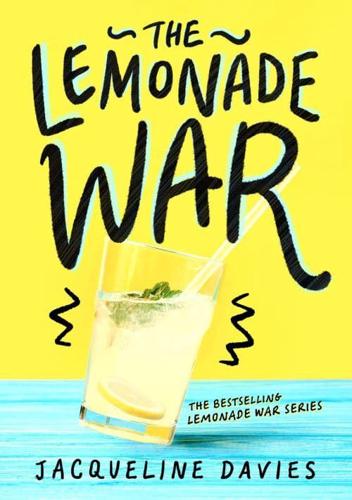
The Lemonade War by Jacqueline Davies
This story for 7-10 year olds sets siblings Evan and Jessie against each other in a five-day contest to see who can sell the most lemonade. They use pricing, promotion and different ways of persuading customers, while their rivalry becomes the engine of the story. Jacqueline Davies weaves business and money ideas into a family novel, giving readers an accessible look at selling, competition and how a small venture works.
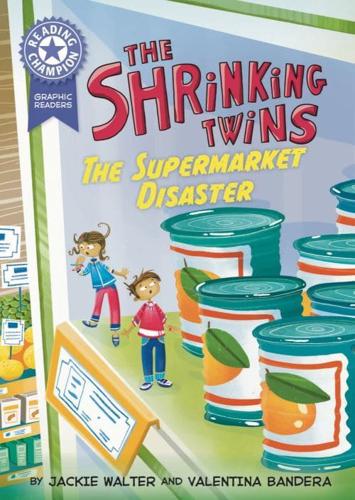
The Shrinking Twins: Supermarket Disaster by Jackie Walter, illustrated by Valentina Bandera
Dev and Maya shrink while they are in a supermarket and must find a way past a giant baby and get home. This graphic novel uses a clear and accessible comic-book format. The supermarket setting keeps the adventure tied to a familiar place, while the twins’ predicament supports discussion of scale, movement and problem-solving.
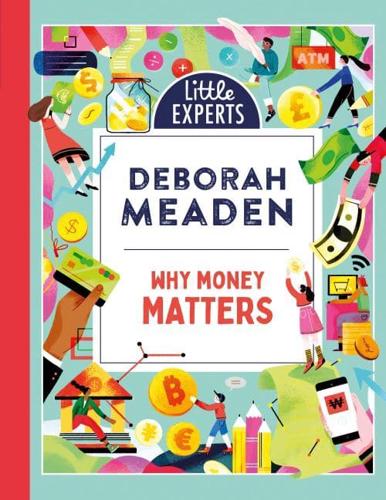
Why Money Matters by Deborah Meaden, illustrated by Hao Hao
This illustrated guide for 6+ year olds introduces the many ways money shapes everyday life. Deborah Meaden moves from the first coins to banks, taxes and pocket-money budgeting, with questions about jobs and the things money can do. The pages combine facts and challenges with colour illustrations by Hao Hao, giving children several entry points for talking about earning, spending, saving and how shops fit into a wider money narrative.
Shopping and retail books for teens
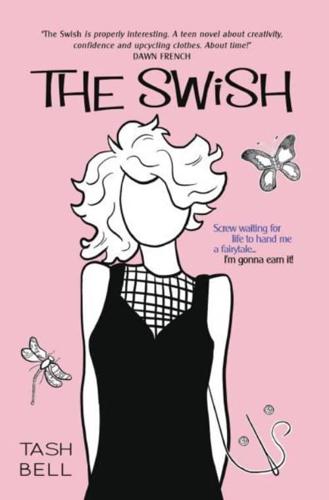
The Swish by Tash Bell
Kat is a teen heroine who dares to take on her critics and make her own gown for the school ball. This teen novel for 11+ year olds connects charity-shop finds, sewing and self-expression with the pressures of school and wanting to feel confident. The story places clothes and creativity at the centre of a familiar coming-of-age dilemma, with second-hand shopping as part of Kat’s answer.
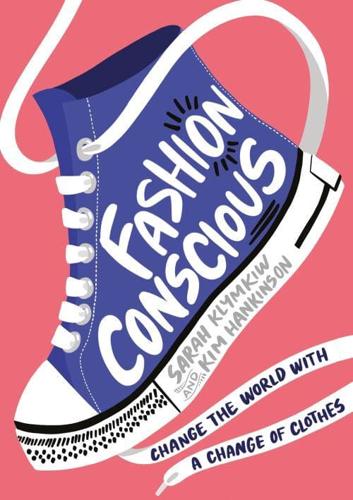
Fashion Conscious by Sarah Klymkiw, illustrated by Kim Hankinson
Fashion Conscious is a guide for 12+ year olds who want to understand the choices behind the clothes they buy. Sarah Klymkiw introduces the fashion supply chain and the environmental and social effects of clothing production, then offers ideas for taking part in a fashion revolution. Kim Hankinson’s illustrations support a mix of information and practical suggestions, making the book a springboard for discussion about style, shopping habits and more sustainable ways to dress.
Shopping, retail and consumerism books for sixth-formers
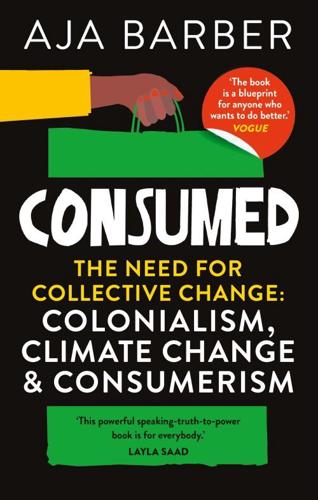
Consumed by Aja Barber
Aja Barber connects fashion shopping with the histories and systems behind consumer culture. She examines how colonialism and climate change relate to the way goods are produced, marketed and bought, and asks what collective change could look like. Combining political analysis with personal reflection, Consumed gives sixth-form readers material for discussion about supply chains, labour, power and responsibility, while keeping everyday purchasing in view.
Deluxe: How Luxury Lost its Lustre by Dana Thomas
Dana Thomas examines the changing business of luxury, from the fashion houses’ roots in craft to their modern pursuit of market share and global customers. She looks at branding, production and the way luxury goods are made and sold, asking what happens to exclusivity when a once rare product becomes widely available. Older readers can use the book to think about status, aspiration and the persuasive power of brands.
How To Break Up With Fast Fashion by Lauren Bravo
Lauren Bravo’s guide looks at the clothes people buy and offers ways to shop and dress with less reliance on fast fashion. It covers practical alternatives such as clothes swaps and charity shops, alongside repairing and recycling garments. Her conversational approach brings shopping habits into a discussion of style, affordability and environmental impact, making the book useful for sixth-form reading on fashion, consumption and the choices behind a wardrobe.
The Day the World Stops Shopping by J.B. MacKinnon
J.B. MacKinnon asks what might change if societies bought less, connecting consumer spending with economic growth, environmental pressure and quality of life. The book combines reporting, examples and argument to consider whether people and economies can adapt to a lower-consumption future. Sixth-formers can use it to explore how shopping relates to work, wellbeing, resources and public policy, with the central question reaching beyond individual buying habits.
Stuffocation: Living More with Less by James Wallman
James Wallman considers how an abundance of possessions can leave people overwhelmed and stressed, and explores a shift from acquiring things towards experiences. Through examples of people who have changed the way they live, he links consumer habits to wellbeing and the pressure to own more. Sixth-form readers can use the book to compare material measures of success with other ideas about satisfaction, leisure and a fulfilling life.
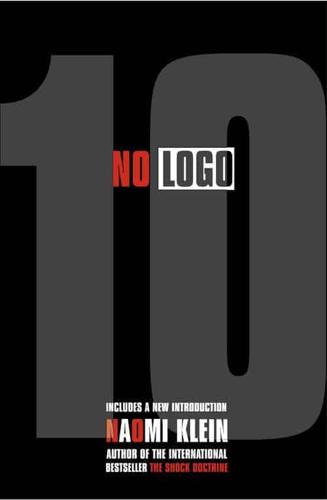
No Logo by Naomi Klein
Naomi Klein investigates the rise of global brands and the marketing that gives logos a presence across public life. The book looks at the effects of brand expansion on workers, culture and public space, linking familiar products to corporate power and global supply chains. Its reporting and argument give sixth-form readers a substantial starting point for studying advertising, consumer identity, labour and the political questions raised by brand-led business.
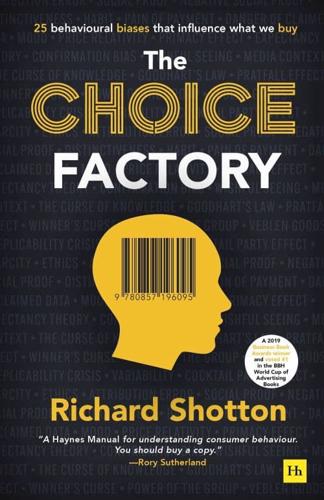
The Choice Factory by Richard Shotton
Richard Shotton explains 25 behavioural biases that can influence what people choose and how marketers use them. Short chapters connect research to examples from advertising, retail and everyday purchasing, showing how small details can shape decisions. The book helps sixth-form readers examine how consumers respond to context and persuasion, and opens questions about choice, marketing ethics and the responsibilities of businesses that design messages and shopping environments.
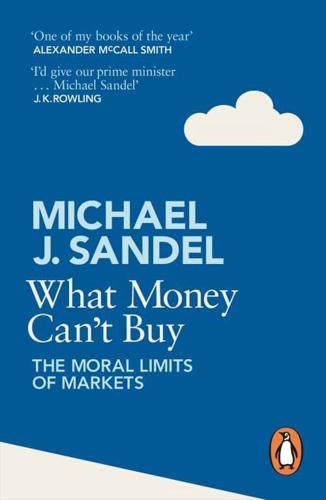
What Money Can’t Buy: The Moral Limits of Markets by Michael J. Sandel
Michael J. Sandel considers what happens when market values extend into areas of life once governed by other principles. Using examples from civic and social life, he asks where buying and selling should have limits and how markets can change the meaning of goods. The argument makes this a thought-provoking sixth-form read on consumerism, fairness, public values and the role money plays in relationships and institutions.
Click the buttons below to purchase all of the books in this shopping, retail and consumerism list, as well as class sets of any of these books and many more, from Bookshop.org UK. Or buy all the titles from this list from Amazon – ideal for gifts or your classroom library.
Buy from UK.Bookshop.Org Buy from Amazon.co.uk
Disclosure: If you buy books using the buttons above: we may earn a commission from Bookshop.org, whose fees support independent bookshops; as an Amazon Associate schoolreadinglist.co.uk earns from qualifying purchases.
Schools & teachers: please respect copyright and don’t copy our shopping, retail and consumerism reading list. If you find our book recommendations useful, please consider sharing on social media or linking to this page instead. Thanks.
Shopping resources for teachers
- Hamilton Trust offers Reception maths activities based around money and shopping, including setting up classroom shops, making price labels, counting coins and using shopping lists. The activities also draw on The Shopping Basket by John Burningham.
- The National Literacy Trust’s Words for Life website explores how writing shopping lists, recognising packaging, discussing food choices and reading price labels can help young children develop early literacy, numeracy and communication skills.
- Oak National Academy provides a Year 2 maths lesson on solving shopping problems involving money and giving change. Resources include presentation slides, practical calculation strategies and activities using coins and notes.
- Barclays LifeSkills has created a free lesson for 5-7 year olds about using money for shopping. It includes an animation, role-play activities, printable resources and presentation slides covering cash, card payments and keeping within a budget.
- The British Council’s Shopping at the Minimarket activity helps KS2 pupils practise shopping conversations, food vocabulary, prices and calculating costs. Pupils create their own shops and shopping lists before taking turns as customers and shopkeepers.
- Barclays LifeSkills’ Smarter Shopping Skills lesson teaches primary pupils how to recognise value for money, question advertising and understand sales techniques. Downloadable lesson plans and presentation slides encourage children to make informed purchasing decisions.
- Young Enterprise’s Money Heroes programme provides free financial education activities, storybooks, games and teaching resources for children aged 3-11. It also offers professional development and practical support for teachers delivering lessons about spending, saving and managing money.
- The Scouts’ Shop Smart Showdown challenges young people to complete an online shopping basket within a £100 budget. The activity involves comparing prices, researching products, considering second-hand alternatives and discussing the environmental impact of shopping choices.
- Food a Fact of Life offers KS2, KS3 and KS4 resources examining food shopping, supermarket prices, meal planning and budgeting. Activities include comparing branded and cheaper products, analysing shopping receipts, investigating weekly food spending and calculating the cost of recipes.
- The British Council’s secondary shopping role-play uses printable customer and shopkeeper cards to recreate a British high street. Pupils practise asking questions, comparing goods, making purchases and negotiating everyday shopping situations.
- Citizens Advice provides free consumer education packs and factsheets suitable for adapting to secondary PSHE and citizenship lessons. Topics include online shopping, returns, consumer rights, misleading advertising, subscription services, scams and shopping through online marketplaces.
- The PSHE Association offers free teaching materials for KS2, KS3, KS4 and post-16 pupils exploring the risks associated with online spending. Lessons cover advertising influences, in-game purchases, social media, financial scams and strategies for making safer purchasing decisions.
- CAFOD has developed Fairtrade classroom resources for KS1 through to KS5. These include the Banana Split Game, interactive activities, films and lessons exploring the prices consumers pay, the treatment of producers and the impact of ethical shopping choices on communities around the world.
- AQA’s Unit Award Scheme includes an Entry Level unit on preparing for a shopping trip to a local supermarket. Particularly useful for SEND and independent living programmes, it covers making shopping lists, identifying where products are sold, calculating how much money to take and planning a shopping trip.
BISAC BUS016000, BUS057000, BUS043000. | Thema JBFS, KNP, KJS.