International Transgender Day of Visibility books for children and teens
Middle grade and teen transgender books include fiction and nonfiction that feature transgender characters or explore gender identity, transition, family and friendship. Some explain these experiences directly, while others simply tell a good story with a trans child or teenager at the centre. They matter because they help trans readers feel seen, give other readers a clearer understanding, and create space for thoughtful discussion about identity, belonging and respect. This list features books by Juno Dawson, Virginia Woolf, Kacen Callender, Alex Gino, Kyle Lukoff, Aiden Thomas, Andrew Joseph White, Anna-Marie McLemore, Meredith Russo, and Dashka Slater.
International Transgender Day of Visibility themed books for children and teens – our recommendations
International Transgender Day of Visibility picture books
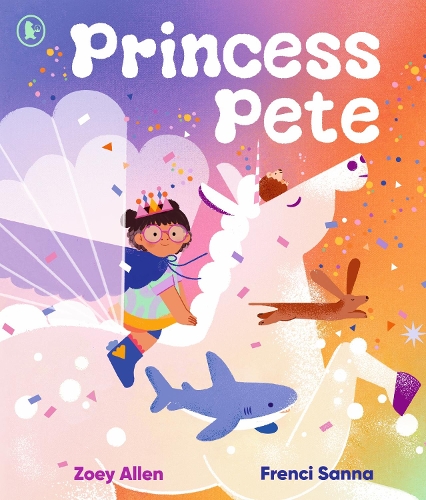
Princess Pete by Zoey Allen and Frenci Sanna
Pete likes many things – red trousers, flowery dresses, make-up, mud, books, and imagined worlds with pegacorns and singing hedgehogs. Some days Pete wants to be a prince, some days a princess, and sometimes somewhere in between. This charming, jargon-free picture book story for 3-7 year olds shows how Pete’s family and friends respond with warmth, love and acceptance. Frenci Sanna’s clever illustrations use geometric shapes, trans flag colours and situations children will relate to, including immersive double-page spreads that explore how other people react and invite discussion about empathy.
International Transgender Day of Visibility books for 9-12 year olds
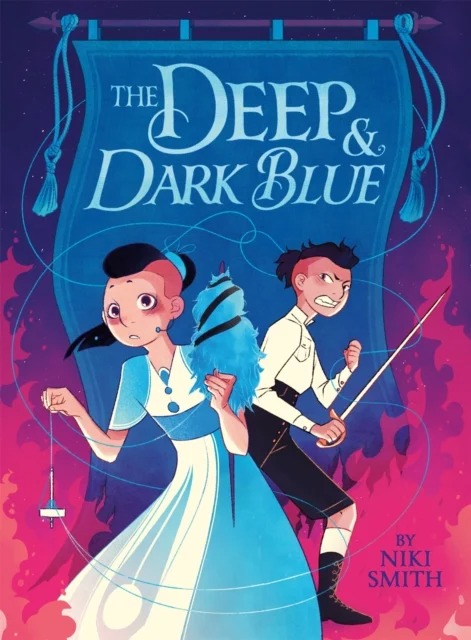
The Deep & Dark Blue by Niki Smith
Twins Hawke and Grayce flee for their lives when their cousin stages a coup and takes control of their family’s house. In disguise, they find shelter with the Communion of Blue, an order of women who spin the threads that hold the world together in this fantasy middle-grade graphic novel. Hawke wants to fight back and reclaim what was taken. Grayce finds something else entirely – a place where she can live as a girl. Niki Smith tells both stories in parallel across a compelling full-colour story.
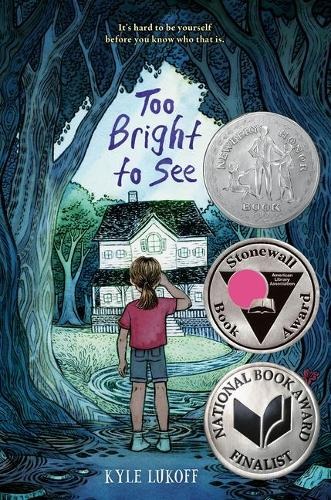
Too Bright to See by Kyle Lukoff
It is the summer before middle school and Bug’s best friend Moira has a plan: makeovers, nail polish, new clothes. But Bug is not interested. The house in rural Vermont is haunted – always has been – and something has shifted. A new ghost is leaving messages, and they are meant for Bug specifically. Kyle Lukoff wraps a rollercoaster transgender coming-of-age story for 10+ year olds inside a deliciously ghostly narrative, and the two threads pull on each other throughout.
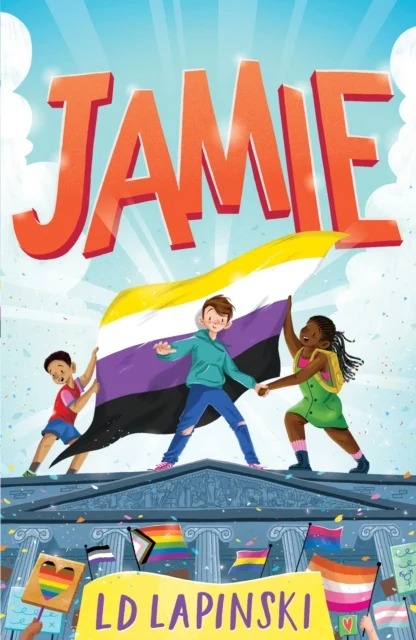
Jamie by L. D. Lapinski
Jamie Rambeau is eleven, non-binary, and happy – until disastrous news arrives that secondary school will split their friendship group in two. The local schools are single-sex, and nobody has thought about where Jamie fits. So Jamie decides to force them to think about it. L.D. Lapinski builds this uplifting and joyous story for 9+ year olds around a dramatic rooftop protest, a tight-knit trio of friends and the pertinent question of what happens when a system simply has not accounted for you. A glossary of non-binary terminology sits between the chapters. Highly recommended.
Melissa by Alex Gino
When her class announces a production of Charlotte’s Web, George wants the part of Charlotte more than anything. Her teacher says no – because George is a boy. What the teacher does not know is that George is a girl named Melissa. With her best friend Kelly, Melissa sets in motion a plan to play Charlotte and to let people see who she really is. Alex Gino tells the story in just 126 highly engaging and accessible pages, and the Stonewall Award-winning debut is perfect for 9+ year olds.

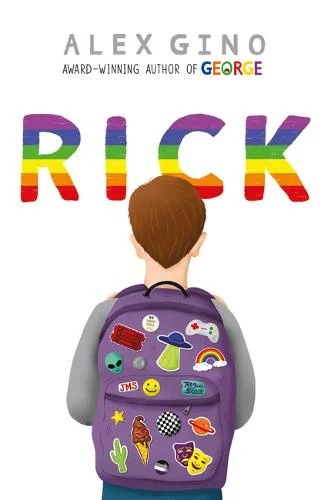
Rick by Alex Gino
Rick has never pushed back on much. He follows his best friend Jeff’s lead, even when Jeff picks on other kids or makes comments about girls that leave Rick cold. Starting middle school, Rick discovers the Rainbow Spectrum – an after-school club for LGBTQIAP+ students – and begins to work out who he actually is. His grandfather Ray is a steadying presence throughout. Alex Gino sets the story in the same world as Melissa, though it stands alone. Over time, Rick comes to understand he is asexual. A thought-provoking, discussion-worthy and inspiring read for 10+ year olds.
Dear Mothman by Robin Gow
When Noah’s best friend Lewis is killed in a tragic accident, he feels as if he has lost the only person who knows him as a trans boy. Reminiscing about Lewis’ fantasy stories about cryptids, Noah finds solace in writing letters to Mothman and, over time, feels compelled to find out if Mothman really exists. This memorable and indescribably powerful book for 11+ year-olds will be quite unlike anything else you will read.

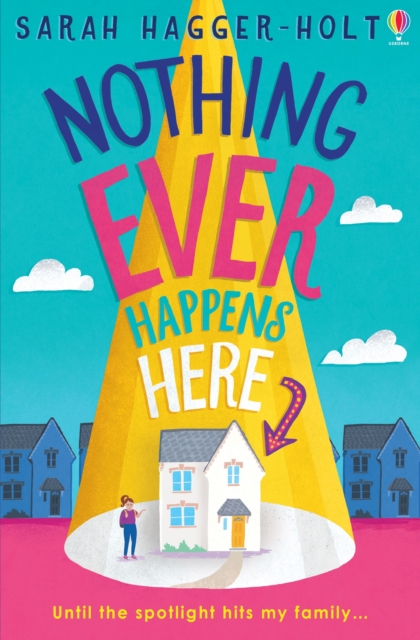
Nothing Ever Happens Here by Sarah Hagger-Holt
12-year-old Izzy Palmer’s world changes when her father transitions to become Danielle. Set in the small town of Littlehaven, the story explores Izzy’s fears and uncertainties about her family’s future and what other people will think. Addressing themes of identity and acceptance, Nothing Ever Happens Here offers a sensitive portrayal of family dynamics and trans issues. Featured in our LGBTQIA books list.
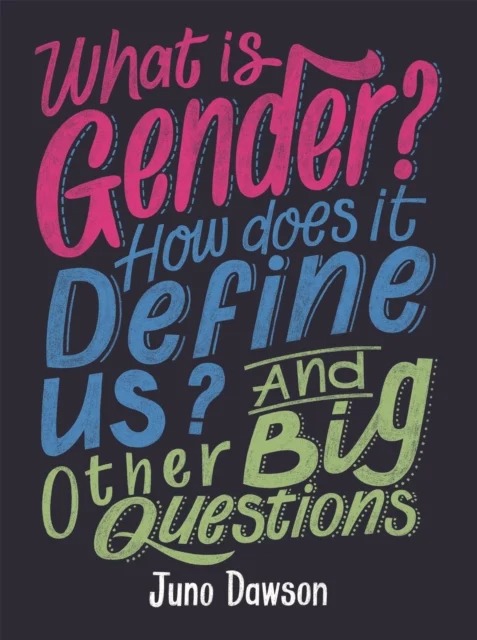
What Is Gender? How Does It Define Us? and Other Big Questions for Kids by Juno Dawson
The difference between sex and gender, what it means to be intersex, gender stereotypes, cross-dressing and gender around the world – Juno Dawson covers each topic in turn, with contributions from poets, authors and public figures including Emma Watson, RuPaul and Lady Gaga. Dawson, a former PSHE teacher and Stonewall School Role Model, draws on her own experience of being transgender alongside a range of other personal perspectives. Part of the highly accessible and interesting ‘And Other Big Questions’ series. Suitable for 11+ year old readers.
International Transgender Day of Visibility books for teens
Felix Ever After by Kacen Callender
Teen Felix Love allows us an unfiltered peek into his world of angst, romantic longing and bullying as he reaches a realisation that he might never find the love that he craves. With complex themes of transphobia, racism, destructive relationships and self-discovery, this modern coming of age novel is perfect for book club discussions with Y11-13 students. Not only is this a sharply framed and beautifully written contemporary teen novel, but it’s one that may well become a period benchmark for future generations.

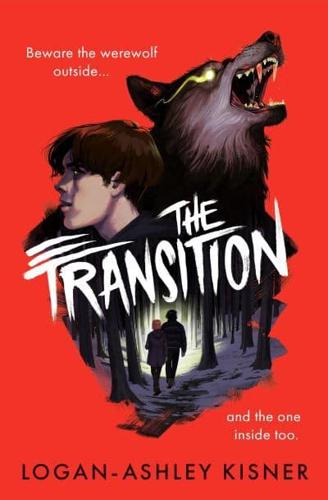
The Transition by Logan-Ashley Kisner
17 year old Hunter is attacked by a werewolf while recovering from top surgery, and the bite sparks a struggle to protect both his hopes for the future and his friends. His transition, strained relationship with his father, and bullying at school all play into the wider fight against losing his humanity. As the danger mounts, his bond with Mars and Gabe deepens into a relationship that steadies him, even as he wrestles with what it means to survive. This poignant and thought-provoking horror allegory for 14+ year olds is highly recommended.
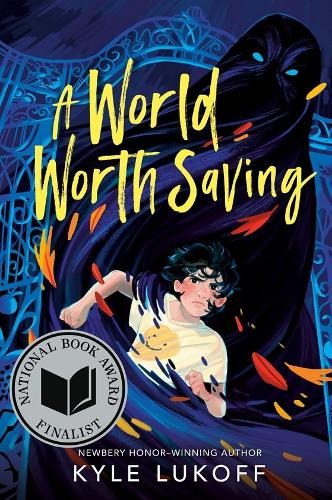
A World Worth Saving by Kyle Lukoff
Every week, A’s parents take him to Save Our Sons and Daughters – a conversion therapy group for families with transgender children. Kids who push back tend to disappear for “further treatment.” When A’s friend Yarrow vanishes after a confrontational meeting, A discovers that SOSAD is run by a demon that feeds on the pain of children like him. A golem appears and tells him he has until the end of Yom Kippur to save Yarrow – and the world. Kyle Lukoff uses this dystopian fantasy to explore conversion therapy, anti-trans legislation and the Covid pandemic. A challenging and thought-provoking read for teens.
Gracefully Grayson by Ami Polonsky
Grayson has kept the same secret for years: she is a girl. In sixth grade, when the school announces a production of a Greek myth and the female lead is up for grabs, Grayson puts her hand up. The decision draws controversy from classmates and adults alike, but it also brings an unexpected friendship and an empathetic teacher who listens. Ami Polonsky lights up the story in first person, sidestepping gendered pronouns until Grayson is ready to claim them. It’s a compelling and heartwarming novel for secondary school-aged students exploring questions of identity.
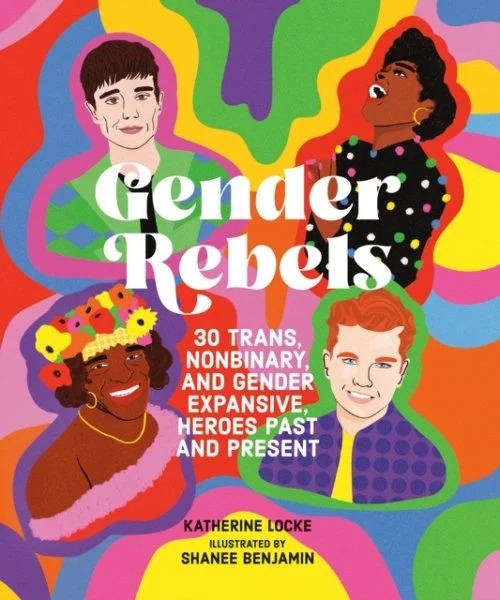
Gender Rebels by Katherine Locke, illustrated by Shanee Benjamin
Thirty trans, non-binary and gender-expansive people from across history fill this engaging illustrated non-fiction book. Profiles include Callon of Epidaurus in ancient Greece and contemporary figures such as Elliot Page, Laverne Cox and Tomoya Hosoda, the first trans politician in Japan. Each portrait is accompanied by short facts and a colour illustration. Introductory sections cover pronoun usage and the history of the word transgender, and there’s a useful glossary of terms at the end of the book. It’s ideal for KS3 school libraries.
Trans Teen Survival Guide by Owl and Fox Fisher
Owl and Fox Fisher give practical guidance for trans and non-binary teenagers, and for the adults supporting them. This highly informative book covers coming out, names, pronouns, school, clothes, binding, packing, relationships, sex, self-care, dysphoria, depression and hormone options. Clear headings and short sections make the material easy to navigate, while personal accounts show how different situations can feel in real life and what support can help. A useful book to have in your KS3 and KS4 library.
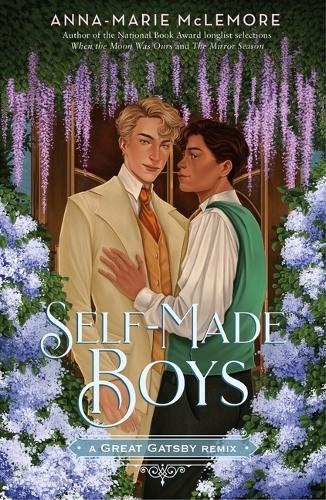
Self-Made Boys: A Great Gatsby Remix by Anna-Marie McLemore
New York, 1922, and seventeen-year-old Nicolás Caraveo has left Wisconsin for West Egg, hoping to build a Wall Street career. Nearby, his cousin Daisy is passing as white and distancing herself from their Latiné heritage. Next door, Jay Gatsby throws infamous parties and hides his own truths as a trans, gay man. Anna-Marie McLemore keeps Fitzgerald’s structure but recentres the story around queer and Latiné characters, with a stunning and unexpected new ending. Highly recommended for 16+ year olds.
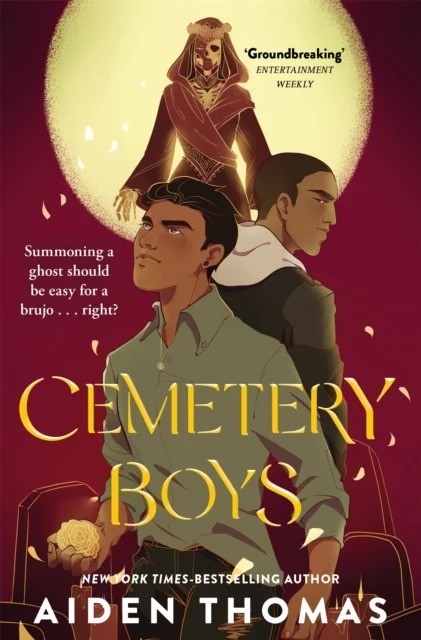
Cemetery Boys by Aiden Thomas
Yadriel is a trans teen brujo whose family’s magic is tied to gender – and whose father won’t allow him to be blessed by Lady Death because he was assigned female at birth. Determined to prove himself, Yadriel performs the ritual in secret with his cousin Maritza, then sets out to summon the ghost of a murdered family member. But the ghost he gets is Julian Diaz, the school’s so-called bad boy, who refuses to move on until he has answers. Aiden Thomas builds a Latinx supernatural world around a trans protagonist whose identity is central to the plot. It’s a compelling and memorable read for 14+ year olds.
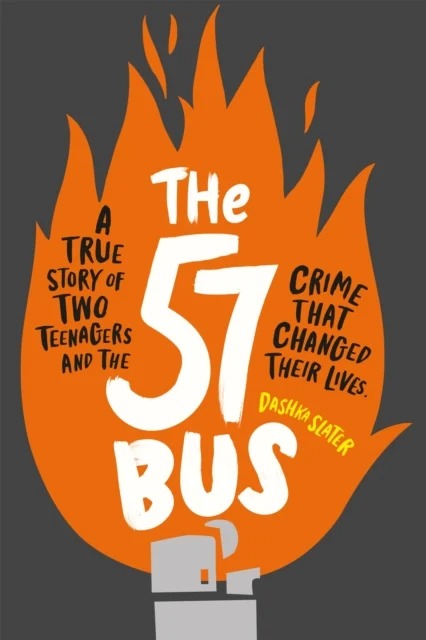
The 57 Bus by Dashka Slater
On 4 November 2013, Sasha, a white agender teen from a private school in Oakland, fell asleep on the bus home in a gauzy white skirt. Richard, a Black teenager from a rougher part of the city, boarded with friends. On impulse, he held a lighter to Sasha’s skirt. Dashka Slater, who first covered the story for the New York Times Magazine, reconstructs both teenagers’ lives in four short and sharp parts: Sasha, Richard, the fire and its aftermath. The book explores gender identity, racial division, the criminal justice system and restorative justice. It’s a stunning and important work of narrative non-fiction for 14+ year olds.
Witchlore by Emma Hinds
Orlando, a nonbinary shapeshifter at Demdike College of Witchcraft, wrestles with guilt after the death of their girlfriend, Elizabeth. When Bastian, a new student, offers a spell to bring Elizabeth back, Orlando’s feelings for Bastian deepen. But as secrets unravel, things get complicated. This book weaves together themes of grief, gender identity, and self-acceptance; mixing magic, romance, and British folklore with a powerful stare at the effects of societal pressure. A fascinating read for 14+ year olds. Read our full review.

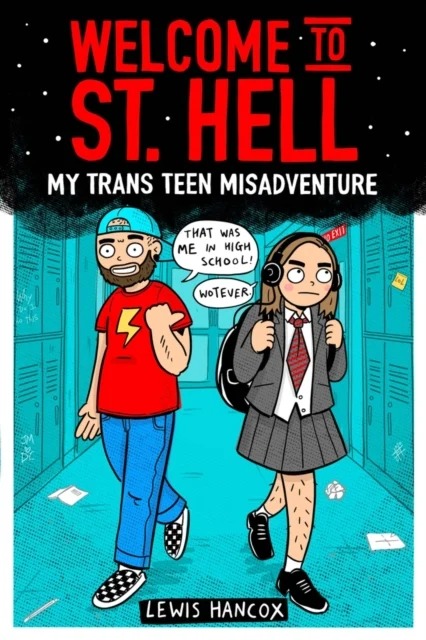
Welcome to St. Hell by Lewis Hancox
Present-day Lewis Hancox drops in on his teenage self – then known as Lois – to offer context, reassurance and the occasional warning about what is coming. This lively, easy-to-read and accessible graphic memoir follows Lewis from 1999, through the confusion and dysphoria of his teen years, to the beginning of his transition. Hancox is honest about the harder stretches, including an eating disorder, but the tone stays grounded in the friendships and family relationships that held him through it. Written and illustrated by Hancox himself, it’s a stunning and highly engaging memoir for 16+ year old trans teens and their allies.
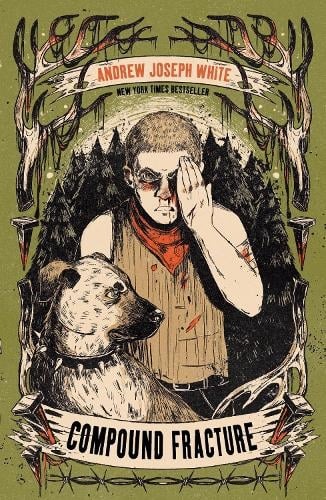
Compound Fracture by Andrew Joseph White
On the night Miles Abernathy emails his parents to tell them he is trans, he sneaks out with photographs that could expose Sheriff Davies – the man behind the accident that killed people and crushed his family’s efforts to remove him from power. Before Miles can act on the evidence, the sheriff’s son and his friends follow him into the woods and beat him nearly to death. In the hospital, the ghost of his great-great-grandfather Saint, executed a century earlier during a miners’ rebellion, appears at his bedside. Andrew Joseph White sets this mesmerising, unforgettable and at times violent thriller for 14+ year olds in the very recent past of 2017 rural West Virginia.
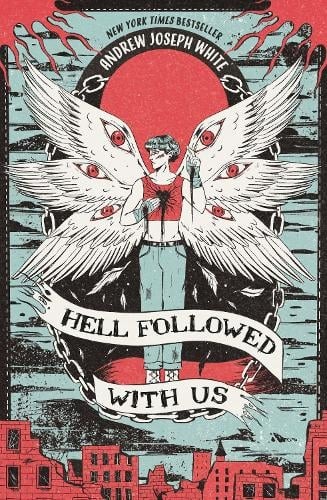
Hell Followed with Us by Andrew Joseph White
Benji is a 16-year-old trans boy on the run from a fundamentalist cult that has infected him with a dangerous bioweapon. Taken in by a shadowy group of teens called the ALC, will Benji be able to stop the bioweapon from turning him into a mutant monster, and can he trust the leader of the ALC? This fascinating queer thriller was voted a New York Public Library best book.
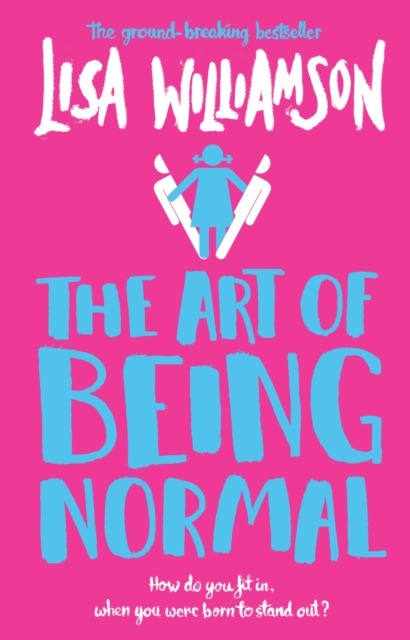
The Art of Being Normal by Lisa Williamson
At Eden Park School, two students carry secrets they are desperate to hide. David identifies as a girl, but only his closest friends know the truth. Leo, the new boy in Year 11, wants nothing more than to keep a low profile. When a fight throws them together, an unlikely friendship begins to form. Lisa Williamson’s spectacular and pertinent debut novel places gender identity and adolescence at its centre, and handles both with care and sensitivity. It is a timely and thought-provoking read for 12+ year olds, parents and educators alike. Highly recommended.
International Transgender Day of Visibility books for sixth-formers
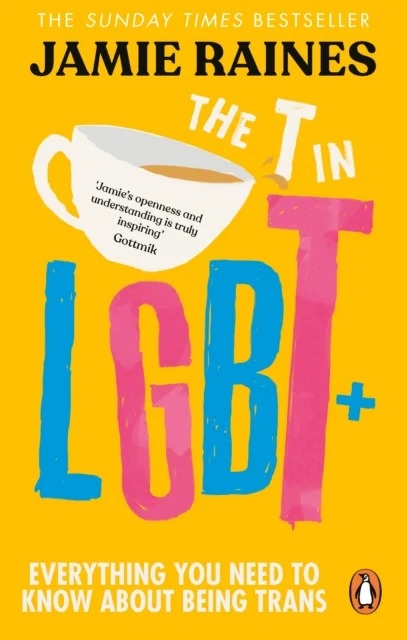
The T in LGBT by Jamie Raines
Jamie Raines is a British trans man who has documented his transition on YouTube for over a decade. This forthright and profoundly engaging book covers realising you are trans, starting hormones, considering surgery and everything in between, drawing on his own experience alongside personal stories from a range of trans voices. Aimed at trans people, those questioning their identity and allies who want to understand the trans experience, it’s ideal for older teens and KS4+ libraries. A practical, personal guide for anyone looking for a grounded, no-frills introduction to trans life.
Wonderland by Juno Dawson
Alice is a trans girl at an elite London school, trying to keep her life together when her friend Bunny suddenly disappears. Her search leads her into a glittering underground world known as Wonderland, where privilege, secrets, and danger blur together. Juno Dawson reimagines Lewis Carroll’s classic through a sharp, modern lens, mixing dark glamour with raw honesty about addiction, identity, and mental health. Bold, controversial and unsettling, Wonderland is a powerful story for older teenagers ready to read about different lives life through the looking glass.
Boys Run the Riot by Keito Gaku
Ryo is a trans high school student with nobody to talk to – not his best friend, not his mum, not even the new transfer student Jin, who looks like trouble. The one part of life Ryo feels comfortable with is his clothes. When he spots Jin shopping for the same streetwear, his whole life changes. Keito Gaku, a trans manga creator, uses fashion as the thread that intertwines Ryo’s journey toward self-expression. It’s perfect for 14+ year olds who are interested in manga, identity and street fashion.
What’s the T? by Juno Dawson
For 14+ teens, this guide gives a frank and comprehensive introduction to transgender and non-binary lives, covering identity terms, pronouns, labels, coming out, sex, relationships, history and gender politics. Juno Dawson draws on her own experience and includes contributions from trans and non-binary writers including Travis Alabanza and Jay Hulme. Soofiya’s accessible illustrations help to support signposts, further resources and a “trans hall of fame”. Helpful, useful and informative, it’s ideal for secondary school libraries.
The Passing Playbook by Isaac Fitzsimons
Spencer Harris is fifteen, trans and starting over at a liberal private school in Ohio where nobody knows his history. He joins the boys’ soccer team without telling his parents, finds acceptance he has not had in years, but starts to fall for a teammate. Then a discriminatory law forces his coach to bench him when his birth certificate comes to light. Spencer has to decide whether to stay quiet or fight publicly for his place on the team. It’s a fiery and passionate YA novel for 14+ year olds about school sport, first love and the grim reality of anti-trans legislation.
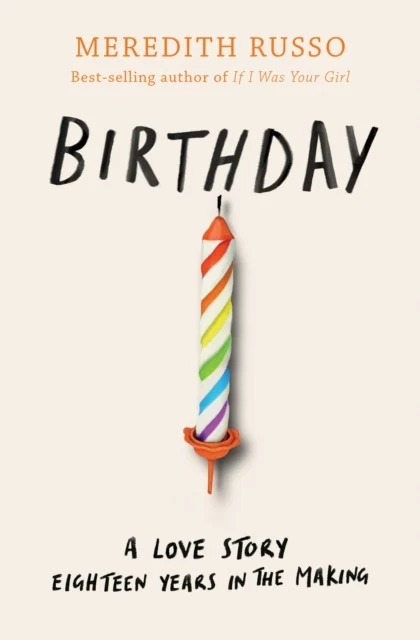
Birthday by Meredith Russo
Eric and Morgan were born on the same night, in the same hospital, during a freak snowstorm in Tennessee. They have shared every birthday since. This moving book for older teens follows them on that one day each year, from age thirteen to eighteen, as Morgan works through what it means to be a trans girl in a small town and Eric quietly questions the football future everyone has mapped out for him. Meredith Russo tells six years of friendship, distance and reconnection in a structure that invites the reader to fill in the narrative gaps between birthdays.
The Trans-Gender Issue: An Argument for Justice by Shon Faye
Trans people make up less than one per cent of Britain’s population and yet sit at the centre of a media debate in which they rarely get to speak on their own terms. Shon Faye, a former lawyer and writer, sets out to change that. This outstanding and thorough book moves through healthcare, housing, work, the prison system and family life, drawing connections between the trans experience and that of other marginalised groups. It’s a landmark work in the conversation about trans rights in Britain, and a more challenging read for sixth-formers.
Queer Up by Alexis Caught
Award-winning podcaster and qualified psychotherapist Alexis Caught has written the book he felt he needed at the age of fourteen. The chapters cover questioning, coming out, friends, family, love, sex, shame, pride, being trans or non-binary and allyship, with first-hand accounts from notable LGBTQ+ figures alongside the author’s own experiences. Mental health and safety are important components of every chapter, and there’s a useful section with further resources and support at the end of the book. Perfect for sixth-form libraries, it’s ideal for older teens and allies.
Orlando by Virginia Woolf
Orlando begins as a young English nobleman in the court of Queen Elizabeth I and ends, three centuries later, as a woman in 1928 – the year women in Britain gained full voting rights. Virginia Woolf uses that spectacular journey to examine what society expects of men and women, and what it costs those who do not fit. First published in 1928 and dedicated to Woolf’s close friend Vita Sackville-West, it remains one of the earliest novels to explore gender fluidity as a central theme.
Click the buttons below to purchase all of the books in this International Transgender Day of Visibility books list, as well as class sets of any of these books and many more, from Bookshop.org UK. Or buy the 20 most popular titles from this list from Amazon – ideal for gifts or your classroom library.
Buy from UK.Bookshop.Org Buy from Amazon.co.uk
Disclosure: If you buy books using the buttons above: we may earn a commission from Bookshop.org, whose fees support independent bookshops; as an Amazon Associate schoolreadinglist.co.uk earns from qualifying purchases.
Schools & teachers: please respect copyright and don’t copy our International Transgender Day of Visibility books for children list. If you find our book recommendations useful, please consider sharing on social media or linking to this page instead. Thanks.
International Transgender Day of Visibility resources for teachers
- The Department for Education’s Relationships and Sex Education and Health Education guidance is the main curriculum baseline for England. The current version, updated for introduction from 1 September 2026, says schools should teach equality and respect, comply with Equality Act duties, and integrate LGBT content into RSE rather than treat it as a one-off lesson.
- The Equality and Human Rights Commission’s technical guidance for schools in England and its Public Sector Equality Duty guide for schools are essential for school leaders, governors and pastoral staff who want the legal detail. They explain schools’ Equality Act duties, including the protected characteristic of gender reassignment.
- Ofsted’s guidance on protected characteristics and school inspections is worth bookmarking in England, especially for senior leaders and RSHE leads. It explains how inspectors look at RSHE, protected characteristics and respect for LGBT people, and makes clear that secondary schools are expected to teach awareness of and respect towards LGBT people.
- For Scotland, the Scottish Government’s revised guidance on supporting transgender pupils in schools is the clearest current nation-specific document in the UK. It was revised in September 2025 and offers practical advice, information and signposts for schools and education authorities.
- Also in Scotland, the Scottish Government’s LGBT inclusive education guidance and its health and wellbeing in schools pages point schools to LGBT-inclusive teaching guidance, e-learning and a central resource bank. They are useful if you want curriculum support as well as pupil-support guidance.
- The Scottish Government’s 2026 Relationships, Sexual Health and Parenthood guidance is another one to keep handy, because it signposts both LGBT-inclusive education guidance and supporting transgender young people in schools within the wider statutory framework.
- For Wales, the Relationships and Sexuality Education Code is the statutory anchor. It sets out mandatory RSE learning, and the wider statutory guidance says the curriculum should reflect a diversity of relationships, gender and sexuality, including LGBTQ+ lives. The Hwb RSE pages are a useful companion for schools and settings.
- Estyn’s report Celebrating diversity and promoting inclusion remains one of the most practical public-body resources for Wales. It recommends integrating LGBT issues into the curriculum, recording homophobic, biphobic and transphobic bullying, and ensuring regular staff training.
- The Welsh Government’s latest LGBTQ+ Action Plan progress update is useful because it shows what is current and what is still in development. As of January 2026, it says national trans guidance for schools and local authorities is still being finalised.
- For Northern Ireland, the live official school-facing page is the Education Authority’s Addressing Bullying Type Behaviour hub, together with its school support page. These explain the statutory duties around policy, recording incidents and review. That matters because the old standalone EA transgender guidance is no longer available.
- The Anti-Bullying Alliance’s HBT bullying guidance is a strong UK-wide practical page for staff training and anti-bullying policy work. It gives clear definitions and works well alongside the official guidance above.
- The NSPCC’s Talk Relationships offers a free whole-school framework, implementation guide, case studies, lesson plans, staff training and a helpline for UK secondary settings. It is especially useful for schools that want safeguarding and RSHE support in one place.
- The PSHE Association’s relationships and sex education hub is one of the safest curriculum-planning resources for English schools. It includes guidance, curriculum models and a Programme of Study, and the DfE’s own Annex B lists PSHE Association resources as examples schools may use.
- Stonewall’s education guidance is a good practical starting point for staff who want classroom and whole-school support. It is also specifically named in the DfE’s Annex B as an example of LGBT-inclusivity material for primary and secondary schools.
- Just Like Us provides free UK-wide assemblies, lesson materials and school packs through School Diversity Week and its wider resource library. It is handy when you want ready-made classroom material rather than policy documents.
BISAC JUV060030, JNF053300, YAF031040, YAN032050, JUV060000, JNF053080, YAF031000, YAN032000. | Thema YXB, YXC, YXBD.