Books about toys and toy history for children
From Victorian playthings to modern LEGO minifigures, the history of toys offers a fascinating glimpse into how childhood has changed. These books about toys combine illustrated non-fiction exploring toys in the past, their materials and design, and games from around the world with picture-book stories about treasured teddies, adventurous action figures and much-loved toy rabbits. The selection includes useful reading for KS1 history lessons, alongside imaginative stories for children aged 4-11. This list features books by Julia Donaldson, Shirley Hughes, Cressida Cowell, Mo Willems, Mini Grey, Jane Hissey, Margery Williams, David Lucas, and Ian Beck.
Toys and toy history books – our recommendations
Books about toys and toy history for 4-11 year olds
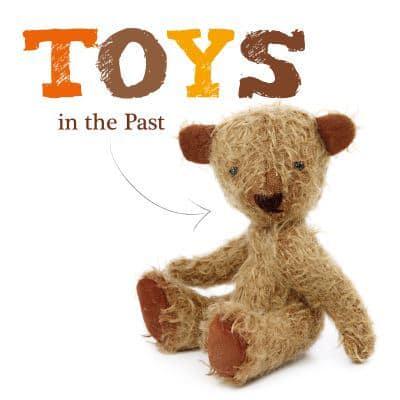
Toys in the Past by Joanna Brundle
Part of an illustrated series about toys, this volume gives 5-7 year olds an introduction to playthings from the past. Easy-to-read text and full-colour images place toy history within a wider look at materials, mechanisms and toys around the world. Children can use familiar objects as a route into thinking about change over time, while the wider series links the subject with technology and engineering.
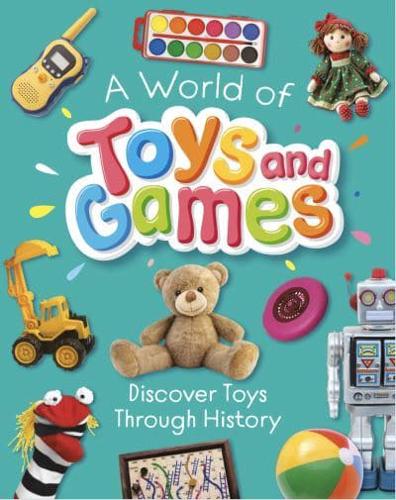
A World of Toys and Games by Susie Williams
From dolls, teddies and cars to hopscotch, skipping and traditional games, Susie Williams looks at ways children play around the world. The book compares toys and games from the past with those used today and includes examples associated with Mexico and Africa, widening the subject beyond familiar British playthings. A step-by-step craft activity at the back extends the topic into making and doing.
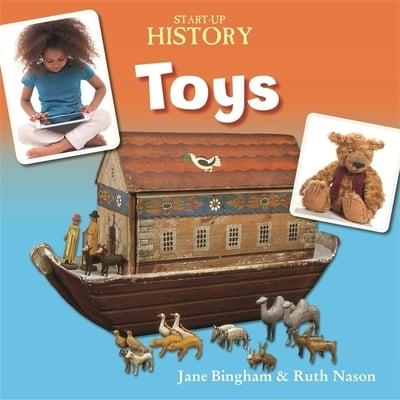
Start-Up History: Toys by Ruth Nason and Jane Bingham
This history title for 5-7 year olds moves from wooden and metal toys of the nineteenth century through plastic toys to electronic playthings. Ruth Nason and Jane Bingham include examples such as Noah’s arks and dolls, and invite children to use clues from materials and technology to work out when toys may have been made. Questions and visual evidence encourage early historical enquiry.
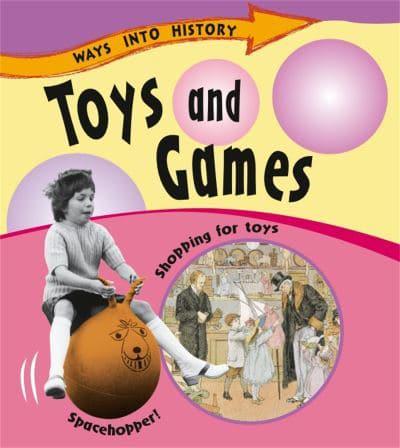
Ways Into History: Toys and Games by Sally Hewitt
Toys from the past and present sit side by side in this introduction to historical enquiry. Children from around 5 can look at how toys have changed, consider the materials and methods used to make them, and use a timeline of notable nineteenth- and twentieth-century toys. Questions, activities and “Talk About” prompts encourage observation and discussion, while teaching and literacy notes support classroom or home use.
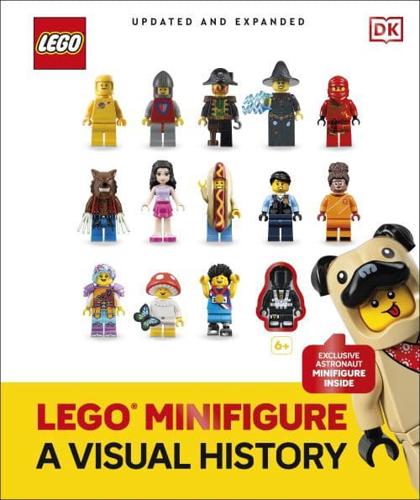
LEGO® Minifigure A Visual History Updated and Expanded by DK
For 7-11 year olds who enjoy LEGO, this visual history follows the minifigure from its beginnings in 1978 through decades of changing themes and designs. More than 2,500 minifigures appear across the book, organised by decade and drawn from ranges including City, NINJAGO, Star Wars, Minecraft and Animal Crossing. The 2025 updated edition adds five years of newer figures and includes an exclusive astronaut minifigure.
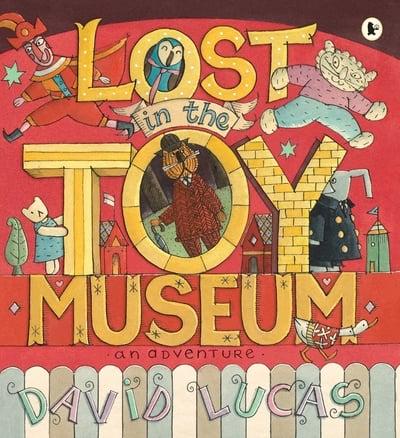
Lost in the Toy Museum by David Lucas
When the lights go out in a toy museum, everyone runs off and hides. Bunting, a sensible old toy cat, finds himself alone and sets off to look for the others, following a trail of clues through the displays. This picture book for 3-5 year olds turns a museum full of objects into a playful setting, giving children plenty to notice as the search unfolds. David Lucas combines a hide-and-seek adventure with the appealing idea that museum toys might come to life once visitors have gone home.
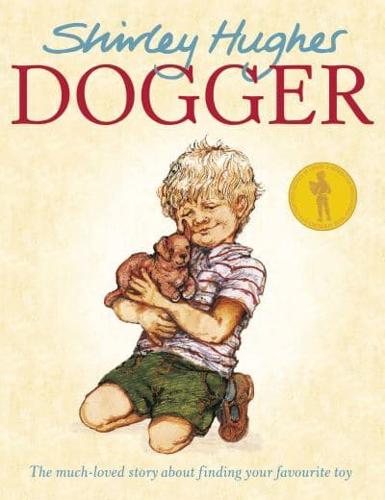
Dogger by Shirley Hughes
Dave’s much-loved toy dog, Dogger, goes missing after a busy day. The search becomes especially urgent when Dave later spots Dogger on a stall at the school summer fair, only to discover that someone else has bought him. Shirley Hughes builds the story around the enormous importance a worn, familiar toy can have in a child’s life.
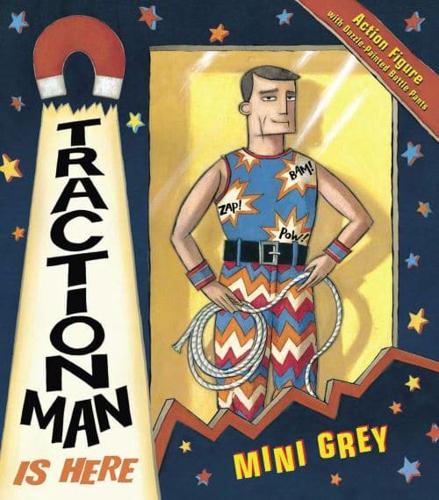
Traction Man Is Here by Mini Grey
Traction Man arrives ready for action, and the ordinary spaces of a home become the setting for heroic missions. He patrols, rescues toys and tackles imagined dangers in different action outfits, until a knitted green romper suit from his owner’s granny changes his heroic look. This energetic picture book for 5-7 year olds uses the logic of imaginative play throughout, turning sinks, household objects and other toys into parts of Traction Man’s adventures.
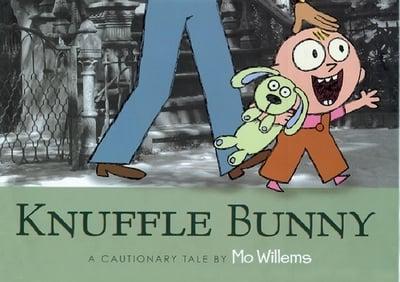
Knuffle Bunny by Mo Willems
Trixie goes with her dad to the neighbourhood laundromat, but the trip home goes badly when her beloved stuffed rabbit, Knuffle Bunny, is left behind. For 4-7 year olds, the story captures the frustration of a small child who knows exactly what is wrong before she can make the adult with her understand. Mo Willems places expressive cartoon characters over black-and-white photographs of New York streets and interiors, creating a distinctive visual setting for an everyday family mishap and the search for a favourite toy.
Old Bear by Jane Hissey
Old Bear has been packed away in the attic, so Bramwell Brown, Little Bear, Duck and Rabbit devise a series of plans to bring him safely back downstairs. Their rescue attempts turn household objects into practical tools and playful inventions, giving the story a problem-solving thread as well as the comfort of a reunion with a cherished toy. This collector’s edition of Jane Hissey’s picture-book classic includes extra scrapbook material.

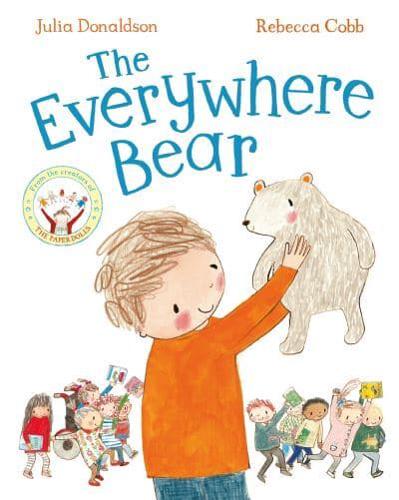
The Everywhere Bear by Julia Donaldson, illustrated by Rebecca Cobb
The Everywhere Bear belongs to a whole class and spends each weekend visiting a different child. One day he falls unnoticed from a backpack and begins an unexpected journey before finding his way back towards Class One. This picture book for 3-6 year olds turns a familiar classroom tradition into an adventure about belonging, worry and reunion.
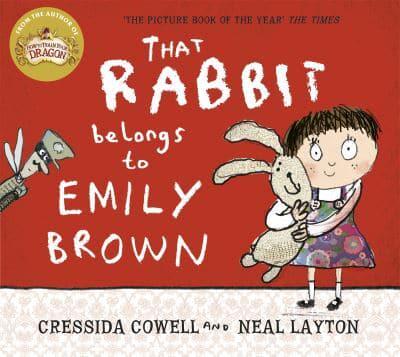
That Rabbit Belongs To Emily Brown by Cressida Cowell, illustrated by Neal Layton
Emily Brown loves her old toy rabbit, Stanley, and their imaginative adventures together. When Queen Gloriana takes Stanley, Emily sets out to get him back and make clear why her favourite companion matters so much. Cressida Cowell’s text and Neal Layton’s illustrations keep Emily’s loyalty to Stanley at the centre of a lively confrontation with a queen who has set her sights on somebody else’s rabbit.
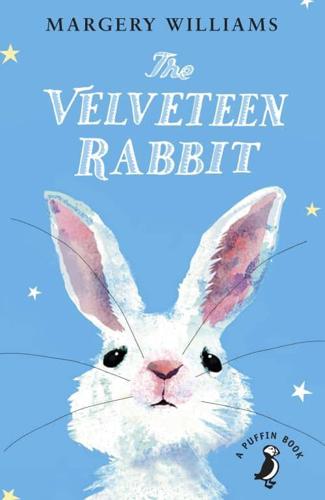
The Velveteen Rabbit: Or How Toys Became Real by Margery Williams, illustrated by Justin Todd
A toy rabbit longs to understand what it means to become Real and learns that love can transform the way a toy is seen and valued. Margery Williams’s classic nursery story centres on the bond between the Velveteen Rabbit and the boy who comes to love him, following the rabbit as his once-new appearance becomes worn through play and affection.
Toys in Space by Mini Grey
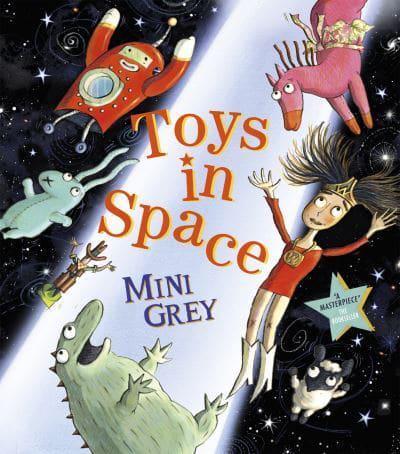
One summer night, seven toys are left outside in the garden. As they grow anxious in the dark, Wonderdoll tells them a story about a spaceship that beams them aboard and carries them into space. There they encounter the Hoctopize, a lonely alien who has collected lost toys while searching for his own missing favourite, Cuddles. Mini Grey’s picture book combines the toys’ fears of being forgotten with an imaginative science-fiction adventure in which they help the alien return lost toys to their owners.
The Teddy Robber by Ian Beck
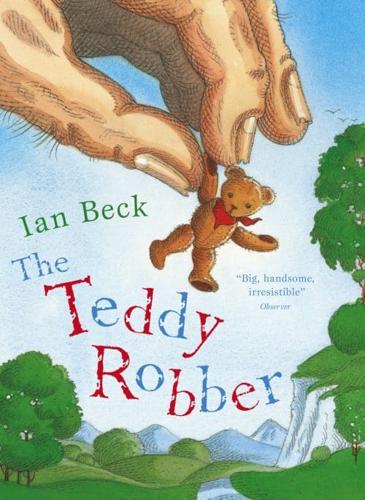
Someone is stealing teddy bears, and Tom’s own teddy is snatched in the night. Determined to discover who is responsible, Tom follows the mystery of the Teddy Robber in a story that turns one of childhood’s most familiar comfort objects into the centre of an adventure. Ian Beck writes and illustrates the book, so the same creator shapes both the telling and the pictures around the search for the missing bears.
Click the buttons below to purchase all of the books in this toys and toy history list, as well as class sets of any of these books and many more, from Bookshop.org UK. Or buy all 15 listed titles from Amazon – ideal for gifts or your classroom library.
Buy from UK.Bookshop.Org Buy from Amazon.co.uk
Disclosure: If you buy books using the buttons above: we may earn a commission from Bookshop.org, whose fees support independent bookshops; as an Amazon Associate schoolreadinglist.co.uk earns from qualifying purchases.
Schools & teachers: please respect copyright and don’t copy our toys and toy history list. If you find our book recommendations useful, please consider sharing on social media or linking to this page instead. Thanks.
Toys and toy history resources for teachers
- Historic England provides a free PowerPoint, worksheet and historical photograph of a family with their toys in 1900. The activities encourage KS1 pupils to compare old and modern toys, investigate the materials they were made from and identify similarities and differences.
- Another Historic England teaching resource uses an archive photograph of a Manchester toy shop in 1927 to explore how children played in the past. Accompanying teaching notes and a PowerPoint suggest observation, discussion, drawing and descriptive vocabulary activities.
- The Victoria and Albert Museum’s Toys and Games from the Past teaching pack explores the history of dolls, clockwork toys, construction sets, board games and outdoor play. It includes historical background information and ideas for comparing toy materials, designs and the changing expectations of childhood.
- MyLearning’s Toys Through Time resource, developed with York Museums Trust, features photographs of Victorian, 1950s and modern toys, including clockwork vehicles, pull-along toys and dolls. Free KS1 teaching notes cover historical comparison, materials, simple mechanisms and designing a modern version of an old toy.
- The National Archives offers a free historical enquiry for KS2 and KS3 using original Victorian and Edwardian board games. Pupils investigate games such as The Little Teacher, Scout Equipment and The Merry Anglers to discover what their designs reveal about education, advertising, leisure and everyday life.
- English Heritage traces 2,000 years of board games, from Roman gaming counters and medieval chess pieces to Victorian educational puzzles and early 20th-century parlour games. The resource includes historical objects, explanations of traditional games and a printable Merrills board for pupils to try.
- The Museum of Brands provides free downloadable teaching materials, including a Toys and Materials lesson plan for KS1 and KS2, an early years Toys and Games trail, and toy-themed colouring and design activities. These resources can support investigations into changing toy materials, manufacturing, advertising and design.
- The Science Museum Group’s online collection features historical toys including dolls, optical toys, toy microscopes, clockwork mechanisms and early scientific playthings. Photographs and catalogue records provide useful primary sources for investigating how toys, technology and manufacturing have changed over time.
- The Horniman Museum and Gardens offers a downloadable toys and games image pack and a bookable Reception and KS1 workshop exploring traditional toys from around the world. Examples include Zimbabwean push-along toys, Russian pendulum toys and Guatemalan worry dolls, with activities examining materials, mechanisms and cultural traditions.
- Leeds Museums and Galleries offers a bookable Toys Through Time virtual workshop for KS1, KS2 and SEND pupils. Using objects from Abbey House Museum, children compare old and new toys, investigate how they move, explore different materials and learn Makaton signs associated with familiar toys.
- STEM Learning provides a practical magnetic maze challenge for primary pupils, with downloadable activity sheets and a presentation. Children design and construct a simple maze game, investigate magnetic materials and explore how magnets can be used in toys, linking science with design and technology.
- The Historical Association has published a teaching article about developing young children’s historical understanding through toys and games. Suggested activities include sorting toys into timelines, comparing familiar objects and exploring changes within living memory. The full article is available to primary members or through individual purchase.
- For EYFS practitioners, BookTrust explores the connections between books, toys and children’s development. Its guidance examines sensory, imaginative, social and active play, with suggestions for using interactive books, puppets, flaps and games to support early learning.
BISAC JUV040000, JNF025000. | Thema YNVD.