Books about bullying for children and teens
These books about bullying for children and teens explore teasing, exclusion, prejudice, cyberbullying and the difference a supportive friend can make. Picture books introduce kindness and the feelings behind unkind behaviour, while the middle-grade stories and young adult novels examine peer pressure, identity and standing up for others. The selection includes fiction, a practical non-fiction guide and a graphic novel, offering families and schools different ways to begin important conversations. This list features books by Jeanne Willis, Giles Andreae, R J Palacio, Onjali Q. Raúf, Elle McNicoll, Tamsin Winter, Holly Smale, Sophie Kinsella, Alice Oseman, and Benjamin Zephaniah.
Books about bullying for children and teens – our recommendations
Bullying picture books for 3-7 year olds
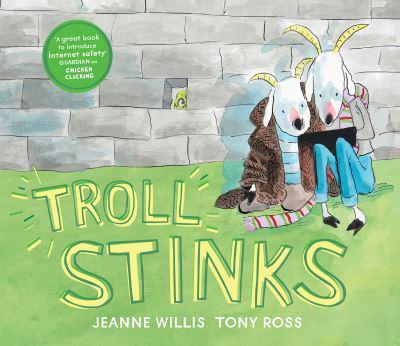
Troll Stinks! by Jeanne Willis, illustrated by Tony Ross
Billy and Cyril find a mobile phone and decide to send messages to a troll. It’s a joke to the two young goats, but the troll on the receiving end sees it very differently. Jeanne Willis and Tony Ross use a familiar fairy-tale character to introduce online bullying, thoughtless messages and the feelings of the person being targeted. The super-engaging picture-book format makes it particularly effective for sharing with 3-5 year olds before discussing kindness and how words can hurt.
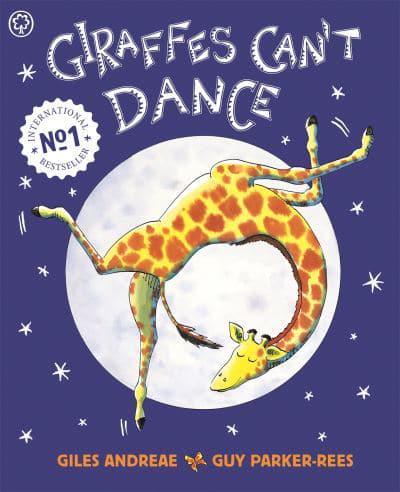
Giraffes Can’t Dance by Giles Andreae, illustrated by Guy Parker-Rees
Gerald the giraffe would love to join the Jungle Dance, but the other animals laugh at his attempts to move. When he discovers his own rhythm, the evening takes an entirely different turn. Giles Andreae’s rhyming story and Guy Parker-Rees’s bright illustrations give children a memorable way to talk about teasing, confidence and the effect of encouraging words. This outstanding picture book for 3+ year olds works well as a read-aloud, especially when pupils are exploring differences and belonging.
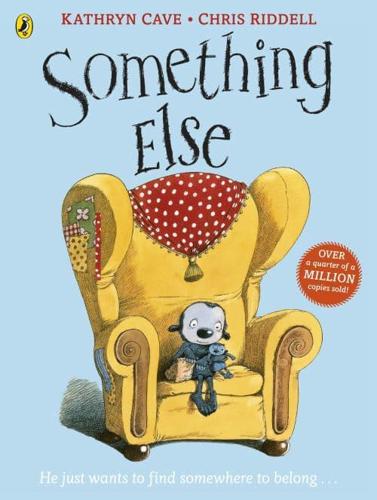
Something Else by Kathryn Cave, illustrated by Chris Riddell
Something Else lives alone because the other creatures insist he is different from them. He tries to fit in, but their rejection leaves him feeling isolated. Then an unexpected visitor gives him the opportunity to think about acceptance from another point of view. Kathryn Cave’s story, illustrated by Chris Riddell, addresses exclusion through an unusual, appealing character. It’s a natural starting point for conversations about friendship, welcoming newcomers and noticing when somebody is being left out. Highly recommended.
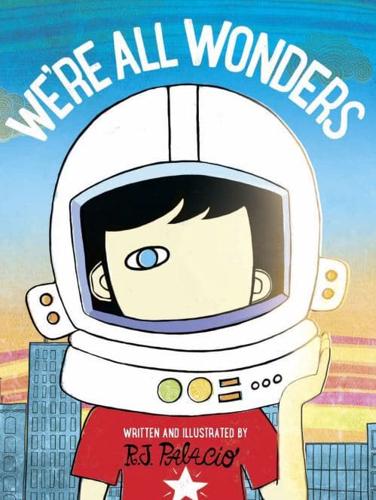
We’re All Wonders by R J Palacio
Auggie knows that people sometimes stare at his face or behave unkindly towards him. In this illustrated introduction to the world of Wonder, he asks to be seen as an ordinary child who enjoys familiar things and wants friends. R J Palacio presents his experience in simple language, with distinctive pictures that invite discussion. We’re All Wonders introduces appearance-based prejudice, empathy and everyday kindness for a younger audience than the original novel, making it especially useful for classroom sharing.
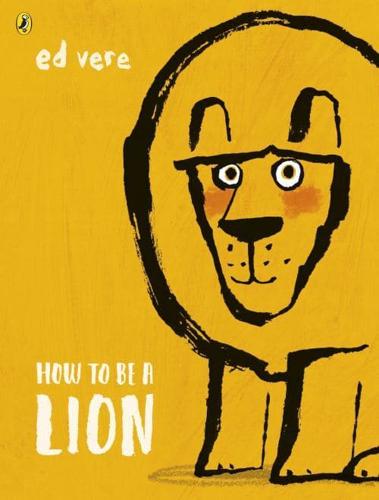
How to be a Lion by Ed Vere
Leonard is a lion who likes writing poems and spending time with his friend Marianne, a duck. Other lions think he should behave differently and try to tell him what a lion ought to be. Ed Vere’s picture book follows Leonard as he finds the words to express his own view. Its gentle humour opens up discussion about peer pressure, unfair expectations and the courage involved in being yourself.
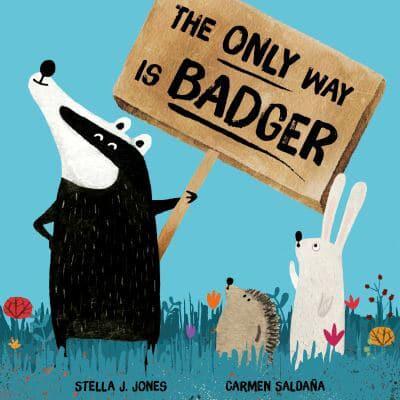
The Only Way Is Badger by Stella J Jones, illustrated by Carmen Saldaña
Badger decides that his black-and-white way of looking at the world is the only correct one. He begins telling the other animals how they should behave and which differences he will accept. As his rules affect the forest community, the animals have to respond. Stella J Jones and Carmen Saldaña use this animal story to explore exclusion, intolerance and standing together. The illustrations offer plenty to notice during a group reading, particularly when children are discussing fairness and respect.
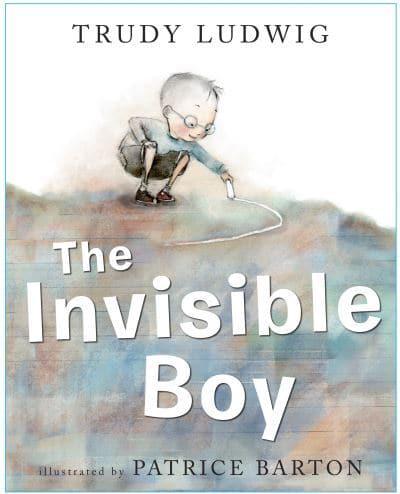
The Invisible Boy by Trudy Ludwig, illustrated by Patrice Barton
Brian is the child nobody seems to notice. He is overlooked when teams are chosen and when classmates make plans, until a new boy, Justin, arrives. A small act of welcome begins to change what happens at school. Patrice Barton’s illustrations make Brian’s isolation visible through their use of colour, supporting Trudy Ludwig’s account of how exclusion feels. This picture book is particularly helpful for discussing bystanders, invitations to join in and the part every child can play in making others feel included.
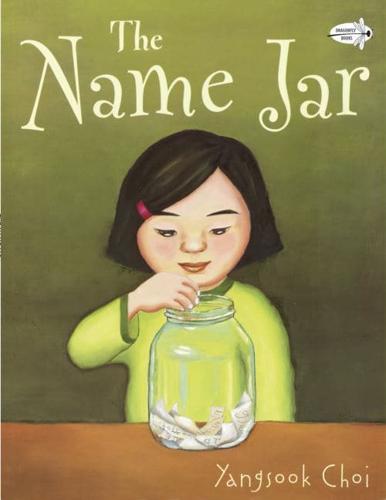
The Name Jar by Yangsook Choi
When Unhei arrives from Korea and starts at an American school, she worries that her classmates will struggle with her name. She considers choosing a new one from suggestions collected in a jar. As she gets to know the other children, the question of what makes a name special becomes central to the story. Yangsook Choi’s fascinating picture book for 3-7 year olds explores belonging, cultural identity and the effects of teasing. It offers a welcoming way to discuss names, respect and friendship.
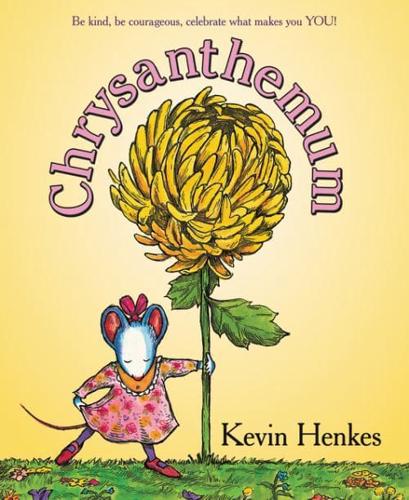
Chrysanthemum by Kevin Henkes
Chrysanthemum has always loved her unusual name, until children at school begin making fun of it. Their comments leave her questioning something that once made her happy. Kevin Henkes tells the story through expressive mouse characters, combining humour with an understanding of how teasing can affect confidence. It is a particularly useful picture book for talking about name-calling, individuality and the difference kind adults and classmates can make.
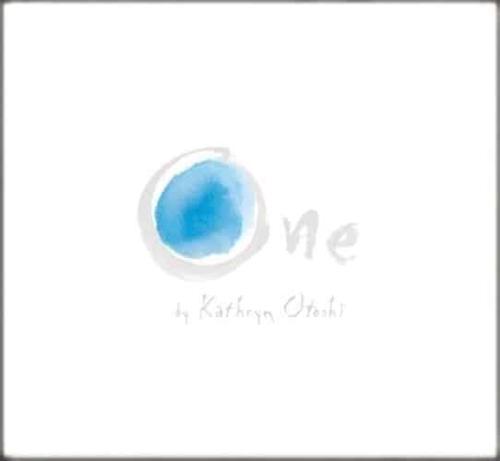
One by Kathryn Otoshi
Blue is being picked on by Red, and the other colours are unsure how to respond. When One arrives, a simple act of standing up to Red helps everyone see that things can change. Kathryn Otoshi tells the story through numbers and colours, making the behaviour easy to recognise without a complicated plot. The illustrations provide a clear focus for group discussion about bullying, bystanders and speaking up. It’s a particularly useful way to explore the power of a collective response to unkindness.
Champ by Payam Ebrahimi and Reza Dalvand
Born into a family of athletic champions, Abtin doesn’t feel as though he fits in with the other members of his family. He doesn’t want to train to become a sporting hero and instead, he wants to be artistic. Determined to find his way, he thinks he has a solution, a solution which is revealed in a clever and thought-provoking illustrative twist. Themes of individuality, self-acceptance and resilience are explored in this large format book which is ideal for reading with children aged 5-8 and discussing with KS2 classes in PSHE. Written and illustrated by the award-winning Payam Ebrahimi and Reza Dalvand, ‘Champ’ champions all those children who are at odds with the expectations of others and feel apart from their families. It’s a valuable educational tool and a stunningly memorable picture book. Highly recommended.

Bullying books for children aged 7-12
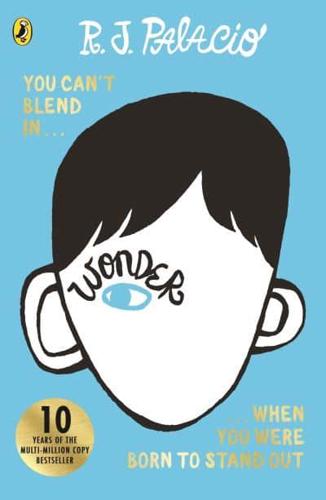
Wonder by R J Palacio
August Pullman has been educated at home and is about to attend a mainstream school for the first time. His facial differences attract unwanted attention, and he must negotiate friendships, cruelty and the everyday challenges of school life. R J Palacio tells the story through several viewpoints, allowing children to see how one person’s behaviour affects others. Wonder gives classes plenty to discuss about bullying, loyalty, courage and kindness, as well as the difference between fitting in and being accepted for who you are.
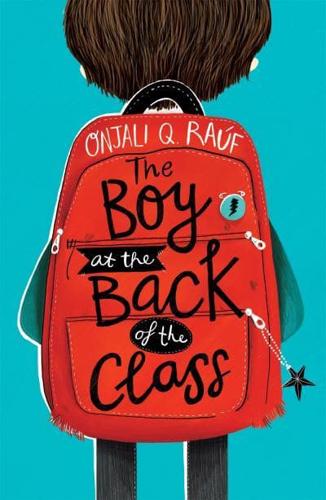
The Boy at the Back of the Class by Onjali Q. Raúf, illustrated by Pippa Curnick
When a new pupil called Ahmet joins their class, a group of children learn that he has fled war and become separated from his family. They decide to help him, even as misunderstanding and prejudice create difficulties around them. Onjali Q. Raúf tells the story with warmth and humour from a child’s perspective. This novel for 9+ year olds offers opportunities to discuss refugee experiences, name-calling, friendship and the difference made by children who refuse to stand by when someone is treated unfairly.
Max and Ella, Stuck Together by Kristina Rahim
Max is bruised by bullying at secondary school and his confidence in music has taken a hit, which is awkward timing with a charity concert coming up. He starts thinking about meeting Hari, his donor parent. But Ella, Hari’s daughter, is not thrilled, especially with her mum abroad and her best friend moving schools. When Max turns up at Ella’s family weekend anyway, the first meeting lands hard and nothing feels simple afterwards. A poignant, thought-provoking read for 9-12 year olds, and one that’s perfect for book club discussion. Highly recommended.

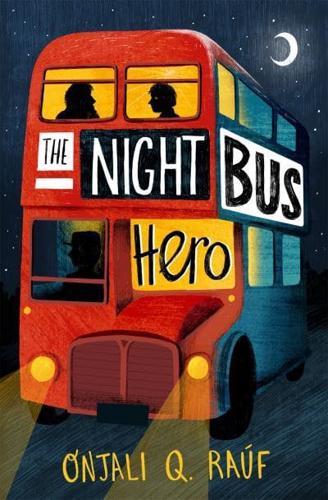
The Night Bus Hero by Onjali Q. Raúf
Hector has gained a reputation for bullying and getting into trouble. After an incident involving a man who is sleeping rough, he becomes caught up in events that challenge the way he thinks about other people and himself. Onjali Q. Raúf tells the story from the perspective of a child whose behaviour has hurt others, making this novel for 8+ year olds especially interesting for discussions about responsibility and change. Homelessness, reputation, kindness and the possibility of making better choices are all part of the story.
Planet Omar: Accidental Trouble Magnet by Zanib Mian, illustrated by Nasaya Mafaridik
Omar has moved house and started at a new school, where making friends is complicated by a boy who picks on him. His lively imagination helps him cope with awkward and upsetting situations, while home life brings its own funny moments. Zanib Mian introduces a British Muslim family through Omar’s entertaining first-person account, with illustrations by Nasaya Mafaridik. For 9+ year olds, this novel brings together school bullying, friendship, stereotypes and the experience of finding your feet somewhere new.

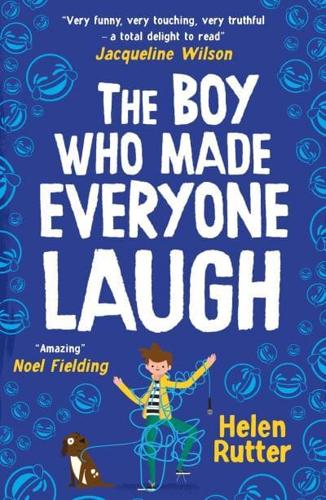
The Boy Who Made Everyone Laugh by Helen Rutter, illustrated by Andrew Bannecker
Billy Plimpton wants to become a stand-up comedian, but his stammer makes speaking in front of other people a daunting prospect. School brings opportunities for friendship alongside moments of embarrassment and unkindness. Helen Rutter’s funny and compassionate novel follows Billy as he works towards his dream and learns more about his own voice. Andrew Bannecker’s lively illustrations complement the humour. The story also opens conversations about teasing, communication differences, self-confidence and the value of listening patiently.
Glitter Boy by Ian Eagleton
Eleven-year-old James grapples with bullies at school and a challenging relationship with his father when not everyone is enthusiastic about an upcoming surprise choir performance. In this emotional rollercoaster that tackles bullying, self-discovery, and LGBTQ+ acceptance, the character of James sparkles with positivity and resilience, and the supportive cast of his teacher, friends, and loving Nan will offer readers hope. Addressing the realities of LGBTQ+ youth and promoting compassion and empathy, Glitter Boy is a vital addition to UKS2 and KS3 libraries. Eagleton’s uplifting narrative is a heartfelt triumph that will provide solace and inspiration to those reading it.

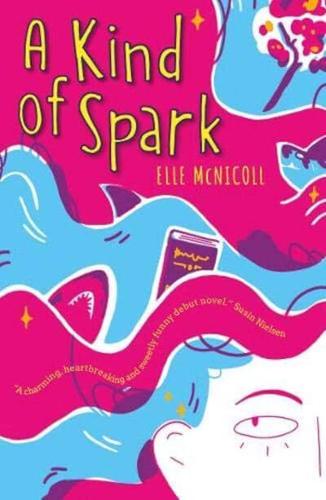
A Kind of Spark by Elle McNicoll
Addie is autistic, and life at school can be especially hard when classmates and adults misunderstand her. Learning about women accused of witchcraft in her Scottish town inspires her to campaign for a memorial. As she stands up for people who were treated unjustly, the story connects historical prejudice with the treatment of people who are different today. Elle McNicoll’s landmark novel explores bullying, ableism, friendship and determination through Addie’s perspective, giving children a compelling character whose sense of fairness drives the plot.
Can You See Me? by Libby Scott and Rebecca Westcott
Tally is eleven and autistic. As she prepares for secondary school, she becomes increasingly aware of the pressure to behave like everyone else, even when hiding her differences is exhausting. The novel combines fiction by Rebecca Westcott with diary-style material inspired by Libby Scott’s own experiences. Friendship, teasing, misunderstanding and finding the confidence to be herself run through the story. Can You See Me? gives children a perspective on school life in which kindness and being understood matter enormously.

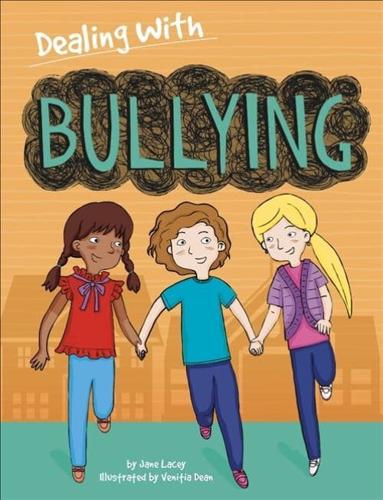
Dealing With…: Bullying by Jane Lacey, illustrated by Venitia Dean
Seven short accounts introduce children dealing with different kinds of bullying, from being left out by friends to being mocked for the way they speak. Jane Lacey brings together these situations with practical suggestions for responding, recognising peer pressure and asking for help. Venitia Dean’s illustrations support the discussion, and a short playscript at the end gives groups something to act out. This illustrated non-fiction book for 7+ year olds is particularly useful for PSHE sessions about verbal, physical and social bullying.
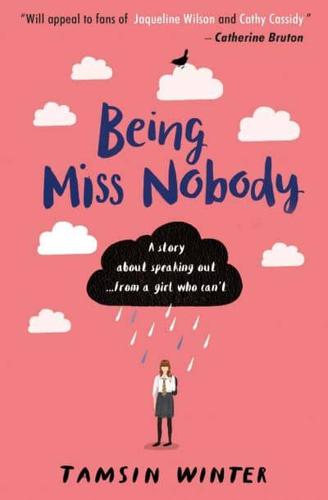
Being Miss Nobody by Tamsin Winter
Rosalind has selective mutism, which makes speaking at school extremely difficult. When other children target her, an online identity gives her a way to express the things she cannot say aloud. But what she posts begins to affect people beyond the original bullies. Tamsin Winter’s novel approaches bullying from more than one side, examining how hurt can spread through social media and friendships. This relatable story for 9+ year olds offers a thoughtful basis for discussing communication, empathy and responsibility for words shared online.
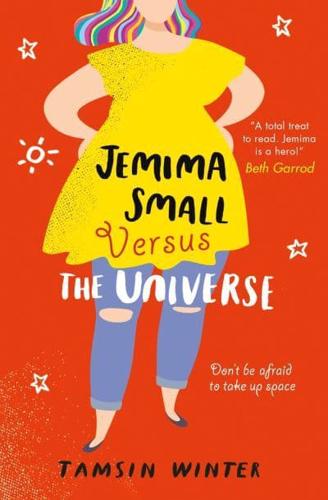
Jemima Small Versus the Universe by Tamsin Winter
Jemima loves science and dreams of winning a television quiz, but at school she is subjected to cruel comments about her weight. Being placed in a special group only adds to her frustration with the way others judge her appearance. Tamsin Winter tells Jemima’s story with humour and warmth, giving plenty of space to her curiosity, ambitions and friendships. The novel brings body shaming and bullying into sharp focus alongside self-worth, family and the pleasures of being good at something you love.
And Now We Run by Nicola Penfold
Jelly is dreading the upcoming school trip at her new school, while Lincoln is keen to return to the hills he knows from visits with his brothers. When extreme weather causes reservoirs to burst and the group is evacuated without them, the two children must work together to outrun rapidly rising floodwater. This gripping and tense survival story for 9-12 year olds is replete with themes of climate anxiety, friendship dynamics and toxic bullying. Edgy, pertinent and exciting, it’s perfect for UKS2 and KS3. Highly recommended, And Now We Run is ideal summer holiday reading.

Bullying books for teens
Fight Back by A. M. Dassu
13-year-old Aaliyah faces discrimination and bullying after a terrorist attack at a nearby concert changes how people see her. Choosing not to hide, she wears a hijab with pride and challenges stereotypes and misconceptions where she sees them. But when her resolve is tested she has a decision to make – to lay low or Fight Back. This gripping young adult novel explores themes of identity, resilience, and unity in the face of Islamophobia. A powerful call to positive action, it’s ideal to discuss in book clubs.

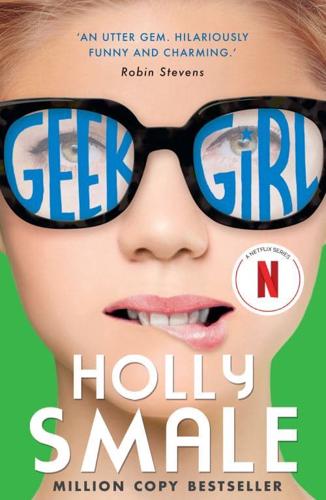
Geek Girl by Holly Smale
Harriet Manners knows a great deal about unusual facts, but her knowledge rarely helps her navigate the social rules at school. She is a target for the popular crowd, and an unexpected opportunity in the fashion world complicates matters further. Holly Smale mixes comedy, modelling and awkward friendships in this first Geek Girl novel. Beneath the entertaining situations are recognisable experiences of being singled out, wanting to belong and discovering that other people’s labels need not define you.
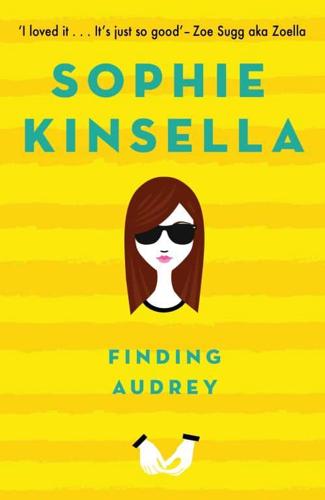
Finding Audrey by Sophie Kinsella
After being bullied at school, Audrey is struggling with anxiety and finding it difficult to return to everyday life. Much of the story takes place within her busy family home, where her brother’s friend Linus gradually becomes someone she can talk to. Sophie Kinsella balances Audrey’s recovery with family comedy and a developing relationship. This YA novel explores the continuing effects of bullying, the importance of supportive relationships and the small steps involved in rebuilding confidence.
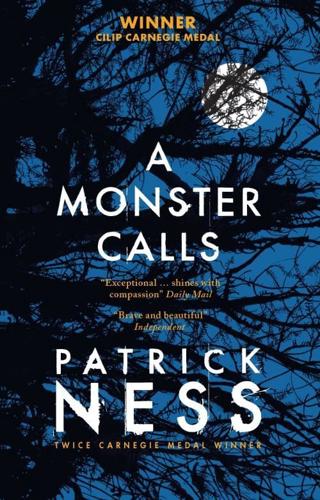
A Monster Calls by Patrick Ness and Siobhan Dowd
Conor has nightmares and is dealing with his mother’s serious illness. At school he also faces bullying, while a strange monster begins visiting him at night and demanding stories. Patrick Ness brings these experiences together in a powerful novel about fear, anger, truth and grief, developed from an idea by Siobhan Dowd. The school scenes reveal the isolating effects of cruelty and silence, while the monster’s stories invite older pupils to think about difficult feelings and the things people struggle to say aloud.
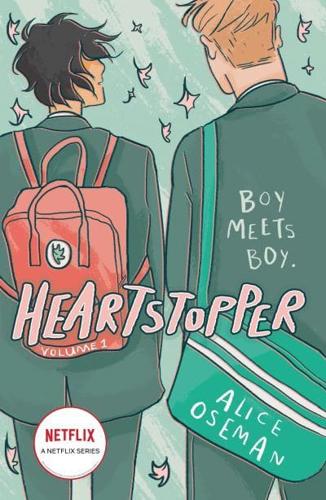
Heartstopper Volume 1 by Alice Oseman
Charlie Spring has already experienced bullying at his boys’ school when he meets Nick Nelson, a popular rugby player. Their growing friendship becomes the heart of this graphic novel, alongside questions about identity, trust and how people treat one another. Alice Oseman’s expressive artwork brings small gestures and awkward conversations vividly to life. This memorable story for teens offers an accessible way to discuss homophobic bullying, supportive friendships and the importance of feeling safe enough to be yourself.
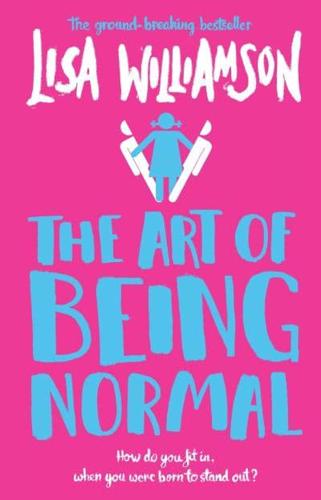
The Art of Being Normal by Lisa Williamson
David hopes to live openly as a girl, but at school this remains a secret and other pupils already make life difficult. When Leo joins the sixth form, a friendship develops that changes how they both see themselves and their futures. Lisa Williamson’s novel alternates between their perspectives, bringing school gossip, bullying, family relationships and questions of identity into the same story. It provides older teenagers with two distinct voices and plenty to consider about privacy, acceptance and having somebody on your side.
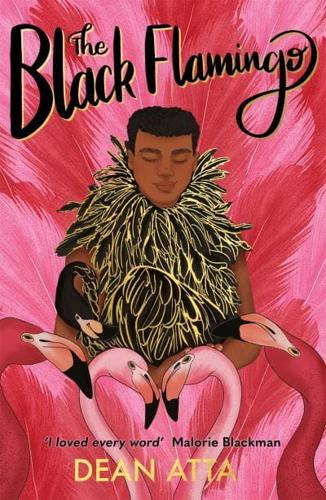
The Black Flamingo by Dean Atta, illustrated by Anshika Khullar
Michael grows up in London, finding his way through questions of race, masculinity and sexuality. As he gets older, he discovers drag as a way to express parts of himself that other people have questioned or criticised. Dean Atta tells the story in verse, with illustrations by Anshika Khullar. The Black Flamingo traces experiences of prejudice and exclusion alongside friendship, family and creativity. This novel for 12+ year olds is especially well suited to discussions about identity, belonging and finding a voice.
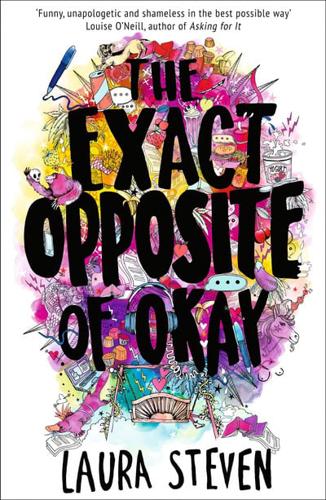
The Exact Opposite of Okay by Laura Steven
Izzy O’Neill’s private photographs are shared without her consent, and her life becomes the subject of gossip and judgement both online and offline. Laura Steven’s YA novel follows the consequences for Izzy’s friendships, reputation and sense of control. It tackles online harassment, victim-blaming and the way a crowd can magnify cruelty. Written with sharp humour as well as anger, this outstanding teen novel is a valuable starting point for older teenagers discussing consent and digital behaviour.
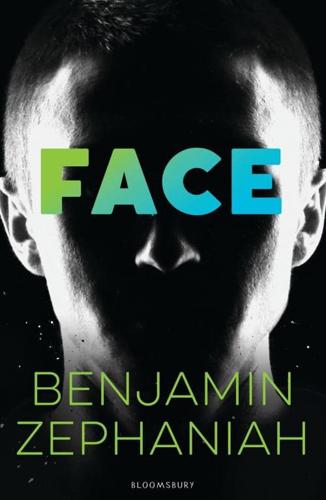
Face by Benjamin Zephaniah
Martin is a confident teenager living in East London until a car accident leaves him with facial scarring. Returning to his familiar world means adjusting to the way other people look at and treat him, including experiences of bullying and rejection. Benjamin Zephaniah’s novel follows Martin’s friendships, family relationships and changing understanding of himself. Face brings appearance-based prejudice and social pressure into a highly convincing teen story, giving secondary pupils much to discuss about empathy, identity and the assumptions people make.
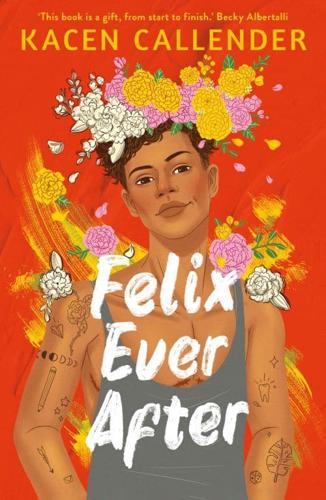
Felix Ever After by Kacen Callender
Felix is a transgender teenager hoping to find love and a sense of belonging. When someone publicly shares photographs from before his transition and uses his former name against him, school life becomes tangled in harassment and uncertainty. Kacen Callender’s YA novel follows Felix as he navigates friendships, romance, questions about identity and his response to the person targeting him. For 13+ year olds, it offers a detailed portrayal of online cruelty alongside creativity, community and growing self-acceptance.
The Dark Within Us by Jess Popplewell
Hell isn’t how you imagined it in this highly original debut contemporary YA novel. Jenny, a troubled girl, and Luc, a demon from a ruling family in Hell, begin a journey through the underworld to recover Jenny’s stolen soul. Perfect for teens who enjoy dark humour and dark fantasy, it explores themes of resilience, bullying and self-discovery, and overcoming adversity. This superb, convincing, and memorable story is highly recommended for KS4.

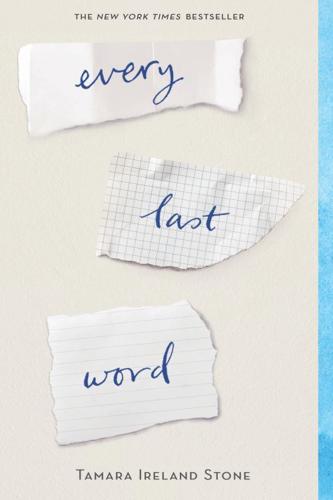
Every Last Word by Tamara Ireland Stone
Samantha is part of a popular friendship group at school, but she keeps her obsessive-compulsive disorder private and feels pressure to maintain the image her friends expect. Meeting Caroline introduces her to a hidden poetry group, where she begins expressing thoughts she has struggled to share. Tamara Ireland Stone’s YA novel looks closely at peer pressure, social exclusion, mental health and the need to feel understood.
Click the buttons below to purchase all of the books in this anti-bullying reading list, as well as class sets of any of these books and many more, from Bookshop.org UK. Or buy 30 selected titles from this list from Amazon – ideal for gifts or your classroom library.
Buy from UK.Bookshop.Org Buy from Amazon.co.ukDisclosure: If you buy books using the buttons above: we may earn a commission from Bookshop.org, whose fees support independent bookshops; as an Amazon Associate schoolreadinglist.co.uk earns from qualifying purchases.
Schools & teachers: please respect copyright and don’t copy our bullying books list. If you find our book recommendations useful, please consider sharing on social media or linking to this page instead. Thanks.
Bullying resources for teachers
- The Anti-Bullying Alliance provides free primary and secondary school teaching packs for Anti-Bullying Week 2026, themed Break the Silence. Resources include KS1-KS4 lesson plans, assemblies, classroom films, PowerPoint presentations, posters and cross-curricular activities exploring bullying, speaking up and supporting others.
- The Anti-Bullying Alliance’s bullying teaching resources include downloadable primary and secondary lesson plans, assembly presentations and activities exploring the difference between bullying and conflict. The materials examine power imbalances, group behaviour, bystanders and the importance of recognising and reporting bullying.
- The PSHE Association offers lesson plans, curriculum guidance and professional development resources covering bullying and discrimination. Topics include respectful friendships, online bullying, prejudice, stereotyping, harassment, the responsibilities of bystanders and how pupils can seek help. Resources are organised by age and key stage, including SEND provision.
- Coram Kidscape’s resource hub features practical advice, downloadable activities and guidance for schools and families. The materials explore recognising bullying, developing children’s confidence, managing friendship difficulties, cyberbullying and helping pupils feel safe and supported at school.
- The Diana Award’s Anti-Bullying Programme provides lesson plans, activities, videos, posters, presentations and guidance for primary and secondary schools. Its resources explore racist bullying, appearance-based bullying, discriminatory language, online safety, inclusion and pupil-led anti-bullying campaigns. Teachers can also find materials supporting the Anti-Bullying Ambassador Programme.
- The NSPCC’s anti-bullying resources include safeguarding guidance, an example anti-bullying policy statement and free Stop Speak Support classroom activities for KS3 and KS4. The materials help teachers recognise and respond to bullying, develop reporting procedures and encourage pupils to support others who experience online bullying.
- The NSPCC’s Think B4 You Type toolkit helps secondary school teachers organise pupil-led campaigns against online bullying. It includes advice on establishing youth advisory groups, surveying pupils, planning activities, raising awareness and evaluating the effectiveness of school campaigns.
- The UK Safer Internet Centre offers guidance and downloadable resources to help schools understand, prevent and respond to cyberbullying. Topics include recognising online harassment, establishing reporting systems, supporting affected pupils, removing harmful content and incorporating online safety into school policies and classroom teaching.
- Childnet’s STAR SEND Toolkit provides online safety teaching materials for 11-16 year olds with special educational needs and disabilities. Through animated films, discussion activities and supporting guidance, pupils explore staying safe, recognising trustworthy online interactions, responding to harmful behaviour, respecting others and developing positive online friendships.
- The BulliesOut school resources include free downloadable Anti-Bullying Week posters, classroom activities, discussion prompts and creative tasks for primary and secondary pupils. Materials encourage conversations about kindness, respect, inclusion, recognising bullying behaviour and supporting classmates. Welsh-language posters are also available.
- The Anti-Bullying Alliance’s reporting and recording guidance offers practical advice for school leaders and pastoral teams. Its downloadable guide covers encouraging pupils to report incidents, responding sensitively to disclosures, recording relevant information and using school data to identify patterns and improve anti-bullying strategies.
- The Department for Education’s Preventing and Tackling Bullying guidance explains the responsibilities of schools in England when preventing and responding to bullying. It covers school policies, safeguarding, supporting pupils who experience bullying, discriminatory behaviour and advice for parents and carers about cyberbullying.
- respectme, Scotland’s Anti-Bullying Service, provides teaching resources, classroom activities, videos, discussion materials and practical guidance for educators. Its Anti-Bullying Week 2026 resources explore prejudice-based bullying, celebrating differences, children’s rights and positive relationships, with materials suitable for primary and secondary learners.
- The Welsh Government’s Challenging Bullying guidance supports schools in preventing, identifying and responding to bullying and harassment. It addresses prejudice-related bullying, inclusive school environments, safeguarding, recording incidents and developing effective whole-school approaches. The guidance also links to anti-bullying resources on Hwb.
- The Northern Ireland Department of Education’s Effective Responses to Bullying Behaviour resource provides practical strategies for school staff supporting pupils who experience or engage in bullying. It outlines different levels of intervention and approaches to developing a positive, inclusive anti-bullying culture within schools.
BISAC JUV039230, JUV039060, YAF058020. | Thema YXQF, YXP, YFB.