Remembrance and war books for children and teens
Children’s books about remembrance provide opportunities to explore the significance of Remembrance Day and Armistice Day in schools and at home. This selection of children’s books about war includes picture books, class readers, historical fiction, poetry, diaries and non-fiction exploring the First World War (WW1), Second World War (WW2), poppies, peace and the experiences of people affected by conflict. Organised into recommendations for 3-7 year olds, 7-12 year olds and teens, the list features books by Michael Morpurgo, Michael Rosen, Tom Palmer, Nicola Davies, Hilary McKay and Liz Kessler. Ideal for Remembrance Day lessons in KS1 and KS2, KS3 history topics, school assemblies and home reading, these carefully chosen titles encourage discussion about courage, sacrifice, loss, refugees and the importance of remembrance.
Our recommended war and remembrance books for children in KS1 and KS2
Remembrance and war picture books picture books for 3-7 year olds
The Best Christmas Present in the World by Michael Morpurgo and Michael Foreman
A simple and evocative picture book, suitable for lower KS2, that tells the story of a truce in the trenches for Christmas 1914, when soldiers from both sides stopped fighting during WW1. The illustrations by Michael Foreman provide lots of ideas for displays, art links, and creative writing.

The Conquerors by David McKee
When an all-conquering general is left with only one country in the world left to take over, something very strange happens once his army marches in. A simple but effective moral tale that will provoke discussion about power, control, bullying, and authority in both KS1 and KS2 PSHE lessons.

WHY? by Nikolai Popov
An excellent book to share with children in KS1 and provoke discussion about conflict on a personal level, and amongst wider groups and countries. When a frog takes a flower that he likes the look of, his joy is short-lived when a mouse tries to steal it. The frog’s friends band together to scare the mouse away, but then the mouse gets organised with retaliation of his own. This book explores how and why wars develop, how senseless conflict can often appear, and provides an opportunity for children to discuss how to deescalate and resolve.

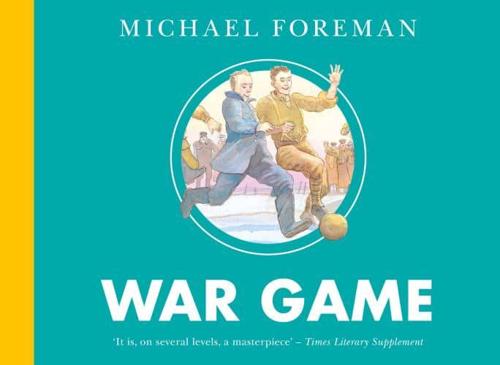
War Game by Michael Foreman
An illustrated children’s novel about a football game between two warring sides in Word War 1. This is a useful book to read with KS1 and lower KS2 classes, discuss in PSHE and create responses to in literacy and art lessons.
No! by David McPhail
When a small boy sets out to post a letter, he encounters bullying and conflict along his journey to the post box. This book is an interesting book to explore how playground tensions and children’s own experiences are analogous to strife in on a worldwide scale. A sharply realised and clever book to read and discuss with children in both KS1 and KS2.

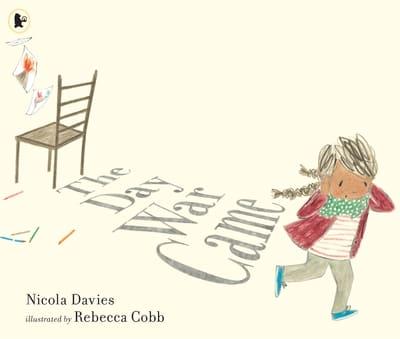
The Day War Came by Nicola Davies, illustrated by Rebecca Cobb
An ordinary school day becomes a nightmare when war destroys a little girl’s home and forces her to flee alone. After a dangerous journey to another country, she discovers that finding safety does not necessarily mean finding a welcome. Nicola Davies uses a simple wooden chair as a powerful symbol of kindness, belonging and the right to education. Rebecca Cobb’s expressive illustrations make this a particularly moving picture book to share with 5-7 year olds, opening up conversations about refugees, compassion and the experiences of children displaced by conflict.
Where The Poppies Now Grow by Hilary Robinson and Martin Impey
A poignant picture book story of friendship, change, and survival, set during WW1. The accessible rhyming form makes this text an ideal one to read and share with younger children, and a good starting point for discussion in PSHE. Suitable for children in both KS1 and KS2 and useful to spark topic work and art linked activities. There’s also a video here.

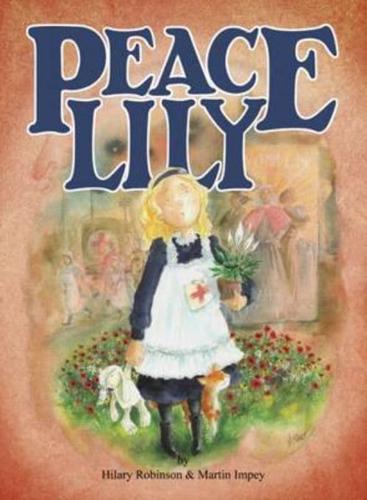
Peace Lily: The World War 1 Battlefield Nurse by Hilary Robinson, illustrated by Martin Impey
Lily has dreamed of becoming a nurse since childhood, but the outbreak of the First World War brings challenges far beyond anything she imagined. Following her friends Ben and Ray to the battlefields of France, she confronts the dangers faced by those caring for wounded soldiers. This beautifully illustrated story pays tribute to the women whose nursing work was essential to the war effort, although their contributions were not always properly recognised. Part of Hilary Robinson and Martin Impey’s First World War picture book series, it offers a valuable perspective on compassion, friendship, loss and the eventual return of peace.
Sadako’s Cranes by Judith Loske
Sadako Sasaki was only two years old when the atomic bomb was dropped on Hiroshima in August 1945. Ten years later, seriously ill with leukaemia, she begins folding origami cranes in the hope that an ancient Japanese belief will help her wish to recover come true. Told through the perspective of Sadako’s cat, Judith Loske’s beautifully illustrated picture book brings this true story of hope, suffering and remembrance to younger children. Ideal for 5-7 year olds and discussion in KS2, it offers an accessible and relatable introduction to the human consequences of nuclear warfare.

Remembrance and war books for children aged 7-12
The Missing: The True Story of My Family in World War II by Michael Rosen
A collection of prose recollections, poetry, documents, letters, and photographs that relate to Michael Rosen’s quest to find out what happened to his relatives who went missing during WW2. Highly recommended for KS2 teaching. Read our full review here.

Now or Never: A Dunkirk Story by Bali Rai
When Fazal Khan travels from his home in India to serve in the Royal Indian Army Service Corps in WW2, he is shocked not just by the horrors of war, but the treatment of his comrades by other soldiers and the army command. Readers are invited to think about why he is even there and whether he should feel loyalty to those who mistreat him. Well-written and exciting, this is a good book for discussion in year 6.

I Saw A Beautiful Woodpecker: The Diary of a Young Boy at the Outbreak World War II by Michał Skibiński and Ala Bankroft
When a teacher sets 8 year old Michał Skibiński a holiday homework task to improve him handwriting, the young boy keeps to his task religiously – entering one sentence in his diary each day. Beginning in July 15 1939, Michał writes about visiting a nearby stream, going to church and finding a caterpillar. But on July 27th he writes of seeing a plane circling, and by September 3rd he is hiding from planes and bombs. These sparse, unfiltered and poignant observations of an 8 year old will resonate with children and communicate a uncommonly real experience of WW2. The combination of enchanting naturalistic illustrations by Ala Bankroft and facsimile images of the original diary make this an essential resource for KS2 learning about the impact of war and the power of remembrance.

Little Soldier by Bernard Ashley
A hard-hitting story about child soldiers in East Africa told from the perspective of Kaninda who was trained as a rebel soldier before being rescued by aid workers and placed into a secondary school in London. A good text to discuss empathy, feelings, and long term effects of war on children with children in upper KS2.

Armistice Runner by Tom Palmer
A highly original and gripping story about Lily whose worries at school are compounded by her gran’s deteriorating Alzheimer’s condition. But when she starts reading her gran’s grandfather’s inspirational WW1 diaries she sees a way to not only face her own troubles but connect with her gran. This text is a useful prompt for KS2 creative writing and an excellent class reader for all abilities in upper KS2.

Five Children on the Western Front by Kate Saunders
Written as a sequel to E Nesbit’s Five Children and It, this story follows the familiar characters to the brink of war in 1914 and how it affects the subsequent years in their lives. An interesting exploration of how war affects children, this text would be an effective class reader for year 6, and useful for studying empathy both in reading and in creative writing.

What Are We Fighting For? by Brian Moses and Roger Stevens
This thought-provoking poetry collection brings together pieces about war, history, and everyday life. Inside are poems about pets in wartime, football games in the trenches, and children sent away from home. Real facts sit alongside verses about both past and present conflicts, helping KS2 readers see the human side of history. Written in clear, accessible language, it invites 7–9 year olds to think deeply and imagine what life might be like in times of war. Highly recommended. Read our full review.

One Minute’s Silence by David Metzenthen and Michael Camilleri
Beginning with a classroom observing a minute’s silence, this powerful illustrated book invites children to imagine the experiences of Australian and Turkish soldiers during the Gallipoli campaign of the First World War. David Metzenthen’s poetic text and Michael Camilleri’s striking black-and-white illustrations explore the fear, suffering and humanity of those fighting on opposing sides. Particularly useful for older KS2 pupils, the book encourages historical empathy and thoughtful discussion about remembrance, sacrifice and the meaning of commemorating war.

Images of The National Archives: Armistice by Louise Bell
A spectacular collection of photographs, images, and source material from the final year of WW1 leading up to armistice. Very useful as a research resource for KS2 – in particular how the war affected ordinary people – and as an impetus for topic and literacy writing, empathy, and discussion.

After the War: From Auschwitz to Ambleside by Tom Palmer
Yossi, Leo, and Mordecai are safe in their new home in northern England near Windemere. But they’re still haunted by nightmares of the WW2 Nazi concentration camps. Will their new life be enough to repair their broken lives? An excellent and relatable class reader for children in upper KS2. There’s a useful BBC bitesize resource on the Windermere Boys here.

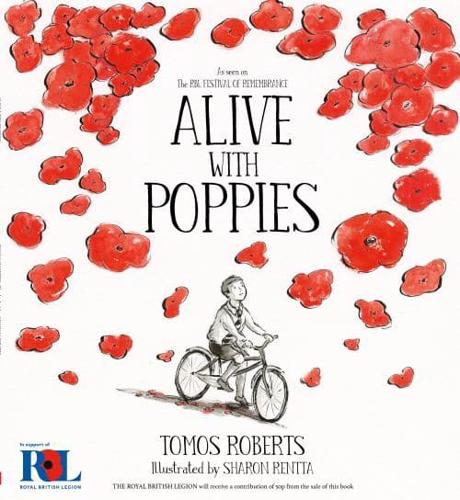
Alive with Poppies by Tomos Roberts, illustrated by Sharon Rentta
Why do people wear poppies, and what does the silence on Remembrance Day mean? Tomos Roberts, also known as Tomfoolery, explores these questions through a thoughtful rhyming poem that traces the significance of the poppy from the First World War to the present day. Originally performed at the Royal British Legion Festival of Remembrance in 2021, the poem is accompanied by Sharon Rentta’s evocative illustrations. It’s an accessible picture book that encourages 7+ year olds to think about remembrance, sacrifice and the importance of peace.
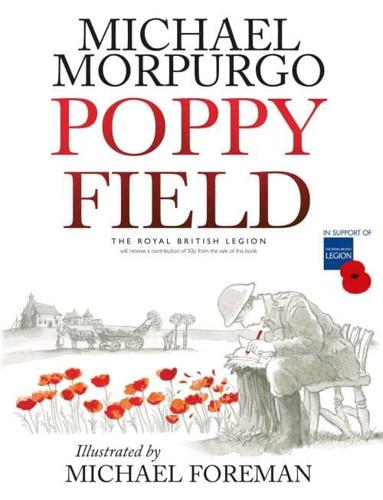
Poppy Field by Michael Morpurgo, illustrated by Michael Foreman
In the fields of Flanders, young Martens grows up surrounded by reminders of the First World War. His family’s history is intertwined with a faded poem, a young girl who comforted a grieving soldier and the terrible consequences of unexploded ammunition many years after the fighting ended. Inspired by the story behind the poppy as a symbol of remembrance, Michael Morpurgo’s beautifully illustrated tale explores how war continues to affect families across generations. It’s a powerful and memorable text for 7-11 year olds, with atmospheric artwork by Michael Foreman. Highly recommended.
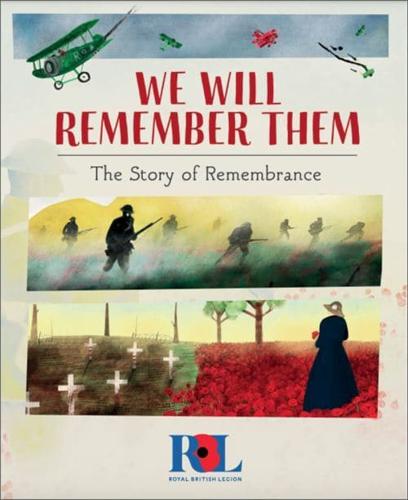
We Will Remember Them: The Story of Remembrance by S. Williams, illustrated by Oliver Averill
Created in partnership with the Royal British Legion, this illustrated non-fiction book explains why remembrance matters and how people commemorate those affected by war. From the origins of the remembrance poppy to the significance of silence and memorial parades, it introduces the traditions associated with Armistice Day and Remembrance Sunday. Historical information is combined with poetry and quotations from veterans of different conflicts. Particularly useful for 7+ year olds exploring remembrance at school, it also considers the contributions of people from different backgrounds and the many forms that service and sacrifice can take.
Please Write Soon: An Unforgettable Story of Two Cousins in World War II by Michael Rosen, illustrated by Michael Foreman
Solly lives in London while his older cousin Bernie lives in Poland. When the Second World War begins, their exchange of letters reveals two very different experiences of conflict. Solly is evacuated to the English countryside, while Bernie, whose Jewish family faces increasing danger, is sent to Soviet-occupied territory, imprisoned in a labour camp and eventually joins the Polish forces fighting alongside the Allies. Inspired by Michael Rosen’s family history, this atmospherically illustrated story explores separation, survival and the importance of keeping in touch. Ideal for KS2, it offers a relatable and deeply personal perspective on the war.

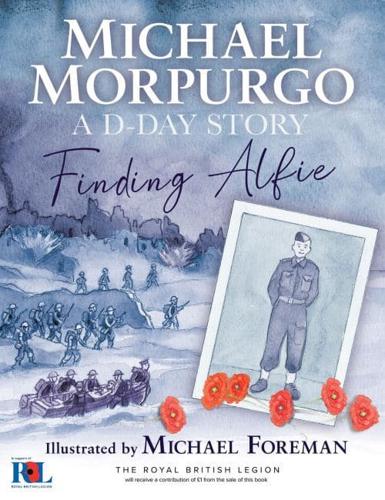
Finding Alfie: A D-Day Story by Michael Morpurgo, illustrated by Michael Foreman
A small painting of a boat provides the starting point for a moving investigation into the events of D-Day. Aunty Iris has treasured the picture for decades, but what became of Alfie, the young man who painted it before the Second World War changed their lives? Determined to discover the truth, her nephew Michael travels to France and gradually uncovers Alfie’s wartime story. Published to commemorate the eightieth anniversary of the Normandy landings, this illustrated book combines historical discovery with questions about memory, courage and sacrifice. It’s a rewarding and moving remembrance story for 7-11 year olds.
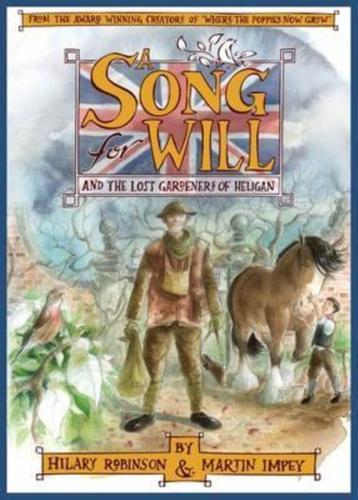
A Song for Will: The Lost Gardeners of Heligan by Hilary Robinson, illustrated by Martin Impey
When war breaks out in 1914, young Alfie is disappointed that he is too young to enlist. Working at the Heligan estate in Cornwall, he gradually discovers the terrible reality of the conflict through letters from stonemason Fred Paynter and news of gardener William Guy and the other men who have gone to fight. Drawing on historical records from the Lost Gardens of Heligan, this richly illustrated story explores friendship, loss and the devastating impact of the First World War on a rural community.
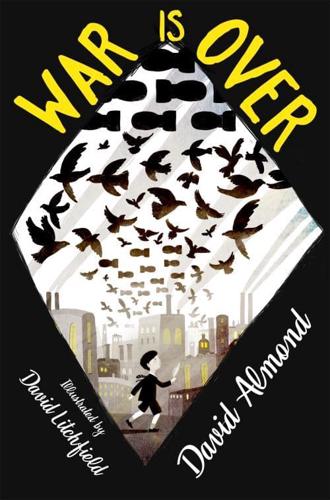
War is Over by David Almond, illustrated by David Litchfield
In 1918, John struggles to understand why adults insist that everyone, including children, must take part in the war. His father is fighting in France, his mother works in a munitions factory and his teacher describes German children as enemies. A mysterious encounter with a German boy named Jan challenges everything John has been told about conflict and belonging. David Almond’s lyrical writing and David Litchfield’s striking black-and-white illustrations create a thoughtful story about the possibility of peace. This short, powerful novel gives 9-12 year olds impetus to discuss and question the divisions created by war.
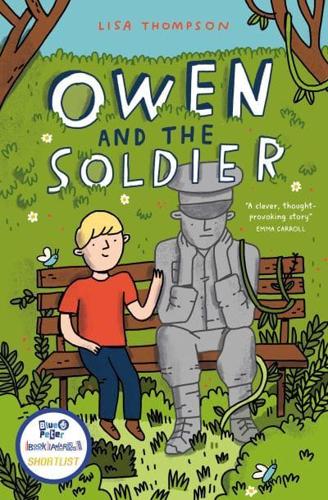
Owen and the Soldier by Lisa Thompson, illustrated by Mike Lowery
Owen finds comfort in an unusual friendship with a crumbling stone soldier in his local park. Struggling with grief and worries at home, he uses the quiet memorial garden as somewhere to share his thoughts. When the council announces plans to remove the statue, Owen must overcome his fear of speaking in public if he wants to save it. Lisa Thompson’s touching story for 9+ year olds explores remembrance alongside anxiety, bereavement and the courage needed to stand up for something important. The dyslexia-friendly presentation also makes it an accessible choice for less confident readers in KS2.
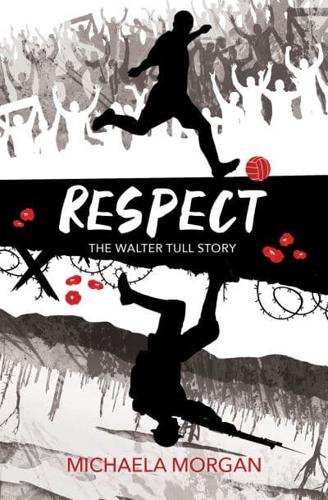
Respect: The Walter Tull Story by Michaela Morgan, illustrated by Karen Donnelly
From a childhood marked by bereavement and separation to success as a professional footballer and an army officer, Walter Tull’s remarkable life is brought to life in this accessible historical biography. One of Britain’s pioneering Black footballers, Tull faced racism both on and off the pitch before serving with distinction during the First World War. Michaela Morgan’s illustrated account explores his determination to overcome prejudice and the courage he demonstrated in military service. Published in Barrington Stoke’s dyslexia-friendly format, this inspiring story for 9+ year olds introduces an important figure in Black British and military history.
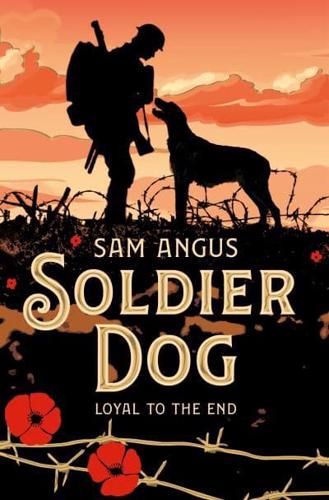
Soldier Dog by Sam Angus
France, 1917. Young Stanley finds himself serving as a dog handler on the Western Front, where communication between soldiers can mean the difference between life and death. His messenger dog must cross dangerous stretches of no man’s land carrying vital information through enemy fire. As Stanley confronts the realities of trench warfare, the bond between boy and dog becomes central to his survival. Sam Angus combines historical detail, suspense and an emotional animal story in this First World War novel for 9-11 year olds. It is an absorbing choice for children interested in the overlooked roles animals played during wartime.
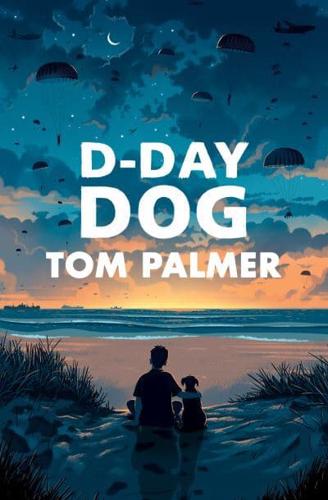
D-Day Dog by Tom Palmer, illustrated by Tom Clohosy Cole
Jack is excited about his school trip to Normandy, where he hopes to learn more about the soldiers who took part in the D-Day landings. But when his own father, an army reservist, is called away, Jack begins to question his admiration for war. Researching the true story of paratrooper Emile Corteil and his dog Glen, who parachuted into France on 6 June 1944, transforms his understanding of courage and sacrifice. Tom Palmer’s dyslexia-friendly novel for 9+ year olds connects past and present conflicts, encouraging thoughtful discussion about the human consequences of warfare.
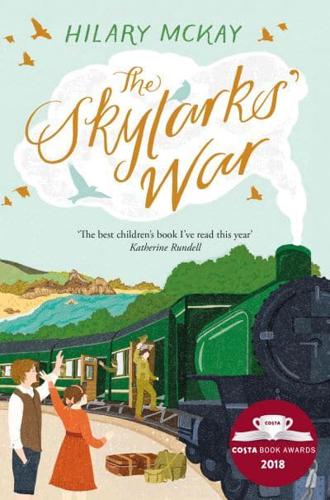
The Skylarks’ War by Hilary McKay
For Clarry, her brother Peter and their cousin Rupert, summer holidays in Cornwall are a precious escape from the restrictions and disappointments of everyday life. Their adventures together seem timeless until the outbreak of the First World War brings uncertainty and separation. When Rupert goes to fight, Clarry must confront the possibility that their carefree summers may never return. Hilary McKay’s award-winning family saga beautifully captures childhood, friendship, grief and resilience against the backdrop of a changing Britain. Rich in character and historical atmosphere, it is a particularly rewarding novel for 9-11 year olds.
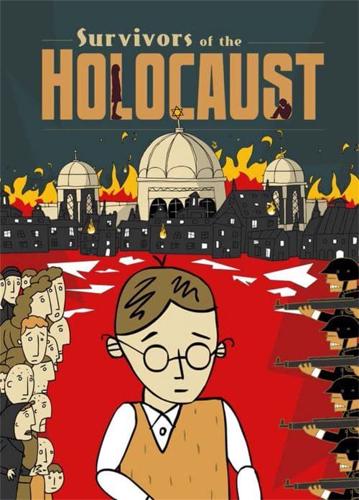
Survivors of the Holocaust by Kath Shackleton, illustrated by Zane Whittingham and Ryan Jones
Six people who survived the Holocaust recount their childhood experiences in this powerful collection of illustrated testimonies. Their stories reveal the persecution of Jewish families under Nazi rule, including the dangers of hiding, separation, deportation and life in concentration camps. Adapted from the animated documentary series Children of the Holocaust, the book combines eyewitness accounts with graphic novel artwork to communicate complex historical experiences. The personal narratives provide 9-12 year olds with a direct and memorable introduction to Holocaust history, while encouraging discussion about antisemitism, discrimination, survival and the importance of preserving testimony.
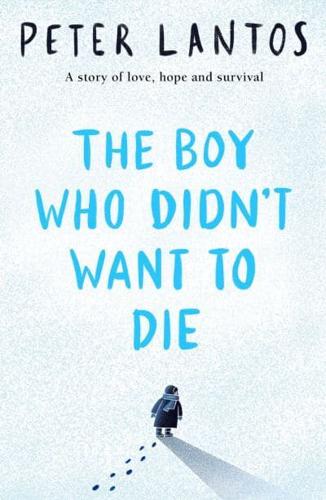
The Boy Who Didn’t Want to Die by Peter Lantos
Peter Lantos was only five when he and his parents were forced from their home in Hungary during the Second World War. Travelling through Austria and Germany, Peter initially sees fragments of the journey through a child’s curious eyes, but the frightening reality gradually emerges as his family faces persecution, imprisonment and the horrors of Bergen-Belsen. Written by a Holocaust survivor, this extraordinary memoir combines a child’s perspective with the experience of enduring unimaginable hardship. For 11-12 year olds learning about the Holocaust, it offers a deeply personal account of survival, family love and the importance of bearing witness.
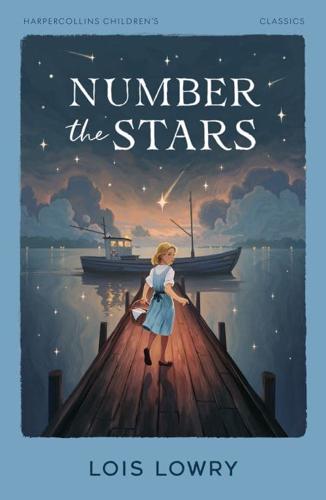
Number the Stars by Lois Lowry
An award-winning WW2 story of courage against all odds, suitable for upper KS2. In 1943, Annemarie helps to save her best friend Ellen, in the face of curfews, mass arrests, and Nazi soldiers, and plan a daring escape. This book would make a powerful class reader for year 6.
Remembrance and war books for teens
Remembrance by Theresa Breslin
Set in Scotland during the First World War, Theresa Breslin’s powerful historical novel follows five young people whose lives are transformed by conflict. As some enlist and experience the horrors of the trenches, others confront the suffering of wounded soldiers and the devastating effects of war on families and communities. Exploring love, friendship, duty and loss, this thought-provoking novel is particularly suitable for 12+ year olds in KS3. It offers opportunities to examine how the First World War affected both those fighting overseas and those remaining at home.

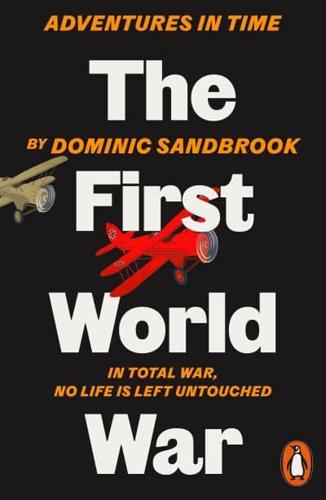
The First World War (Adventures in Time) by Dominic Sandbrook
Cleverly constructed, this historical narrative non-fiction book presents WW1 using a different viewpoint in each chapter. Through the lenses of German, English, Austrian, French, Italian and Russian characters Dominic Sandbrook tells the story of WW1 with a painstakingly detailed historical narrative. Ideal for teachers looking for a more in-depth class reader, this true-life account is a masterpiece of historical empathy. It’s a uniquely useful text that will appeal to Y6 literacy teachers and KS3 history teachers and one that will help pupils understand and relate to different perspectives and experiences of the conflict.
In Flanders Fields: The Story of the Poem by John McCrae by Linda Granfield
An award-winning, beautifully illustrated and emotive depiction of WW1 set to John McCrae’s famous poem. High recommended for cross-curricular topic work, this book can also provide inspiration for cross-media poetry performance, and whole school assemblies on the theme of remembrance.

Vietnam Diary by Mark Wilson
A moving and visually powerful picture book story that highlights the loyalty, friendship, and loss caused by war – told through the eyes of two childhood friends, split apart by distance and their disagreement over the Vietnam War. An excellent resource to spark philosophical discussion.

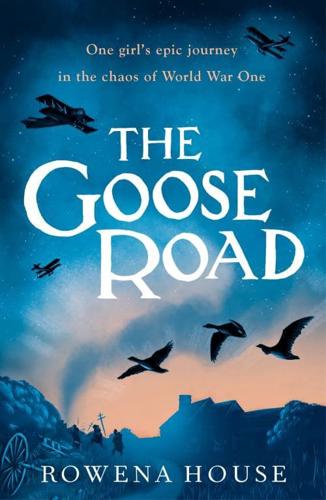
The Goose Road by Rowena House
In rural France during 1916, Angélique Lacroix is determined to protect her family’s farm while her older brother serves at the front. After news of her father’s death, a ruined harvest and the threat of financial disaster, she embarks on an extraordinary journey across France with a flock of Toulouse geese. Along the way, she encounters the dangers and upheavals of a country at war. Rowena House’s immersive historical adventure for 12+ year olds offers an distinctive perspective on the First World War, highlighting civilian experiences, agricultural life and the resourcefulness of a young girl determined to save her home.
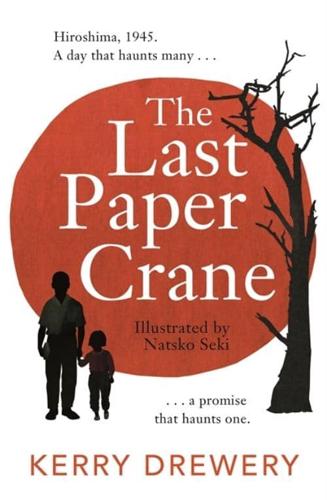
The Last Paper Crane by Kerry Drewery, illustrated by Natsko Seki
When Mizuki asks her grandfather about the sorrow that has followed him for decades, he recounts his experiences as a teenager in Hiroshima on the day the atomic bomb was dropped in August 1945. Amid the devastation, he and his friend Hiro search for Hiro’s younger sister Keiko, beginning a story of loss, promises and paper cranes. Told through a combination of prose, poetry and atmospheric illustrations, Kerry Drewery’s novel explores the lasting emotional consequences of nuclear warfare. A moving choice for teens, it offers a uniquley Japanese perspective on the Second World War and the importance of remembrance.
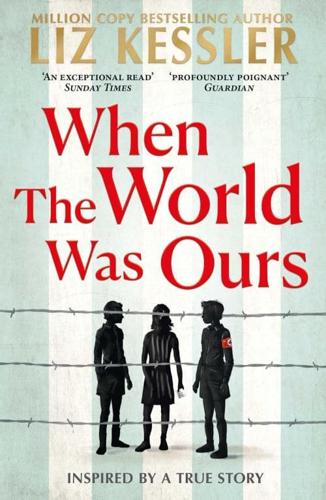
When the World Was Ours by Liz Kessler
Vienna, 1936. Leo, Elsa and Max are three inseparable childhood friends, unaware that the rise of Nazism will tear their lives apart. As Jewish families face increasing persecution, Leo and Elsa are forced to seek safety, while Max is drawn into the Hitler Youth and the ideology of the Nazi regime. Their contrasting experiences reveal how prejudice, propaganda and political extremism can destroy relationships and transform ordinary lives. Inspired by a true story, Liz Kessler’s powerful historical novel offers more mature teens an emotionally demanding exploration of friendship, complicity, persecution and survival during the Holocaust.
Click the buttons below to purchase all of the books in this list of remembrance books for children and teens, as well as class sets of any of these books and many more, from Bookshop.org UK. Or buy the 20 most popular titles from this list from Amazon – ideal for gifts or your classroom library.
Buy from UK.Bookshop.Org Buy from Amazon.co.ukDisclosure: If you buy books using the buttons above: we may earn a commission from Bookshop.org, whose fees support independent bookshops; as an Amazon Associate schoolreadinglist.co.uk earns from qualifying purchases.
Schools & teachers: please respect copyright and don’t copy our remembrance books for children and teens list. If you find our book recommendations useful, please consider sharing on social media or linking to this page instead. Thanks.
Remembrance and war teaching resources and KS1 and KS2
- The Literacy Trust and British Legion have provided this excellent resource for teaching remembrance to children in KS1, KS2, KS3, and KS4, as well as whole school activities suitable for assemblies.
- The Historical Association features a thorough pack for KS1 classes learning about remembrance day and armistice.
- The Postal Museum offers a fascinating and detailed resource for KS1 and KS2 – “The Last Post” – about how WW1 affected the postal service in the UK.
- BBC teach has an extensive portal for teaching remembrance, armistice, and WW1 to KS1 and KS2 and video clips for teaching remembrance.
- The National Archives has a repository of useful research material suitable for children in KS2, including sections on WW1 and WW2.
- The Centre for Holocaust Education features resources for KS2 teachers that explore British responses to the Holocaust, antisemitism, how the Holocaust affected children, and themes of remembrance.
Do you need more exciting book choices? – Have a look at our children books quiz
or our year 5 books pages
Please respect copyright and don’t copy or reproduce our remembrance and war books for children reviews. Sharing on social media or linking to our site’s pages is fine. Thanks.