Starting school books for children
Books about starting school can make a big change feel far less daunting. Through stories about new routines, friendships, classrooms and first-day nerves, they give children a useful glimpse of what lies ahead. They also show that feeling worried, excited or both at once is perfectly normal. Whether a child is beginning primary or secondary school, the right book can spark reassuring conversations and help them approach the transition with a little more confidence. This list features books by Mo Willems, Lauren Child, Allan Ahlberg, Ian Whybrow, Rosie Jones, Katie Kirby, Zanib Mian, Matt Goodfellow, Anna Llenas, and Helen Rutter.
Starting school books for children and teens – our recommendations
Starting school picture books – our recommendations
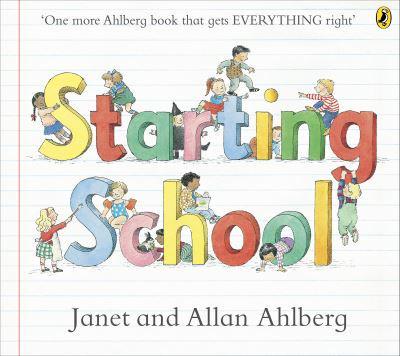
Starting School by Allan Ahlberg, illustrated by Janet Ahlberg
From finding a coat peg and meeting the teacher to learning, playing and eating lunch, a group of children experiences the rhythms of school across the first term. Reassuring details make unfamiliar routines feel manageable, while Janet Ahlberg’s busy illustrations offer plenty to notice and discuss. Perfect for children preparing for Reception, this warm-hearted picture book recognises both the nerves and excitement that can accompany such a big change.
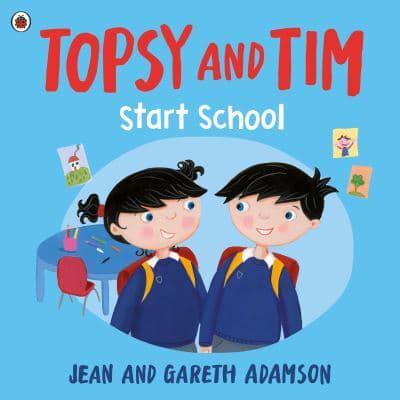
Topsy and Tim: Start School by Jean Adamson, illustrated by Belinda Worsley
Topsy and Tim are ready for their first day, but even these familiar twins have plenty to discover. Their journey introduces the classroom, playground, lunchtime and other everyday routines in a clear, cheerful way. 3+ year olds can follow each stage of the school day and see that new places soon become less daunting. The reassuring storytelling works particularly well for encouraging questions about what will happen and where everything can be found.
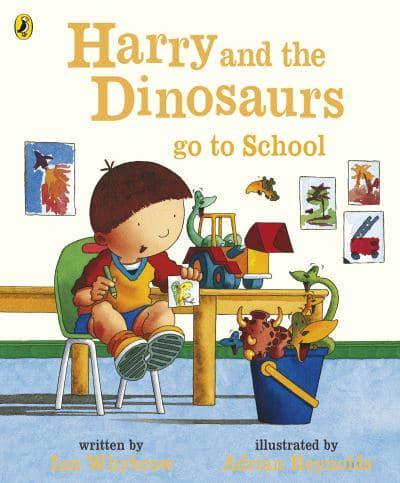
Harry and the Dinosaurs Go to School by Ian Whybrow, illustrated by Adrian Reynolds
Harry and his dinosaurs are excited about starting school, although a few nerves creep in when the dinosaurs cannot come into the classroom with him. Their eventual intervention helps Harry and another child discover how enjoyable the day can be. A fun choice to share with 3+ year olds, the story combines a recognisable first-day worry with the comforting presence of much-loved companions. Adrian Reynolds’ warm and expressive illustrations help readers to empathise when Harry feels uncertain.
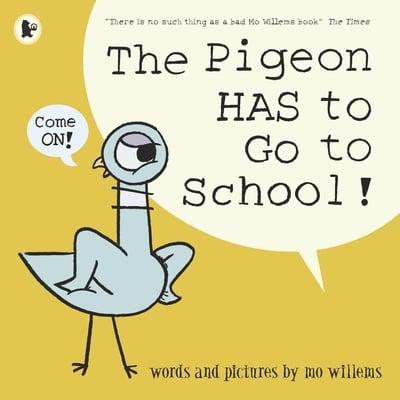
The Pigeon HAS to Go to School! by Mo Willems
Why should the Pigeon attend school when he already knows almost everything? He produces one anxious objection after another, worrying about the teacher, the other pupils and even the possibility of learning too much. His exaggerated complaints give younger readers plenty to laugh about while quietly acknowledging genuine first-day at school fears. Bold illustrations, direct questions and conversational storytelling make this especially enjoyable to read aloud and invite children to argue back.
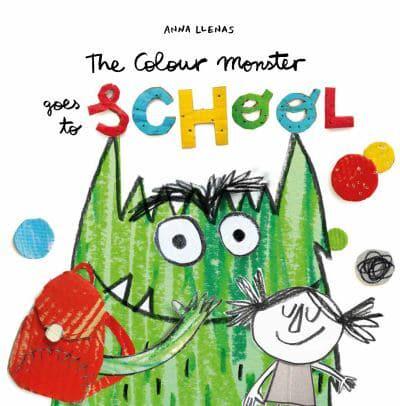
The Colour Monster Goes to School by Anna Llenas
School is a complete mystery to the Colour Monster, whose proposed backpack contents are not quite what Nuna has in mind. With her help, he joins the other children, tries classroom activities and experiences a day full of changing emotions. The monster’s shifting colours give preschool children a useful visual prompt for talking about excitement and uncertainty. Collage-style artwork and amusing mishaps keep the exploration of first-day feelings light and accessible. Highly recommended.
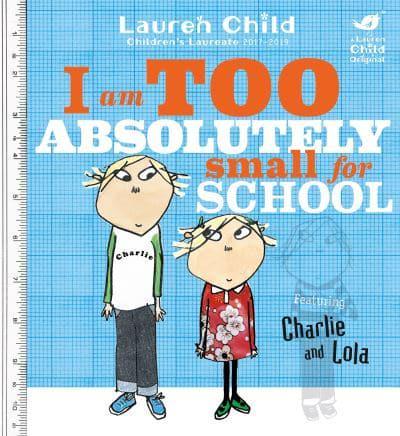
Charlie and Lola: I Am Too Absolutely Small For School by Lauren Child
Lola is convinced that she is far too small and much too busy at home to start school. Patient Charlie tackles her objections with imagination and humour, helping his sister reconsider what the classroom might offer. Familiar sibling exchanges and Lauren Child’s distinctive collage artwork make Lola’s worries feel both funny and entirely relatable. It’s a reassuring read that offers families an sensitive way to begin conversations about reluctance, independence and new routines.
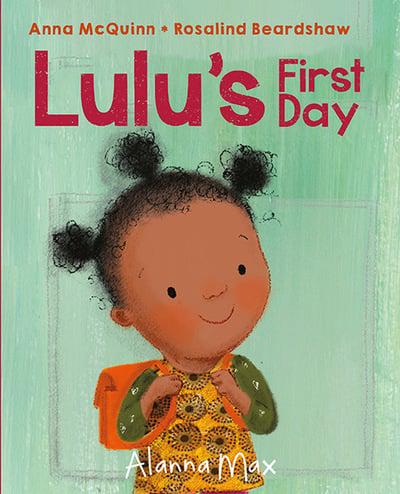
Lulu’s First Day by Anna McQuinn, illustrated by Rosalind Beardshaw
Lulu expects preschool to feel rather like library story time, except that this time Mummy will not be staying. Careful preparation helps her face the separation, and she soon finds activities to enjoy and a new friend to play with before Mummy returns. Rosalind Beardshaw’s warm illustrations capture the small details of Lulu’s day and the welcoming classroom community. It’s for children about to start nursery.
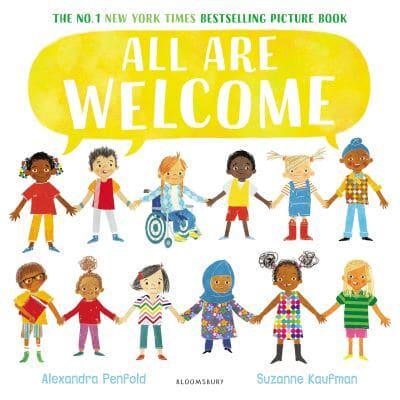
All Are Welcome by Alexandra Penfold, illustrated by Suzanne Kaufman
Children wearing patkas, hijabs, baseball caps and yarmulkes learn and play together in a school where everyone’s traditions and experiences are valued. Rhythmic text carries readers through the jam-packed day, while detailed illustrations show a lively, varied community sharing the same space. For preschoolers, the repeated message of belonging is clear without interrupting the flow of the story. It works particularly well for nursery discussions about inclusion, identity and helping every child feel welcome.
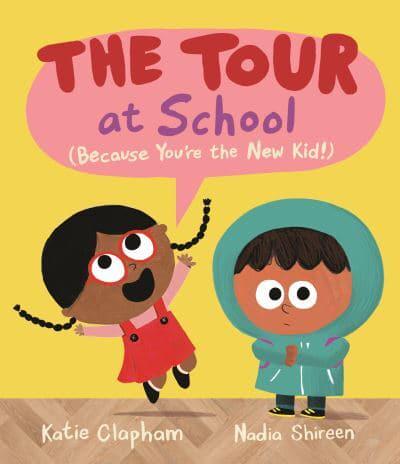
The Tour at School: Because You’re the New Kid! by Katie Clapham, illustrated by Nadia Shireen
An enthusiastic pupil has a great deal to show the New Kid, including the toilets, playground, enormous library and emergency meeting place. The increasingly energetic tour captures the noise and bustle of school, but also recognises when everything becomes a little too much. Children will love the jokes and wonderfully expressive illustrations, while the thoughtful ending shows that a newcomer may need a friend more than a guide. Highly recommended, it’s funny, observant and genuinely reassuring.
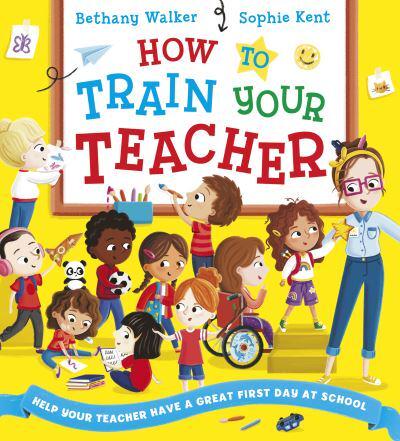
How To Train Your Teacher by Bethany Walker, illustrated by Sophie Kent
Starting school can be frightening, especially when you realise that your teacher might need looking after too. Young pupils are shown how to guide their teacher through the day by listening to stories, watching over the playground and helping to locate missing numbers. The playful reversal gives children a welcome sense of confidence and control. Sophie Kent’s warm, comical illustrations add to the fun, making this an upbeat and lively read-aloud for children approaching their own first day at school.
Starting school books for 7-12 year olds – our recommendations
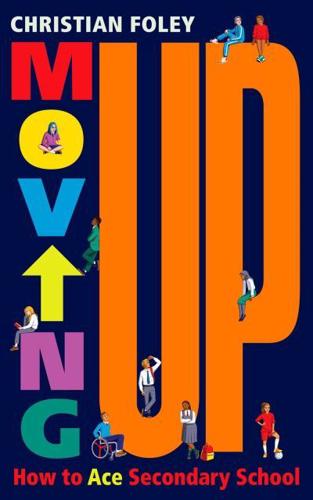
Moving Up by Christian Foley, illustrated by Scholastic
Rapping teacher Christian Foley offers invaluable guidance for students transitioning from primary to secondary school in this confidence-building and myth-busting guide. Daunting new classrooms, new friendship groups, increased academic expectations, social media and bullying are all covered in this comprehensive guide that will empower students to approach Year 7 without fear. The accessible text and clear structure will help readers develop resilience and look forward to success in their new schools. Highly recommended. Read our full review.
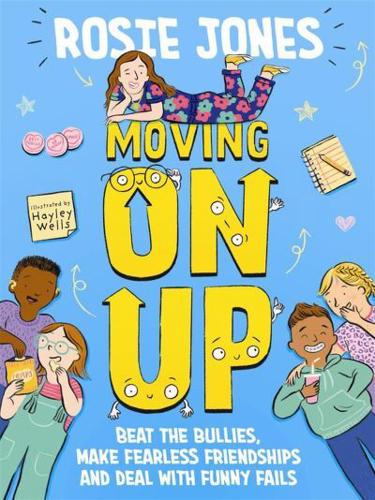
Moving On Up by Rosie Jones, illustrated by Hayley Wells
Friendship mishaps, embarrassing moments and difficult encounters with bullies can make growing up feel complicated. Rosie Jones offers frank, funny advice on handling these situations without pretending that there is always a perfect response. Perfect for UKS2, this informative guide encourages children to value supportive friendships, recover from awkward experiences and face changes with greater self-belief. Hayley Wells’ lively illustrations help make the practical guidance accessible and easy to dip into. Highly recommended.
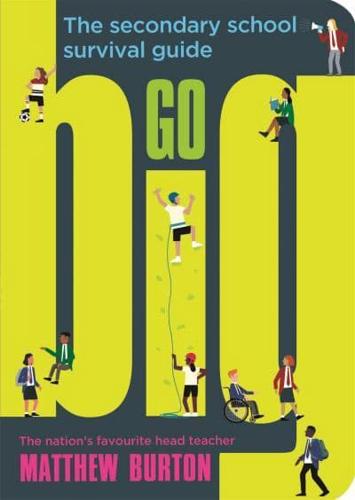
Go Big by Matthew Burton
Wide corridors, intimidating older pupils, new friendships and looming exams are among the challenges awaiting children at secondary school. Head teacher Matthew Burton explains what pupils can expect and offers down-to-earth advice on confidence, peer pressure, homework, revision and planning for the future. For Year 6 students, the reassuring tone acknowledges that settling in may take time while encouraging children to work hard, ask for help and make the most of the opportunities that lie ahead. Ideal for independent reading.
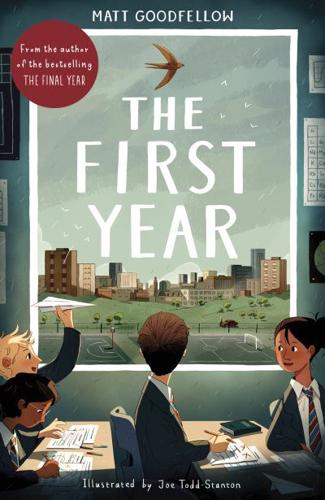
The First Year by Matt Goodfellow, illustrated by Joe Todd-Stanton
Now in Year 7, Nate tackles the ups and downs of secondary school, alongside family struggles and his battle to control his emotions. Life seems to be looking up after his brother recovers, but a surprise shakes Nate’s newfound stability, and his anger returns. This sequel to The Final Year continues in heartfelt free verse, exploring themes of hope and growth. Illustrated by Joe Todd-Stanton, The First Year is powerful, real, and uplifting. Highly recommended. Read our full review.
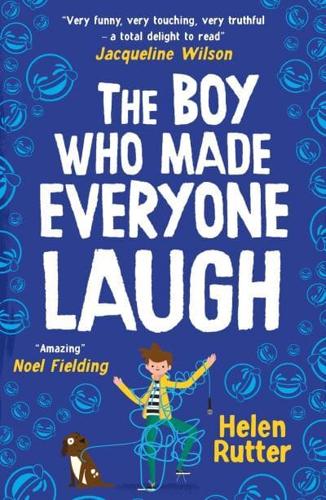
The Boy Who Made Everyone Laugh by Helen Rutter, illustrated by Andrew Bannecker
Eleven-year-old Billy Plimpton dreams of becoming a stand-up comedian, but he worries that his stammer will prevent him from delivering the jokes he carefully prepares. His efforts to find his voice bring funny setbacks, painful misunderstandings and moments that challenge how he sees himself. Year 5 and Year 6 readers will find plenty of comedy here, and also plenty to think deeply about and discuss in class. Exploring ambition, anxiety and confidence this genuinely useful text exudes warmth and honesty. Highly recommended.
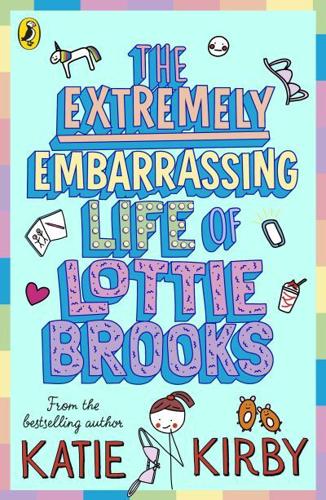
The Extremely Embarrassing Life of Lottie Brooks by Katie Kirby
Starting secondary school without her closest friends is disastrous enough for eleven-and-three-quarter-year-old Lottie Brooks. She must also contend with changing friendships, confusing social rules, body worries and a seemingly endless supply of humiliating incidents. Lottie’s candid diary entries and cartoons turn everyday tween anxieties into sharply observed comedy without dismissing how enormous they feel. It’s a hugely relatable read for 9+ year olds. Highly recommended.
Planet Omar: Accidental Trouble Magnet by Zanib Mian, illustrated by Nasaya Mafaridik
Moving house and beginning a new school at the same time gives Omar plenty to worry about. Making friends is difficult enough, but a class bully has decided that Omar is an ideal target, and his lively imagination has a habit of making every situation more complicated. With Eid approaching, Omar must also try to remain in his parents’ good books. Cartoon illustrations and playful narration make this an inviting, big-hearted school story for UKS2.

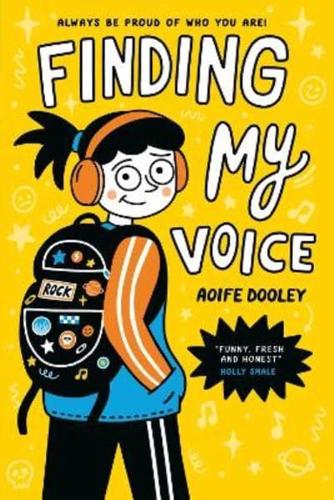
Finding My Voice by Aoife Dooley
Frankie and her best friend Sam find the rules and sensory demands of secondary school difficult to navigate. Talking helps autistic Frankie cope, yet she is constantly being instructed to stay quiet in lessons, corridors and assemblies. A Battle of the Bands competition offers the perfect opportunity to express herself, except she must first recruit some bandmates. This outstanding and distinctive two-colour graphic novel is a funny and perceptive story about speaking up, friendship and belonging. Highly recommended for UKS2 and LKS3.
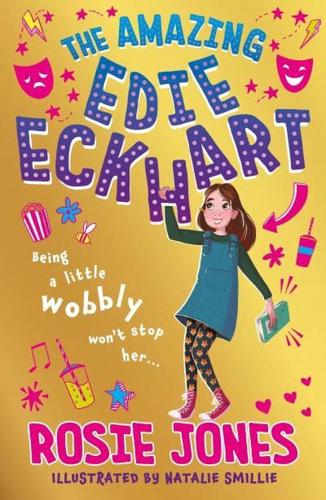
The Amazing Edie Eckhart by Rosie Jones, illustrated by Natalie Smillie
Edie cannot wait to begin secondary school alongside her best friend Oscar, but her excitement fizzles out when they are placed in different tutor groups. Edie has cerebral palsy, talks slowly and sometimes falls over, but she refuses to let other people’s expectations define her. But an accidental leading role in the school play introduces new friendships and an unexpected enthusiasm for performing. With warm illustrations and thought-provoking comic observations, Edie’s lively first-person story is perfect to read in Year 6.
Can You See Me? by Libby Scott and Rebecca Westcott
Tally wants to begin secondary school with her friendships unscathed, but the effort of appearing like everyone else becomes increasingly exhausting. She is autistic and notices far more than people realise, including their frustration, assumptions and unspoken judgements. Conventional storytelling is interwoven with incisive diary entries inspired by Libby Scott’s own experiences, giving Tally a direct, person and highly convincing voice. For 9+ year olds, this outstanding and memorable novel offers an unusually detailed view of masking, sensory overload, awkward friendships and the need to be understood. Highly recommended for UKS2 and LKS3.

Click the buttons below to purchase all of the books in this starting school books list, as well as class sets of any of these books and many more, from Bookshop.org UK. Or buy the 20 most popular titles from this list from Amazon – ideal for gifts or your classroom library.
Buy from UK.Bookshop.Org Buy from Amazon.co.uk
Disclosure: If you buy books using the buttons above: we may earn a commission from Bookshop.org, whose fees support independent bookshops; as an Amazon Associate schoolreadinglist.co.uk earns from qualifying purchases.
Schools & teachers: please respect copyright and don’t copy our starting school books for children list. If you find our book recommendations useful, please consider sharing on social media or linking to this page instead. Thanks.
Starting school resources for teachers
- The Department for Education provides guidance and practical case studies showing how schools, nurseries, childminders and families can work together to support an inclusive transition into Reception. It covers relationships with families, information sharing, visits between settings and the early identification of additional needs.
- Worcestershire County Council’s Early Years transition toolkit contains editable annual planners for preschools, nursery classes and Reception, together with an All About Me form, sensory audit, transition meeting agenda, cohort planning sheets and practical transition activities.
- The free Starting Reception Early Years Toolkit offers schools, early years settings and local authorities a downloadable family booklet, ready-to-use communications materials, case studies and webinars. Versions of the guidance are available in Welsh and a range of community languages.
- BookTrust provides evidence, teacher guidance, classroom ideas, videos and book recommendations to help children settle into Reception through reading and shared stories. The materials also include ideas for familiarising children with classrooms and supporting parents and carers during the transition.
- Anna Freud’s Moving Up! resource features a free animation and teacher toolkit for pupils moving from Year 6 to Year 7. It includes a lesson plan, classroom activities, an assembly plan with PowerPoint slides, an animation script and a printable signposting poster.
- The Mentally Healthy Schools change and transitions toolkit brings together separate primary and secondary or further education resource packs. The activities help pupils discuss change, manage difficult feelings and prepare emotionally for a new year, class or school.
- YoungMinds’ Year 6 teacher resource contains ready-to-use secondary transition activities, including the Change Tunnel exercise, discussion prompts, group work and strategies for exploring excitement, worries, resilience and sources of support.
- The Supporting Learners with Autism During Transition guide, produced by the Autism Education Trust with nasen and Whole School SEND, offers practical strategies, case studies, checklists and adaptable templates for transitions from early years to primary school and from primary to secondary school.
- The Education Endowment Foundation explores evidence-informed approaches to primary and secondary transition, focusing on curriculum continuity, familiarity with school routines and expectations, and the development of healthy peer networks. The page also includes a downloadable school transition reflection tool.
BISAC JUV035000, JUV039090. | Thema YFS, YXT, YXW.