Books about rocks, soil, minerals and fossils for children
Children’s books about rocks, soil, minerals and fossils help explain what the Earth is made of and how it has changed over time. They explore everything from rock formation and soil to crystals, minerals and fossils, often using striking photographs, diagrams and simple experiments. Many also encourage children to get outside and investigate for themselves. They are a great fit for science and geography topics, while feeding a wider curiosity about the natural world. This list features books by Maria Isabel Sánchez Vegara, Laurence Anholt, Charlotte Guillain, John Farndon, Dianna Hutts Aston, Dean Lomax, Peter Riley, Maya Wei-Haas, Ben Lerwill, and Moira Rose Donohue.
Rocks, soil, minerals and fossils books for children and teens – our recommendations
Rocks, soil, minerals and fossils books for KS1 – our recommendations
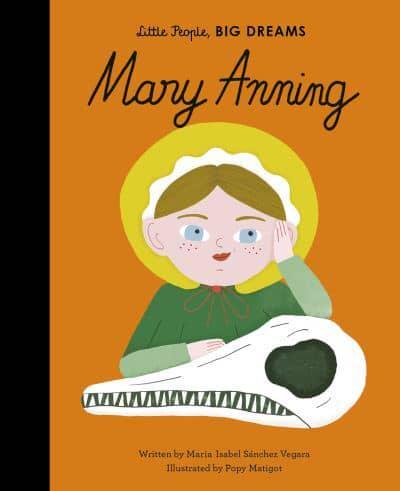
Mary Anning by Maria Isabel Sánchez Vegara, illustrated by Popy Matigot
5+ year olds can follow Mary Anning from a childhood spent searching for shells and fossils to the discoveries that made her an important figure in palaeontology. Maria Isabel Sánchez Vegara keeps the biography concise and accessible, while Popy Matigot’s illustrations bring nineteenth-century Lyme Regis to life. As part of the Little People, BIG DREAMS series, it also includes a short factual timeline, giving children somewhere to go after the picture-book story ends.
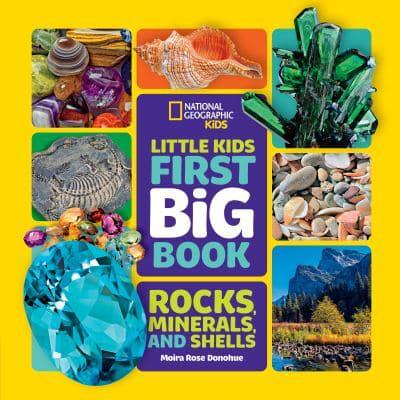
National Geographic Little Kids First Big Book of Rocks, Minerals & Shells by Moira Rose Donohue
Rocks, gemstones, fossils and shells all jostle for attention in this lively first reference book. With more than 200 photographs and plenty of bite-sized facts, it gives 3-7 year olds a broad introduction to granite, gold, marble, malachite and much more. Children can discover how the three main rock types form, how rocks differ from minerals and how people use them, before moving on to fossils and the creatures behind seashells.
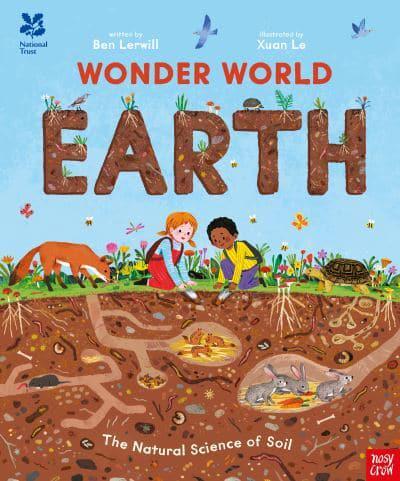
National Trust: Wonder World: Earth: The Natural Science of Soil by Ben Lerwill, illustrated by Xuan Le
Soil gets star billing in this cheerful science picture book, and it turns out to be far busier than it first appears. Ben Lerwill explores how earth supports plants, fungi and other living things, and why healthy soil matters to life above ground. Xuan Le’s bright illustrations and a gentle tone give 2-5 year olds a first look at the science beneath their feet, with enough surprising detail to make mud seem genuinely rather marvellous.
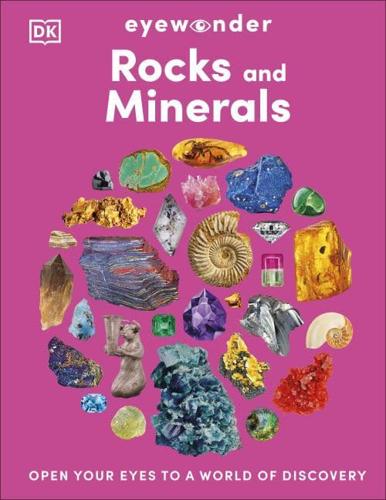
Eyewonder Rocks and Minerals by DK
For 5-7 year olds, this refreshed DK guide offers a highly visual first look at the rocks and minerals beneath our feet. Large photographs introduce precious stones, different rock types and even rocks from space, while short explanations cover how rocks form, what minerals are and how people use them. Activities and quick facts add variety, but the real strength is the imagery, which makes differences in colour, texture and structure easy to spot.
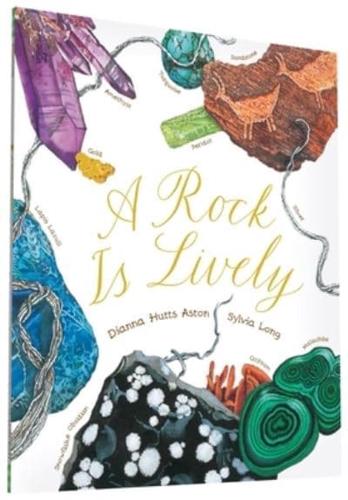
A Rock Is Lively by Dianna Hutts Aston, illustrated by Sylvia Long
Dianna Hutts Aston takes a more lyrical route into geology, pairing short, poetic observations with Sylvia Long’s finely detailed natural-history artwork. Lapis lazuli, snowflake obsidian and other eye-catching specimens show just how varied rocks can be in colour, texture and origin. The combination gives 5-8 year olds plenty to notice and discuss without turning the subject into a textbook, making it especially appealing for shared reading as well as classroom science.
Rocks, soil, minerals and fossils books for KS2 – our recommendations
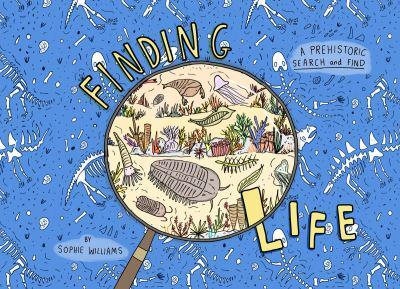
Finding Life by Sophie Williams
This fabulous search-and-find book for 7+ year olds takes young readers through the history of life on Earth, chronologically, era by era. Each detailed illustrated spread focuses on a different period, from early single-celled organisms to the rise of mammals. Accessible short text explains what is happening, while richly detailed scenes invite children to spot prehistoric creatures hidden in the artwork. It supports independent early learning about evolution and encourages careful looking and repeat reading. It’s a spectacular hardback gift book for inquisitive children.
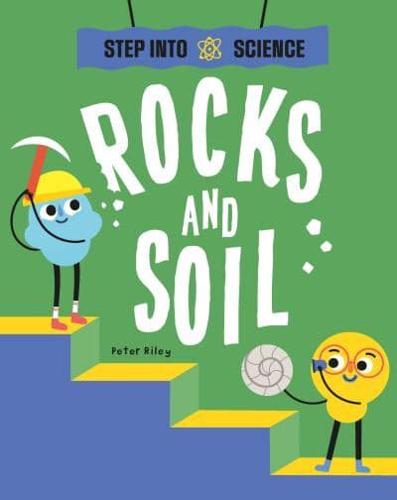
Step Into Science: Rocks and Soil by Peter Riley
Rocks and soil can involve some big geological ideas, so Peter Riley keeps things moving with quirky illustrations, comic characters and simple experiments. LKS2 children can explore Earth’s fiery interior, volcanoes, limestone, fossils and the way rocks form and reform over time. Written to support Key Stage 2 science, it works particularly well when children need a clear explanation they can test or investigate rather than another page of dense information.
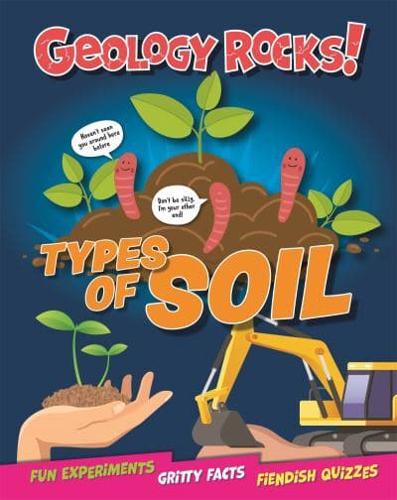
Geology Rocks!: Types of Soil by Izzi Howell
What actually makes one soil different from another? Izzi Howell starts with that everyday material and digs into soil formation, horizons, living organisms and the role soil plays in plant growth. Jokes, cartoons and hands-on activities stop the explanations becoming dry, which is quite fitting for a book about mud. The blend gives 7+ year olds a practical introduction to a subject that links neatly with rocks, habitats, plants and wider Earth science.
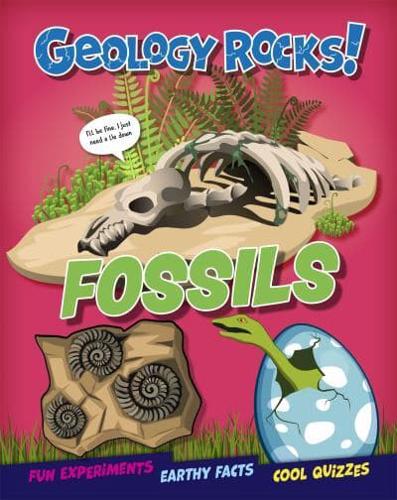
Geology Rocks!: Fossils by Izzi Howell
Ideal for KS2 readers, this compact guide explains how fossils form, where they are found and what they can reveal about prehistoric life. Izzi Howell includes trace fossils, amber and notable fossil hunters alongside the basic science, using photographs, cartoons and activities to keep the pages moving. It is a handy way to connect fossils with sedimentary rocks and geological processes while still leaving room for the strange specimens and discoveries that make palaeontology so appealing.
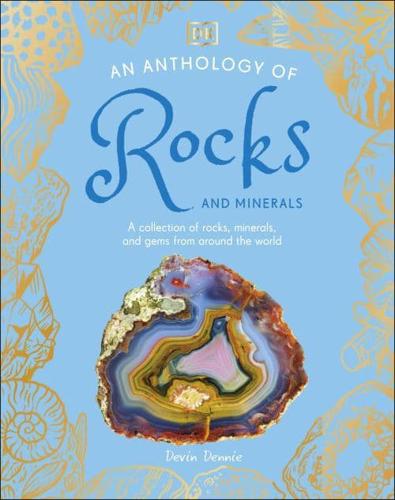
An Anthology of Rocks and Minerals by Devin Dennie
Quartz, pyrite, amethyst and lapis lazuli are among more than 100 rocks, minerals and gems gathered into this handsome little field guide. 7-9 year olds can browse the photographs and illustrations, learn how specimens differ and pick up clues about what they might spot outdoors. Devin Dennie’s short notes keep the science approachable, while the compact format makes the book feel more like a collection to explore than a conventional school reference book.
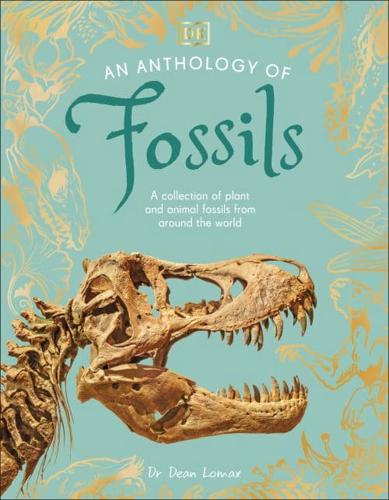
An Anthology of Fossils by Dean Lomax
More than 100 fossils, from ammonites and dinosaur remains to delicate impressions of ancient plants, fill this compact anthology. Perfect for Years 3 & 4, Dean Lomax combines striking specimens with short notes on what they are, how they formed and where similar fossils might be found. Photographs and illustrations reward close looking, and the portable format suits children who enjoy collecting, identifying or simply wondering what might be hidden inside an ordinary-looking rock.
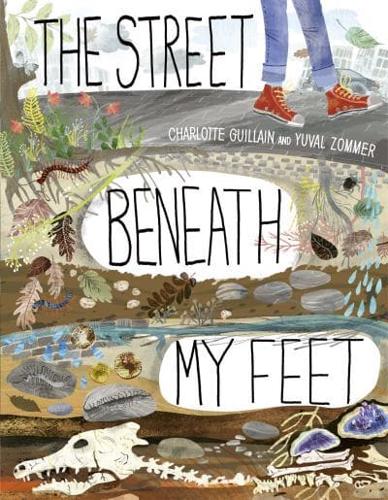
The Street Beneath My Feet by Charlotte Guillain, illustrated by Yuval Zommer
This ingenious concertina book travels down from pavements, roots and buried pipes through caves, rock layers and traces of earlier civilisations, eventually reaching the centre of the Earth. Charlotte Guillain keeps the explanations concise while Yuval Zommer packs the unfolding panorama with things to spot. 6-9 year olds can follow the journey section by section or stretch the whole book out and see how the underground world fits together.
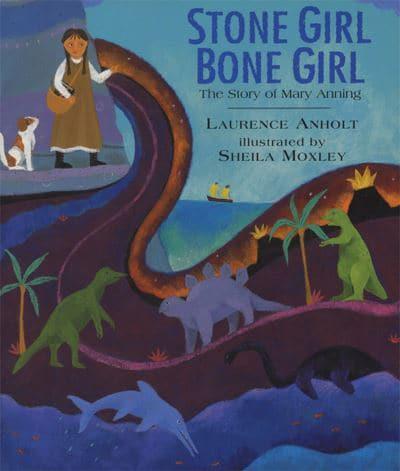
Stone Girl Bone Girl by Laurence Anholt, illustrated by Sheila Moxley
For 6+ year olds, this picture-book biography turns the childhood of Mary Anning into an inviting introduction to fossil hunting and scientific discovery. Laurence Anholt retells her life in Lyme Regis, including the famous lightning story and her remarkable finds along the Jurassic Coast, while Sheila Moxley’s illustrations give the period setting plenty of character. It is particularly useful for showing how curiosity and careful observation can challenge what people think they know.
She Sold Seashells …and Dragons. The curious Mary Anning. Re-imagined by Wolfgang Grulke
The life of Mary Anning, a pioneering fossil hunter and self-taught scientist from 200 years ago, is depicted using groundbreaking AI to create hyperrealistic illustrations and a striking sense of immediacy. 8+-year-olds will be fascinated by this innovative blend of historical detail and AI-generated imagery, as well as the engaging palaeontology, science and history text. Ideal for KS2 libraries and topic work about rocks and fossils. Read our full review.

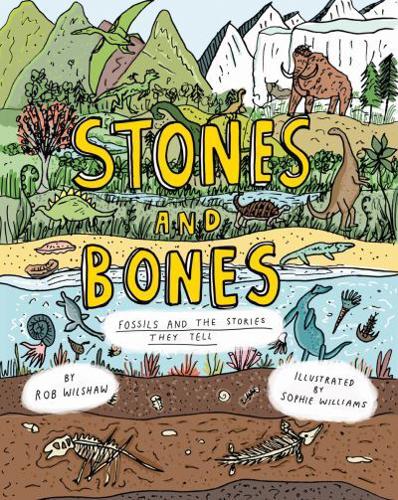
Stones and Bones by Rob Wilshaw, illustrated by Sophie Williams
The fossil record becomes a four-billion-year history book here, running from tiny early life through fish, reptiles and dinosaurs to mammals and humans. Rob Wilshaw breaks palaeontology into clear ideas, while Sophie Williams adds lively diagrams, timelines and illustrations. LKS2 classes can trace how fossils provide evidence for changing life on Earth and what scientists can learn from them. There is plenty for dinosaur fans, but the scope is much wider than dinosaurs alone.
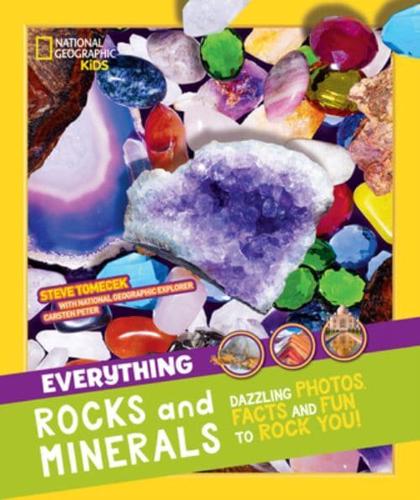
Everything: Rocks and Minerals by National Geographic Kids
This photo-packed guide goes for energy rather than a quiet encyclopedia feel. Rocks, minerals and gemstones are explored through photographs, diagrams, maps, comparisons and quick facts, with plenty of visual detours for children who like dipping in and out. The busy format gives 8-12 year olds an accessible route into how rocks form, what minerals are and why particular specimens look and behave as they do. It is useful for browsing as well as topic work.
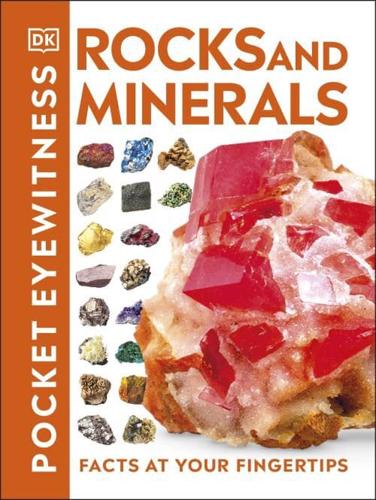
Pocket Eyewitness Rocks and Minerals: Facts at Your Fingertips by DK
Small enough to carry around, this DK guide packs in nearly 200 profiles of rocks and minerals. For 9-12 year olds who like collecting, comparing or identifying specimens, details such as hardness, colour and lustre are especially useful. The book also explains the three main rock groups and introduces everything from basalt and marble to diamonds and rhodochrosite, making it a practical reference rather than something that needs to be read from cover to cover.
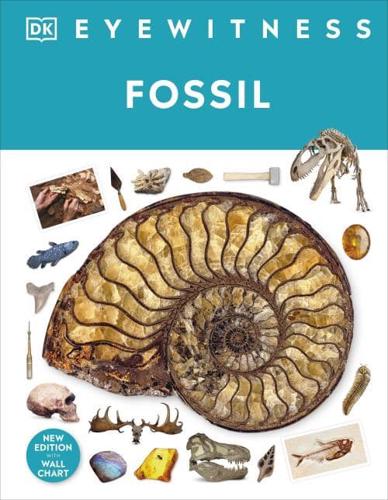
Fossil by Paul D. Taylor
9-12 year olds get a close-up introduction to fossils in this updated DK Eyewitness guide, produced in association with London’s Natural History Museum. Paul D. Taylor explains how remains become fossilised, how palaeontologists find and study them, and what bones, teeth, shells and plants can reveal about vanished worlds. The strong photography is the main attraction, but diagrams, facts and expert material give curious children plenty to return to after the first browse.
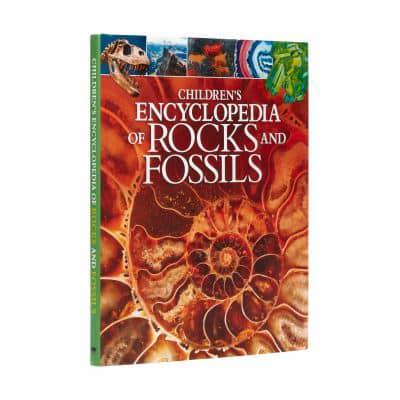
Children’s Encyclopedia of Rocks and Fossils by Claudia Martin
Granite mountains, marble buildings, fossils, crystals and gemstones all find a place in this broad visual encyclopedia. Claudia Martin combines photographs, diagrams and short factual sections to explain the geology beneath familiar landscapes and materials. 8+ year olds can use it for general browsing or to look up a particular topic, and its coverage also makes it useful alongside Key Stage 2 work on rocks, fossils and the structure of the Earth.
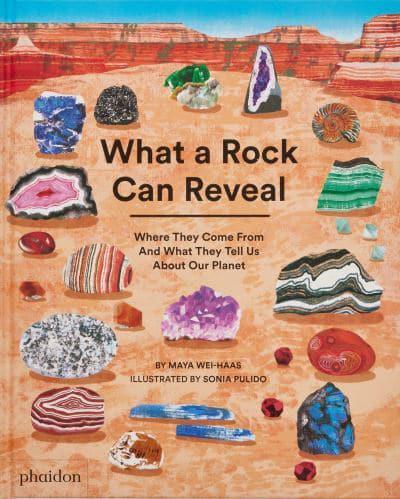
What a Rock Can Reveal by Maya Wei-Haas
Award-winning science writer and geologist Maya Wei-Haas introduces young readers to the fascinating world of rocks through observation. This compelling nonfiction book for 6-9-year-olds uses eye-catching colour and fascinating detail to explore how rocks and minerals reveal Earth’s history and formation. With vibrant illustrations and concise text, it encourages further reading and thinking skills, making it ideal for classrooms and home learning. Highly recommended for lower KS2 classrooms.
Click the buttons below to purchase all of the books in this rocks, soil, minerals and fossils books list, as well as class sets of any of these books and many more, from Bookshop.org UK. Or buy the 20 most popular titles from this list from Amazon – ideal for gifts or your classroom library.
Buy from UK.Bookshop.Org Buy from Amazon.co.uk
Disclosure: If you buy books using the buttons above: we may earn a commission from Bookshop.org, whose fees support independent bookshops; as an Amazon Associate schoolreadinglist.co.uk earns from qualifying purchases.
Schools & teachers: please respect copyright and don’t copy our rocks, soil, minerals and fossils books for children list. If you find our book recommendations useful, please consider sharing on social media or linking to this page instead. Thanks.
Rocks, soil, minerals and fossils resources for teachers
- The British Geological Survey’s Discovering Geology site is an excellent starting point for rocks, minerals and fossils, with accessible background information, classroom activities, geological maps, rock observation resources and materials exploring fossils and geological time.
- The Geological Society’s primary resources include KS1 and KS2 lesson plans, factsheets, posters, presentations and activities covering rocks, fossils, geological time, dinosaurs, mining and minerals. There are downloadable packs specifically designed for teaching the rock cycle and fossil formation.
- For KS2, the Natural History Museum provides practical classroom activities covering fossilisation, trilobites, rock formation and soil. Particularly useful activities include investigating decomposition and fossil preservation, examining what lives in soil and comparing different soil samples.
- The Primary Science Teaching Trust’s Big Jurassic Classroom offers a free downloadable book, teacher guides and activity packs covering rocks, fossils and evolution. Activities are available for children from 3-12 and use the geology of the Jurassic Coast and local environments to bring Earth science into the classroom.
- Earth Learning Idea has a huge collection of free practical Earth science activities and teaching videos. Ideas include making a model rock or soil, investigating soil permeability, identifying rocks, modelling the rock cycle, exploring minerals and playing games that demonstrate fossil formation.
- The British Society of Soil Science provides school-friendly experiments, posters, activities and downloadable resources. Its Soil Explorers materials include investigations into soil texture, water retention, decomposition, worms and soil fauna, alongside information about soil science loan boxes.
- The RHS rocks and soils resource gives teachers practical ideas for investigating soil in the school grounds, including soil shake tests, comparisons of drainage, soil texture investigations and activities exploring how rocks and organic material contribute to soil formation.
- The UK Soil Observatory education hub brings together useful teaching links for rocks and soils, while the wider UKSO site offers free soil maps and datasets. These can be particularly useful for local fieldwork, allowing classes to investigate soil types and properties in different parts of the UK.
- For KS2 and KS3 work on minerals, the British Geological Survey’s critical minerals classroom activities include lesson plans, worksheets, teacher notes and pupil workbooks exploring the differences between rocks, minerals and metals, minerals in everyday objects and the life cycle of mineral resources.
- Secondary teachers can use The Geological Society’s Rock Cycle microsite, which explores igneous, sedimentary and metamorphic rocks alongside crystallisation, weathering, erosion and deposition. Its Teachers’ Zone includes background notes, classroom experiments, demonstrations and knowledge-checking activities.
BISAC JNF037060, JNF037050, JNF051080, YAN050070. | Thema YNNV1, YNNA, YNNV.