Poetry for KS3
Poetry for KS3 can open up new ways to enjoy language, voice and storytelling. These books for 11-14 year olds bring together contemporary poets, spoken-word rhythms, illustrated anthologies and novels in verse, with themes ranging from friendship and identity to mythology, migration and history. This list features books by Michael Rosen, Joseph Coelho, Matt Goodfellow, Sarah Crossan, Kwame Alexander, Chris Riddell, John Agard, Valerie Bloom, Manjeet Mann, and Dean Atta.
Poetry for KS3 – our recommendations
Poetry books for 11-14 year olds
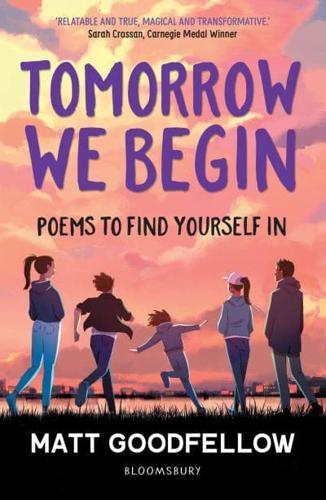
Tomorrow We Begin by Matt Goodfellow
Matt Goodfellow captures the changing emotions of teenage life in poems that move between humour, frustration, friendship and first love. The collection begins with experiences familiar to pupils starting secondary school and stretches into the wider uncertainties of growing up. Teachers, classmates, lessons and time spent with friends all find their way into these contemporary poems. Ideal for 11+ year olds, Tomorrow We Begin brings the language of everyday teenage life onto the page, giving pupils plenty to recognise, discuss and read aloud.
We Have Everything We Need to Start Again by Koleka Putuma
Late childhood to adulthood is brilliantly captured through 50 scintillating poems by Koleka Putuma. Mental health, sexuality, body image, family, social media and finding a place in the world are explored in this empowering and memorable collection. Accessible and contemporary, Putuma’s words will resonate with teens in KS3. With an eye-catching flapped paperback cover by Adriana Bellet, We Have Everything We Need to Start Again will demand attention in the school library.

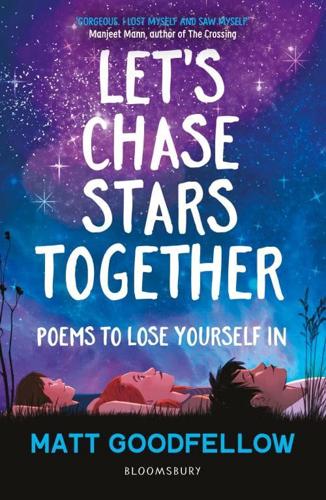
Let’s Chase Stars Together by Matt Goodfellow
Friendship, family, separation and the desire to belong run through Matt Goodfellow’s thoughtful poetry collection. The poems reflect the thoughts and feelings of growing children, moving between moments of uncertainty, humour and hope. Experiences at school sit alongside wider questions about relationships and finding your place. With language that lends itself to reading aloud and discussing together, this collection for 10+ year olds gives KS3 pupils opportunities to consider how poets communicate feelings through rhythm, repetition and carefully chosen words.
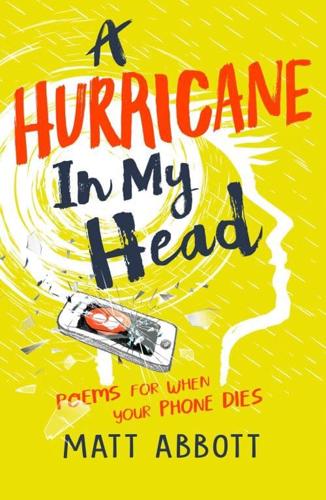
A Hurricane in my Head by Matt Abbott, illustrated by Nigel Baines
Spoken-word poet Matt Abbott writes about the experiences and emotions of contemporary teenage life, including friendship, bullying, technology and school. There is humour alongside more reflective poetry about the pressures and pleasures of growing up. The conversational language and performance-poetry influences make this an interesting collection for exploring voice, tone and the effect of words spoken aloud. Nigel Baines provides the illustrations. For KS3 classes, the collection offers opportunities for personal responses, discussion and writing inspired by everyday experiences.
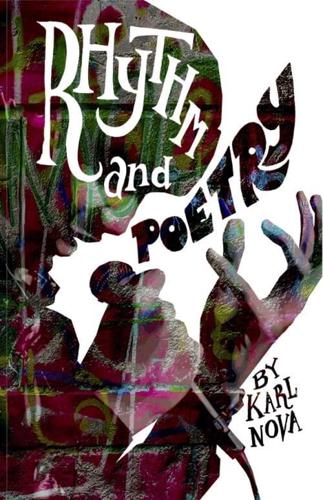
Rhythm and Poetry by Karl Nova
Karl Nova brings his experience as a hip-hop artist and poet to this collection, celebrating the relationship between rap, rhythm and poetry. His poems draw on his journey from childhood towards adulthood, reflecting on growing up through the language and culture of hip-hop. Wit, positivity and a strong sense of rhythm give the collection a distinctive voice. This is an interesting starting point for KS3 discussions about the connections between lyrics and poetry, particularly how rhyme, performance, repetition and word choice contribute to meaning.
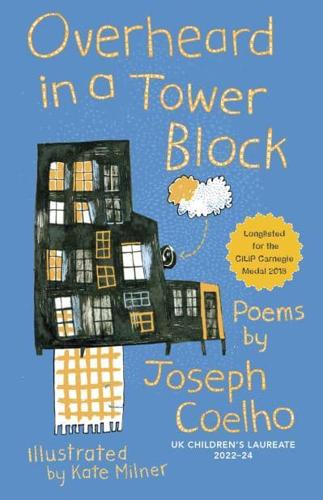
Overheard In A Tower Block by Joseph Coelho, illustrated by Kate Milner
Joseph Coelho creates a poetic picture of growing up in a tower block, bringing together ordinary details of city life with remarkable flights of imagination. There are overheard conversations, a disappearing father, a mermaid-queen mother, school bullies and mysterious happenings in the library. The connected poems give the collection a narrative thread, while Kate Milner’s illustrations complement its shifts between everyday reality and fantasy. It also provides plenty of accessible and relatable material for LKS3 work on imagery, setting, voice and storytelling.
The Poetry World of John Agard by John Agard, illustrated by Shirley Hottier
This illustrated collection brings together more than 80 poems selected from John Agard’s earlier published work. His playful approach to language and willingness to experiment with voices and poetic forms run throughout the selection. Poems from several collections originally published between the 1980s and early 2000s appear together, giving pupils an opportunity to encounter a substantial range of Agard’s writing. An easier and accessible read for less confident students, KS3 teachers can draw on its varied material for performance, close reading and creative language activities.

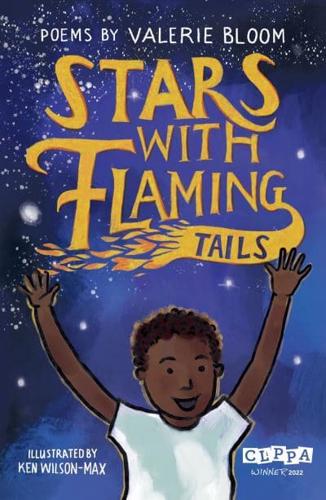
Stars With Flaming Tails by Valerie Bloom, illustrated by Ken Wilson-Max
Valerie Bloom’s poems take readers from familiar family experiences to the extraordinary possibilities of imagination. Friends, pancakes and a singing grandad appear alongside unusual creatures, wild animals and journeys into fantastical worlds. The collection combines humour, curiosity and a lively appreciation of language, with black-and-white illustrations by Ken Wilson-Max. Idea for less confident readers, it contains material that can contribute to KS3 poetry teaching, particularly when introducing performance, figurative language and the different ways poets find inspiration in everyday life.
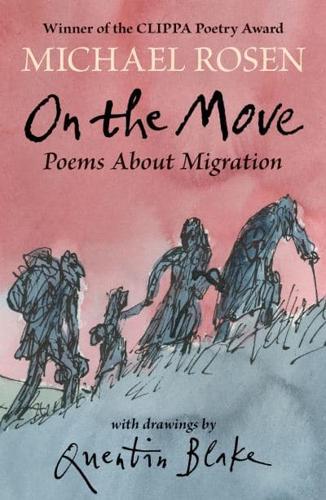
On the Move: Poems About Migration by Michael Rosen, illustrated by Quentin Blake
Michael Rosen draws on his family history and the experiences of displaced people in this poetry collection about migration. Its four sections move from childhood memories of a Polish-Jewish family in London to the Second World War, relatives lost during the Holocaust and more recent experiences of people seeking new homes. Quentin Blake’s illustrations accompany poems that bring personal memories into conversation with wider history. On the Move gives younger KS3 pupils a thoughtful introduction to poetry about belonging, displacement and family memory.
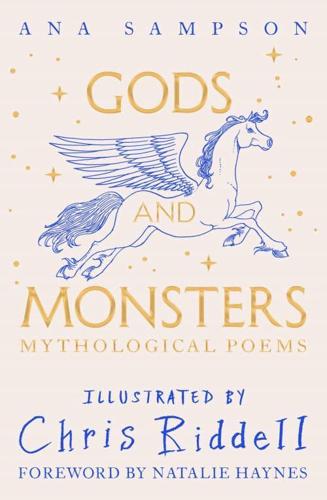
Gods and Monsters – Mythological Poems, compiled by Ana Sampson, illustrated by Chris Riddell
Ancient myths take poetic form in this richly illustrated anthology of gods, heroes, monsters and magical creatures. Ana Sampson brings together classic and contemporary poems inspired by traditions including Greek, Roman, Egyptian, Norse, Celtic, Japanese and Inuit mythology. Figures such as Medusa, Loki, Icarus and the Minotaur appear alongside a wide range of other legendary characters. Chris Riddell’s black-and-white artwork adds another dimension to the collection. For 12+ year olds, the book offers KS3 classes opportunities to compare poetic retellings and investigate the stories that inspired them.
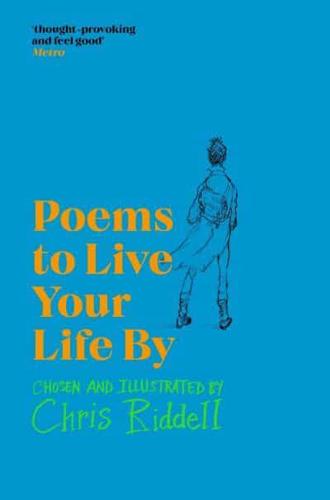
Poems to Live Your Life By by Chris Riddell
Chris Riddell selects and illustrates poems about youth, family, love, imagination, nature, war and the wider experience of being alive. The anthology brings together familiar literary voices and more contemporary writers, with Riddell’s intricate drawings accompanying the poetry throughout. Organised into themed sections, it gives 12+ year olds opportunities to discover different styles and periods of writing. KS3 pupils can use the collection to compare contrasting treatments of similar ideas and consider the relationship between a poem’s language and its accompanying illustration.
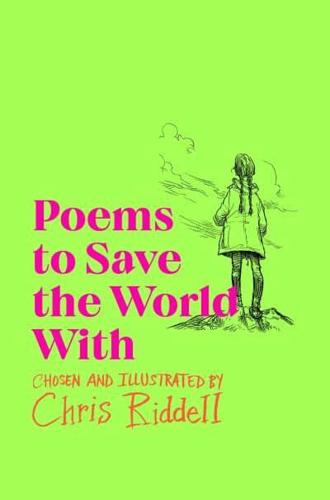
Poems to Save the World With by Chris Riddell
Poetry becomes a way to consider hope, change, rebellion and the challenges of living through difficult times in this illustrated anthology. Chris Riddell brings together classic and modern poems, including work by Brian Bilston, Raymond Antrobus, Neil Gaiman and other contemporary writers. His artwork runs throughout the collection, providing a visual response to the words. Ideal for 12+ year olds, the book brings a range of voices into KS3 discussions about how poetry can express convictions, respond to events and encourage people to think about the world.
EMC Poetry Playlist – Contemporary Voices for the Classroom, edited by Barbara Bleiman, Andrew McCallum, Kate Oliver and Lucy Webster
Developed for secondary English classrooms, this anthology brings together a wide range of contemporary poetry by writers including Maya Angelou, Raymond Antrobus, Imtiaz Dharker, Jackie Kay, Daljit Nagra and Warsan Shire. The selection celebrates differences in poetic voice, experience and approach, and includes playlists contributed by practising poets. Perfect for 11+ year olds, it invites pupils to read, discuss and write about poetry. Free accompanying teaching materials support classroom use, making the collection particularly relevant to KS3 English departments.
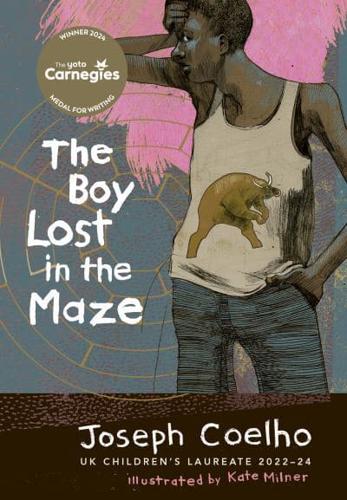
The Boy Lost in the Maze by Joseph Coelho, illustrated by Kate Milner
Two searches for missing fathers come together in Joseph Coelho’s novel in verse. In one narrative, the legendary Greek hero Theseus enters the labyrinth; in the other, a modern teenager called Theo seeks answers about his biological father. Their parallel journeys connect classical mythology with questions about family and identity. Kate Milner’s illustrations accompany the poetic storytelling. This book offers more mature KS3 pupils opportunities to compare ancient and contemporary narratives, investigate symbolism and consider how a sustained story can unfold through poetry.
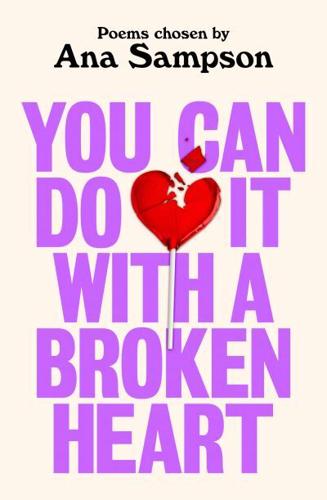
You Can Do It With a Broken Heart by Ana Sampson
Ana Sampson brings together classic and contemporary poetry about heartbreak, loss and finding a way forward. The collection ranges across writers including Emily Dickinson, Rumi, Dorothy Parker, Ada Limón, Jackie Kay and Nikita Gill, giving different voices to the messy emotions that follow a broken heart. 12+ year olds can dip into individual poems or explore the anthology more widely as a reassuring reminder that disappointment, sadness and recovery have inspired writers for generations.
The Girl Who Became a Tree by Joseph Coelho
Fourteen-year-old Daphne is struggling to come to terms with the death of her father. She seeks refuge in her local library and escapes into her phone, shutting out the people around her. When her phone disappears, she is drawn into a mysterious world of memories, forests and strange creatures. Joseph Coelho weaves the Greek myth of Daphne and Apollo into a contemporary story about grief, family relationships and finding a way forward. Told through varied poetic forms and illustrated by Kate Milner, this imaginative and emotionally powerful novel in verse explores loss, identity and renewal. Highly recommended for KS3.

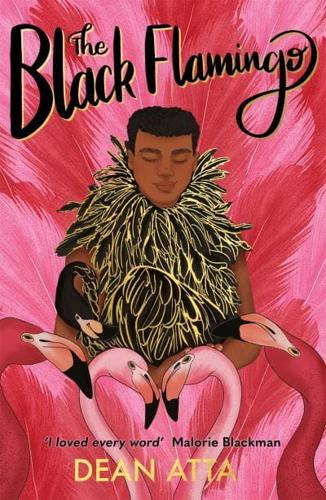
The Black Flamingo by Dean Atta, illustrated by Anshika Khullar
Michael’s journey towards understanding and expressing his identity unfolds through this novel in verse. Growing up, he navigates questions about belonging, race, sexuality and expectations before discovering the possibilities of drag performance at university. Dean Atta uses poetry to capture Michael’s changing feelings and the experiences that shape him, accompanied by illustrations from Anshika Khullar. The Black Flamingo gives older KS3 pupils a sustained poetic narrative through which to explore voice, identity and personal expression.
Poems from a Witch’s Pocket by Laura Theis, illustrated by Kate Lucy Foster
This poetry collection follows a young witch-in-training as she builds her craft through spells, notes, and scribbled lists hidden in her cloak. Aimed at 10+ year olds, it captures both everyday and more unusual magic – finding lost things, planning parties, a cauldron song, and how to walk on water – with sharp, playful writing. The poems feel like glimpses into a similar but slightly unfamiliar world still taking shape: full of curiosity and quiet power. Written by Laura Theis and illustrated by Kate Lucy Foster, it’s fresh, fun, and empowering. Teachers looking for themed poetry in the second half of the autumn term will find this collection especially useful. There’s also a witchy writing prompts section that’s ideal for LKS3. Highly recommended.

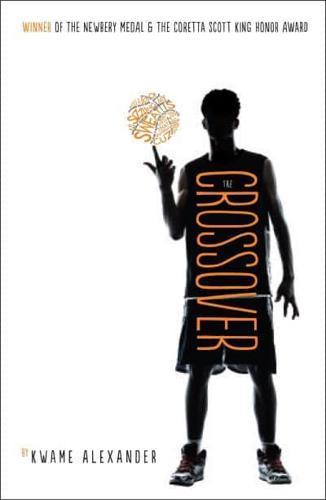
The Crossover by Kwame Alexander
Twelve-year-old Josh Bell and his twin brother Jordan share a talent for basketball and a determination to follow in their father’s footsteps. Their relationship is tested as pressures emerge both on and off the court. Kwame Alexander tells their story through poems that capture the speed, energy and movement of basketball alongside the changing dynamics of family life. The novel combines sporting excitement with an emotional story about brothers growing up. It is especially useful for KS3 work on rhythm, voice and verse storytelling.
The Door of No Return by Kwame Alexander
Kofi Offin lives in a West African village, where family, storytelling, swimming and his affection for a girl called Ama shape his world. A sudden death during a festival sets in motion events that threaten everything familiar to him. Kwame Alexander tells Kofi’s story in verse, drawing readers into the character’s experiences as his life changes dramatically. This historical verse novel for 12+ year olds brings together poetry, personal identity and the history of the transatlantic slave trade. It also provides opportunities to examine how lyrical language contributes to historical storytelling.

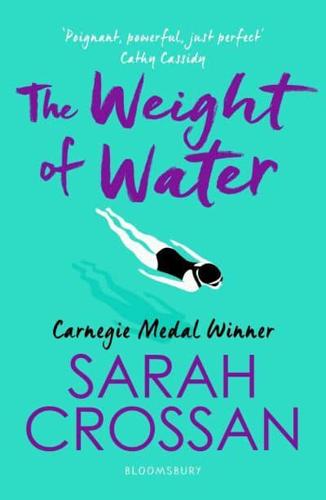
The Weight of Water by Sarah Crossan
Kasienka has moved from Poland to England with her mother and is finding life at her new school lonely and unfamiliar. As her mother struggles with her own unhappiness, Kasienka begins to discover friendship, first love and a sense of independence, with swimming becoming an important part of her life. Sarah Crossan tells this story entirely in verse, making Kasienka’s thoughts and observations central to the reading experience. The novel gives KS3 pupils a personal perspective on migration, family relationships, belonging and the expressive possibilities of narrative poetry.
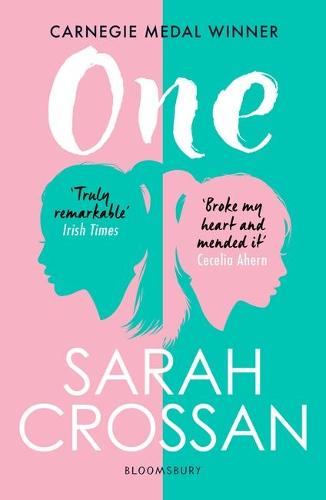
One by Sarah Crossan
Grace and Tippi are conjoined twins who want to be recognised as individuals, with their own friendships, feelings and hopes for the future. As they negotiate everyday relationships and a difficult decision concerning their lives, the sisters’ bond remains at the heart of the story. Sarah Crossan uses verse to communicate Grace’s perspective with directness and emotional detail. One brings questions about identity, family and personal autonomy into a narrative that can prompt thoughtful discussion among older KS3 pupils, particularly when considering how poetic form communicates character and emotion.
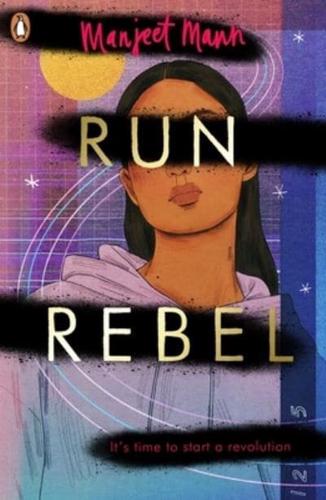
Run, Rebel by Manjeet Mann
Amber longs for independence while living under the restrictions and expectations imposed by her controlling father. Running gives her a sense of freedom as she begins to consider how life might change for herself, her mother and her sister. Manjeet Mann tells Amber’s story through a sequence of narrative poems, using the rhythm and movement of verse to reflect her growing determination. The novel addresses family relationships, coercive control and domestic abuse, giving more mature KS3 pupils an opportunity to explore character development and the relationship between poetic form and emotional intensity.
The Crossing by Manjeet Mann
Natalie is grieving her mother’s death while her brother becomes involved with a far-right group in Dover. Sammy has fled Eritrea in the hope of building a new life in Europe. Their experiences eventually bring them together across the divisions created by geography, prejudice and circumstance. Manjeet Mann tells both stories in verse, placing individual emotions at the centre of a wider account of displacement and hope. This outstanding verse novel offers KS3 pupils a compelling example of poetry used for contemporary storytelling and contrasting narrative perspectives.

Click the buttons below to purchase all of the books in this poetry for KS3 list, as well as class sets of any of these books and many more, from Bookshop.org UK. Or buy all the books from this list from Amazon – ideal for gifts or your classroom library.
Buy from UK.Bookshop.Org Buy from Amazon.co.ukDisclosure: If you buy books using the buttons above: we may earn a commission from Bookshop.org, whose fees support independent bookshops; as an Amazon Associate schoolreadinglist.co.uk earns from qualifying purchases.
Schools & teachers: please respect copyright and don’t copy our poetry for KS3 list. If you find our book recommendations useful, please consider sharing on social media or linking to this page instead. Thanks.
Poetry for KS3 resources for teachers
- The Poetry Society’s PoetryClass provides free lesson plans, worksheets and creative writing activities covering poetry analysis, performance and composition. Resources for KS3 include exploring identity, environmental poetry, mythology, figurative language and poems by young writers.
- The National Literacy Trust’s Young Poet Laureate resources include a downloadable KS3 Poetry Toolkit and Poetry Resource Bank. These materials offer practical approaches to reading, discussing and writing poetry, alongside guidance for challenging pupils’ preconceptions about the genre.
- National Poetry Day, organised by the Forward Arts Foundation, offers free classroom worksheets, teaching guides, posters and contemporary poems. Resources can be filtered for 11-14 year olds and cover themes including identity, belonging, climate change and creative expression. Free registration is required for some downloads.
- Oak National Academy provides free KS3 English lessons with presentation slides, video clips and teaching materials. Its Simon Armitage poetry unit introduces pupils to poetic expression and creativity, while other KS3 units explore poetry about place and home, Gothic poetry and individual poets.
- The Children’s Poetry Archive brings together recordings of poets reading their work, classroom activities and teaching guidance. Its resources encourage listening, interpretation, writing and performance, with material suitable for KS3, including activities based on poems by John Mole.
- Poetry By Heart supports teachers with poetry collections, performance activities, learning resources and guidance on introducing poetry recitation in schools. Its collections include poems suitable for pupils aged 11 and over, offering opportunities to develop confidence, expression and spoken language skills.
- The English and Media Centre’s Poetry Station features a free collection of poetry videos, performances, readings and animations. The collection introduces students to contemporary poets, spoken word, rap, slam poetry and traditional verse, making it useful for exploring how voice, rhythm and performance influence meaning.
- Young Poets Network, run by The Poetry Society, offers creative writing challenges, poetry prompts and opportunities for young writers. Its activities encourage experimentation with form, imagery, personal experience and contemporary themes, providing inspiration for KS3 poetry workshops and independent writing.
- The National Literacy Trust’s National Poetry Day resources include free activities for 11-14 year olds. The 2026 materials explore wonder in everyday life through observation, reflection and poetic writing, supported by videos of young poet laureates performing their own work.
- The Scottish Poetry Library provides poetry teaching resources that can be filtered by learning level, curriculum area, format and language. Teachers can explore classroom activities, teaching notes and material featuring Scottish poetry, including opportunities to introduce Scots and Gaelic literary traditions.
- National Poetry Day – Poems and Resources – Free poems, classroom worksheets, posters and teaching guides from the Forward Arts Foundation. Resources can be explored by age group, including activities specifically identified for 11-14 year olds.
- The Royal British Legion’s KS3 teaching resources include Poetry in the Remembrance Glade, a creative project featuring poet Laura Mucha. Downloadable activities encourage 11-14 year olds to read, write and share poetry exploring remembrance, memory, peace and personal reflection.
- The English and Media Centre’s Poetry Plus for KS3 explores poetic language, close reading, performance, comparison and creative writing. Its anthology includes studies of Robert Frost and Inua Ellams, alongside poetry about love and social issues. Sample material is available online, with the complete publication available to purchase.
- The Poetry Society’s Cloud Chamber is a free professional development network for teachers, poets and youth workers. Online sessions and reading groups share practical teaching ideas, poetry activities and approaches to encouraging creative writing and confident responses to poetry.
- Forward Arts Foundation’s Young Poet Leaders resource provides a free student-led poetry workshop plan designed for young people aged 14 and over. The 30-minute activity offers a practical model for introducing peer-led poetry sessions, lunchtime writing groups and poetry clubs in secondary schools.
BISAC YAN043000, YAF044000, YAF048000. | Thema YDP, YDC, YFV.