Pakistan books for children and teens
These Pakistan books for children and teens include stories set in contemporary Pakistan, fiction about Pakistani and British Pakistani families, accounts of the 1947 Partition, and books exploring education, migration, friendship, identity and belonging. The selection ranges from middle-grade adventures and historical fiction to YA novels and autobiography, offering different routes into Pakistan’s history and the experiences of Pakistani communities around the world. This list features books by Malala Yousafzai, Aisha Saeed, Saadia Faruqi, Muhammad Khan, Hena Khan, Veera Hiranandani, A. M. Dassu, Sabaa Tahir, Annabelle Sami, and Iqbal Hussain.
Pakistan books – our recommendations
Pakistan books for children aged 7-12
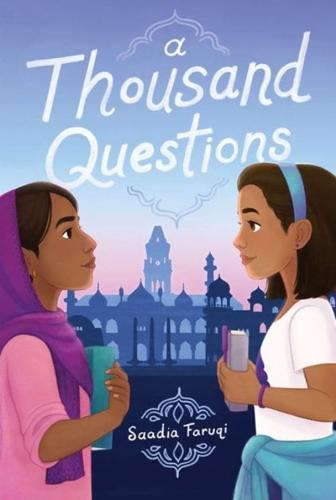
A Thousand Questions by Saadia Faruqi
Mimi travels from Houston to Karachi to stay with grandparents she barely knows, while Sakina works in their household and hopes to continue her education. Their developing friendship brings together two girls whose lives in Pakistan are shaped by very different circumstances. Through family relationships, class, school and everyday life in Karachi, Saadia Faruqi gives 8-12 year olds an immersive contemporary story about friendship, assumptions and finding common ground.
Front Foot by Tom Palmer, illustrated by Robin Boyden
Azeem is an Afghan refugee building a new life in Britain with his father, while his mother and sister remain in a refugee camp in Pakistan. Passionate about cricket, he hopes to introduce the game to his friends on an estate where football is much more popular. Encouraged by his father’s ambitions, Azeem recruits new players, including some intimidating older boys, while struggling with his worries about his family. For readers aged 9+, with a reading age of 7, this accessible story explores displacement, family separation, friendship and the importance of finding confidence through sport.

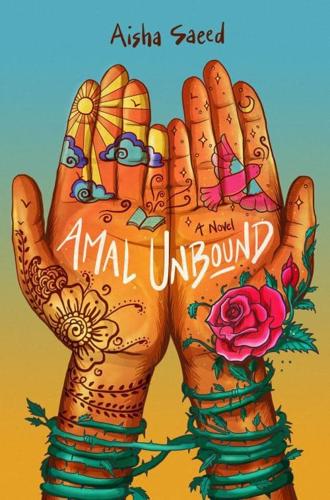
Amal Unbound by Aisha Saeed
Twelve-year-old Amal lives in a village in Pakistan and dreams of becoming a teacher. After an encounter with the son of a powerful local landlord, she is forced into indentured servitude at his family’s estate. Amal’s love of learning remains central as she adjusts to her changed circumstances and begins to understand the power the family holds over her community. This novel combines family life, education, economic inequality and resistance.
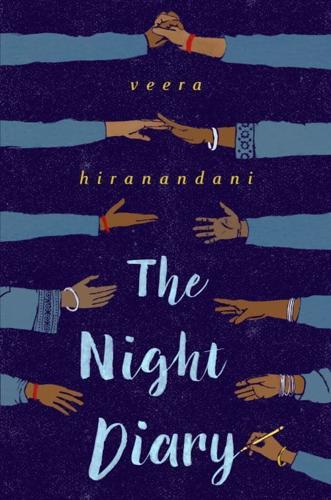
The Night Diary by Veera Hiranandani
In 1947, twelve-year-old Nisha lives with her family in territory that becomes part of Pakistan during Partition. With a Hindu father and a Muslim mother who died when she was born, Nisha is trying to understand where she belongs as religious divisions transform the country around her. Told through letters to her mother, this historical novel for 8-12 year olds follows Nisha’s family as they leave their home.
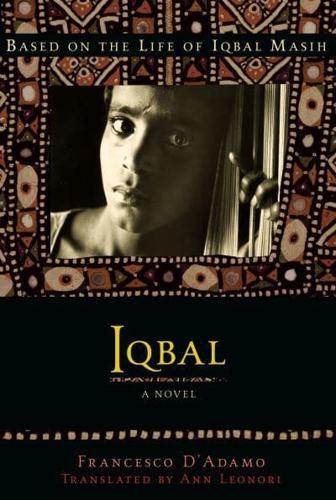
Iqbal by Francesco D’Adamo
This fictionalised account of Pakistani child labour activist Iqbal Masih is narrated by Fatima, a young girl working in a carpet factory. Iqbal’s arrival changes the lives of the children around him as he challenges the conditions in which they are held and works towards freedom. Perfect for 8-12 year olds, Francesco D’Adamo’s novel introduces the subjects of bonded labour, children’s rights, courage and collective action through characters inspired by Iqbal’s real campaign against child slavery.
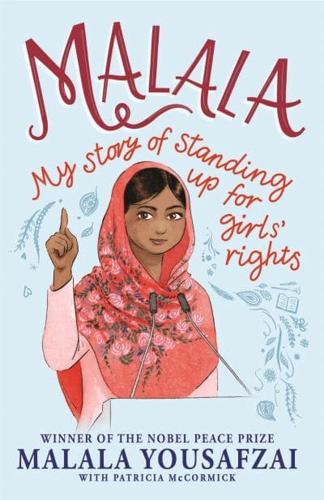
Malala: My Story of Standing Up for Girls’ Rights by Malala Yousafzai and Patricia McCormick
Malala Yousafzai’s story is retold for younger children in this illustrated account of her childhood in Pakistan and her campaign for girls’ education. Beginning with her life in the Swat Valley, it explains how Malala spoke publicly about the right to attend school, survived an attack by the Taliban and continued her work internationally. Black-and-white illustrations accompany this edition for 7+ year olds, providing an compelling introduction to Malala’s life, activism and commitment to education.
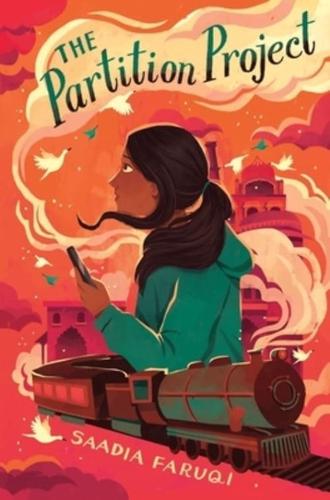
The Partition Project by Saadia Faruqi
Pakistani American schoolgirl Maha wants to make a documentary for a journalism assignment. Conversations with her grandmother, Dadi, lead her to a story much closer to home: Dadi’s childhood in northern India and the Partition that forced her family to move to the newly created Pakistan. Moving between family history and Maha’s contemporary life in Houston, this novel for 8-12 year olds shows how interviewing an older relative can uncover memories of migration, upheaval and belonging across generations.
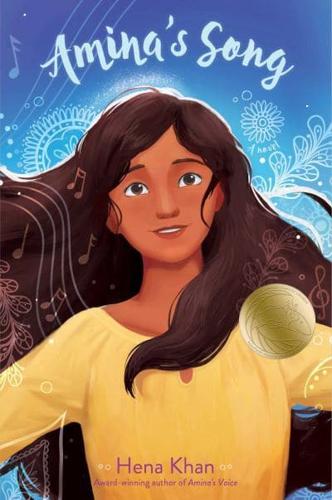
Amina’s Song by Hena Khan
After spending a month with family in Lahore, Amina returns to the United States full of memories of Pakistan and eager to share what she has experienced. Back at school, she thinks about how Pakistan is represented to her classmates while also dealing with friendships, music and family changes. This sequel to Amina’s Voice for 8-12 year olds links Pakistani American life with Amina’s extended family in Lahore and gives the story a warm focus on home, heritage and connection across countries.
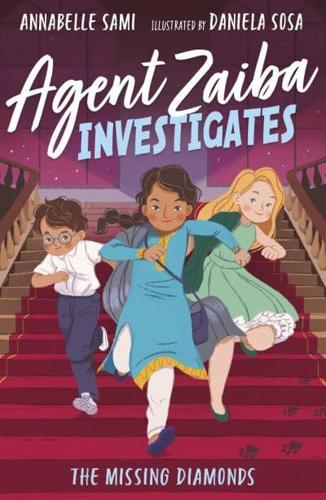
Agent Zaiba Investigates: The Missing Diamonds by Annabelle Sami, illustrated by Daniela Sosa
Zaiba dreams of becoming a detective like her favourite fictional investigator, so a mystery at her cousin’s pre-wedding celebration gives her the perfect opportunity to put her skills to the test. When a celebrity’s dog disappears along with its priceless diamond collar, Zaiba begins searching for clues with the help of her friends. Pakistani family traditions and a colourful Mehndi celebration form part of the setting for this engrossing mystery for 8-12 year olds.
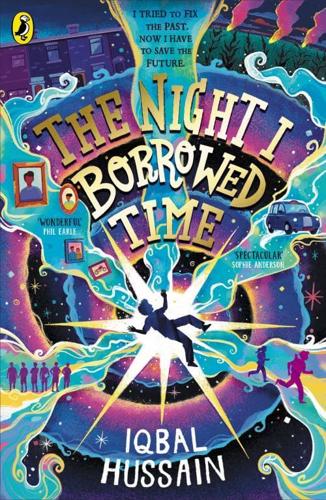
The Night I Borrowed Time by Iqbal Hussain
Eleven-year-old Zubair receives an old amulet from his granny, who grew up in Pakistan, and discovers an extraordinary family connection with time travel. Following his father’s car accident, Zubair hopes to use this mysterious power to repair his parents’ troubled relationship. His adventures take him beyond contemporary Lancashire and into events surrounding the 1947 Partition, bringing family history vividly into his own life.
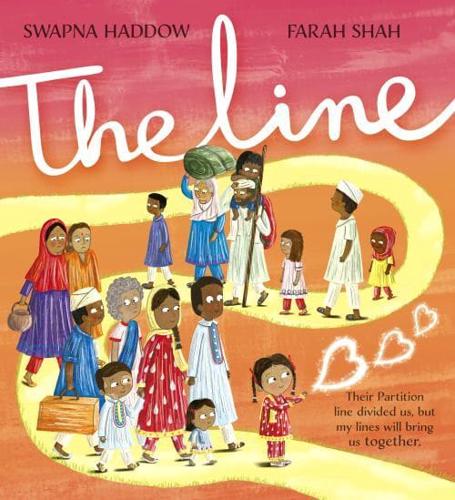
The Line by Swapna Haddow, illustrated by Farah Shah
A young girl and her family are forced to leave their home during the Partition of India, crossing the new boundary created between India and Pakistan. Swapna Haddow approaches this major historical event through a child’s experience of home, movement and family, while Farah Shah’s illustrations carry much of the emotional storytelling. Factual material at the back introduces the historical context, making this picture book a useful starting point for conversations about Partition, borders, displacement and the creation of Pakistan.
Pakistan books for teens
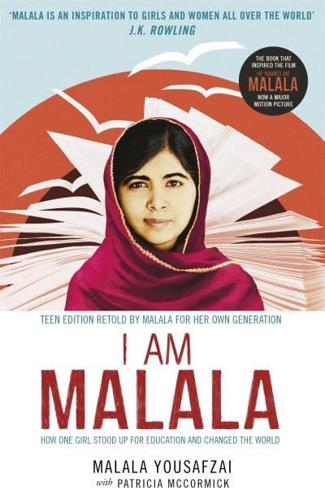
I Am Malala: How One Girl Stood Up for Education and Changed the World by Malala Yousafzai and Patricia McCormick
This teen edition tells Malala Yousafzai’s story from her childhood in Pakistan’s Swat Valley to her international campaign for girls’ education. Malala describes school and family life, the growing restrictions imposed by the Taliban, her decision to speak publicly and the 2012 attack she survived. The paperback also contains additional material, including a Q&A and discussion material. It gives secondary-age students a first-person account connecting modern Pakistan, education, activism, extremism and the experience of becoming a global campaigner.
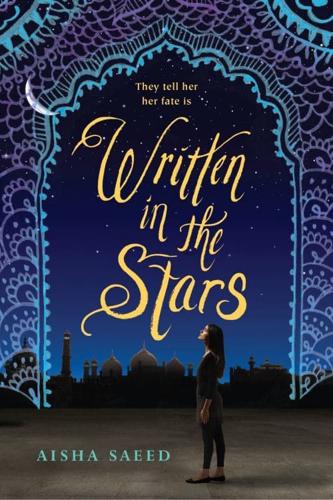
Written in the Stars by Aisha Saeed
Pakistani American teenager Naila has grown up knowing that her parents expect to choose her husband. After they discover her relationship with Saif, a family trip to Pakistan becomes the setting for a profound conflict over her future. Naila finds herself confronting a marriage arranged against her wishes and searching for a way to regain control of her life. Written for 14+ year olds, the novel examines family expectations, autonomy, love and forced marriage through a teenage protagonist moving between American and Pakistani cultures.
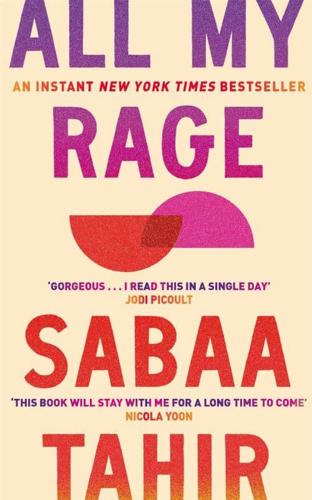
All My Rage by Sabaa Tahir
Sabaa Tahir’s contemporary YA novel moves between Lahore and California and across two generations of a Pakistani family. In the present, Salahudin and Noor are best friends whose lives have become complicated by grief, family responsibilities and their hopes for the future. Earlier sections follow Misbah as her life takes her from Pakistan to the United States. The interwoven perspectives create a compelling story about friendship, family, love, loss, forgiveness and the different meanings that home can acquire across generations.
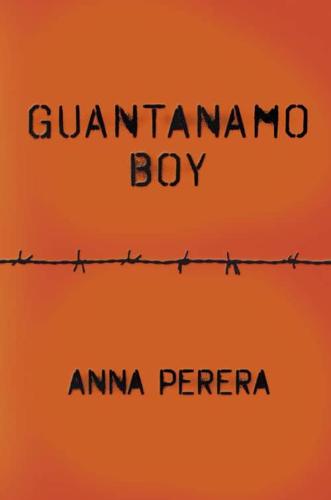
Guantanamo Boy by Anna Perera
Fifteen-year-old Khalid lives in Rochdale and travels to Pakistan with his family, where his ordinary teenage life is violently interrupted when he is abducted. He is eventually transported to Guantanamo Bay, where he is detained and interrogated. Anna Perera tells the story through Khalid’s perspective, connecting his British home life, his family’s Pakistani visit and the machinery of detention during the War on Terror. The novel offers older secondary students useful material for discussion about identity, justice, human rights and negative stereotypes about Muslim teenagers.
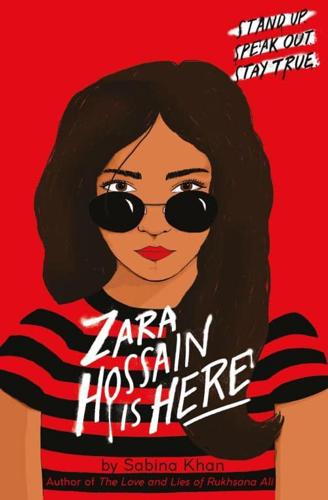
Zara Hossain Is Here by Sabina Khan
Seventeen-year-old Zara Hossain is a Pakistani immigrant living with her family in Texas while they wait for permanent residency. She is already dealing with Islamophobia at school when racist harassment escalates and threatens the security her family has worked towards. Zara must decide how to respond while navigating friendships, family and her sense of belonging. This contemporary YA novel places Pakistani identity within a story about immigration, prejudice, speaking out and the meaning of home for a teenager growing up between cultures.
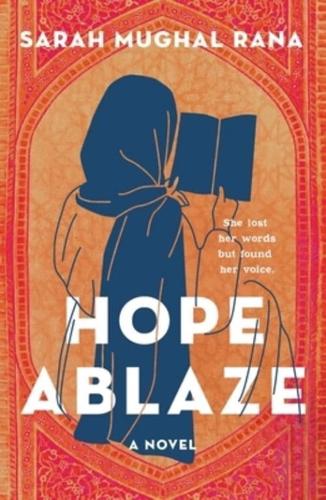
Hope Ablaze by Sarah Mughal Rana
Eighteen-year-old Nida Siddiqui is a Pakistani American Muslim poet whose family has experienced the consequences of political persecution. When police forcibly remove her hijab during an encounter at a political candidate’s rally, Nida responds by writing poetry that challenges the injustice she has experienced. After one of her poems becomes public, she faces accusations and threats that place her family under further pressure. Blending prose, verse and elements of magical realism, Sarah Mughal Rana’s thrilling YA novel explores Islamophobia, political expression, faith, family and the struggle to reclaim a voice in the face of intimidation.
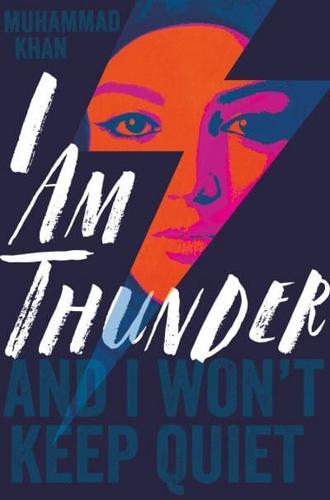
I Am Thunder by Muhammad Khan
Fifteen-year-old Muzna Saleem wants to become a writer, while her British Pakistani parents have firm ideas about her future. Starting at a new school gives her a chance to reinvent herself, but a developing relationship draws her towards a world of radicalisation and increasingly serious choices. Muhammad Khan’s outstanding novel for 13+ year olds combines school, friendships, family expectations, faith and first love with a plot examining how a teenager can be targeted and manipulated by extremists.
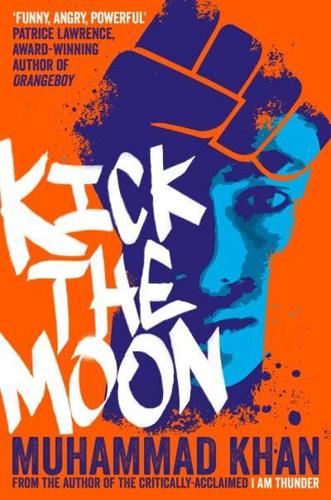
Kick the Moon by Muhammad Khan
Fifteen-year-old Ilyas is approaching his GCSEs while trying to balance his own ambitions with the expectations of family and friends. He loves comic-book art, but peer pressure and questions about masculinity complicate the choices he makes. Muhammad Khan’s contemporary London-set novel for 14+ year olds centres on a British Pakistani teenager finding space for creativity, friendship and a more confident sense of himself. Original comic-book artwork forms part of a story that brings school life, family, identity and the pressures placed on teenage boys together.
Fight Back by A. M. Dassu
Thirteen-year-old Aaliyah is growing up in the Midlands and decides to wear a hijab, a personal choice that becomes increasingly significant as hostility towards Muslims grows after a terrorist attack. When her school bans the hijab and prejudice affects her community, Aaliyah and her friends look for ways to challenge discrimination and stand up for their rights. A. M. Dassu’s novel for 13+ year olds year olds combines family, friendships and teenage identity with activism, Islamophobia and community solidarity.

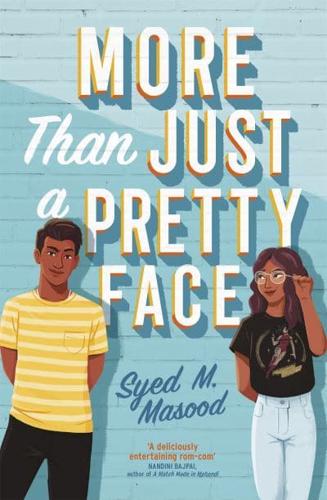
More Than Just a Pretty Face by Syed Masood
Danyal Jilani wants to become a chef, an ambition that clashes with his father’s expectations and with the assumptions other people make about him. When Danyal is selected for his school’s Renaissance Man academic competition, he turns to the brilliant Bisma for help. Their friendship develops as he prepares his presentation and begins reconsidering what he wants from relationships, family and his future. This YA romantic comedy blends Pakistani family life, food, faith, friendship and first love through Danyal’s warm and confident narrative voice. Highly recommended.
Click the buttons below to purchase all of the books in this Pakistan list, as well as class sets of any of these books and many more, from Bookshop.org UK. Or buy all 20 titles from this list from Amazon – ideal for gifts or your classroom library.
Buy from UK.Bookshop.Org Buy from Amazon.co.uk
Disclosure: If you buy books using the buttons above: we may earn a commission from Bookshop.org, whose fees support independent bookshops; as an Amazon Associate schoolreadinglist.co.uk earns from qualifying purchases.
Schools & teachers: please respect copyright and don’t copy our Pakistan book list. If you find our book recommendations useful, please consider sharing on social media or linking to this page instead. Thanks.
Pakistan resources for teachers
- Oxford University Press Pakistan provides a free social studies teaching guide featuring detailed lesson plans, map activities and worksheets. Topics include the River Indus, mountains, deserts, farming, climate, transport, languages and Pakistani culture. Designed for Pakistan’s curriculum, many of the activities can be adapted for UK primary geography lessons.
- The UNESCO World Heritage Centre provides information about Pakistan’s six World Heritage Sites, including the ancient city of Moenjodaro, the Buddhist ruins at Taxila and the Fort and Shalamar Gardens in Lahore. Site descriptions, photographs and historical information offer useful starting points for KS2 and KS3 history, geography and cultural heritage projects.
- The UK National Archives offers a KS3 lesson exploring the 1947 partition of British India and the creation of Pakistan. Original letters, maps, newspapers, oral history testimony, a short film and teachers’ notes help pupils investigate British colonial rule, independence, migration and the human consequences of Partition.
- For GCSE and A-level history, the National Archives’ Indian independence teaching collection explores the events leading up to 1947, while part two examines Partition itself. Both collections feature original government documents, photographs, correspondence and historical enquiry questions, allowing students to evaluate competing perspectives on the formation of Pakistan.
- The British Library’s Voices of Partition collection brings together recorded interviews, personal memories and historical sources documenting independence and the creation of Pakistan. Accompanying guidance helps secondary teachers use oral testimony to explore migration, identity, colonialism and the experiences of families affected by Partition.
- The Historical Association’s Partition History Project explores how the independence of India and Pakistan can be taught sensitively in UK secondary schools. It includes a downloadable introduction to teaching the history of India and Pakistan and considers the shared experiences of different religious communities during the upheavals of 1947.
- Stanford University’s Programme on International and Cross-Cultural Education provides a free classroom discussion guide about the Partition of India and Pakistan. Designed for secondary students, activities include historical background reading, conflict analysis, discussion questions and opportunities to examine personal testimony through short films.
- The UK Met Office examines climate hazards in Pakistan, including extreme heat, flooding, water shortages and the development of early warning systems. The case study provides useful real-world material for secondary geography and science lessons about monsoons, climate change, natural hazards and disaster preparedness.
- Oxfam Education offers free climate justice teaching packs for ages 9-16, including lesson plans, films, slideshows, role play and discussion activities. These can be used alongside case studies of flooding and extreme weather in Pakistan to investigate climate inequality, environmental change and the ways communities respond to natural disasters.
- WaterAid Pakistan publishes research, factsheets and reports about clean water, sanitation and hygiene, including projects improving facilities in Pakistani schools. The material provides contemporary case studies for geography, science, citizenship and PSHE lessons examining water security, public health and the relationship between education and development.
- The Malala Fund’s Pakistan country resources explore girls’ access to education, barriers to secondary schooling, the shortage of teachers and campaigns for educational equality. The information and examples of local initiatives can support KS3 and KS4 citizenship, PSHE and English lessons about children’s rights, activism and the importance of education.
- The British Council’s Schools Connect programme provides free international classroom resources, project ideas and guidance on developing school partnerships. Teachers planning a Pakistan topic can use these materials to explore cultural identity, languages, global citizenship and comparisons between school life in Britain and other countries.
BISAC JUV030020, YAF046030, JNF025140. | Thema YNH, YNMC, 1FKP.