Oracy books for children and teens
This list of oracy books for children and teens explores the power of speaking, listening, discussion and self-expression. From practical public speaking guides and poetry to stories about finding the courage to speak up, the selection brings together books that can inspire classroom conversations, performances, debates and independent reading, and help promote oracy in school. There are recommendations for children aged 7-12 and a separate selection of young adult books for teenagers. This list features books by Joseph Coelho, Elizabeth Acevedo, Angie Thomas, Dean Atta, Manjeet Mann, Helen Rutter, Laurie Halse Anderson, Matt Goodfellow, Ben Brooks, and Jennifer Mathieu.
Oracy books for children and teens – our recommendations
Oracy books for children aged 7-12
How to Speak and Be Heard: A Kids’ Toolkit for Oracy and Confident Speaking by Sam Hutchinson and Vicky Barker
Children will learn the basics of oracy, from speaking with confidence to really listening and choosing the right way to communicate. This book offers practical tips for research, debate and collaborative play, all aimed at helping 7–12 year olds use their voices well and make a positive impact. It’s a brilliant toolkit for developing a personal communication style ahead of secondary school.

Talking History by Joan Lennon and Joan Dritsas Haig, illustrated by André Ducci
Words have changed the world, and this book brings 16 powerful speeches to life. From Abraham Lincoln to Funmilayo Ransome-Kuti and Greta Thunberg, it explores moments that shaped history – civil rights, climate change, women’s rights, and more. Each speech is reimagined in a striking graphic novel format, with colour-coded illustrations that reflect its themes. Written by Joan Lennon and Joan Dritsas Haig, with artwork by André Ducci, it’s a fresh, visual and inspirational take on the impact of words. Highly recommended for KS2.

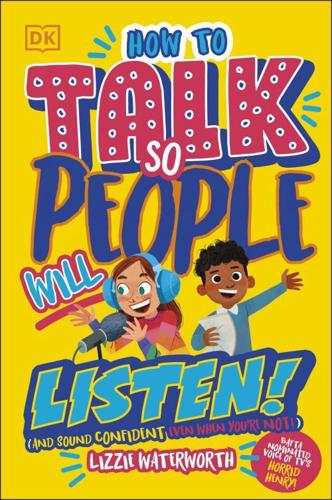
How To Talk So People Will Listen: And Sound Confident (Even When You’re Not) by Lizzie Waterworth
Professional voice artist Lizzie Waterworth shares techniques for speaking clearly and confidently, drawing on her experience in animation and performance. Breathing, voice control, preparation and handling nerves all feature in this practical guide. There are entertaining examples from the world of cartoon voices, alongside advice from people who use their voices professionally. Children can try different approaches to expressing themselves and practise the skills involved in talking to an audience, answering questions and making themselves heard.
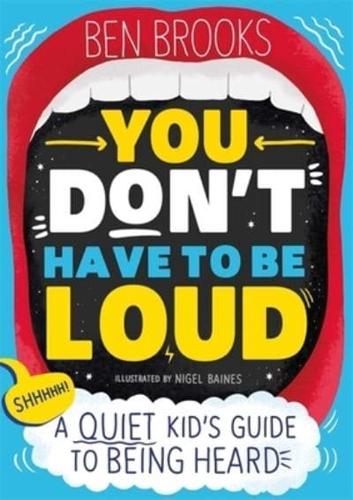
You Don’t Have to be Loud: A Quiet Kid’s Guide to Being Heard by Ben Brooks, illustrated by Nigel Baines
Ben Brooks explores what it means to be quiet in a world that often celebrates confident speakers. Drawing on his own experiences, he considers friendships, social situations, expressing opinions and finding ways to participate. The book recognises that communication can take different forms and that listening is a valuable part of conversation. With illustrations by Nigel Baines, this guide for 9-12 year olds offers practical encouragement for children developing their own approach to being heard and connecting with others.
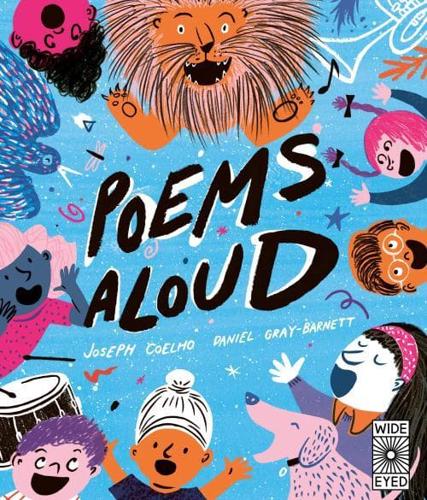
Poems Aloud: An anthology of poems to read out loud by Joseph Coelho, illustrated by Daniel Gray-Barnett
Joseph Coelho celebrates the pleasures of giving poetry a voice in this illustrated collection of 20 original poems. The verses invite children to experiment with expression, rhythm, volume and different approaches to performance. Some encourage playful delivery, while others offer opportunities to think about the feelings and meanings behind the words. Daniel Gray-Barnett’s energetic artwork complements the poems. Reading these pieces aloud provides a natural starting point for exploring how the same words can sound different when spoken in different ways.
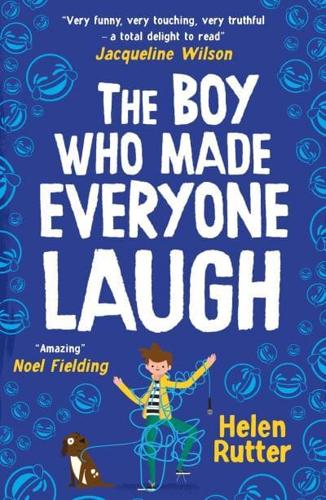
The Boy Who Made Everyone Laugh by Helen Rutter, illustrated by Andrew Bannecker
Billy Plimpton dreams of becoming a stand-up comedian. He has plenty of jokes and loves making people laugh, but his stammer affects how he feels about speaking in front of others. As Billy navigates friendships, family life and school, he discovers more about performing and expressing himself. Helen Rutter’s novel combines humour with a thoughtful portrayal of communication and confidence. This immersive and thought-provoking story for 9+ year olds invites conversations about listening, patience, self-expression and the many ways people can share their talents.
Who Let the Words Out? by Joshua Seigal, illustrated by Chris Piascik
Joshua Seigal brings together lively poems full of humour, wordplay and unexpected ideas. The collection gives children plenty of opportunities to enjoy the sounds of language, experiment with rhythm and share poetry aloud. Some pieces are especially suited to performance, inviting changes in pace, tone and expression. Chris Piascik’s illustrations add another dimension to the fun. For 7+ year olds, these poems can spark imaginative responses and make a lively starting point for group reading and discussion.

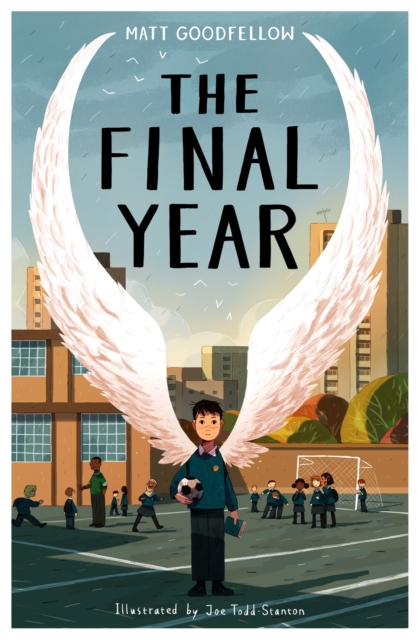
The Final Year by Matt Goodfellow, illustrated by Joe Todd-Stanton
Nate is approaching his final year of primary school, a time when friendships and family life seem to be changing around him. When his best friend grows closer to another boy and his younger brother becomes seriously ill, Nate struggles to manage his feelings. Encouraged by his teacher, Mr Joshua, he begins using writing to express himself. Told in verse and illustrated by Joe Todd-Stanton, this novel for 8+ year olds explores the power of words to communicate emotions and make sense of difficult experiences.
Smile Out Loud: 25 Happy Poems by Joseph Coelho, illustrated by Daniel Gray-Barnett
This collection of 25 poems celebrates the happiness that words can create when spoken aloud. Joseph Coelho encourages children to experiment with performance, share amusing verses and discover how poetry can lift the mood of a room. There are opportunities to practise expression, phrasing and the relationship between sound and meaning. Daniel Gray-Barnett’s colourful illustrations contribute to the playful atmosphere. The poems lend themselves to shared reading, poetry performances and short classroom activities that encourage children to enjoy using their voices.

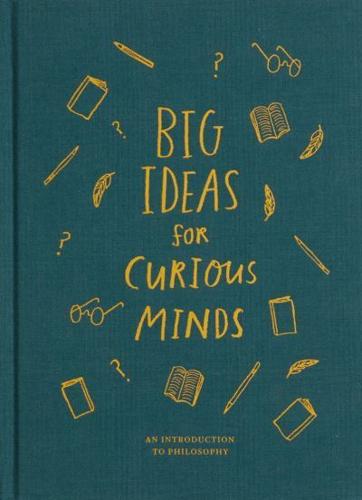
Big Ideas for Curious Minds: An Introduction to Philosophy by The School of Life, illustrated by Anna Doherty
What makes a good friend? How can people decide what is fair? Why do different people see the same situation differently? This introduction to philosophy encourages children to ask questions and think carefully about their answers. Ideas associated with famous philosophers are presented through stories, examples and illustrations by Anna Doherty. For 8+ year olds, the book can stimulate thoughtful conversations in which children practise explaining their reasoning, listening to alternative viewpoints and developing arguments together.
Oracy books for teens aged 13+
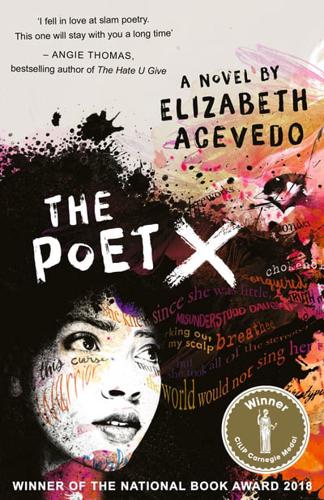
The Poet X by Elizabeth Acevedo
Xiomara Batista has a powerful voice, even when she struggles to express herself at home or school. Living in Harlem, she writes poetry to make sense of her relationships, family expectations and developing identity. The discovery of spoken word performance gives her a new way to share her experiences. Elizabeth Acevedo tells Xiomara’s story through a novel in verse, making the rhythm and emotional force of the language central to the reading experience. Poetry, personal expression and the courage to speak openly are at the heart of this stunning YA novel.
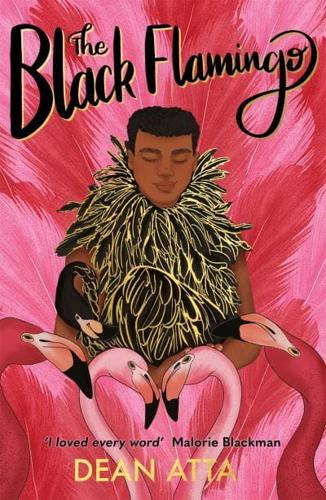
The Black Flamingo by Dean Atta, illustrated by Anshika Khullar
Michael grows up exploring his identity, heritage and relationships, gradually learning how to express the different parts of himself. At university, drag performance offers an opportunity to step into the spotlight as the Black Flamingo. Dean Atta tells this outstanding coming-of-age story in verse, supported by illustrations from Anshika Khullar. The novel explores belonging, friendship, performance and self-acceptance through a distinctly personal narrative voice. It offers teenagers opportunities to discuss identity and the confidence involved in expressing who they are.
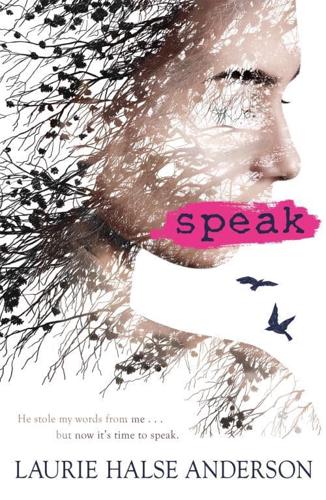
Speak by Laurie Halse Anderson
After being raped by another student at a summer party, Melinda begins high school feeling isolated and unable to explain what happened to her. Her silence affects her relationships and her place among her classmates, while art becomes an important way to process her trauma. Laurie Halse Anderson’s powerful YA novel explores sexual assault, consent, trust, communication and the difficult journey towards speaking out. It provides opportunities for carefully facilitated discussions with older secondary students about listening, believing survivors and the importance of taking personal testimony seriously.
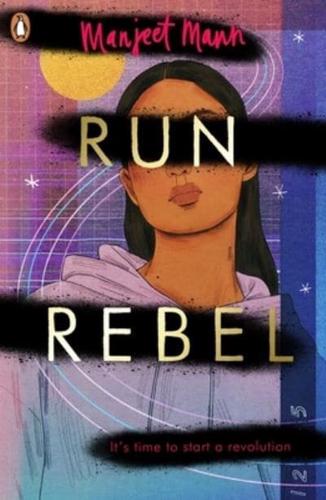
Run, Rebel by Manjeet Mann
Amber loves running, and the freedom she experiences on the track contrasts sharply with life at home, where her controlling and abusive father restricts her choices. As she witnesses the effects of domestic abuse on her family, Amber begins to challenge the expectations placed upon her and imagine a different future. Written in verse, Manjeet Mann’s powerful YA novel explores coercive control, family relationships, personal freedom and finding the courage to resist oppression. The changing rhythms of the poetry give a distinctive voice to Amber’s determination to reclaim control of her life.
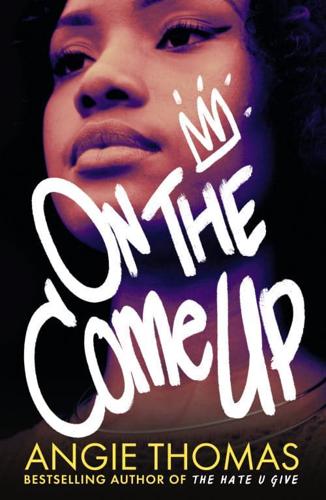
On the Come Up by Angie Thomas
Sixteen-year-old Bri wants to become a successful rapper. Music gives her a way to express her experiences and ambitions, but her lyrics attract widespread attention and controversy when a recording goes viral. As Bri navigates family pressures, friendships and the music industry, she must decide what she wants her voice to represent. Angie Thomas brings teenage creativity, ambition and social expectations together in this standout novel closely connected to hip-hop culture. For older teens, the story raises questions about artistic expression, reputation and being understood.
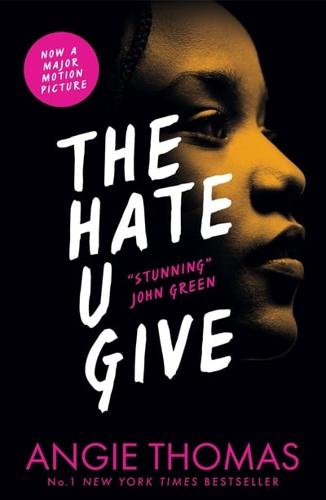
The Hate U Give by Angie Thomas
Starr Carter witnesses the fatal police shooting of her childhood friend Khalil. As the incident becomes a focus of public attention, Starr faces questions about loyalty, justice, community and whether she should speak about what she saw. Moving between her neighbourhood and school, she must also navigate the different expectations placed upon her. Angie Thomas’s landmark YA novel explores testimony, protest and the power of an individual voice. It provides substantial material for thoughtful discussion about speaking out and the responsibility of those who listen.
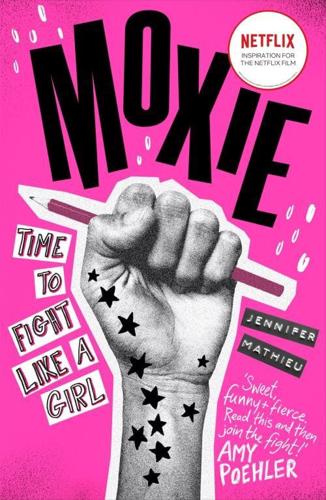
Moxie by Jennifer Mathieu
Vivian Carter is increasingly frustrated by the treatment of girls at her high school. Inspired by her mother’s experiences of the Riot Grrrl movement, she creates an anonymous feminist zine that begins circulating among her classmates. What starts as a personal response develops into a wider conversation and campaign. Jennifer Mathieu’s YA novel follows the friendships, disagreements and acts of solidarity that emerge as students challenge sexist attitudes. The highly original story offers a lively introduction to activism, collective action and the different ways people can make their opinions heard.
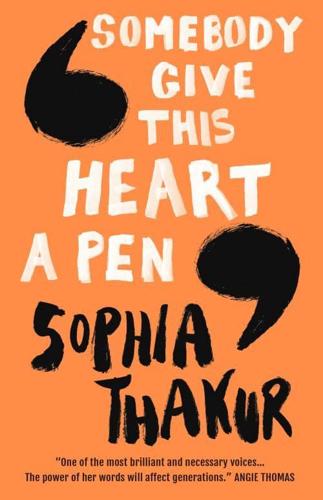
Somebody Give This Heart a Pen by Sophia Thakur
Spoken word poet Sophia Thakur brings together poems about identity, relationships, love, family and growing up. Her writing draws on the rhythms and directness of performance poetry, making the collection particularly interesting to experience both on the page and aloud. Personal experiences and wider social questions sit alongside reflections on the emotions of adolescence. For 14+ year olds, the book demonstrates how a distinctive poetic voice can communicate complex feelings and invite others into a conversation.
The Crossing by Manjeet Mann
Natalie lives in Dover, where grief and family tensions shape her view of the world. Sammy has fled Eritrea and is making a dangerous journey towards a possible new life in Europe. Their stories unfold through alternating verse narratives, bringing contrasting experiences and perspectives into the same book. Manjeet Mann uses poetry to explore migration, hope, loss and human connection. This thought-provoking and pertinent novel invites teenage readers to consider how listening to individual stories can deepen understanding of events that are often discussed in broader political or social terms.

Punching the Air by Ibi Zoboi and Yusef Salaam
Sixteen-year-old Amal Shahid is wrongfully convicted and sent to prison. As he struggles with the injustice of his situation, art and poetry become important ways to hold on to his identity and express what he is experiencing. Written by Ibi Zoboi and Yusef Salaam, this innovative YA novel in verse explores racism, freedom, creativity and the struggle to have the truth recognised. The language gives Amal a powerful narrative voice, opening up conversations about whose stories are heard and how creative expression can sustain hope.

Click the buttons below to purchase all of the books in this oracy books for children and teens list, as well as class sets of any of these books and many more, from Bookshop.org UK. Or buy all 20 titles from this list from Amazon – ideal for gifts or your classroom library.
Buy from UK.Bookshop.Org Buy from Amazon.co.ukDisclosure: If you buy books using the buttons above: we may earn a commission from Bookshop.org, whose fees support independent bookshops; as an Amazon Associate schoolreadinglist.co.uk earns from qualifying purchases.
Schools & teachers: please respect copyright and don’t copy our oracy books for children and teens list. If you find our book recommendations useful, please consider sharing on social media or linking to this page instead. Thanks.
Oracy books for children and teens resources for teachers
- Department for Education: English national curriculum. Statutory programmes of study including spoken language expectations, classroom discussion, presentations, drama and debate. Useful for connecting oracy activities with primary and secondary English teaching.
- English-Speaking Union: Oracy in Action. A teacher toolkit containing 12 lesson plans, accompanying presentation materials and activities on active listening, building arguments, reasoning and verbal expression. Includes a balloon debate activity.
- National Literacy Trust: Oracy and talk for learning. A resource for secondary teachers covering exploratory talk, dialogic talk and Socratic discussion. Includes guidance on modelling talk, structuring discussions and helping pupils respond to different viewpoints.
- Education Endowment Foundation: Oral language interventions. Evidence and implementation guidance relating to speaking, listening and verbal interaction in classrooms. Useful for planning approaches to developing pupils’ oral language skills.
- National Literacy Trust: What is oracy?. An introduction to speaking and listening as part of literacy, with links to related training, teaching resources, classroom talk activities and professional development opportunities.
- English-Speaking Union: Discover Your Voice workshops. Information about school workshops for pupils aged 10-18, covering expression, delivery, reasoning, evidence, listening and response. Useful for schools planning dedicated oracy sessions or enrichment activities.
- Oak National Academy: Reading and responding to poems from The Final Year. A classroom lesson exploring how poetic layout, line breaks and language communicate character and emotion, with accompanying teaching materials and discussion opportunities.
BISAC JNF053160, JNF042000, YAF044000, YAF058280. | Thema YXD, YDP, YFV, YXZB.