Olympics books for children and teens
These Olympics books for children and teens bring together story picturebooks, champion biographies, sport science, Olympic history and young adult reading. Younger children can discover the Games through an Ancient Greek athlete and modern champions, while older pupils can compare Olympic events, records, rules and the science of sport. The teen books look at ambition and personal journeys around elite competition. This list features books by Aly Raisman, Maria Isabel Sanchez Vegara, Brian Moses, Christina Balit, Paul Mason, Glenn Murphy, Clive Gifford, Sara Fujimura, and Roy Apps.
Olympics books for children and teens – our recommendations
Olympics story picture books for 3-7 year olds
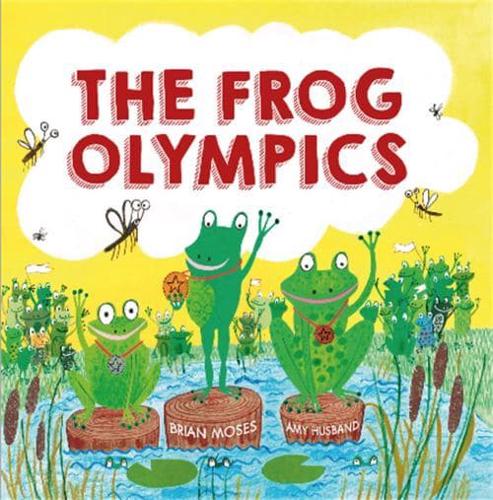
The Frog Olympics by Brian Moses, illustrated by Amy Husband
This rhyming picture story for children from around 3 years brings frogs together from around the world to celebrate their own sporting festival. The verses are written to read aloud, while Amy Husband’s bright illustrations show each frog taking part. The friendly competition opens up conversation about participation and inclusion, with frogs of different sizes and abilities gathering for a shared event. The rhymes invite children to join in at home or in class.
Gigantosaurus – Giganto Games by Cyber Group Studios
Join Bill, Mazu, Tiny, and Rocky in the exhilarating sporting adventures. Based on the popular TV series, this epic sporting adventure immerses young readers in Cretacia’s Giganto Games. As Bill vies for victory, he learns valuable lessons about friendship and fair play. It’s a useful book to explore the concept of sportsmanship with younger children.

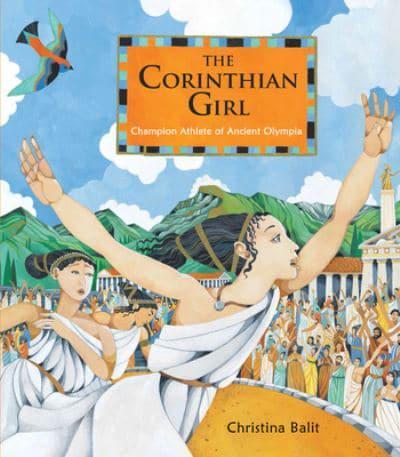
The Corinthian Girl: Champion Athlete of Ancient Olympia by Christina Balit
This historical picturebook for 6+ year olds follows a nameless girl in Ancient Greece who is born in Corinth, abandoned as a baby and enslaved. Her strength and athletic skill are noticed by the celebrated athlete who owns her, and she is prepared for the girls’ and women’s Games at the Heraean Games in Olympia. Christina Balit’s detailed illustrations frame a story of training, competition and a young athlete’s journey to victory, freedom and recognition.
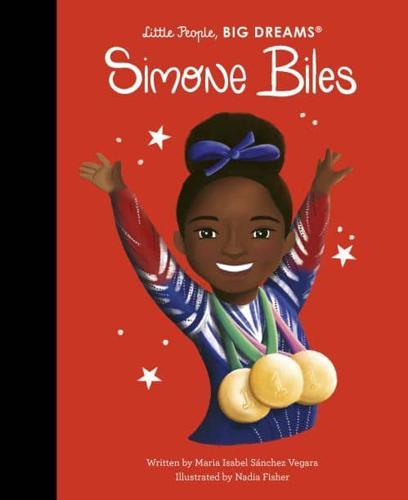
Simone Biles by Maria Isabel Sanchez Vegara, illustrated by Nadia Fisher
This picture book biography of the record-breaking gymnast traces her childhood experiences, discovery of gymnastics and rise to world championship titles and Olympic success. Maria Isabel Sánchez Vegara also explores Biles’s decision to prioritise her mental health by withdrawing from several events at the Tokyo Olympics. Nadia Fisher’s engaging illustrations accompany a timeline, historical photographs and further biographical facts.
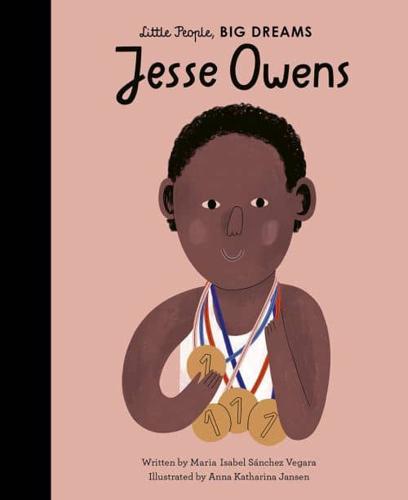
Jesse Owens by Maria Isabel Sanchez Vegara, illustrated by Anna Katharina Jansen
Jesse Owens’s life is told from childhood in Alabama, where he worked in cotton fields, to his rise as a track and field athlete and his challenge to racism on the world stage at the 1936 Berlin Olympics. Maria Isabel Sanchez Vegara’s text is paired with Anna Katharina Jansen’s illustrations, a timeline, historical photographs and facts about Owens’s athletic and activist life. This picture book biography connects Olympic history with Jesse Owens’ historic challenge to racism.
Olympics books for children aged 7-12
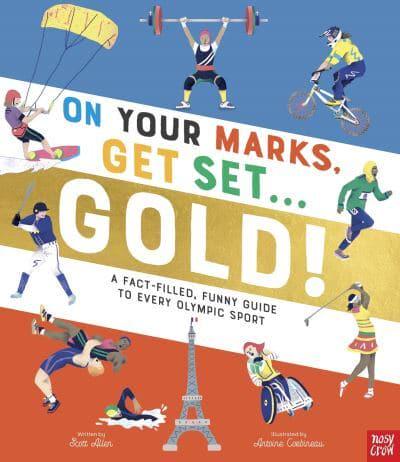
On Your Marks, Get Set, Gold!: A Fact-Filled, Funny Guide to Every Olympic Sport by Scott Allen, illustrated by Antoine Corbineau
This illustrated guide for 7-9 year olds brings together Olympic and Paralympic sports, from boxing and boccia to track events and rhythmic gymnastics. Each section looks at the sport’s skills and equipment, shares facts about prominent athletes and gives children a sense of what training involves. Scott Allen’s funny, fact-packed text is accompanied by Antoine Corbineau’s bold illustrations, with extra details about potential future events and the route to becoming a champion.
Shoot for the Stars by Danielle Brown, illustrated by Jayde Perkin and Filigrana de Ideas
Danielle Brown draws on her Paralympic archery career – along with stories from other athletes – to offer a practical, down-to-earth guide for young people in sport. Packed with tips, quizzes and exercises, it’s designed to build confidence, boost motivation and help tackle setbacks. Resilience and mindset are explored in a way that feels honest, never preachy. With vibrant illustrations by Jayde Perkin and Filigrana de Ideas, it’s a brilliant choice for 9-12-year-olds looking for inspiration, relatable role models and a fresh perspective on sport – and life. Highly recommended.

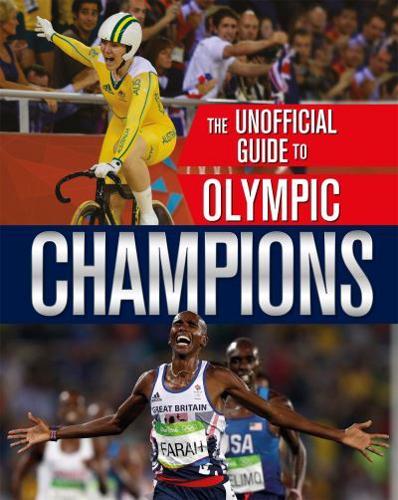
The Unofficial Guide to the Olympic Games: Champions by Paul Mason
This volume for 8+ year olds profiles Olympic champions across track and field, boxing, cycling, gymnastics, rowing, skating, skiing and swimming. Paul Mason pairs familiar names such as Usain Bolt, Mo Farah, Simone Biles and Rebecca Adlington with athletes from other countries and generations. The guide also includes Olympic host cities, key vocabulary, an index and further information, making it a browsable starting point for class research and individual reading.
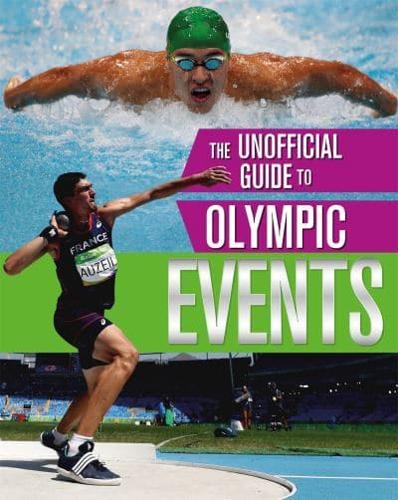
The Unofficial Guide to the Olympic Games: Events by Paul Mason
This guide for 8+ year olds maps the breadth of Olympic competition, moving from athletics and ball sports to combat sports, cycling, gymnastics, swimming and newer events. Paul Mason introduces the changing Games and explains how different disciplines fit into the programme.
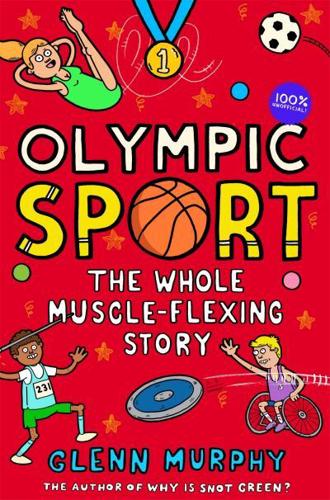
Olympic Sport: The Whole Muscle-Flexing Story by Glenn Murphy, illustrated by Mike Phillips
Glenn Murphy’s illustrated science book for KS2 asks what makes athletes fast, strong and skilful. It looks at equipment, movement and the body, with questions about tennis rackets, gymnasts’ balance and hurdlers’ technique. Five sections cover the Olympic stadium, endurance, ball games, flexibility and control. The humorous explanations link Olympic sport to the science children can observe in PE and everyday games. The format moves between questions, facts and illustrations.
EDGE: Dream to Win: Mo Farah by Roy Apps, illustrated by Chris King
Roy Apps’s illustrated biography for 7+ year olds traces Mo Farah’s early life and running career through to his double-gold performance at the London 2012 Olympics. Chris King’s illustrations accompany a short, accessible account of the training, determination and setbacks behind his sporting achievements. Originally published in 2013, the book predates Farah’s 2022 disclosure that he had been trafficked to Britain as a child, so its account of his early life should be read with that important historical context in mind.
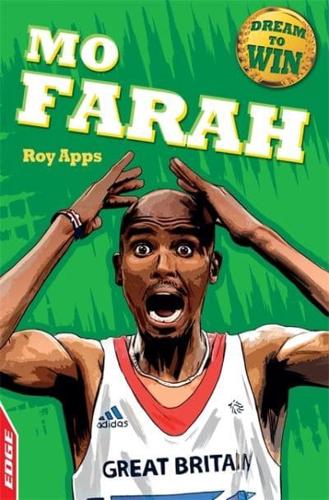
True Stories You’ll Never Forget: True Sports Stories by Clive Gifford
These true sports stories for 9+ year olds range from Olympic legends to unexpected champions, with accounts of runners, jumpers and skaters. Clive Gifford retells the episodes in short non-fiction chapters, supported by black and white illustrations. Quiz questions and activities, a glossary, further information and an index round out the book, so children can move between narrative reading and quick fact-finding about sporting lives and moments.
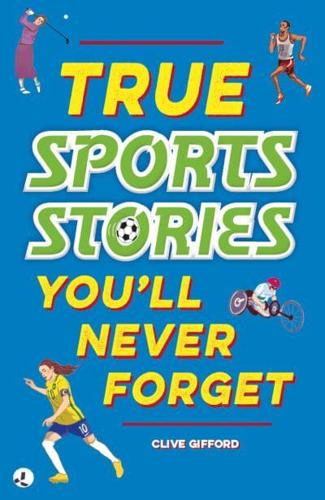
Raise The Bar by Fernanda Frick H
Sam Sanchez dreams of becoming Chile’s first weightlifting gold medallist, even without a coach or the equipment she needs. When a chance comes to train with Olympic champion Eva Dos Santos, she takes it, despite her parents’ doubts. For 10+ year olds, this inspirational graphic novel follows ambition, rivalry, resilience, friendship and the dream of trying to turn talent into sporting success. Highly recommended.

Olympics books for teens
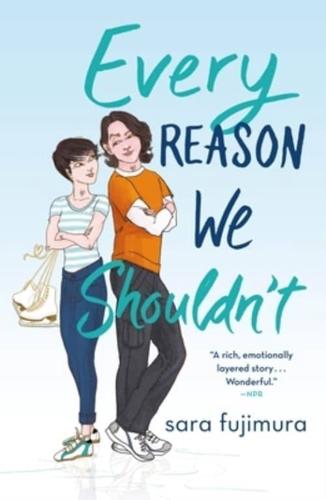
Every Reason We Shouldn’t by Sara Fujimura
A figure-skating romance for 13-18 year olds, the novel centres on Olivia Kennedy, whose Olympic ambitions have ended, and Jonah Choi, a speed skater training for his own shot at the Games. When Jonah begins practising at Olivia’s family’s struggling rink, their rivalry and attraction grow. Sara Fujimura’s engaging YA story combines skating, family expectations, friendship and the question of what comes after a sporting dream changes.
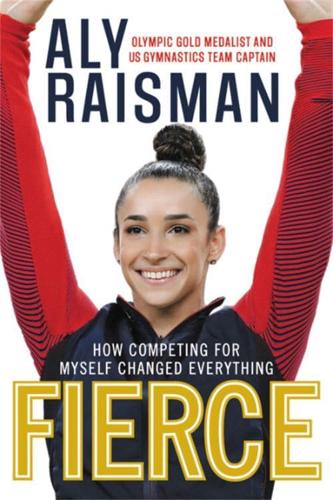
Fierce: How Competing for Myself Changed Everything by Aly Raisman
Aly Raisman’s memoir takes older and more mature teen readers from her first gymnastics classes through the training, setbacks, abusive situations and achievements that led to medals at two Olympic Games. Told in her own words, the book includes photographs and excerpts from journals kept since childhood, as well as reflections and advice for readers. It gives a 16+ year olds a personal account of life in elite gymnastics, the work behind competition and the responsibilities of a team captain.
Click the buttons below to purchase all of the books in this Olympics books for children and teens list, as well as class sets of any of these books and many more, from Bookshop.org UK.
Buy from UK.Bookshop.OrgDisclosure: If you buy books using the buttons above: we may earn a commission from Bookshop.org, whose fees support independent bookshops; as an Amazon Associate schoolreadinglist.co.uk earns from qualifying purchases.
Schools & teachers: please respect copyright and don’t copy our Olympics books for children and teens list. If you find our book recommendations useful, please consider sharing on social media or linking to this page instead. Thanks.
Olympics resources for teachers
- Get Set, the official education programme from Team GB and ParalympicsGB, provides free cross-curricular resources for pupils aged 5-19. Teachers can access lesson plans, assemblies, athlete videos, PE activities and resources exploring Olympic and Paralympic history, sporting values, science and technology.
- The International Olympic Committee’s Olympic Values Education Programme offers free teaching guides, printable activity sheets and practical classroom exercises. Resources explore excellence, respect, friendship, fair play, cultural understanding and the links between sport, education and personal development.
- Oak National Academy has a free Year 4 history lesson comparing the ancient and modern Olympic Games. It includes downloadable slides, worksheets, quizzes and a video, covering Olympia, Greek religious festivals, sporting traditions and the legacy of the ancient Games.
- The British Museum provides a downloadable teachers’ guide to the Olympic Games in Ancient Greece. It explores the origins of the Games, archaeological evidence, chariot racing, athletics, combat sports and the religious significance of Olympia. Particularly useful for KS2 history.
- The National Literacy Trust offers free Olympic-themed EYFS activities inspired by The Frog Olympics. The resource combines storytelling, purposeful writing, communication and language development with outdoor learning, physical activities and ideas for organising a mini-Olympics. Free registration is required to download the materials.
- The Historical Association features a KS2 scheme of work developed by Sporting Heritage. Pupils investigate why the ancient Olympics began, what the Games reveal about Greek society, and how they compare with modern sporting events. The unit culminates in pupils designing a museum exhibition. Full teaching resources require Historical Association primary membership.
- STEM Learning provides an Olympic-themed maths and science challenge for pupils aged 11-14. Downloadable resources include teachers’ notes, sports factfiles and activities investigating venue design, infrastructure, accessibility, sustainability and the engineering challenges involved in staging major sporting events.
- The National Paralympic Heritage Trust offers free activity packs exploring the history and achievements of Paralympic athletes. Resources include wheelchair design, Paralympic medals, rowing activities, wheelchair tennis quizzes, accessible learning materials and ideas for an inclusive school sports day.
- The International Paralympic Committee’s I’mPOSSIBLE programme introduces learners aged 6-18 to Paralympic sports, disability awareness and inclusion. Its website includes downloadable sample learning units for primary and secondary pupils, with activities exploring sporting achievement, accessibility, challenging stereotypes and creating inclusive sports.
- UK Anti-Doping provides information and links to free primary and secondary education resources about sporting integrity, fair play and healthy lifestyles. Its Get Set programmes include KS2 assemblies and playground games, KS3 activities about competition, and KS4 and post-16 resources exploring nutrition, recovery and responsible sporting choices.
- The Olympic Museum provides educational documents covering the ancient and modern Olympic Games, Olympic posters, the Olympic Movement, and the history of the Olympic flame and torch relay. These materials are useful for history, geography, art and design projects.
- Get Set for Positive Energy, developed by Team GB, ParalympicsGB and British Gas, offers free primary school resources linking Olympic and Paralympic athletes with sustainability, renewable energy, health and wellbeing. The activities provide opportunities to connect sporting values with science, geography and environmental education.
JUV032240, JNF054110, YAF059000, YAN053090. | Thema YNWA, SCBB.