Historical fiction for children and teens
Historical fiction for children and teens turns the past into something vivid and human. By placing characters in real periods, events and settings, these stories show what everyday life might have felt like, not just what happened and when. At its best, historical fiction opens a window onto unfamiliar lives, encourages empathy and leaves readers curious enough to dig into the real history afterwards. This list features books by Ian McEwan, Tom Palmer, Satoshi Kitamura, Kieran Larwood, Ruta Sepetys, Malinda Lo, Yaa Gyasi, Chimamanda Ngozi Adichie, Min Jin Lee, and Andrea Levy.
Historical fiction books for children and teens – our recommendations
Historical picture books – our recommendations
Mo’s Best Friend by Bridget Marzo
Mo’s Best Friend imagines how humans and dogs might first have become companions. In the Stone Age, Mo befriends a small wild animal despite her family’s fear of dangerous beasts. When the creature helps protect baby Babba from a hungry lynx, the family begin to see it differently, and a new friendship is born. Bridget Marzo’s warm, expressive picture book draws inspiration from prehistoric evidence of the long relationship between people and dogs, making it an engaging starting point for discussion about Stone Age life. Highly recommended.

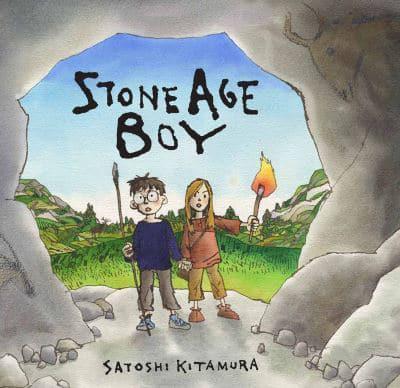
Stone Age Boy by Satoshi Kitamura
This lively picture book for 4-7 year olds sends a modern boy tumbling 20,000 years into the past, where he meets Om and her Stone Age community. As he watches people hunt, cook, make tools, prepare animal skins and paint cave walls, everyday prehistoric life takes shape around him. Satoshi Kitamura blends an imaginative time-travel story with historical detail, ending with a memorable encounter with a cave bear.
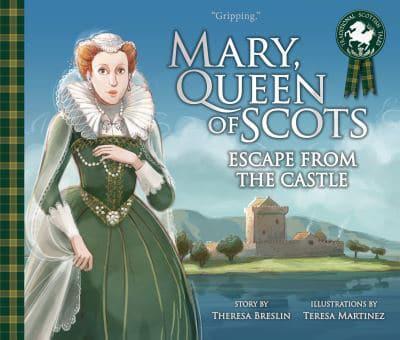
Mary, Queen of Scots: Escape from the Castle by Theresa Breslin, illustrated by Teresa Martinez
Mary’s dramatic escape from Lochleven Castle becomes an accessible historical adventure in this picture book for 4-7 year olds. Imprisoned on an island and forced to give up her throne, the Scottish queen looks for a way to regain her freedom. Theresa Breslin draws on the real events surrounding Mary’s escape, while Teresa Martinez’s illustrations bring the castle, characters and tension of the episode vividly to life.
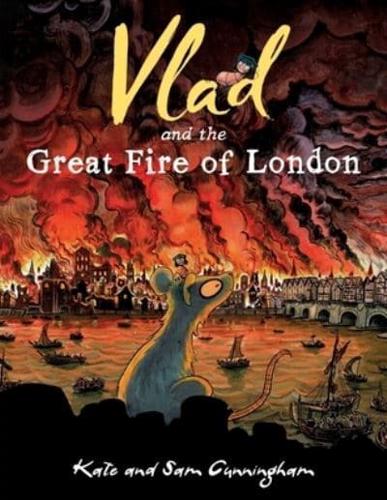
Vlad and the Great Fire of London by Kate Cunningham, illustrated by Sam Cunningham
Vlad the flea and his friend Boxton the rat are in Pudding Lane when fire breaks out in London in 1666. Their escape carries them through the spreading disaster as residents try to fight the flames and flee the city with their belongings. Detailed illustrations and a fact file add historical context to the adventure, giving 5-8 year olds plenty to discover about the Great Fire and seventeenth-century London.
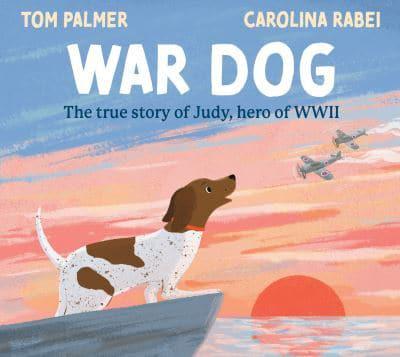
War Dog by Tom Palmer and Carolina Rabei
Judy, the mascot of HMS Grasshopper, stood by her crew through some of the hardest moments of the Second World War. She warned sailors of incoming danger, kept spirits up and stayed with them even after they were taken prisoner, becoming the only dog officially registered as a POW. War Dog is an outstanding picture book for 5-6 year olds that blends Judy’s remarkable true story with clear historical detail about her Dickin Medal and the wider role of animals in wartime, supported by Carolina Rabei’s thoughtful illustrations.
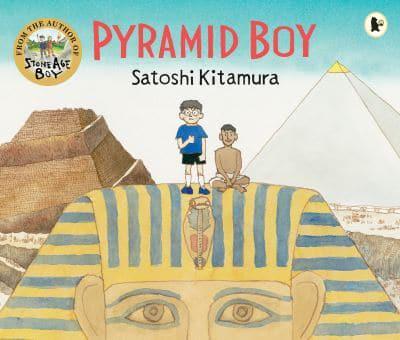
Pyramid Boy by Satoshi Kitamura
A boy lost inside a museum suddenly tumbles through time and lands in ancient Egypt, where pyramids, hieroglyphs and everyday life become part of his new adventure. Blending highly imaginative story with useful historical detail, this superb picture book for 5+ year olds provides an engaging and accessible entry point into this history topic. With enough visual information to support classroom discussion and independent reading, it’s ideal for a wide range of children in KS1 and LKS2. Highly recommended.
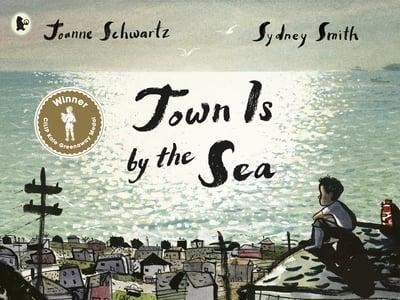
Town Is by the Sea by Joanne Schwartz, illustrated by Sydney Smith
A boy spends a summer day in his Cape Breton mining town while, far beneath the sea, his father works underground digging coal. The contrast between sunlight, family routines and the darkness of the mine gives this quiet story its emotional weight. Ideal for 5-7 year olds, it offers a thoughtful glimpse of a community where generations of boys once grew up expecting that the mine would eventually become their workplace too.
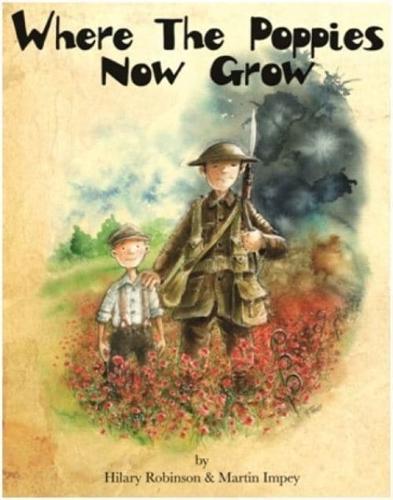
Where the Poppies Now Grow by Hilary Robinson, illustrated by Martin Impey
Childhood friends Ben and Ray grow up playing at soldiers, but their games acquire a very different meaning when the First World War begins. Hilary Robinson tells their story in rhyme, following friendship from rural childhood to the battlefields and beyond. Martin Impey’s illustrations draw on the visual world of the period, helping to make this a poignant introduction to the human consequences of war, remembrance and the endurance of friendship. Highly recommended.
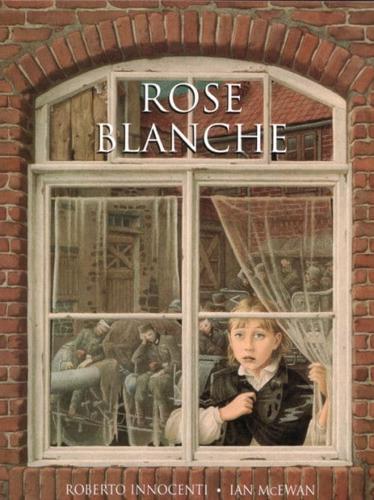
Rose Blanche by Ian McEwan, illustrated by Roberto Innocenti
This haunting picture book for 5+ year olds views the Second World War through the eyes of Rose, a German girl who notices what the adults around her ignore. After following a truck carrying prisoners, she discovers hungry children behind an electrified fence and secretly begins taking them food. Roberto Innocenti’s detailed illustrations deepen a story about compassion, moral courage and the terrible consequences of persecution, with an ending that invites careful discussion.
Historical fiction for 7-12 year olds – our recommendations
Corpse Talk: Dead, Famous and Very Chatty by Adam Murphy
History becomes considerably less dead when Adam Murphy interviews famous figures from beyond the grave. Roman emperor Nero, Mexican artist Frida Kahlo and Greek philosopher Aristotle are among the people brought back for conversations that combine biographical facts with comic-book humour. Drawn from the much-loved Corpse Talk series, this lively collection makes historical personalities the stars of witty illustrated interviews and offers an entertaining route into discovering people and periods from the past.
Enter Eddie Shakespeare by Barbara Henderson
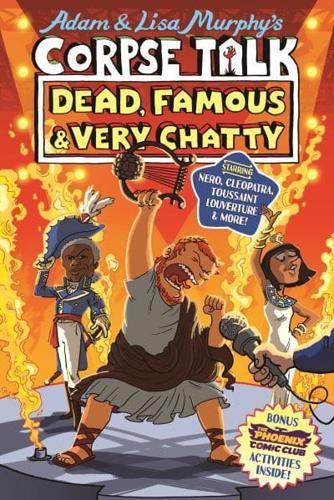
Eleven-year-old Eddie runs away from Stratford in 1592 with three ambitions: reach London, find his older brother Will and become an actor. But Will is far from delighted to see him, and Eddie’s plans become more dangerous when he discovers a plot that could cost his brother his life. Upper primary readers can expect a brisk Shakespearean historical adventure that blends theatre, sibling friction and cliff-hanging suspense. Highly recommended.
Cleopatra’s Amulet by Lindsay Galvin
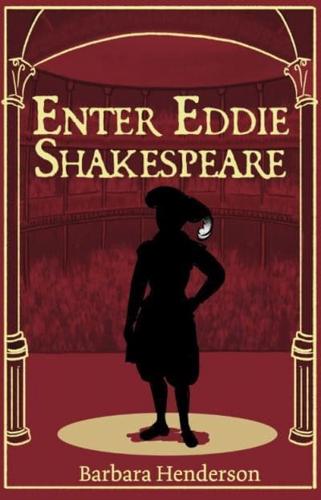
Twelve-year-old Cleopatra is already a princess and goddess of Egypt when a threat to her father’s life forces her to investigate who wants the throne badly enough to kill for it. A prophecy and an enchanted board game summon Egypt’s animal gods to protect her, although not all are trustworthy. This exciting and well-paced Ancient Egyptian adventure for 8+ year olds mixes royal intrigue, mythology, danger and a young Cleopatra determined to save Egypt. It’s ideal for class reading as part of an Ancient Egyptians humanities topic with KS2 children.
The Blitz Sisters by Judith Eagle
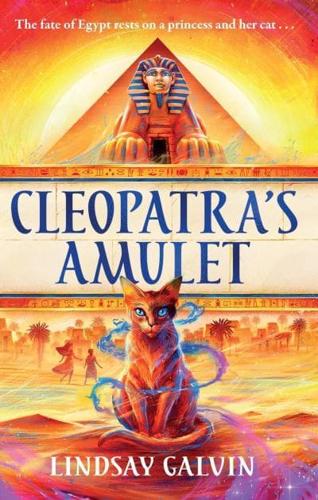
As war sweeps through London, Lydia, Peggy, and Teddy find their lives changed forever. From evacuation trains to bombed-out streets, the sisters face danger, loss, and separation, yet each discovers courage in unexpected places. Along the way they form new friendships and chase fresh ambitions, even as the world around them shifts. Blending vivid historical detail with warmth and hope, The Blitz Sisters is a spellbinding and deeply moving story of family, resilience, and finding light in dark times. Highly recommended for children in UKS2 and LKS3.
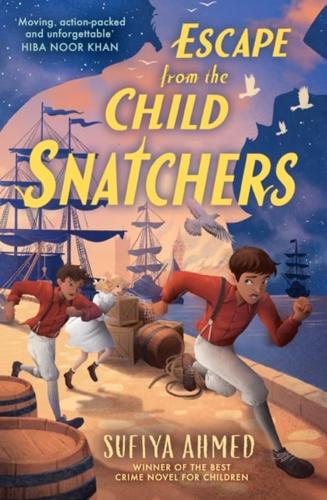
Escape from the Child Snatchers by Sufiya Ahmed
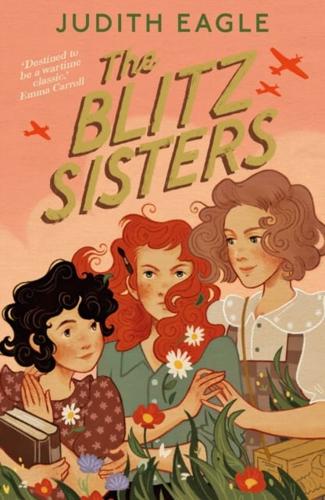
In 1865, Humza and Ranj leave Bombay as stowaways, hoping to find Humza’s missing brother in London. Their journey soon turns dangerous when they cross paths with a ruthless child snatcher. With the help of Daisy, the innkeeper’s quick-thinking daughter, they race through the city in search of Dani. Inspired by real accounts of Indian children in Victorian England, Escape from the Child Snatchers is a fast-paced, atmospheric tale that brings history vividly to life. Utterly gripping, Escape from the Child Snatchers has the pace, plot, and timeless immersive style that will truly engage children with historical fiction.
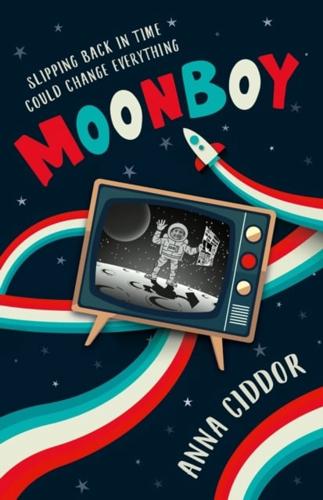
Moonboy by Anna Ciddor
When Letty finds a box of keepsakes, she’s pulled back to 1969 and into her grandfather Keith’s childhood during the Apollo 11 moon landing. Using the name Charlotte in the past, she becomes part of his world, discovering a new way to connect with him as he faces dementia in the present. Moving between past and present, Letty gently shifts small moments to help her family. Blending history with heart, this cracking sci-fi historical story for 9-12 year olds explores memory, change and the ties that hold us together.
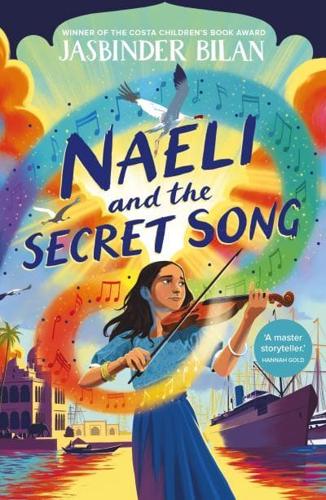
Naeli and the Secret Song by Jasbinder Bilan
Set between Hyderabad and Victorian London, this breataking historical novel follows Naeli as she chases the faint trail of her missing father – armed only with a violin and a name. From crowded Indian streets to gaslit alleys, she unpicks family secrets and wrestles with questions of identity and belonging. Laced with music and mystery, this character-driven story whisks the reader across cultures and continents at breakneck speed. It’s a powerful, moving and memorable novel for 8+ year olds. Highly recommended.
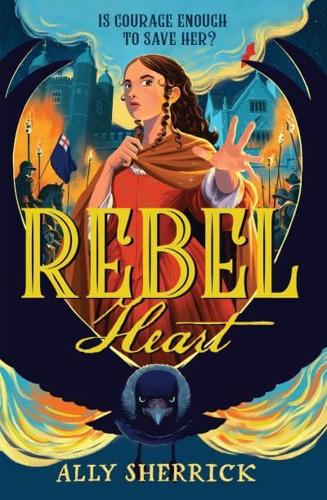
Rebel Heart by Ally Sherrick
As Cromwell’s forces close in, Merriweather Pryce is forced to flee her besieged home, searching for allies in a war-torn England. But with spies, traitors, and enemy soldiers at every turn, knowing who to trust could mean the difference between survival and capture. Set during the English Civil War, Rebel Heart is a gripping adventure about loyalty, bravery, and the cost of war. From the author of Black Powder, Rebel Heart is a grimming and immersive historical novel that’s ideal for UKS2. Highly recommended.
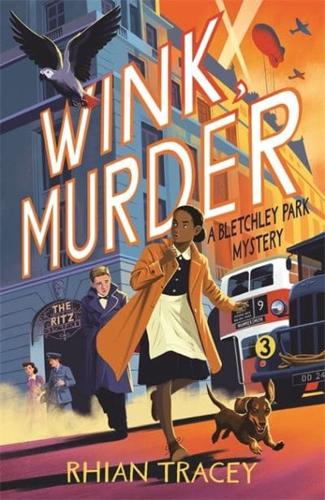
Wink, Murder by Rhian Tracey
Young Mary is thrown into the high-stakes world of Bletchley Park, where her knack for languages lands her a job decoding enemy messages. But when she’s sent undercover at the glamorous Ritz Hotel, she’s drawn into a dangerous game of espionage, where secrets lurk behind every smile and trust is a luxury she can’t afford. A gripping wartime mystery packed with tension, betrayal, and real-world history – perfect for fans of Phil Earle and Lesley Parr.
The Great Phoenix of London by Lindsay Galvin
The Great Phoenix of London is a breathtaking historical adventure set in 1666 London. When eleven-year-old Gil is separated from his family during the Great Fire, he discovers that a mysterious stone is, in fact, an unhatched phoenix. Along with his friend Jennet, he must navigate the burning city while protecting the mythical bird. This captivating middle-grade novel blends history, mythology, and science and will appeal to inquisitive 9-12 year olds. For teachers, the Great Fire of London is sure to bring KS2 topic work to life. Highly recommended.

Delta and the Lost City by Anna Fargher
This thrilling historical adventure thrusts 9-11-year-olds into 79AD Pompeii. The story follows Delta, a courageous wolfdog, as she faces multiple dangers – being accused of a crime and the impending eruption of Mount Vesuvius. Can her loyal friend, Bellona the golden eagle, help Delta to rescue her family and escape the city before it’s too late? With vivid storytelling and captivating illustrations by David Dean, readers will be thoroughly immersed in ancient Pompeii. Highly recommended for KS2. Read our full review.

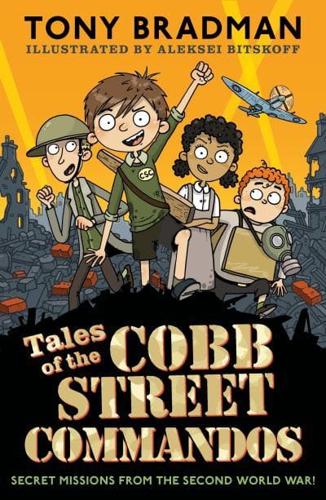
Tales of the Cobb Street Commandos by Tony Bradman
London’s East End, 1941. With the war closing in, Jimmy and his mates form a secret outfit called the Cobb Street Commandos, turning empty houses into HQs and warehouses into training grounds. Cobbling together helmets and kit from whatever they can scrounge, their missions start with wartime jobs around the city, including raising money for Spitfire planes and training alongside soldiers. Eventually, they build towards a trip to see Prime Minister Winston Churchill! It’s a pacey, satisfying-to-read, highly illustrated series opener that will inspire less confident readers to learn more about WW2. Highly recommended and ideal for group reading in KS2.
Cosima Unfortunate Steals A Star by Laura Noakes
After a life in the Home for Unfortunate Girls, being adopted by Lord Francis Fitzroy should feel like winning the lottery. But Cosima smells a rat and fears for her safety and that of her friends Pearl, Mary and Diya. Soon they are drawn into a fast-paced plot to steal the Star Diamond of India and a mystery that might reveal the fate of her parents. An inclusive, accessible and gripping read.

The Stolen Songbird by Judith Eagle
Caro resents having to go and stay in London without her pet rabbit. But Caro doesn’t follow the rules. Not only does she hide her rabbit, but she stumbles upon a valuable work of art that thrusts her into a world of intrigue and danger. A richly woven and realised adventure set in 1950s London, The Stolen Songbird is an absorbing and well-paced adventure mystery for 9-12 year olds interested in art and history.

Circus Maximus: Return of the Champion by Annelise Gray
Set in Ancient Rome, Return of the Champion concludes the exhilarating Circus Maximus series with Dido and Damon striving for racing glory. Dido hopes her horse’s foal will complete her team, while Damon, a rival’s runaway son, dreams of being a charioteer. Ideal for ages 10-14, this book offers historical insight and themes of perseverance and teamwork. It’s perfect for children who love historical adventures.

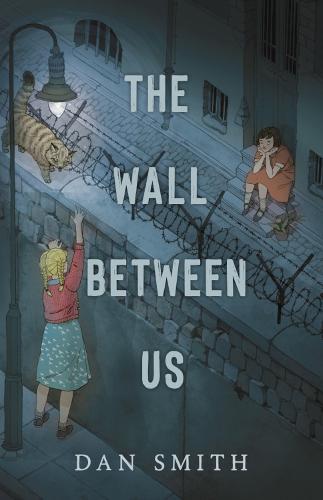
The Wall Between Us by Dan Smith
This absorbing and convincing Cold War thriller sees Anja and Monika experience first-hand the division and fear caused by the Berlin Wall. Will they ever see each other again? Ideal for Y5 and Y6 classes, The Wall Between Us is useful for character hot seating, P4C discussion and creative writing ideas.
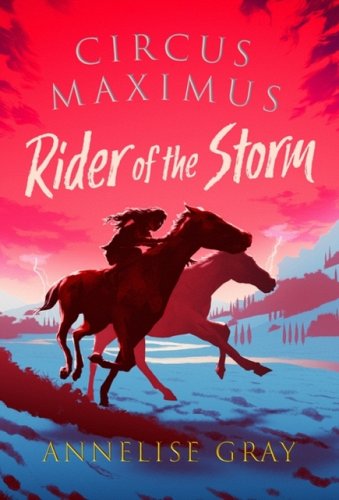
Circus Maximus: Rider of the Storm by Annelise Gray
Dido charges into her third adventure, leaving behind the racing track to train horses with Scorpus and Parmenion. But trouble is brewing with the arrival of a fiery black stallion. Compelling, rooted in history and powerful, Circus Maximus: Rider of the Storm is highly recommended for UKS2 Romans topics. With rich period detail and a captivating female protagonist, this action-packed story is a must-read. Saddle up and join Dido for the toughest, most dangerous race of her life!
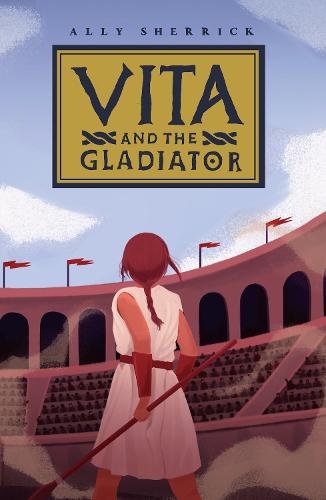
Vita and the Gladiator by Ally Sherrick
Vita rails against a future of arranged marriage and motherhood as a high-born girl in Roman London. But when her father is killed, she flees her old life and eventually finds herself enslaved, where she joins forces with gladiator Brea and other unlikely allies while trying to uncover the truth about her father’s murder. With fast-paced chapters, rich historical detail and a compelling female protagonist, this cracking middle-grade novel does not disappoint.
Carnival of the Lost by Kieran Larwood
Readers will be sucked into this adventure just like the characters being sucked into the River Thames in this uniquely strange and page-turning middle grade novel. With period typography and grungy page borders, a deliciously seedy Victorian world is evoked, with monsters, carnivals and colourful circus performers. Carnival of the Lost is throughly captivating and UKS2 teachers will love the period language, strong characters and rich descriptions.

Historical fiction for teens – our recommendations
The Terracotta Horse by Scott Lauder and David Ross
Salma Mansour hopes she’ll never have to use her black belt taekwondo skills in real life, but that’s before she’s thrust into a time travel science fiction timeslip adventure. Part of the Three Hares series, The Terracotta Horse is a cracking middle-grade novel, with a fast-moving, rollercoaster action, dialogue-driven plot A heady mix of science fiction, ancient magic, and life or death period combat, spanning thousands of miles and thousands of years, this will appeal to history and science fiction readers in KS3.

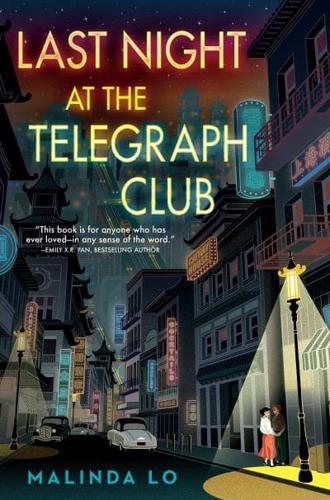
Last Night at the Telegraph Club by Malinda Lo
In 1954 San Francisco, seventeen-year-old Lily Hu finds herself drawn to Kathleen Miller and to the unfamiliar world behind the neon sign of the Telegraph Club. Their growing relationship unfolds amid the Red Scare, racism and the threat of deportation hanging over Lily’s Chinese American family. 14+ year olds can explore a carefully realised period of LGBTQ+ history through a coming-of-age story about first love, identity, family expectations and finding the courage to be seen.
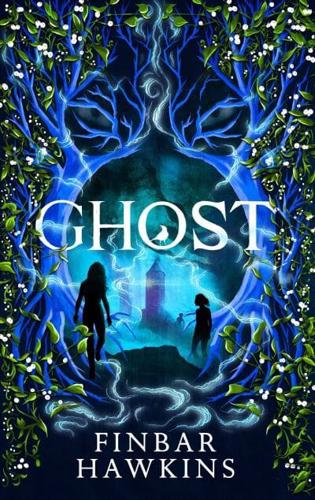
Ghost by Finbar Hawkins
Three lives intertwine across time in Ghost. In 60 AD, Aine breaks free from Roman masters and stirs an ancient force. In 1783, Sarah senses restless spirits in the woods. In the present day, Marie leaves art school and begins to hear voices that pull her into the same battle. Bound to one place and one dark power, their stories collide in a gripping mix of history, survival and other-wordly strangeness. 12+ year olds will be gripped by this unusually atmospheric and magical novel. Highly recommended for KS3.
I Must Betray You by Ruta Sepetys
Cristian Florescu dreams of becoming a writer, but he lives with the ever-present danger of the secret police and can’t write what he would like to. Soon, he faces an impossible choice: betray his loved ones and become an informant or go rogue and try to expose the truth. Who should he trust? This gripping novel takes readers deep into the heart of 1980s communist Romania and explores themes of oppression, truth and loyalty. It’s a thought-provoking novel for more advanced readers and book club discussion.

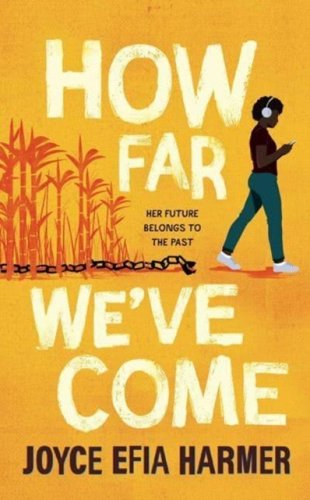
How Far We’ve Come by Joyce Efia Harmer
Obah, desperate to escape plantation slavery in Barbados, places her trust in Jacob, an outsider. But Jacob is from the future, and his idea of escape is in the twenty-first century. How Far We’ve Come is a powerful and unforgettable historical timeslip novel that covers key themes of equality and how we interpret the past. Highly recommended for secondary school libraries, novel studies in Y9-11, and KS4 book club discussions.
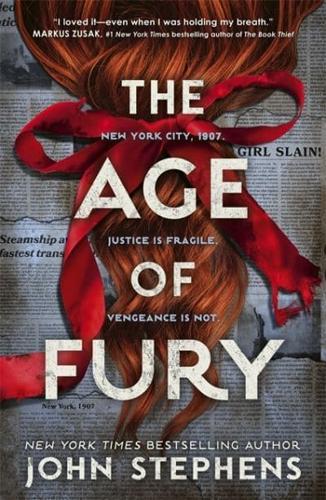
The Age of Fury by John Stephens
A desperate letter from her twin Mary brings seventeen-year-old Caitlin Quinn from Ballykelly to New York, but she arrives too late: Mary has been murdered. Determined to discover who killed her sister, Caitlin is drawn into the city’s criminal underworld, where her investigation collides with that of feared gangster William Furey. This pacey historical mystery for 14+ year olds follows their uneasy alliance as the search for the truth carries them through the dangerous contrasts of early twentieth-century New York. It’s a historical tour de force for teens. Highly recommended.
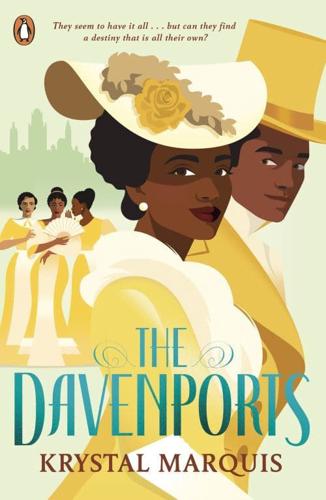
The Davenports by Krystal Marquis
Chicago in 1910 is changing, and so are the expectations surrounding the wealthy Black Davenport family. Olivia is expected to marry well, Helen would rather work with cars, Amy-Rose dreams of building a business and Ruby has ambitions of her own. For 12+ year olds who enjoy romance alongside social history, the intertwining stories explore love, class, family pressure and opportunity in a world inspired by real Black entrepreneurial success.
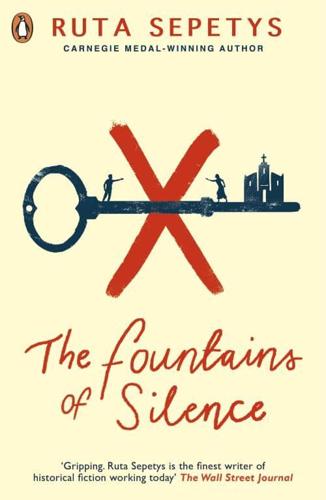
The Fountains of Silence by Ruta Sepetys
Madrid, 1957. Eighteen-year-old Daniel Matheson arrives in Spain with his wealthy American family and begins photographing a country still living under General Franco’s dictatorship. His friendship with hotel maid Ana draws him towards lives shaped by poverty, fear and secrets that outsiders rarely see. 12+ year olds can explore post-war Spain through a blend of romance and political history that gradually exposes what lies behind the country’s carefully presented tourist image.
Searching for the Remarkable in Things by Natalie Lucy
Clover is still grieving her mum when she finds a bundle of old letters that draw her into her family’s past and its connections to the American South. The story moves deftly between her life in Cornwall and the 1850s, gradually revealing how the two timelines reflect one another. Deeply moving and highly relevant to current debates about historical injustice, it explores identity, loss and the weight of the past, showing how letters, memories and folklore can shift the way we understand ourselves and where we come from. Ideal for book club discussion in KS4.

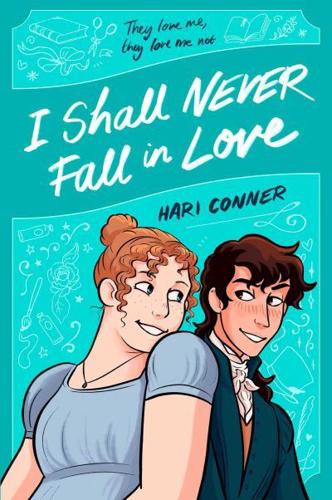
I Shall Never Fall in Love by Hari Conner
Set in Regency-era England, I Shall Never Fall in Love follows George, who hides their gender identity while managing the family estate, and Eleanor, their best friend who’s facing pressure to find a husband. The close-knit friendships come under strain as George and Eleanor struggle with unspoken feelings in the face of an unaccepting society. This compelling graphic novel with detailed illustrations and nuanced characters includes themes of love, identity, empathy and history. Inspired by Jane Austen, this fresh, queer, slow-burn graphic novel romance is Bridgerton meets swoonworthy Gentleman Jack for 2020s teens.
Historical fiction for sixth formers – our recommendations
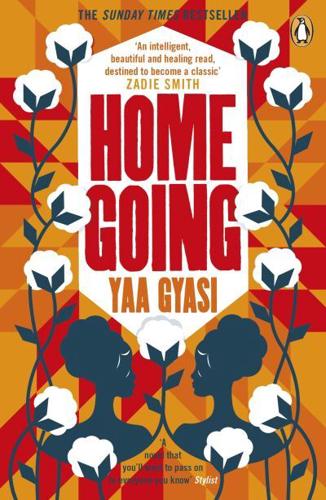
Homegoing by Yaa Gyasi
Two half-sisters in eighteenth-century Ghana begin very different lives without knowing one another. Effia marries an Englishman at Cape Coast Castle, while Esi is imprisoned beneath it before being sold into slavery. Their descendants’ stories move between Ghana and America across generations, taking in slavery, colonialism, warfare, segregation and migration. Yaa Gyasi builds an ambitious family history that shows how decisions and injustices can echo long after the people who first experienced them are gone.
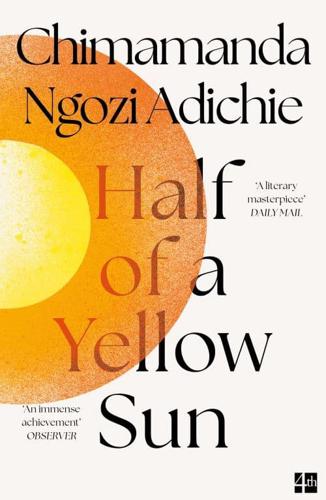
Half of a Yellow Sun by Chimamanda Ngozi Adichie
Against the upheaval of 1960s Nigeria, the lives of Ugwu, Olanna and Richard become increasingly entwined. Their relationships, ambitions and loyalties are transformed as political tension gives way to the Nigerian Civil War and the struggle for Biafra. Chimamanda Ngozi Adichie combines intimate domestic stories with a much larger account of conflict, colonial legacies, class and identity, showing how war reshapes ordinary lives as well as national history.
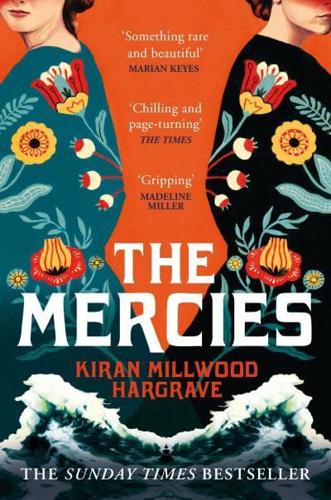
The Mercies by Kiran Millwood Hargrave
On Christmas Eve 1617, a catastrophic storm kills many of the men from the remote Norwegian island of Vardø, leaving its women to keep the community alive. Eighteen months later, religious commissioner Absalom Cornet arrives with his young wife Ursa and becomes suspicious of the women’s independence. Inspired by real events surrounding the Vardø witch trials, the novel explores fear, prejudice, female autonomy and a relationship that develops under increasingly dangerous scrutiny.
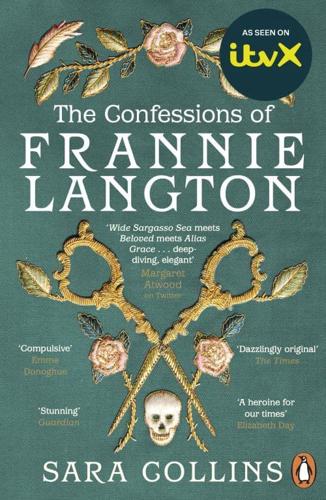
The Confessions of Frannie Langton by Sara Collins
London, 1826, and Frannie Langton stands accused of murdering her employers, George and Marguerite Benham. As the trial attracts public fascination, Frannie begins telling the story that others have reduced to prejudice and accusation. Her account reaches back to a Jamaican plantation and forward to an intense relationship in the Benhams’ London household. Part historical novel and part Gothic mystery, the story examines slavery, race, power, desire and who gets to control a woman’s reputation.
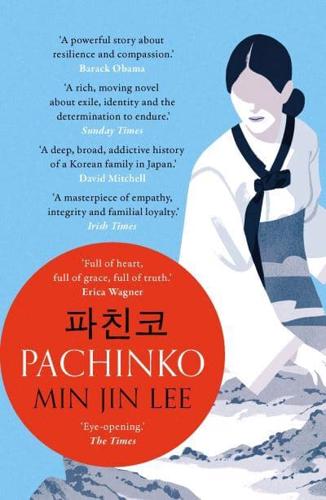
Pachinko by Min Jin Lee
Beginning in Korea in 1911, this sweeping family story follows Sunja after an unexpected pregnancy threatens her future. A Christian minister offers marriage and a new life in Japan, but migration brings hardship, discrimination and difficult choices of its own. Moving through decades and generations, Min Jin Lee traces a Korean family’s attempts to build secure lives in Japan while exploring identity, belonging, prejudice, sacrifice and the complicated ways families survive history.
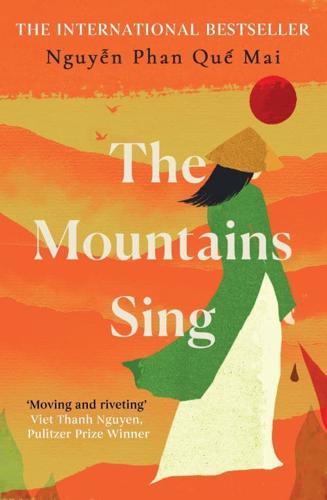
The Mountains Sing by Nguyễn Phan Quế Mai
In Hà Nội in 1972, Hương shelters with her grandmother Diệu Lan while American bombs fall on the city. For Diệu Lan, war is only the latest upheaval in a life already marked by famine, land reform, displacement and family separation. Moving between grandmother and granddaughter, Nguyễn Phan Quế Mai builds a multigenerational portrait of twentieth-century Việt Nam in which national conflict is experienced through family memory, survival, loss and determination.
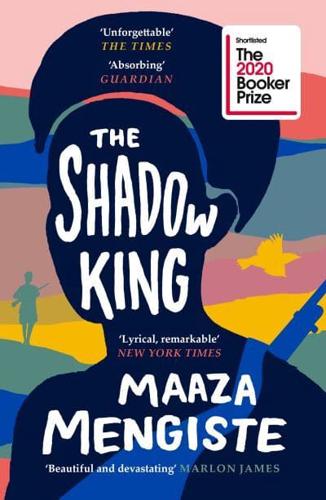
The Shadow King by Maaza Mengiste
Ethiopia, 1935. As Mussolini’s forces prepare to invade, orphaned Hirut is working as a maid in the household of army officer Kidane. War soon pulls her beyond the expected roles of women, and she joins resistance to the Italian occupation. When Emperor Haile Selassie goes into exile, an audacious plan emerges to preserve hope. Maaza Mengiste places women fighters at the centre of an epic about resistance, violence, memory and histories too often overlooked.
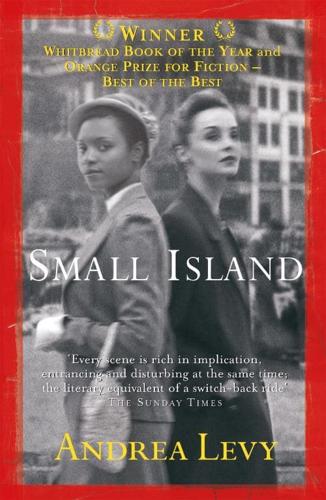
Small Island by Andrea Levy
In 1948, Jamaican RAF veteran Gilbert Joseph returns to England expecting something better than the prejudice and disappointment he encounters. His wife Hortense follows, arriving with her own idealised picture of Britain, while their landlady Queenie is already dealing with the consequences of war and the absence of her husband Bernard. Through four intertwined voices, Andrea Levy explores migration, empire, racism, wartime service and the changing Britain encountered by the Windrush generation.
Click the buttons below to purchase all of the books in this historical fiction books list, as well as class sets of any of these books and many more, from Bookshop.org UK. Or buy the 20 most popular titles from this list from Amazon – ideal for gifts or your classroom library.
Buy from UK.Bookshop.Org Buy from Amazon.co.uk
Disclosure: If you buy books using the buttons above: we may earn a commission from Bookshop.org, whose fees support independent bookshops; as an Amazon Associate schoolreadinglist.co.uk earns from qualifying purchases.
Schools & teachers: please respect copyright and don’t copy our historical fiction books for children list. If you find our book recommendations useful, please consider sharing on social media or linking to this page instead. Thanks.
Historical fiction resources for teachers
- The Historical Association provides a historical fiction reading list for secondary schools alongside guidance from author Tony Bradman on using historical fiction to explore the relationship between historical evidence and imagination.
- For primary schools, the Historical Association’s Exploring Historical Fiction resource looks at how stories can help children develop a sense of period and suggests books to complement history topics in the classroom.
- The Historical Association’s Write Your Own Historical Fiction resources include recorded sessions with Tony Bradman covering research, planning, writing and revision, together with examples of pupils’ historical fiction.
- The Young Quills historical fiction awards offer teachers regularly updated recommendations and reviews of historical novels, with the books read and judged by children and young people.
- The National Archives features an event with author Robin Stevens showing how archive documents and historical research can be used to create convincing characters, settings and plots for historical fiction.
- The National Literacy Trust’s free Descriptosaurus Time Machine teaching resource includes activities for researching historical periods, creating settings and characters, planning stories and considering historical accuracy and bias.
- Hamilton Trust provides a Year 6 English unit using War Horse and War Game, combining reading, comprehension and writing activities before pupils create their own stories with historical settings.
- English Heritage provides free teaching resources containing historical information, images, primary sources and classroom activities covering periods from prehistory to the twentieth century, useful for researching authentic historical settings.
- Historic England offers free school resources using buildings, places, maps, photographs and archive material to explore local history, providing useful source material for pupils creating historical fiction based on their own area.
BISAC JUV016000, YAF024000. | Thema YFT.