Harvest festival books for children
Children’s harvest festival books bring autumn into the classroom through stories about farming, food, changing seasons and sharing with others. They can show crops being gathered, harvest celebrations, food donations and, importantly, where our food actually comes from. Along the way, children pick up useful seasonal vocabulary and explore ideas such as gratitude, generosity and community. They also fit neatly into topics on autumn, farming, nature and celebrations. This list features books by Jill Barklem, Aleksei Tolstoy, Gerda Muller, Sean Taylor, Eva Wong Nava, Dawn Casey, Felicita Sala, Tony Hillery, Àlàbá Ònájìn, and David Benedictus.
Harvest festival books for children – our recommendations
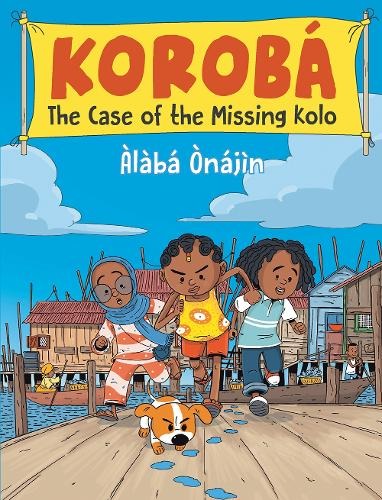
Koroba: The Case of the Missing Kolo by Àlàbá Ònájìn
When Saidat’s wooden money box goes missing just before Breaking Day, Korobá steps in to investigate. As she, Saidat and Joba question suspects while helping at home and in the market, the case unfolds against the vibrant stilt houses, piers, canoes and seafood sellers of Makoko, Nigeria. The impending harvest festival deadline gives this pacey, uplifting and immersive mystery graphic novel real momentum. Highly recommended.
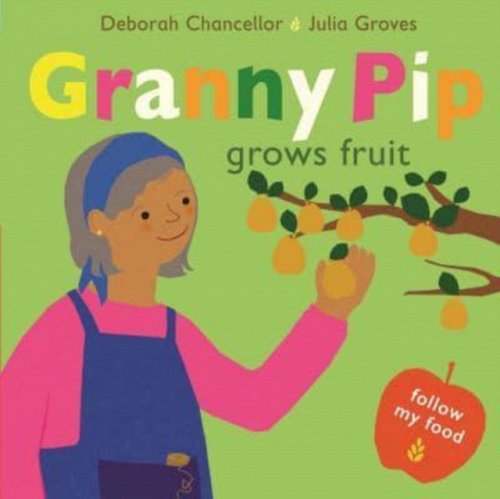
Granny Pip grows fruit by Deborah Chancellor and Julia Groves
Readers are treated to a little girl’s awe and wonder as she plants and harvests food to eat with her green-fingered grandma in this charming and informative picture book. With bright and exciting illustrations, each spread informs and advises children about how to grow and look after a garden. A worthwhile resource for EYFS and KS1 non-fiction libraries and classrooms. There are free teaching resources available on the publisher’s website.
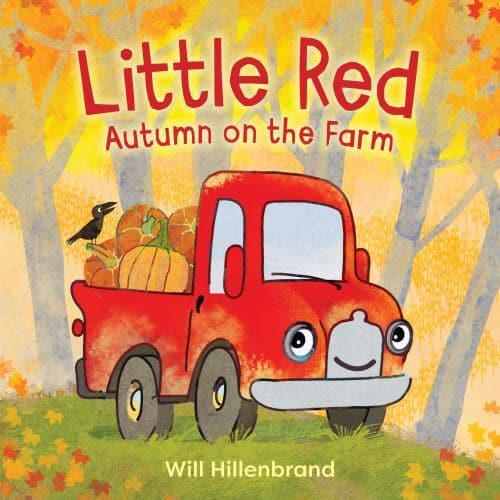
Little Red, Autumn on the Farm by Will Hillenbrand
The Shady Acre community is preparing for its harvest festival, but several of the hardworking farm vehicles need repairs before they can finish their jobs. Little Red, a helpful pickup truck, comes to the rescue as combines, tractors, seeders and other colourful vehicles get ready for the celebration. This lively autumn picture book for 3+ year olds combines harvest time with trucks, colour recognition and a satisfying theme of helping friends.
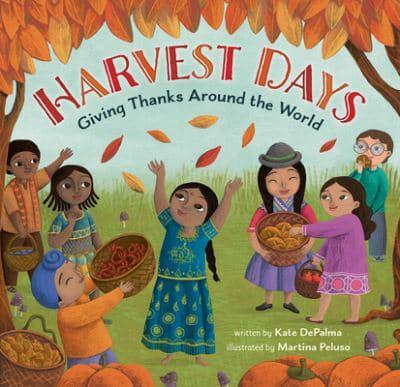
Harvest Days: Giving Thanks Around the World by Kate DePalma, illustrated by Martina Peluso
Harvest is celebrated in many different ways, and this colourful nonfiction picture book takes 4+ year olds around the world to discover twelve traditions. Children encounter rice harvests in India, Homowo in Ghana and La Tomatina in Spain alongside celebrations in South Korea, Poland, Bolivia, Morocco and elsewhere. Rhyming text is supported by pronunciation guides, extra facts and substantial endnotes, opening up conversations about food, farming, gratitude and the people whose work produces what we eat.
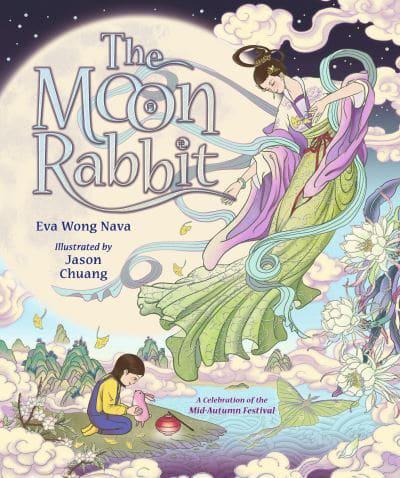
The Moon Rabbit: A Celebration of the Mid-Autumn Festival by Eva Wong Nava, illustrated by Jason Chuang
Before joining the lanterns, moon-gazing and mooncakes of the Mid-Autumn Festival, Meilin asks her mother to tell her the old story behind the celebration once again. What follows is the Chinese legend of Chang’e and the moon rabbit, involving nine scorching suns, a skilled archer, an elixir of life and a love separated by the moon. Beautifully illustrated and rooted in cultural tradition, the story introduces 3-7 year olds to one of the most significant festivals in Chinese culture.
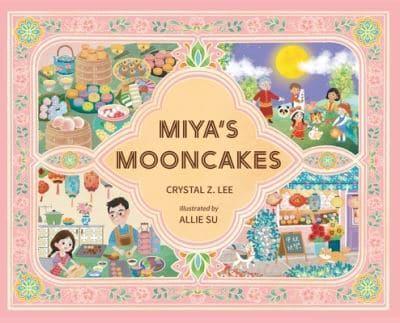
Miya’s Mooncakes by Crystal Z. Lee, illustrated by Allie Su
Miya loves the Mid-Autumn Festival, especially moon-gazing, lanterns and making mooncakes. This year, however, her father has lost some of his usual enthusiasm for the celebration. Miya decides to create something more meaningful, using some very special mooncakes and the help of her neighbourhood. 4+ year olds can enjoy a warm story about empathy, community and finding new ways to honour old traditions, with the familiar festival food placed right at the heart of Miya’s plan.
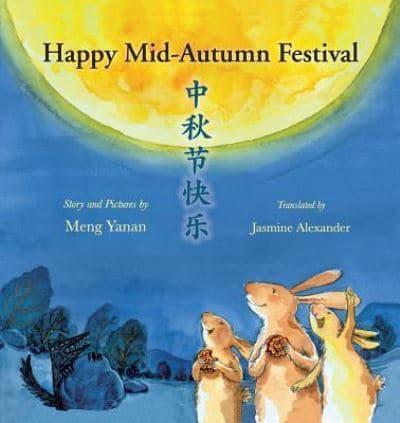
Happy Mid-Autumn Festival by Meng Yanan
Mother Bunny is preparing a special family dinner for the Mid-Autumn Festival. Setting out early, she meets an assortment of woodland friends including a hedgehog, squirrel, bee, beaver and family of ducks, unaware that Mr Wild Wolf is following behind. The result is a gently suspenseful festival story for 3+ year olds, with food and family preparations woven into the adventure. The edition also presents the story in English alongside the original Chinese text.
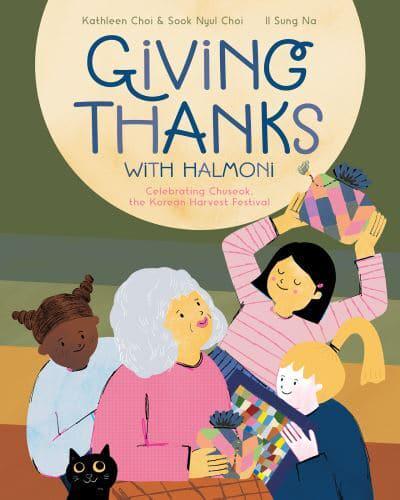
Giving Thanks with Halmoni: Celebrating Chuseok, the Korean Harvest Festival by Kathleen Choi and Sook Nyul Choi, illustrated by Il Sung Na
Su-Jin worries that her halmoni will miss Korea while celebrating Chuseok away from home, so she and her friends ask Grandmother to show them how the festival is observed. Together they prepare traditional food, wrap gifts in colourful bojagi cloth, play games, remember ancestors and organise a gathering for their community. The story gives 4+ year olds an accessible introduction to Korea’s major harvest festival while exploring family connections, gratitude and the way traditions can travel between generations and countries.
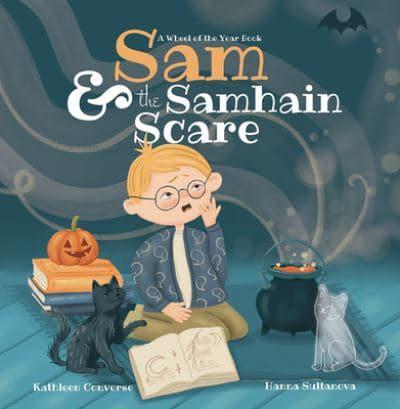
Sam & the Samhain Scare by Kathleen Converse, illustrated by Hanna Sultanova
Sam is uneasy about some of the frightening associations surrounding late October, but celebrating Samhain with friends and ancestors helps him see the festival differently. The story includes a harvest feast alongside traditions such as tarot and scrying, while additional pages introduce the history of Samhain and illustrated rituals. Written for pagan and nature-based families, this picture book gives 3+ year olds a story-led introduction to an autumn harvest festival that predates many modern Halloween customs.
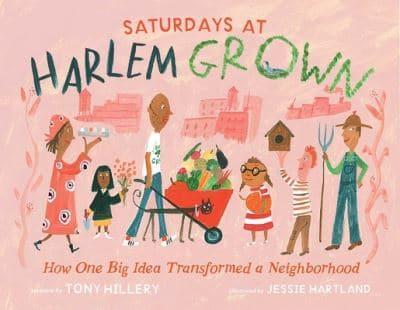
Saturdays at Harlem Grown: How One Big Idea Transformed a Neighbourhood by Tony Hillery, illustrated by Jessie Hartland
Mr Tony and Nevaeh have plans for an urban garden in Harlem, and soon neighbours of different ages are joining them each Saturday to clear, dig, plant, water, compost and share their skills. As the garden grows, so does the community around it, culminating in a harvest festival celebrating the food everyone has produced. Based around the real Harlem Grown organisation, this picture book also includes information about urban gardening and offers a lively example of food growing in the middle of a city.
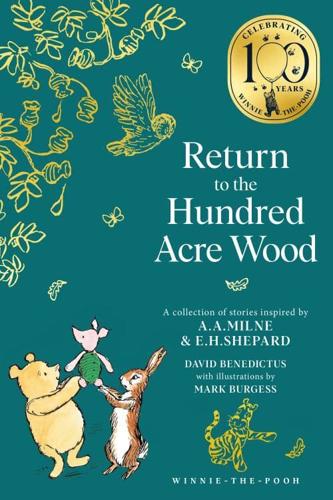
Winnie-the-Pooh: Return to the Hundred Acre Wood by David Benedictus, illustrated by Mark Burgess
Christopher Robin returns to the Hundred Acre Wood in this authorised continuation of A. A. Milne’s stories. Pooh searches for honey, the friends discover cricket, and a new character joins the familiar company of Piglet, Eeyore, Owl, Rabbit and Tigger. Harvest earns an entire adventure of its own, with a festival held in the Forest and a surprise from Christopher Robin. Children can revisit the gentle humour and friendship of Pooh’s world through this longer collection of illustrated stories.
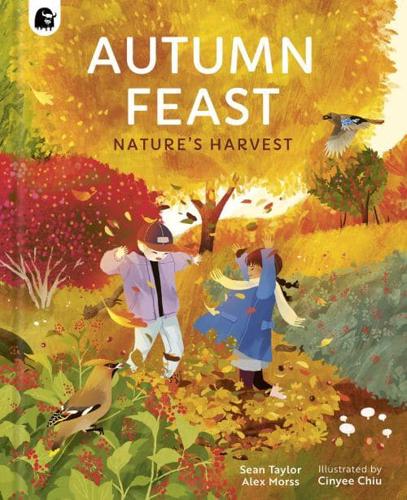
Autumn Feast: Nature’s Harvest by Sean Taylor and Alex Morss, illustrated by Cinyee Chiu
Two children head into their local park and discover an autumn world busy preparing for winter. Seeds are blowing, fungi are appearing and animals are gathering a natural feast of nuts, berries and fruit. Storytelling, annotated illustrations and nature facts work together to explain what is happening and why. 4+ year olds can follow the seasonal walk while picking up plenty of details about wildlife behaviour, making this especially useful for linking harvest themes with science, habitats and the changing seasons.
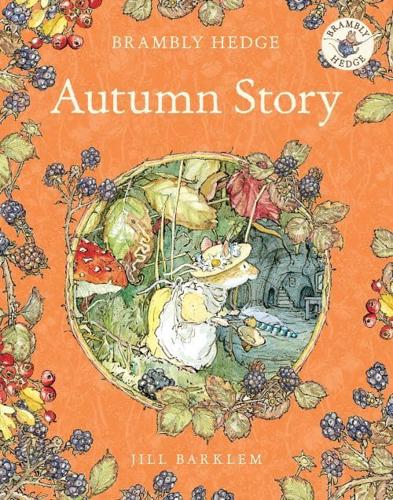
Autumn Story by Jill Barklem
Rain is coming and the mice of Brambly Hedge still have crops to gather, so everyone sets to work bringing in the autumn harvest. Primrose intends to help, but daydreams her way beyond the cornfield and into the Chestnut Woods. As darkness falls and the weather closes in, getting home becomes much more difficult. Jill Barklem’s richly detailed miniature world gives 3+ year olds a harvest story filled with seasonal work, woodland landscapes and the reassuring bustle of a close-knit community.
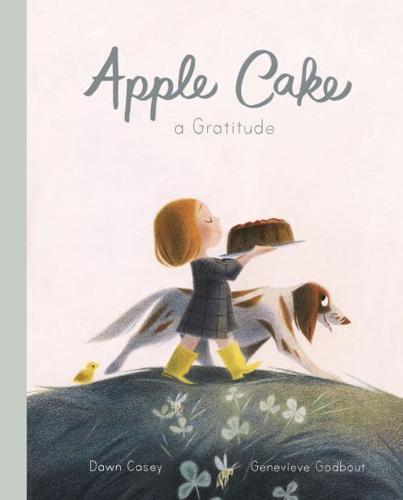
Apple Cake by Dawn Casey, illustrated by Genevieve Godbout
A child gives thanks for the natural world and the people who provide the ingredients for a cake, from hedges, trees, flowers and bees to rain, sunshine and farmers. Apples, eggs, milk and other produce gradually come together until the family has everything it needs to bake. Written in simple rhyming language, this gentle picture book for 4+ year olds makes gratitude and food provenance wonderfully concrete. A recipe at the end extends the story into a practical baking activity.
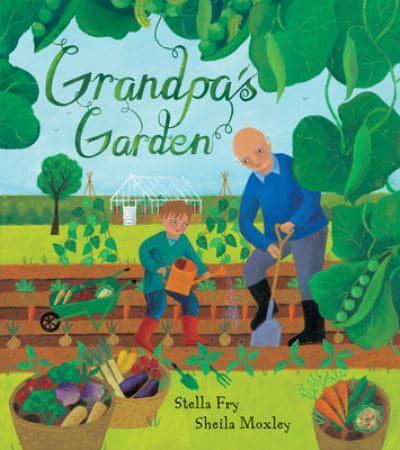
Grandpa’s Garden by Stella Fry, illustrated by Sheila Moxley
Billy spends the growing season helping Grandpa on his vegetable patch, beginning with hard ground and rows of tiny seeds. Together they water the plants, protect them from slugs and watch patiently as the garden changes, until late summer brings fruit and vegetables ready to harvest. 3-7 year olds can follow the whole journey from sowing to picking through an affectionate grandparent and child story. Educational notes about gardening through the year provide plenty of starting points for growing projects.
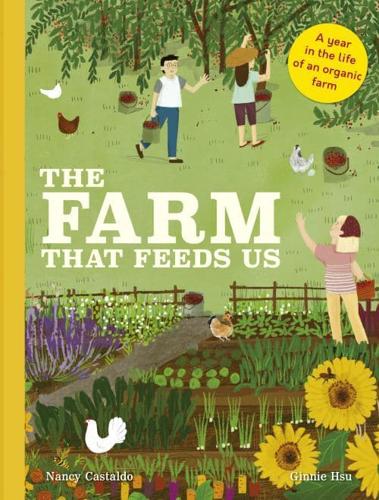
The Farm That Feeds Us by Nancy Castaldo, illustrated by Ginnie Hsu
Where does food come from, and what work keeps a farm productive throughout the year? This substantial nonfiction book follows a small-scale organic farm through all four seasons. Children see fields prepared, animals cared for, pollinators at work and crops harvested, while autumn brings pumpkins, pies and preserving. Winter then begins the preparations for another growing year. With sustainability woven throughout, the book gives children a detailed look at farming, food production and the relationship between farmers and the land.
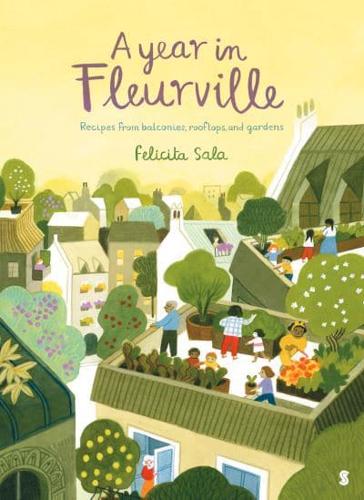
A Year in Fleurville: recipes from balconies, rooftops, and gardens by Felicita Sala
Across Fleurville, food is growing in gardens, on balconies and up on rooftops. Month by month, neighbours tend their produce, gather seasonal ingredients and turn what they have grown into dishes drawn from different parts of the world. Part picture book, part gardening introduction and part cookbook, it makes the annual cycle from growing to harvesting deliciously tangible. 5+ year olds can explore seasonal produce, community and cooking, with straightforward recipes inviting children to take the ideas beyond the page.
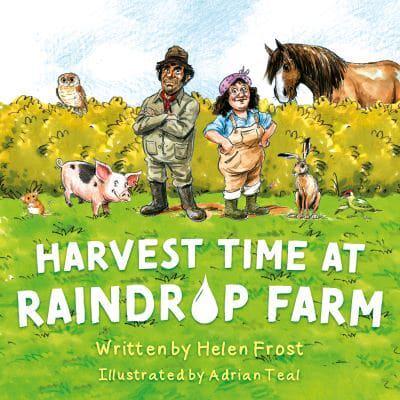
Harvest Time at Raindrop Farm by Helen Frost, illustrated by Adrian Teal
Raindrop Farm is home to Harvest the mouse, Wilf the hare, Flash the green woodpecker, Clop the Shire horse, Acorn the pig and Blinky the owl. Life around them follows the rhythms of a busy working farm, from ploughing fields and uncovering objects in the soil to helping Mr and Mrs Raindrop with everyday jobs. Picnics in the fields and plenty of animal antics give the farming detail a playful setting, introducing the countryside through a friendly cast of recurring characters.
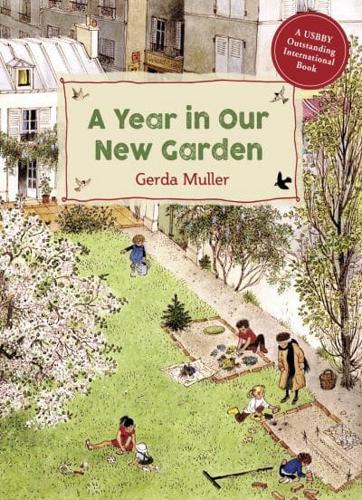
A Year in Our New Garden by Gerda Muller
Anna and Benjamin’s family has moved to a new home with a garden waiting to be transformed. With help from their neighbour Louis, the children plan, plant and care for flowers and vegetables while discovering the insects and other wildlife sharing the space. As the seasons turn, there is harvesting as well as picnicking, playing and practical garden work. The combination of story, accurate illustrations, gardening facts and useful tips gives 4-7 year olds plenty to explore about growing food and seasonal change.
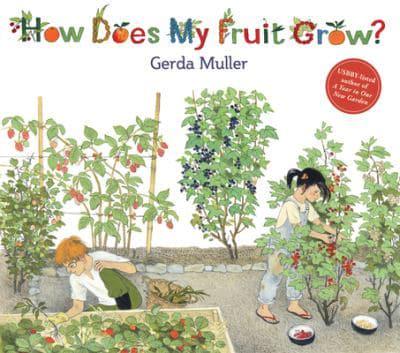
How Does My Fruit Grow? by Gerda Muller
Sophie begins by learning about apples, plums, cherries and berries during a summer in the countryside. After her family moves somewhere warmer, a different harvest appears, including melons, grapes, figs, oranges and pomegranates. At school, the investigation widens again to tropical fruits and nuts from around the world. Gerda Muller’s detailed botanical illustrations help 4+ year olds understand where familiar foods come from, combining Sophie’s experiences with clear information about how different fruits grow and where they are cultivated.
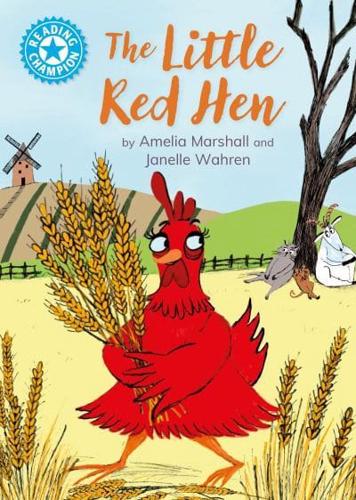
Reading Champion: The Little Red Hen: Independent Reading Blue 4 by Amelia Marshall, illustrated by Janelle Wahren
This retelling of The Little Red Hen turns the familiar farmyard tale into a carefully levelled independent read. The hen’s efforts to produce food, despite the reluctance of others to help, make the story a useful companion to work on grain, bread, harvest and cooperation. Developed as part of the Reading Champion scheme, the book is graded at Blue book band and includes a reading activity. It is specifically pitched at KS1 children and will help to build confidence with independent reading.
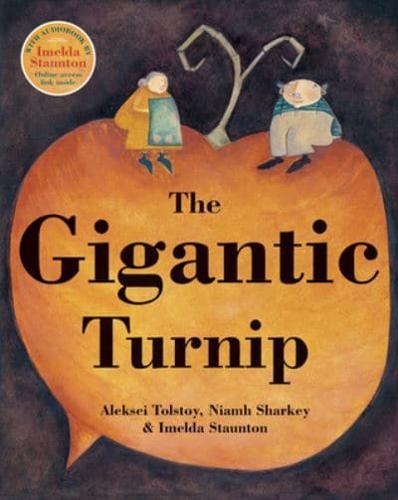
The Gigantic Turnip by Aleksei Tolstoy, illustrated by Niamh Sharkey
An old man has grown an enormous turnip, but getting it out of the ground proves another matter entirely. The old woman joins him, followed by an increasingly large collection of farm animals, until twenty-one creatures are involved in the attempt. Repetition, counting and a wonderfully ridiculous vegetable make this Russian traditional tale especially enjoyable aloud. 3+ year olds can enjoy the comedy while exploring harvest, teamwork and the simple idea that some jobs need everybody’s help.
Click the buttons below to purchase all of the books in this harvest festival books list, as well as class sets of any of these books and many more, from Bookshop.org UK. Or buy the 20 most popular titles from this list from Amazon – ideal for gifts or your classroom library.
Buy from UK.Bookshop.Org Buy from Amazon.co.uk
Disclosure: If you buy books using the buttons above: we may earn a commission from Bookshop.org, whose fees support independent bookshops; as an Amazon Associate schoolreadinglist.co.uk earns from qualifying purchases.
Schools & teachers: please respect copyright and don’t copy our harvest festival books for children list. If you find our book recommendations useful, please consider sharing on social media or linking to this page instead. Thanks.
Harvest Festival resources for teachers
- Food – a fact of life has an extensive Harvest Festival activity pack featuring classroom presentations, an assembly, quizzes, a wheat factsheet, poetry activities, a harvest game and resources exploring the journey from field to bread.
- Oak National Academy provides a free KS1 RE lesson exploring how some Christians in the UK celebrate Harvest Festival, with lesson slides, a video, worksheets and quizzes.
- Countryside Classroom features an NFU harvest video and accompanying activities for KS2 pupils, with useful links to farming, food production, geography, science and cooking and nutrition.
- RE:ONLINE has a teacher-friendly introduction to the Christian Harvest Festival, explaining its place in the calendar, thanksgiving for food and crops, harvest services and the tradition of sharing produce with people in need.
- Christian Aid offers Harvest school resources including assemblies, stories, classroom activities and collective worship materials exploring food, farming, climate justice, generosity, community and global neighbours. Some resources are also available in Welsh.
- SPCK Assemblies provides a ready-to-use primary Harvest assembly exploring thanksgiving, food and the Earth’s resources, with suggested objects, music and opportunities for pupil participation.
- CAFOD has primary Harvest resources that schools can use alongside its Brighten Up campaign, with fundraising ideas, teaching materials, activities and links to assemblies and prayers.
- Hamilton Trust offers a Reception Harvest Festival unit with activities based around vegetables, harvesting, art, music, stories and giving thanks, making it particularly useful for EYFS teachers.
- Black Country Foodbank has produced a 2026 schools Harvest pack including a classroom film, lesson resources, an assembly PowerPoint, posters and materials for organising a school food collection.
- WaterAid provides Harvest materials that can be adapted for school or classroom use, including children’s activities and resources linking harvest, food production, clean water, drought and communities around the world.
BISAC JUV017000, JUV017080, JUV017090, JNF026000, JNF026080, JNF026090, JUV025000, JNF033000. | Thema YNMD, YNML, 5HCR.