Gymnastics books for children and teens
Gymnastics books introduce children and teenagers to the skills and personalities behind the sport. Picture books cover a first class and bedtime routines, while illustrated profiles, practical guides and novels bring gym practice, competition and Olympic ambitions into view. The list includes read-alouds for younger children, non-fiction for readers building their knowledge, and teen stories about life as a gymnast. It also supports classroom discussions about movement, confidence, teamwork and the commitment involved in sport. This list features books by Alyssa Satin Capucilli, Sue Fliess, Laurie Hernandez, Eloise Smith, Elfi Schlegel, Simon Mugford, Ray Nadine, Sarah Henning, and Aly Raisman.
Gymnastics books for children and teens – our recommendations
Gymnastics books picture books for 3-7 year olds
My First Gymnastics Class by Alyssa Satin Capucilli
On a child’s first day at gymnastics, simple text and photographs introduce the class and the movements young gymnasts practise there. They stretch, do somersaults and cartwheels, and walk on a balance beam, while words such as pike and straddle add sports vocabulary. A short section gives step-by-step instructions for basic stretches to do with an adult. The ready-to-read introduction to gymnastics for 3-5 year olds also supports children preparing for their first lesson.
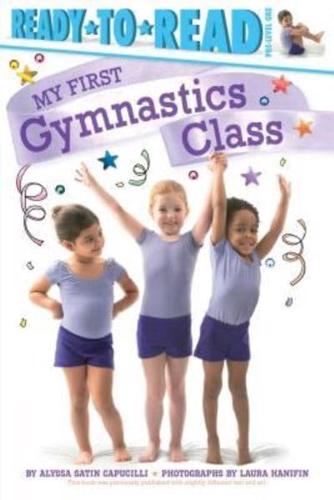
I’m a Gymnast! by Sue Fliess, illustrated by Daniela Sosa
Classes start this afternoon in Sue Fliess’s rhyming introduction to gymnastics. A young girl gets ready for her lesson, then tries new moves and begins to explore activities in the gym. Daniela Sosa’s illustrations keep the focus on the child’s preparations, class and enthusiasm for learning. The short verses create a steady read-aloud rhythm, and this picture book for 2-5 year olds can be shared before a first class or alongside a young child’s interest in the sport.
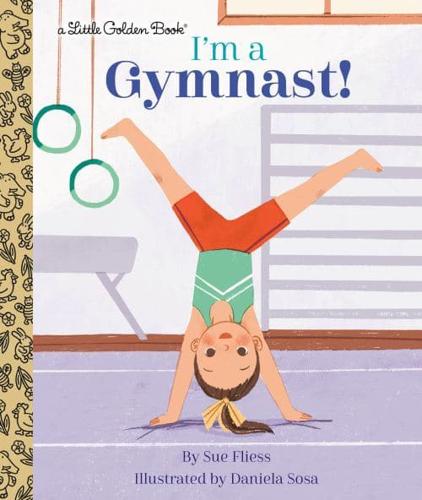
Goodnight Gymnastics by Mandy R. Marx, illustrated by Sophie Eves
After watching gymnastics, a young fan says goodnight to the sport in a rhyming picture-book tour of the apparatus. Vault, beam, bars and floor feature as gymnasts complete their routines, with each scene moving towards bedtime. Sophie Eves’s energetic art carries the action across the pages, while Mandy R. Marx’s text pairs sport vocabulary with the familiar cadence of a goodnight story.
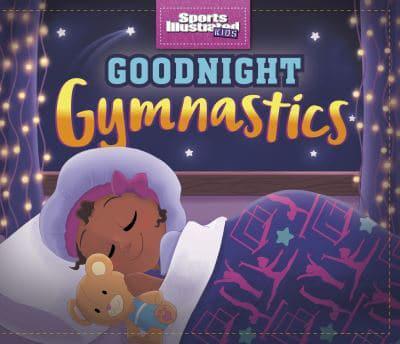
She’s Got This by Laurie Hernandez, illustrated by Nina Mata
Zoe dreams of becoming a gymnast, and her first class turns that dream into a real challenge when she falls from the balance beam. Laurie Hernandez builds the picture-book story around Zoe’s effort to get back up and keep trying. Nina Mata’s lively illustrations show the movement of gymnastics as Zoe discovers how practice feels. This story for 4-8 year olds connects a child’s first steps in sport with confidence, persistence and the pleasure of learning.
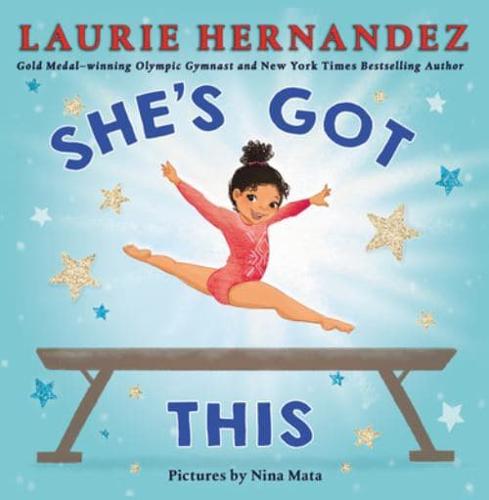
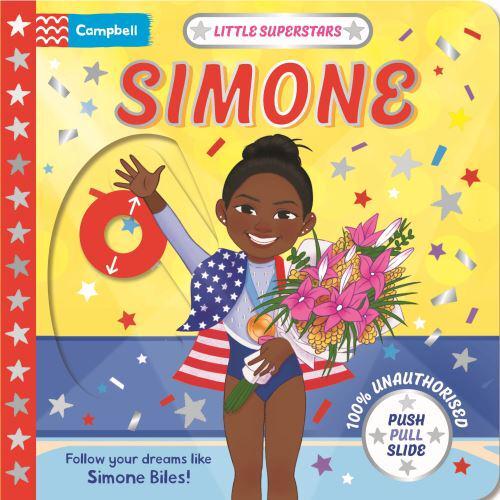
Little Superstars: Simone by Campbell Books, illustrated by Fifa Adoglo
This push-pull-slide board book introduces Simone Biles through a short rhyming account of her life and gymnastics. Children move the scenes as they follow her story, and Fifa Adoglo’s bright pictures invite close looking on each page. Campbell Books turns her biography into an interactive introduction to gymnastics for toddlers.
Gymnastics books for children aged 7-12
Winner Takes Gold by Eloise Smith
This glittering gymnastics tale follows Pearl who chases a gold medal in Paris to honour her late mother. But the training is tough at the elite camp, and with friends Ryan and Jada-Rae, Pearl must overcome physical challenges, questionable practices and social rivalries. With short chapters, a fast pace and illustrations, it’s ideal for imaginative but less confident readers in UKS2 and LKS3. It’s perfect for book clubs, Winner Takes Gold celebrates honesty, fair play and the value of true friendship.

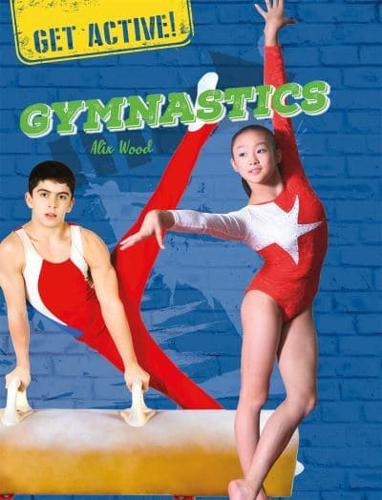
Get Active!: Gymnastics by Alix Wood
Alix Wood introduces floor work, vaulting, beam and trampoline through photographs, step-by-step guides and technical tips. The guide covers different gymnastics disciplines and breaks skills into clear stages, helping children see how training connects with performance. Its practical, illustrated format suits readers who want to learn what gymnasts do as they practise and compete. This guide for 9+ year olds adds a sport-specific option alongside fiction, biographies and broader books about gymnastics.
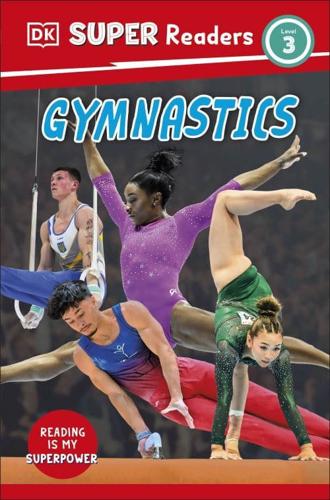
Gymnastics by DK
This title from level 3 of DK’s Super Readers series uses gymnastics as the subject for non-fiction reading practice. Its levelled text helps children build vocabulary, comprehension and fluency as they learn about the sport. Photographs and short passages keep the topic visible while readers work through a structured sequence. Designed for 8+ year olds, this paperback combines an introduction to gymnastics with supported independent reading and comprehension quizzes.
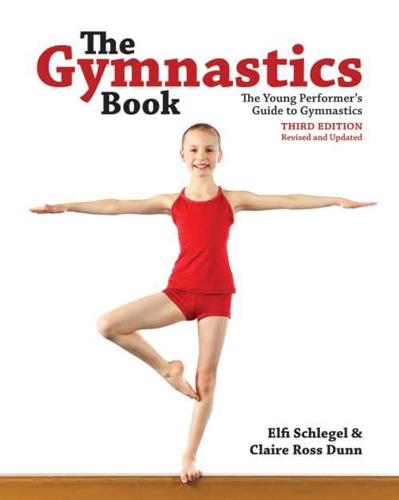
The Gymnastics Book: The Young Performer’s Guide to Gymnastics by Elfi Schlegel and Claire Ross Dunn
Elfi Schlegel and Claire Ross Dunn’s guide combines full-colour photographs with practical guidance for new gymnasts. It covers choosing a club and coach, warm-ups, training routines, competitions, nutrition and the role of family and friends. Athlete profiles and interviews extend the book beyond instruction to show the paths gymnasts may take off the competition floor. This illustrated guide for 7-11 year olds gives a broad introduction to artistic gymnastics and the lives of athletes. It’s ideal for KS2 libraries.
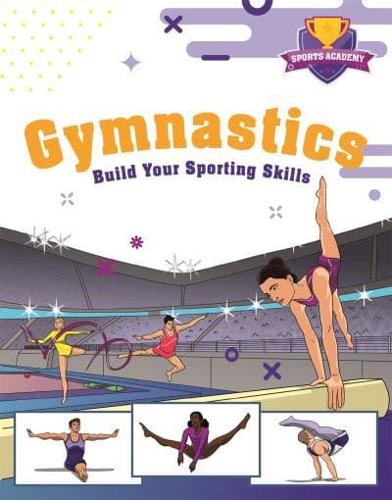
Sports Academy: Gymnastics by Paul Mason
Paul Mason’s book introduces the skills, equipment and rules of gymnastics through tips and step-by-step illustrations. It takes readers from training towards competition, showing techniques through specially commissioned images and concise explanations. Children can use the pages to learn equipment terms and connect a sport’s rules with the movements they see. This guide for 9+ year olds is part of the Sports Academy series, which covers equipment and major competitions across its sports titles.
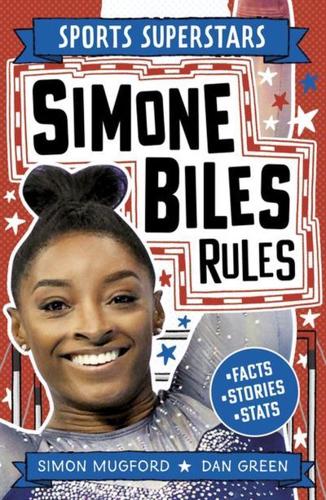
Sports Superstars: Simone Biles Rules by Simon Mugford, illustrated by Dan Green
Simon Mugford’s illustrated fan guide recounts Simone Biles’s journey in gymnastics, using facts and quotations to introduce her routines, training and achievements. Dan Green’s drawings give the text a lively, accessible feel, while the short sections follow key parts of Biles’s story. The book also touches on the pressures and struggles behind elite performance, linking her success with persistence and determination. Its straightforward format suits children who want to learn more about one of gymnastics’ best-known competitors.
Gymnastics books for teens
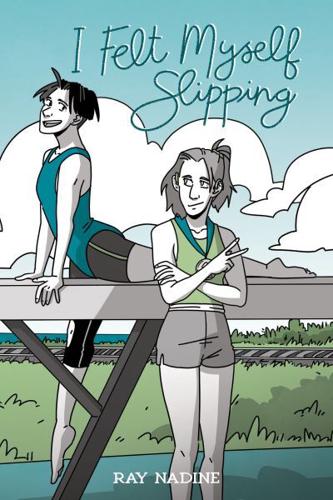
I Felt Myself Slipping by Ray Nadine
Riley Glass joins a new gymnastics team after the death of her father and meets fellow gymnast Kota Iwamoto. The two become friends as they work towards their Olympic dreams, while Riley navigates anxiety and hearing loss and Kota learns American Sign Language. Ray Nadine’s graphic novel brings sport, communication and grief into a powerful coming-of-age story for YA readers.
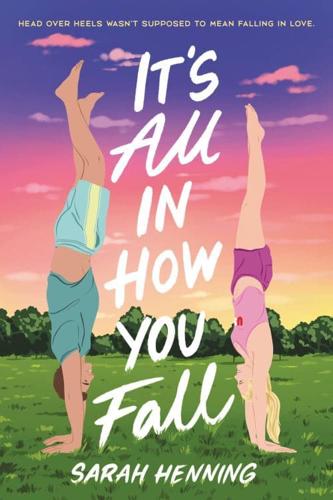
It’s All in How You Fall by Sarah Henning
Caroline Kepler has state beam titles and dreams of making elite gymnastics, but chronic back pain and an injury force her to give up the sport. Over the summer, her brother’s best friend Alex introduces her to other sports, and the two make a playful bargain that sparks romance as Caroline adjusts to life without gymnastics. Sarah Henning’s accessible and contemporary YA novel follows Caroline as she discovers a new identity beyond the sport she loves.
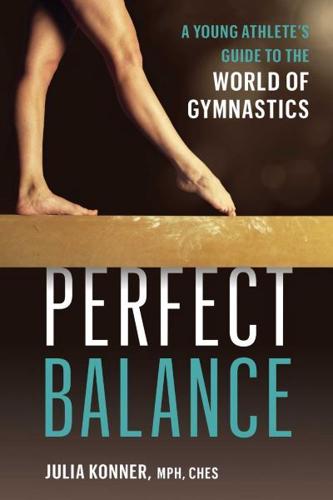
Perfect Balance: A Young Athlete’s Guide to the World of Gymnastics by Julia Konner
Julia Konner combines practical advice with stories from her own gymnastics experience, other athletes and a coach’s perspective. The chapters address strength-building, mental toughness, body image, and choosing a coach and gym, bringing training questions into everyday language. Young gymnasts can turn to the sections that match their needs, from physical preparation to the emotional pressures of competition.
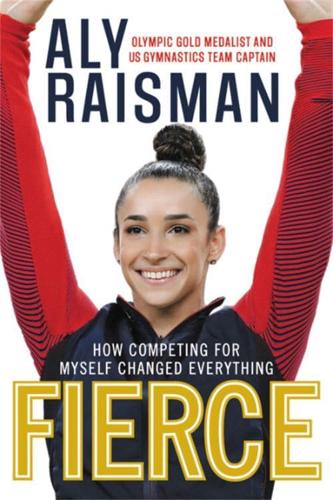
Fierce: How Competing for Myself Changed Everything by Aly Raisman
Aly Raisman recounts her journey from childhood gymnastics classes to captaining the US women’s team at the London 2012 and Rio 2016 Olympics. She describes gruelling training, injuries, setbacks and the pressure of competing at the highest level while balancing school, friendships and family life. The memoir also explores body image, self-confidence and her experience of abuse by a USA Gymnastics team doctor, including the importance of speaking out and finding support. Personal journal extracts, photographs and memories of her teammates provide insight into life behind the Olympic medals. This frank and inspiring memoir for more mature sixth-formers examines resilience, trust, determination and learning to stand up for yourself, both within competitive sport and beyond it.
Click the buttons below to purchase all of the books in this gymnastics list, as well as class sets of any of these books and many more, from Bookshop.org UK. Or buy all 15 titles from this list from Amazon – ideal for gifts or your classroom library.
Buy from UK.Bookshop.Org Buy from Amazon.co.ukDisclosure: If you buy books using the buttons above: we may earn a commission from Bookshop.org, whose fees support independent bookshops; as an Amazon Associate schoolreadinglist.co.uk earns from qualifying purchases.
Schools & teachers: please respect copyright and don’t copy our gymnastics books for children and teens list. If you find our book recommendations useful, please consider sharing on social media or linking to this page instead. Thanks.
Gymnastics resources for teachers
- The Department for Education sets out the PE curriculum requirements for KS1 to KS4, including balance, agility, coordination, flexibility, strength and the development of increasingly complex gymnastics movements and sequences.
- The North Suffolk Sport and Health Partnership provides an extensive collection of free primary gymnastics teaching resources, including skill progression documents, assessment sheets, apparatus safety guidance, balance and rolling activity cards, and sequence-building activities for Years 1 to 6.
- Education Scotland offers a gymnastics teaching video and accompanying lesson plan demonstrating how pupils can develop movement skills through progressive activities. Its Better Movers and Thinkers programme also explores physical coordination, balance and movement-based learning.
- Sport Wales offers gymnastics resources covering foundation shapes, body positions, physical development and movement skills. Its free educational resource bank supports the planning of PE activities and includes materials that can be adapted for different ages and abilities. Free registration is required.
- The Disability Sport Wales resources include downloadable gymnastics and gymnastics multi-skills activities developed to make sport and physical activity more accessible to disabled children and young people.
- The PE Hub features free primary gymnastics resources, a glossary of gymnastics terminology and sample Year 4 and Year 6 lesson plans. Activities include partner balances, travelling, jumps, sequences and evaluating performances. Additional schemes of work are available to subscribers.
- PE Planning provides a free Year 6 gymnastics lesson featuring warm-ups, leaps, group formations, movement sequences, teaching points, risk assessment guidance and questions to check pupils’ understanding. Further year-group lesson plans are available through its membership options.
- The Head Over Heels Gymnastics website has free teaching materials including gymnastics lesson plans, assessment sheets, worksheets and instructional resources. Video tutorials demonstrate gymnastics shapes, cartwheels and other skills, alongside advice for teachers planning gymnastics lessons.
- VisionED provides free editable gymnastics resource cards for primary teachers. Available in Word format, the illustrated cards include teaching points, practical tips, movement ideas and sequences that can be used as visual prompts, pupil challenges or supporting materials during PE lessons.
- The PE Project offers free gymnastics teaching ideas suitable for primary and lower secondary PE. Activities include gymnastics shapes games, alphabet challenges, balances and creating routines in pairs or groups, together with example skill cards and questions for evaluating performance.
- The Max Whitlock Gymnastics teaching hub features free sample resources for primary schools, including a Reception gymnastics lesson pack, a scheme of work, and guides to forward rolls and cartwheels. The wider programme includes lesson planning and teaching materials for Reception to Year 6 and requires a subscription.
- The Youth Sport Trust offers TOP Play and TOP PE gymnastics resource cards covering balance, landings, jumps, leaps, turns, rolling, shapes, travelling and creating movement sequences. These paid teaching packs support the development of physical skills alongside cooperation, creativity and independent learning.
- The Activity Alliance’s inclusive education hub brings together free guidance and resources to help teachers make PE and school sport more accessible to pupils with special educational needs and disabilities. It includes inclusion self-assessment tools, practical advice and resources for adapting physical activities.
- For gymnastics safety and staff development, the Association for Physical Education provides guidance on risk management, safe teaching, equipment and supervision through its membership-only Safe Practice resource. British Gymnastics also offers specialist training for primary teachers and teaching assistants covering floor skills, body management, apparatus, sequencing and safety.
BISAC JUV032200, JNF054060, YAF059070, YAN053000. | Thema YFR, YNWG.