Fishing books for children and teens
Fishing books put angling at the heart of the action, whether in fiction set on rivers, lakes and coasts or in nonfiction about fish, habitats, boats and conservation. They can engage readers who are interested in outdoor life and practical subjects, while also supporting science, geography and environmental studies. Fishing themed titles are also useful for linking reading with observation, a sense of place and ecological awareness. This list features books by Beatrix Potter, Emily Gravett, Anita Desai, Jess Butterworth, Bonnie-Sue Hitchcock, Ernest Hemingway, Bao Phi, Chigozie Obioma, Liz Kessler, Malachy Tallack and Herman Meville.
Fishing themed books for children and teens – our recommendations
Fishing picture books
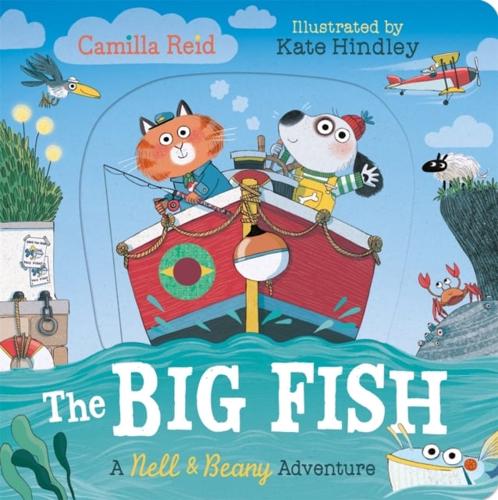
Nell and Beany: The Big Fish by Camilla Reid, illustrated by Kate Hindley
Nell and Beany head off on a fishing trip in this rhyming preschool story. As the cat-and-dog pair make their way through the day, tabs and a turning wheel give children lots of fun opportunities to join in with the action. The catchy combination of rhyme, simple plot and page-based interaction makes it well suited to reading aloud with 1-4 year olds.
Fodo Dodo Goes Fishing by Édouard Manceau
When Fodo and Noodle decide to play, they go fishing in the bath, catch an ‘underguppy’ and decide to cook it in their play kitchen. But will their plans be thwarted? Fodo Dodo Goes Fishing is a colourful and fun peek into the mind of a child and the power of imaginative play. Packed with clever wordplay and interesting language, Fodo Dodo Goes Fishing is highly recommended for preschool children.

A Different Pond by Bao Phi, illustrated by Thi Bui
Before dawn, a boy goes fishing with his father on a pond in Minnesota before his father starts work. They need the fish to help feed the family. While they wait, his father tells him about the pond he knew in Vietnam before they left. This powerful and thought-provoking graphic novel for 8+ year olds uses this early morning trip to explore family, migration, memory and the practical need to find food. It’s perfect for sparking discussion.

Bear and Hare Go Fishing by Emily Gravett
Bear just wants to fish, but Hare is far more interested in having a picnic. It’s this simple contrast that gives this board book for preschoolers its quiet humour, with the engaging pictures delivering the story through prediction and inference as the day unfolds. The sparse text, clear visual storytelling and warm sense of companionship make it a strong choice for sharing with 2+ year olds.

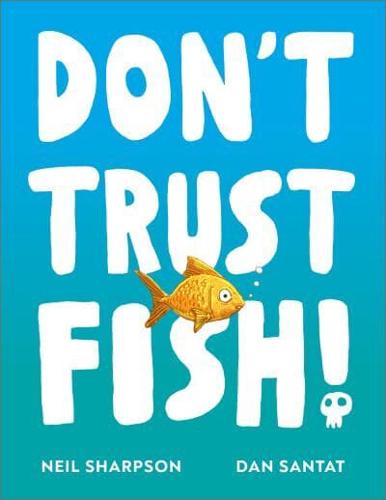
Don’t Trust Fish! by Neil Sharpson and Dan Santat
A grumpy crab takes centre stage here, casting doubt on fish at every turn and backing up his suspicions with surprising sea life facts. The joke builds quickly, but beneath the silliness there’s something sharper at work about prejudice, assumptions and who gets trusted without question. Dan Santat’s thought-provoking, funny illustrations make it an ideal springboard for talking about fairness with Year 1 children.
Findus Goes Fishing by Sven Nordqvist
Farmer Pettson is in a foul mood and wants to be left alone, but Findus is determined to try to cheer him up. A fishing trip transforms the mood from tense grumbling to a calm, shared purpose, as Findus’s persistence slowly draws him back to reality. Much of the charm lies in the back-and-forth between the two, with quirky, fun details such as the stuffed roach adding ample charm to this picture book for 3-8 year olds.

There Are Fish Everywhere by Britta Teckentrup
This spectacular large-format picture book contains fish of every size and description, presented differently and excitingly on each page. The reader is transported on a journey of piscine perception that includes types of fish, the properties of fish, the history and habitats of fish, fish food, lifestyle and families; and finally, the impact of humans. Not simply a detailed science book – the artwork is stunning – perfect inspiration for topic work and art displays.

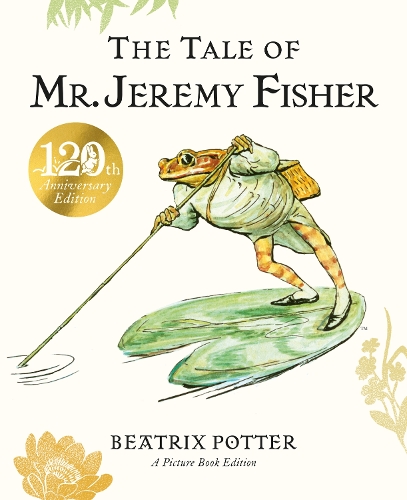
The Tale of Mr. Jeremy Fisher Picture Book by Beatrix Potter
Mr Jeremy Fisher sets off across the pond on a fishing trip that soon becomes a run of setbacks, as a water beetle, a stickleback and then a trout upset his plans. Beatrix Potter builds this timeless story for 3+ year olds through one steadily worsening outing, with each encounter adding to the comedy. This picture book edition also remains faithful to the original and classic illustrations.
Lifesize Ocean Animals by Sophy Henn
3-6 year olds will love this stunning interactive book that features real-size illustrations of ocean creatures. Compare yourself to turtles, megalodon teeth, anglerfish, and a giant spider crab using the spectacular illustrated fold-out pages. This large format book is ideal for young learners fascinated by marine life and the natural world. Highly recommended.

Fishing books for 7-12 year olds
First Day Fishing by Will Millard
For 7+ year olds keen to try fishing, this handbook covers everything needed for a first trip clearly and practically, from rods, rigs and knots to baits, lures, flies and fish identification. Will Millard also includes advice on handling the catch, alongside engaging accounts of his own early experiences, including his first catch. Joanna Lisowiec’s illustrations ensure the technical information is clear and easy to follow. Highly recommended.

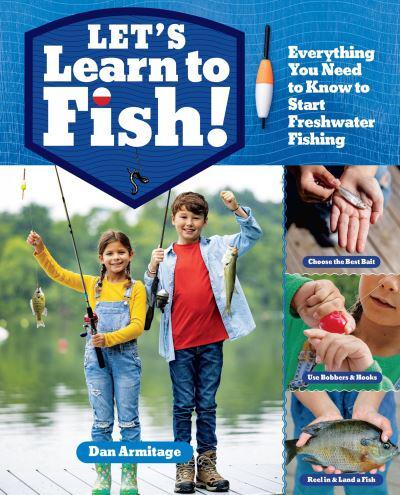
Let’s Learn to Fish! by Dan Armitage
Dan Armitage introduces freshwater fishing through the stages of a first trip to a stream or lake, from choosing bait and tackle to rigging, casting and reeling in fish. Colour photographs break each step down clearly, while tips on where to fish for crappies, bass, catfish, perch and trout give the guide genuine value as a reference book. A fishing log, glossary and index make it useful for 7+ year olds to dip into and use for research. Highly recommended.
Daisy and the Trouble with Maggots by Kes Gray
Daisy’s big fishing trip with her uncle turns out to be more complicated than she expects. Between talk of water witches, shopping for the outing, and one disastrous decision involving maggots and a catapult, this laugh-out-loud story for 7+ year olds follows the anarchic day as it shifts from preparation to mayhem. It takes one ordinary trip and gives it plenty of movement, with questions, mishaps and a steady build-up of comic confusion. Great fun!

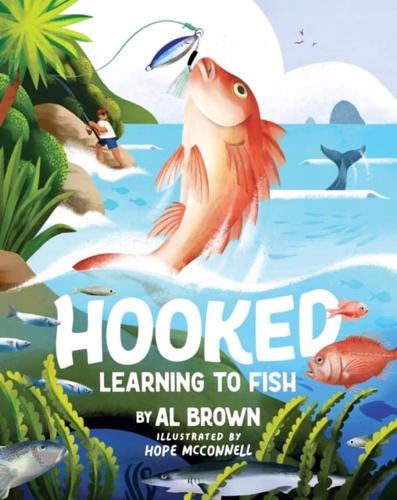
Hooked by Al Brown, illustrated by Hope McConnell
This engaging and practical guide for 9+ year olds covers fishing basics for beginners and more confident anglers alike. It explains knots, baiting hooks, casting and choosing the right gear for wharves, streams, kayaks and boats. Well-designed sections also cover handling fish properly, staying safe and fishing responsibly, and ten simple recipes show what to do with the catch. Illustrated by Hope McConnell, this standout hobby book uses diagrams and colour artwork to make skills and terminology highly accessible. It’s ideal for KS2 libraries.
World Without Fish by Mark Kurlansky, illustrated by Frank Stockton
Mark Kurlansky shows what happens when oceans lose their fish, linking overfishing, pollution and climate change to food, economics and politics. Using species children will recognise, including tuna, salmon, cod and anchovies, he explains the wider effects on marine life and on people. The book also looks at fish farming and sustainable fishing. Frank Stockton’s illustrations, bold typography and graphic-novel section give the subject real energy for 8-12-year-olds.

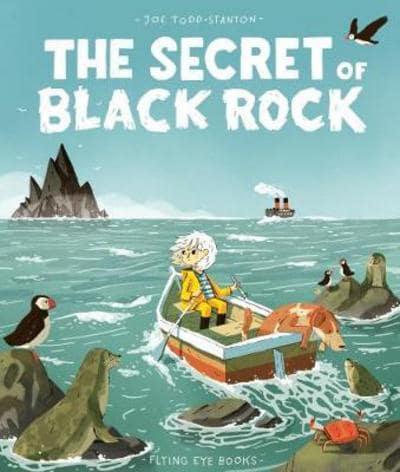
The Secret of Black Rock by Joe Todd-Stanton
Erin dreams of exploring the sea beyond her quiet fishing village, despite the warnings about Black Rock, a creature said to wreck passing boats. When she secretly hides on her mother’s boat, she discovers the truth: Black Rock is alive and teeming with sea life. Determined to protect it, Erin stands up to her community and shows them a different way to see the ocean. Joe Todd-Stanton’s stunning illustrated story deftly explores themes of nature, understanding, and belonging. It’s ideal for group reading with less confident pupils in KS2.
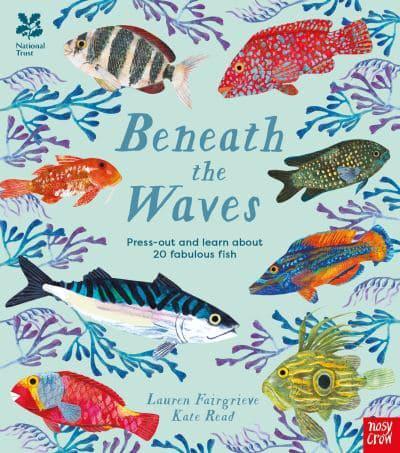
Beneath the Waves by Lauren Fairgrieve and Kate Read
Beneath the Waves lets kids create 3D fish models by pressing out and assembling 20 different species. Once they’re done, the fish can be displayed or tucked back into the book. Alongside, there are 22 illustrated pages packed with cool facts about European fish – their habitats, diets, and even their cultural significance. It’s a hands-on, engaging and educational book.
The Search for the Giant Arctic Jellyfish by Chloe Savage
With all the right equipment, all the right people, and years of careful planning, Dr Morley sets off to find a strange creature that no one has set eyes on before. Will she be the first to spot the mysterious jellyfish? This hardback picture book is just spectacular. The stirring storyline, fabulous above and below seascape illustrations and cutaway boat details will provoke thinking, inspire action and encourage children to never give up. In particular, Chloe Savage’s use of light and shadow to portray the incredible mystique of the giant arctic jellyfish is a joy to behold. A must-have for KS1 and KS2 libraries.

Get Fishing by Allan Sefton
Written for children starting from scratch, this beginner’s guide for 7+ year olds introduces sea, fly and coarse fishing, with coarse fishing used as a starting point. Allan Sefton explains species, tackle, bait, casting and fish care, then adds practical advice for adults on licences, regulations, venues, clothing, seating and water safety. Endorsed by the Angling Trust, it is a useful starting point for families or schools planning first trips. Highly recommended.

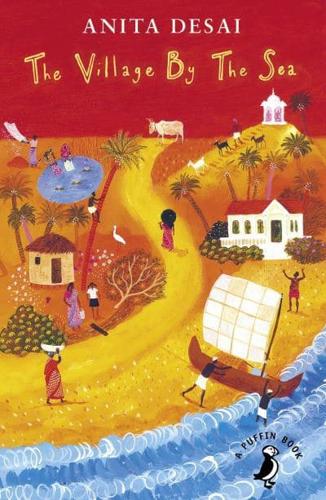
The Village by the Sea by Anita Desai
Set in a fishing village near Bombay, this modern classic for 9-12-year-olds follows Lila and Hari as they try to keep their family afloat while their mother is ill and their father drinks. Lila takes charge at home, caring for her younger sisters, while Hari leaves for the city in search of work. Anita Desai brings together poverty, responsibility and the pressure of change, as village life is pushed to the limit.
Swimming Against the Storm by Jess Butterworth
On the Louisiana coast, twelve-year-old Eliza and her younger sister Avery head into the swamps in search of the mythical loup-garou, hoping proof of the creature will help protect their threatened community. Their search plays out against rising sea levels and an approaching tropical storm. Rooted in shrimping life, local wildlife and family bonds, this absorbing middle-grade novel blends page-turning action with climate pressure and local folklore.

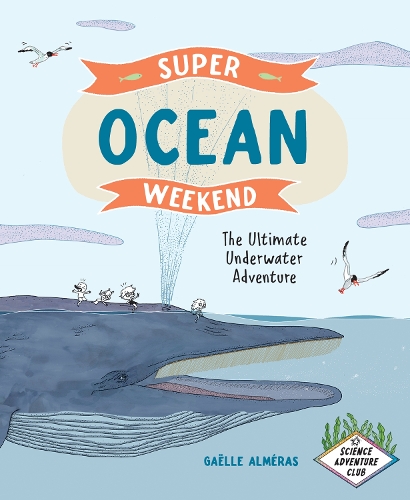
Super Ocean Weekend by Gaëlle Alméras
Castor, Squeak, Orni, and Echid take an unforgettable camping trip where they explore ocean life and conservation. This bite-sized, fact-packed, full-colour paperback with thick stock pages uses a graphic novel format to explain marine science, including tides, fish behaviour, and ocean ecosystems. It is perfect for children aged 7-12, KS2, and KS3 libraries, and book clubs focusing on environmental issues. Highly recommended.
Pearl of the Sea by Anthony Silverston, Raffaella Delle Donne and Willem Samuel
After her mother leaves, Pearl spends her time diving and fishing in a South African coastal town, until illegal abalone poaching draws her towards a restricted wreck. There she finds Otto, an old sea creature with harpoons in his tentacles, and decides to protect him. This compelling and beautifully illustrated graphic novel for 10+ year olds explores coastal life, family strain, friendship, first love and real danger at sea.

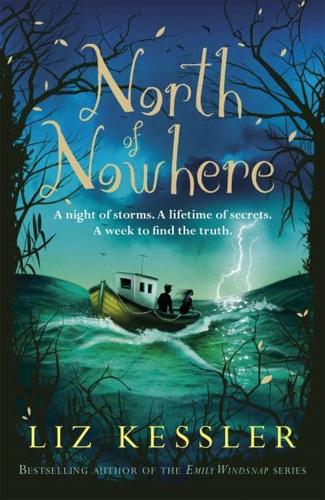
North of Nowhere by Liz Kessler
After her grandfather disappears, Mia is sent to stay in her grandmother’s seaside village, where days stretch long and lonely. Everything changes when she finds a diary belonging to Dee, a girl who once lived on a nearby island. The entries pull Mia into a mystery she cannot ignore, even when attempts to make contact keep failing. As past and present begin to overlap, Mia pieces together what happened to her grandfather and the hidden link between them all in this uniquely spellbinding mystery for 9–11 year olds.
Fishing books for teens year olds
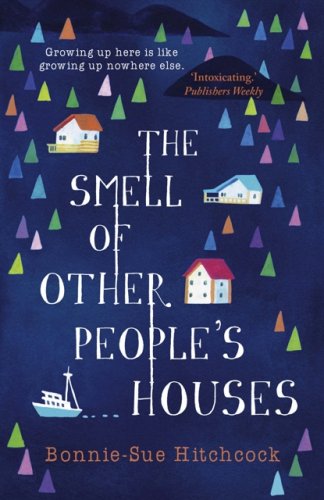
The Smell of Other People’s Houses by Bonnie-Sue Hitchcock
A unique collection of interconnecting viewpoints in remote places – including coastal communities, forest living and salmon fishing grounds. The lives of four children and their experiences growing up in Alaska are revealed to the reader in this clever mesh of love-hate relationships and bittersweet experiences. Ideal for pupils aged 13-16 in secondary school.
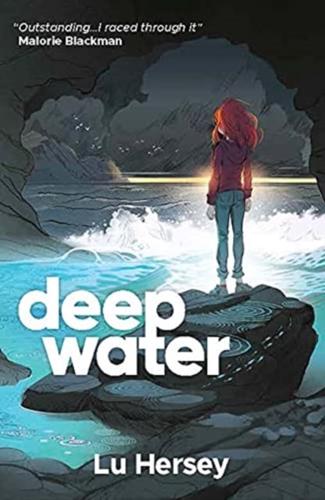
Deep Water by Lu Hersey
After her mother vanishes, Danni moves with her dad to a small Cornish fishing village where the locals seem to see her as a threat. As she uncovers a past tied to a curse, she realises she is linked to old Celtic myths and has an ability she does not yet understand. Told in the first person, the novel follows her as she tries to protect her family and bring her mother back. A well-paced and immersive story that will appeal to KS3 readers.
Hooked by Jerry Audet
Hooked is a practical guide for readers who want to know what different fish species require and how anglers target them. Covering 45 saltwater and freshwater fish, each profile sets out where to find them, the conditions and depth involved, the right gear, the best time to fish and the level of difficulty. With clear illustrations and accessible entries to dip into, it works well as a reference book for planning trips.

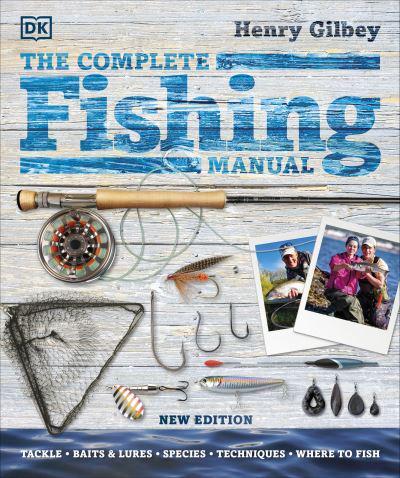
The Complete Fishing Manual by Henry Gilbey
This outstanding illustrated guide covers trip planning, including maps, seasons and locations, alongside kit, tackle, clothing and accessories. Henry Gilbey clearly explains fly, coarse and game fishing, with tactics for freshwater and saltwater species. The impressive hardback also covers fish anatomy, behaviour and habitat, and sets out float, ledger, lure and fly methods. Clear photography supports rig tying and fish identification. An ideal gift book.
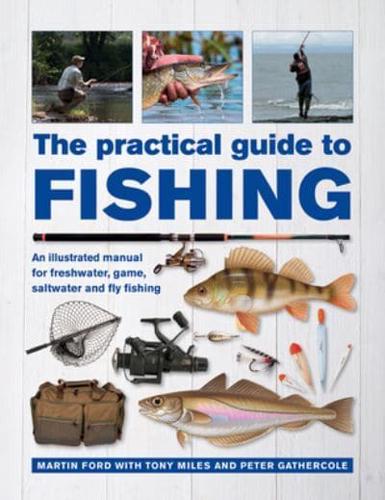
The Practical Guide to Fishing by Martin Ford with Tony Miles and Peter Gathercole
This impressive angling handbook covers techniques, locations and equipment choices across freshwater, saltwater and game fishing. It explains how to choose rods, reels, lines, flies, plugs, clothing and accessories for different conditions, with diagrams showing methods and skills. A visual species guide adds useful notes on identification, size, feeding habits and how to catch major fish that anglers may encounter. Highly recommended.
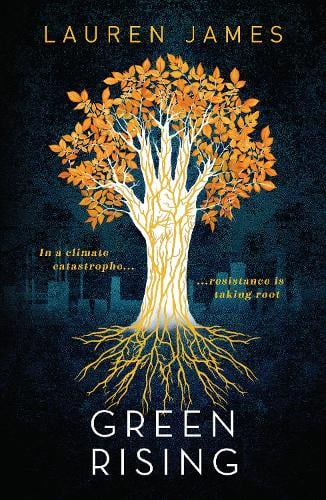
Green Rising by Wren James
Climate activist Gabrielle, heiress Hester, and fisherman’s son Theo gain supernatural ‘Greenfingers’ powers to grow plants, as they embark on a thrilling mission to save the Earth from a climate emergency and avaricious, money-driven organizations. This compelling YA novel offers an insightful, political, and ultimately, uplifting take on climate change.
A Practical Guide to Fishing Flies by Martin Ford and Peter Gathercole
This substantial hardback covers fly tying, from game fishing and casting to choosing rods, reels, lines, hooks and lures for salmon, brown trout, sea trout and grayling. Materials, tools and step-by-step sequences for more than 100 patterns are covered with more than 250 photographs and diagrams support dry fly, nymph and wet fly methods. Highly recommended.

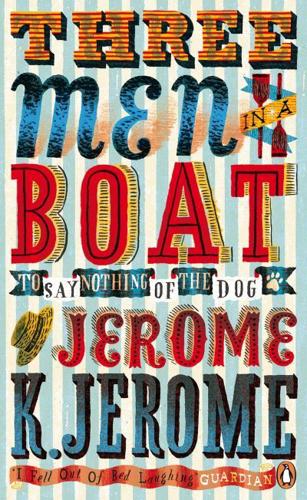
Three Men in a Boat by Jerome K Jerome
A trip up the Thames is meant to give J., George and Harris a break, but it turns instead into a steady run of rain, bad cooking, muddled packing and trouble with locks, towing and tents, with Montmorency the dog adding to the chaos. Between the mishaps, the narration pauses over the places they pass, mixing travel writing with comic observation. The “Trout” story is a classic.
Fishing books for sixth-formers
The Old Man and the Sea by Ernest Hemingway
After 84 days without a catch, Santiago heads alone into the Gulf Stream to break his run of bad luck, while young Manolin waits for him on shore. The struggle that follows, as he battles a giant marlin for three days, gives the novel its visceral force. Will he be able to get the fish back to shore? A compelling modern classic.

The Fishermen by Chigozie Obioma
In western Nigeria, four brothers begin fishing at a forbidden river while their father is away. When Abulu predicts that the eldest, Ikenna, will be killed by one of his brothers, suspicion starts to tear the family apart. Told by Benjamin looking back as an adult, the novel turns one prophecy into a study of fear, brotherhood and collapse, with political change pressing at the edges. A spectacular and unforgettable novel for sixth-formers.

Illuminated by Water by Malachy Tallack
Malachy Tallack traces a life shaped by fishing, from childhood trout trips in Shetland to later days on canals, lochs and lakes in Canada and New Zealand. Part memoir and part contemplation, the book asks what keeps drawing people back to the water, while also revealing absorbing insights into the process and essence of fishing. Seeing fishing as both an activity and a habit of mind, the crisp prose offers reflections on questions of culture, memory and ethics. It’s a sparkling and life-affirming read. Highly recommended.

My Fishing Life by Ashley Mullenger
After catching mackerel off the Norfolk coast, Ashley Mullenger leaves office work for commercial fishing and learns the trade from skipper Nigel at Wells-next-the-Sea. Her memoir gets into the bare detail of the job, from baiting and hauling to sorting whelks and working within regulations. It also looks at sustainability, diminishing stocks and disputes, including the 2021 to 2022 crustacean die-off on the Teesside and North Yorkshire coast. An absorbing read.

Jaws by Peter Benchley
Set in the small Atlantic resort of Amity, Jaws begins after a great white shark kills swimmers off the beach. Police chief Martin Brody tries to close the beaches, but comes under pressure as the town’s summer trade begins to suffer. Ichthyologist Matt Hooper joins the search, and shark fisherman Quint agrees to take Brody and Hooper out to hunt the shark. A gripping read. This 50th anniversary edition also includes archive material and a foreword by Wendy Benchley.

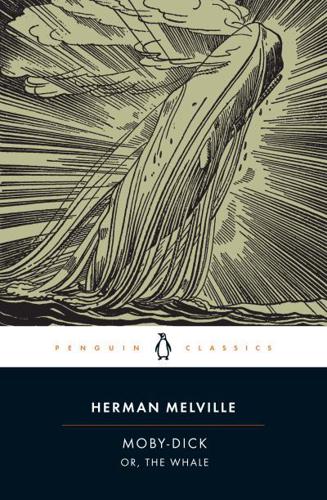
Moby-Dick Or, The Whale by Herman Melville
When Ishmael signs on to the Pequod, he soon discovers that Captain Ahab is hunting Moby-Dick, the whale that took his leg. Alongside scenes of shipboard life and the chase itself, the novel makes room for long passages on whale fishing, whale species and the fascinating beliefs of the crew. Distinctively told in the first person, this powerful classic combines action at sea with reflection, symbolism and obsession. An absorbing, challenging read for sixth formers.
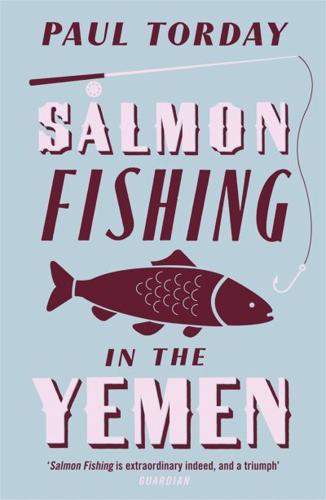
Salmon Fishing in the Yemen by Paul Torday
When a fisheries scientist is drawn into a scheme to bring salmon fishing to Yemen, the plan, driven by a wealthy sheikh, is seized upon by a British spin doctor as useful political theatre. Expecting it to fail, Dr Alfred Jones instead finds the project gathering pace as the story moves between Whitehall, Scotland and Yemen. Told through emails, letters and diary entries, this unique novel thrusts the reader into a torrent of bureaucracy, faith and satire.
Click the buttons below to purchase all of the books in this fishing books list, as well as class sets of any of these books and many more, from Bookshop.org UK. Or buy the 20 most popular titles from this list from Amazon – ideal for gifts or your classroom library.
Buy from UK.Bookshop.Org Buy from Amazon.co.uk
Disclosure: If you buy books using the buttons above: we may earn a commission from Bookshop.org, whose fees support independent bookshops; as an Amazon Associate schoolreadinglist.co.uk earns from qualifying purchases.
Schools & teachers: please respect copyright and don’t copy our fishing books for children list. If you find our book recommendations useful, please consider sharing on social media or linking to this page instead. Thanks.
Fishing resources for teachers
- The Angling Trust’s Reel Education is a free primary-school resource with teacher-written lesson plans and activities linked to the national framework, covering science, maths and art as well as PE-style fishing and environmental activities.
- Canal & River Trust’s Let’s Fish! for Schools combines angling with outdoor learning and introduces pupils to water safety, history and heritage, wildlife and nature through coached school sessions and awards.
- The Rivers Trust has free KS2 river activity cards and lesson materials on river journeys, habitats, wildlife recording, microplastics, Big River Watch citizen science, and what lives in a river.
- The River Tweed Foundation’s Go Wild For Fish offers lessons matched to the Scottish and English curriculums, including classroom or riverside sessions on river morphology, invertebrates and fish, plus a longer Fish in the Classroom programme.
- Wessex Rivers Trust provides videos, worksheets, information packs and story maps that help pupils explore river wildlife, chalk streams and source-to-sea geography through resources such as Beneath the Surface and River Wildlife Investigators.
- The Marine Stewardship Council offers teaching materials on ocean sustainability, including lesson plans, films, classroom activities and a Kahoot quiz showing how sustainable fishing supports ocean life and biodiversity.
- The Marine Conservation Society has free primary resources on UK marine wildlife, ocean pollution and sustainable seafood, with a useful sequence on seafood species, fishing methods and fish farming.
- Oak National Academy has a ready-made KS3 geography lesson on sustainable fishing with downloadable slides, video, worksheets and quizzes covering bycatch, quotas, closures and marine biodiversity.
- Lyme Bay Fisheries & Conservation Reserve provides KS4 and KS5 materials on Lyme Bay as a fishery, habitat protection and marine management, with lesson plans, PowerPoints, fact cards and extension activities.
- The Food Teachers Centre’s Fish Heroes supports secondary food teachers with classroom resources, recipes, CPD, fish deliveries and pupil masterclasses, while also covering sustainability, nutrition and seafood careers.
BISAC JUV032170, YAF059030, JNF054030, JNF003090, JNF003150, YAN053030. YOUNG ADULT FICTION | Thema YFR, YNWP, YNNS, SVF

