Farming themed books for children and teens
Children’s, young adult and teen books about farming. These farming-themed books for children and teens bring together fiction and non-fiction linked by farms, agriculture and rural working life. Across this curated selection are stories and information books about livestock, crops, machinery, food production, the countryside and rural communities. Some focus closely on farm work, while others use rural settings and farming life as a central part of the plot. This list features books by Michael Morpurgo, Mary Hoffman, E.B. White, Stella Gibbons, John Lewis-Stempel, James Rebanks, Sarah Crossan, Sita Brahmachari, Linda Newbery, and Adam Henson.
Farming themed books for children and teens – our recommendations
Farming themed picture books
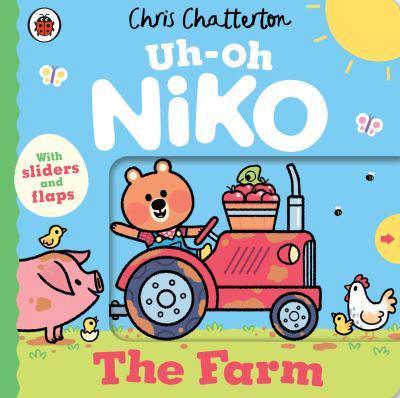
Uh-Oh, Niko: the Farm by Chris Chatterton
Niko the bear spends a busy day on the farm, with exciting actions for 2-5 year olds to copy as they read. He feeds the chickens, picks apples, rides a tractor and follows ducklings, with rhyming text that prompts lively joining in. When Niko gets something wrong, he tries again, inviting infants to work out the next step in the routine. Each colourful spread includes chunky sliders and flaps for hands-on interactive play. Great fun and highly recommended.
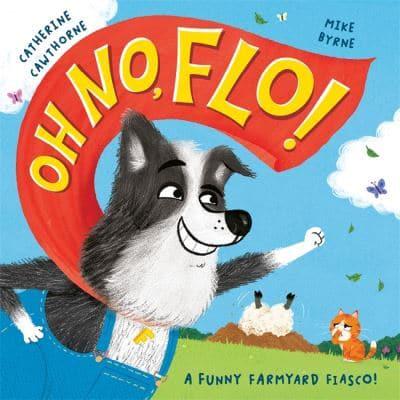
Oh No, Flo! by Catherine Cawthorne, illustrated by Mike Byrne
Catherine Cawthorne’s picture book features Flo, a sheepdog determined to help when Farmer falls ill. But Flo’s attempts at farm work go hilariously wrong, causing chaos with the animals. Mike Byrne’s lively illustrations bring the story to life, offering a fun introduction to farm life. Full of humour and repetition, this book encourages kids to join in and keeps them hooked as Flo’s well-meaning blunders unfold. Perfect for read-alouds, it’s a playful, engaging story for young readers.
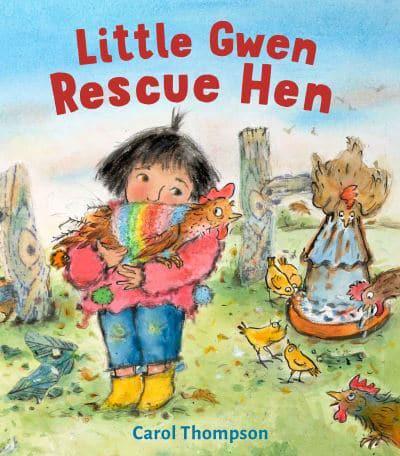
Little Gwen, Rescue Hen by Carol Thompson
Gwen the hen is worn out from life on a crowded farm – too tired even to lay eggs. But when she’s taken to a new home with open space, fresh air, and kind company, things start to change. Wrapped in a cosy little vest, she slowly regains her strength and finds her place. With gentle storytelling and warm illustrations, Carol Thompson introduces 3+ year olds to animal welfare, showing how a little care can make all the difference. It’s a charming story to read aloud.
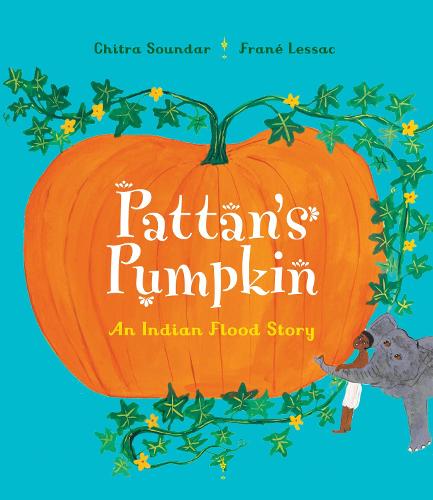
Pattan’s Pumpkin by Chitra Soundar, illustrated by Frane Lessac
Pattan’s Pumpkin brings a Southern Indian flood myth to life with warmth and creativity. When floodwaters threaten their land, farmers Pattan and Kanni carve a boat from an enormous pumpkin to save animals, seeds, and food. Chitra Soundar’s storytelling celebrates ingenuity and a deep bond with nature, while Frané Lessac’s vivid illustrations, inspired by traditional Indian art, add a stunning visual layer. It’s a beautiful tale of survival and harmony.
The Happy Hedgerow by Elena Mannion
Old Oak lives an idyllic life watching over harmony in the fields, wildlife and landscape. But when a farmer moves in to uproot the hedgerow, the equilibrium is threatened. Told from the point of view of plants, animals and birds, children are encouraged to feel their emotions and empathise with their plight. A gorgeous picture book that will help to inspire creative artwork and writing in KS1 and lower KS2 lessons, The Happy Hedgerow is highly recommended for primary environment and nature topics.

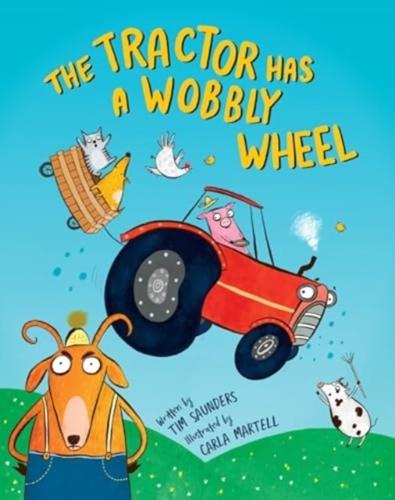
The Tractor Has a Wobbly Wheel by Tim Saunders, illustrated by Carla Martell
A tractor’s wobbly wheel sparks a flurry of ideas from a helpful bunch of farm animals – some more useful than others! With plenty of sound effects, rhythmic lines and silly moments, this read-aloud story brings preschoolers into a world of teamwork, trial and error, and noisy fun. Illustrated with lively farmyard scenes, it’s perfect for 3-6 year olds who love animal antics and a bit of problem-solving along the way.
A Walk on the Farm by Ladybird
Set on a working farm, this lift-the-flap non-fiction book for 2-5-year-olds follows a family from the farmhouse to the barn, paddocks and pastures. Children will see lambs being fed, chicks hatching, and corn being harvested. More than 40 flaps and short nature facts introduce farm animals, daily jobs and the different places found on a farm. This sturdy interactive book is ideal for preschool and EYFS settings.

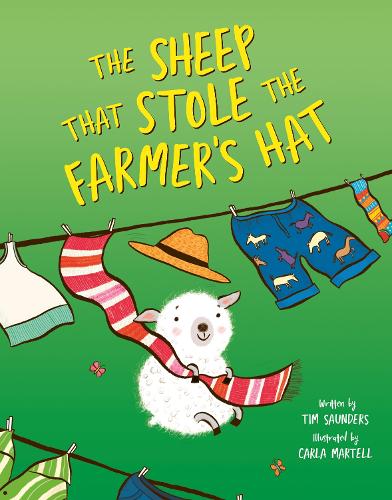
The Sheep That Stole the Farmer’s Hat by Tim Saunders
When the farmer’s washing starts vanishing from the line, it is the animals that are up to no good. Chickens steal the socks, a goat grabs the coat, a goose nicks a boot, then the dog, pigs, cat, llamas and an unfortunate horse pile in. Each vibrantly illustrated, laugh-out-loud spread shows what they are doing with the missing clothes while the desperate farmer scrambles to keep up. The giggle-worthy text uses rhyme throughout, and repeated patterns will help with prediction and inference when reading with 2+ year olds. The warmth and humour make this a picture book that younger children will want to read again and again. Highly recommended.
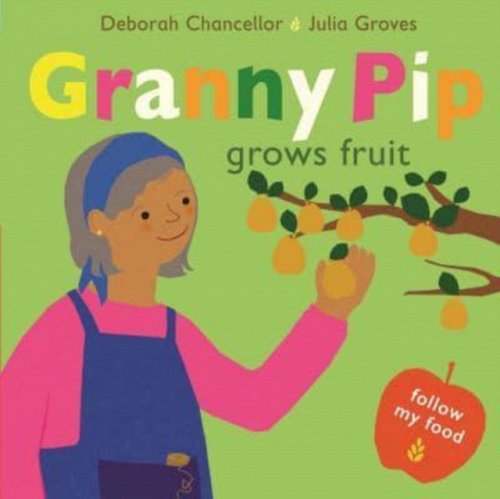
Granny Pip grows fruit by Deborah Chancellor and Julia Groves
Readers are treated to a little girl’s awe and wonder planting, feeding and harvesting food to eat with her green-fingered grandma in this charming and informative picture book. With bright and exciting illustrations, each spread informs and advises children about how to grow and look after a garden. A worthwhile resource for EYFS and KS1 non-fiction libraries and classrooms. There are free teaching resources available on the publisher’s website.
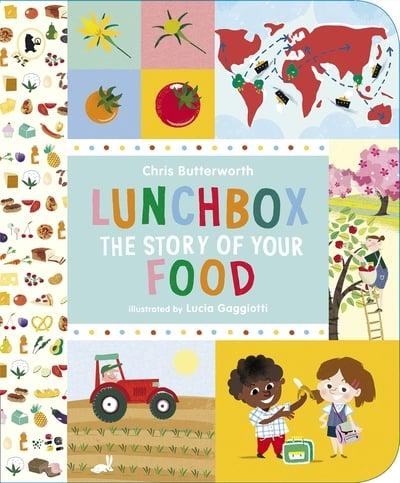
Lunchbox by Christine Butterworth, illustrated by Lucia Gaggiotti
This well-designed non-fiction picture book for 4+ year olds traces how food reaches a child’s lunchbox, from farm, orchard and factory to the table. Bread, cheese, fruit, vegetables, juice and chocolate are each followed through the stages of production. Christine Butterworth explains the process clearly with accessible text, supported by lively illustrations by Lucia Gaggiotti. Food facts and a guide to food groups add context, giving EYFS children a straightforward introduction to where food comes from and how it is made. Highly recommended.
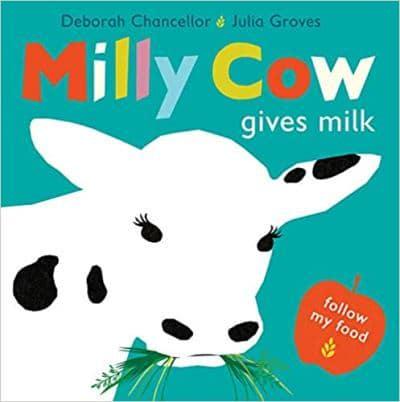
Milly Cow Gives Milk by Deborah Chancellor
This bright and engaging narrative nonfiction picture book shows nursery-aged readers Milly the Cow, where she lives, and how her milk goes from the farm to the supermarket. A useful book to discuss when teaching children about food and where it comes from.
You Choose Farm by Nick Sharratt and Pippa Goodhart
0-3-year-olds are invited to make choices as they explore a farm, from what to wear and how to get there to which animals to visit, in this outstanding interactive farmyard picture book. Pippa Goodhart uses catchy rhyming text, and Nick Sharratt’s immersive and detailed illustrations support discussion and decision-making. Part of the popular You Choose series, this book ends with a lift-the-flap twist and is aimed at preschool readers, although older siblings and parents will also love it.

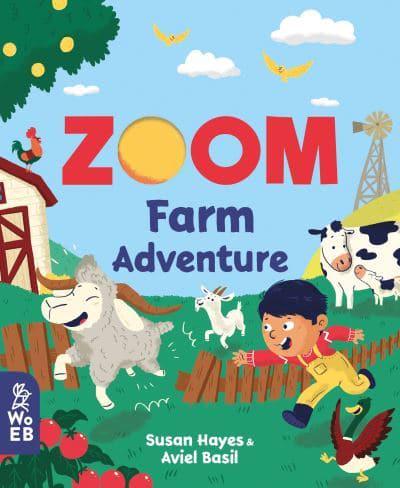
Zoom Farm Adventure by Susan Hayes and Aviel Basil
Join Bo in imagining a day on the farm, feeding animals, collecting eggs, gathering honey, harvesting fruit and vegetables, and bringing in peanuts before heading back to the city. Susan Hayes sets the easy-to-follow story around farm jobs and food production, with bold, punchy illustrations by Aviel Basil. Exciting cut-through holes in the pages and a super pop-up farm map near the end add to the finger-enticing interactive format for preschool readers. Part of a highly recommended series.
I’m the Tractor Driver by David Semple
3-6-year-olds are thrust into the role of a tractor driver, helping with farm jobs such as carrying feed, moving hay and working in the fields. David Semple adds a clever dashboard along the bottom of each page to encourage imaginative choices and interactive play. The illustrated farm-based tasks also encourage counting, colours, shape recognition and simple problem-solving. Ideal for preschool and EYFS settings.

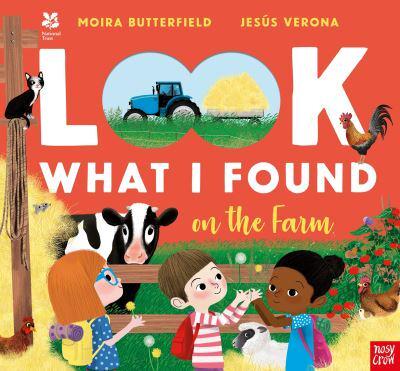
National Trust: Look What I Found on the Farm by Moira Butterfield and Jesus Verona
3-6-year-olds follow a farm walk as they spot and collect finds such as sheep’s wool, a chick feather and a broken eggshell. Moira Butterfield uses engaging rhyming text, with big, bold illustrations by Jesus Verona. Nature notes alongside the story add discussion-worthy facts about farm animals, crops, produce and wildlife, linking the walk to close observation and outdoor learning. Highly recommended.
Old Oak and Little Acorn by Elena Mannion
Little Acorn clings to Old Oak, not wanting to leave the tree he thinks of as his father. But one day a gust of wind carries Little Acorn into a new world of squirrels, hedgerows, moles, new life and the future of the countryside. Old Oak and Little Acorn is a beautiful picture book to read to EYFS, or for KS1 children to tackle independently. A large-format hardback with evocative double-page illustrations by Erin Brown, it’s a great resource to read in and discuss forest schools and outdoor classrooms. A wonderful companion story to ‘The Happy Hedgerow’.

My Very Important Lift-The-Flap Book Farm by DK
More than 80 flaps take children through a year on the farm, introducing animals, crops, fruit, vegetables and machinery as the seasons change. This highly interactive board book for 3-5-year-olds combines interesting illustrations, photographs and short facts. Farmyard routines and equipment, including combine harvesters, are explored through simple questions and enticing lift-the-flap reveals.

A Year on Adam’s Farm by Adam Henson, illustrated by Rachael Saunders
Across the seasons, Adam Henson takes infant readers through the farm, showing how the land is worked and where food comes from. With more than 40 fascinating flaps, the book covers sheep, cows, horses, birds, shearing, harvesting and machinery, including a combine harvester. It also introduces newer farming methods such as robots and drones, with engaging and colourful illustrations by Rachael Saunders and Peg the sheepdog throughout. It’s ideal for 3-6-year-olds.

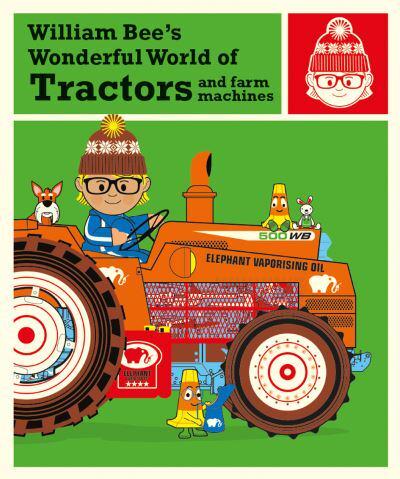
William Bee’s Wonderful World of Tractors and Farm Machines by William Bee
William Bee takes readers around the farm in a picture book built around tractors, a combine harvester and other machines used for ploughing, fruit picking and moving manure. Modern and older equipment both feature, alongside Sparky the dog, the Cone Family and the farm animals. This fascinating hardback also connects machinery to crop production and ends satisfyingly with a page showing how foods are made from cereals grown on the farm. It’s great illustrated fun for 3-6-year-olds.
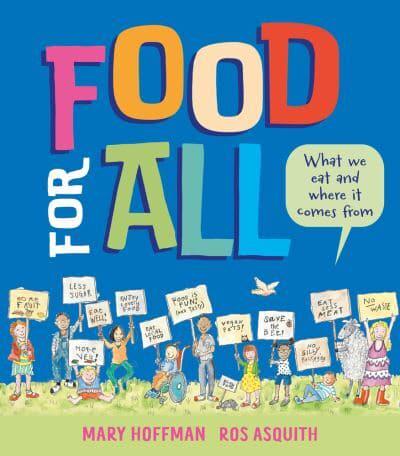
Food For All by Mary Hoffman and Ros Asquith
This book takes a deep dive into where our food comes from, how it’s shared (or not), and what it means for the planet. It tackles big questions – why some people go hungry while others waste food, whether organic or vegetarian diets make a difference, and how farming shapes the environment. With lively illustrations and a dash of humour, it breaks down complex issues in an accessible way for 4-7-year-olds, and it’s ideal for sparking discussion in EYFS. Highly recommended.
Farming themed books for 7-12 year olds
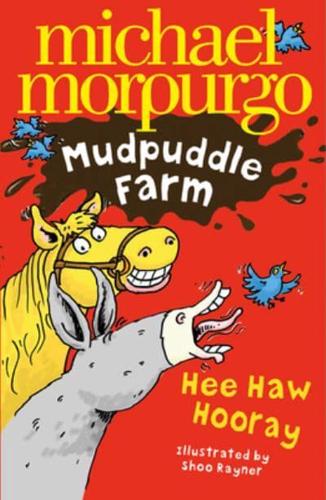
New Mudpuddle Farm by Michael Morpurgo, illustrated by Shoo Rayner
Set behind the barn at Mudpuddle Farm, this collection brings together two stories for readers aged 5 and up. In the first, the animals try to warn Farmer Rafferty that a storm is on the way. In the second, a new arrival causes confusion when the others decide it does not belong on the farm. It’s ideal for newly independent readers interested in farms and animals.
Charlotte’s Web by E.B. White, illustrated by Garth Williams
When Wilbur the pig is in danger of being slaughtered and eaten by the farmer, Charlotte the spider writes messages about Wilbur to stun the farmer into letting him live. Perfect to read with less confident readers, this classic children’s literature novel is also a staple class text LKS2.

Finding Hope by Nicola Baker, illustrated by Rachael Dean
When Ava moves from town to Whistledown Farm to live with Auntie Kitty, Uncle John and cousin Tom while her parents work abroad, she finds the change hard to take. As she learns the routines of the farm and helps care for the animals, she rescues a lamb she names Hope. The story follows her growing place in the family and the discovery of serious trouble on the farm. It’s a riveting read for 7+ year olds.

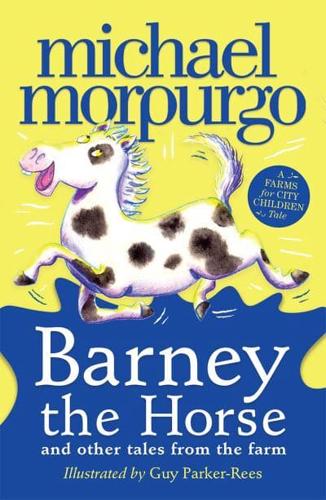
Barney the Horse and Other Tales from the Farm by Michael Morpurgo, illustrated by Guy Parker-Rees
Three farm stories bring together a lost lamb, a family of swallows and a girl whose life is changed by the horse she looks after. With illustrations by Guy Parker-Rees, Michael Morpurgo’s collection draws on the sights, mess and excitement of a week on the farm. This short story collection for 7+ year olds celebrates friendship, animals and the lasting pull of the countryside.
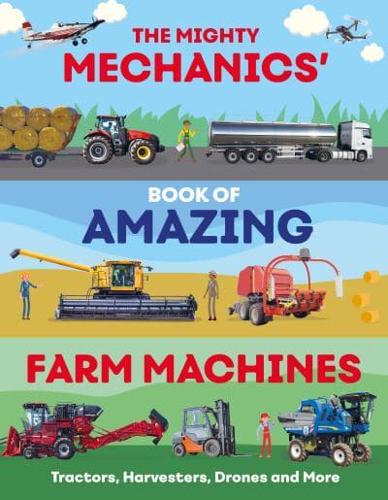
The Mighty Mechanics’ Book of Amazing Farm Machines: Tractors, Harvesters, Quad Bikes and More by John Allen
This super engaging non-fiction guide introduces tractors, harvesters, ploughs and quad bikes, showing how farm machinery helps with jobs from planting seeds to bringing in crops. It also gives younger readers a look at some of the technology used in modern farming. Brightly illustrated graphics and short chunks of text explain how the machines work and what they do on the farm. It’s perfect for primary school libraries.
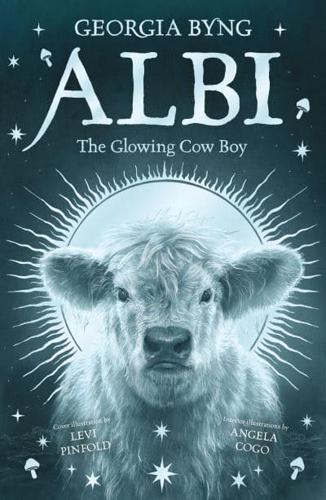
Albi the Glowing Cow Boy by Georgia Byng
A calf named Albi and a twelve-year-old boy named Rufus share this unusual dual-narrative story for 9-12-year-olds. After Albi eats white mushrooms and escapes the slaughterhouse, Rufus leaves home and follows him. Their journey across Europe and Asia brings in farming, meat production, hunting and the treatment of animals, while asking readers to think about human choices and the living world. An interesting and distinctive novel that’s ideal for KS2 book club discussion.
The Hunt For David Berman by Claire Mulligan
Set in WW2, Robert is evacuated to a remote Scottish farm to live with his grandparents. But unbeknownst to him, hidden in his suitcase is a secret codebook, and it’s so important that Nazi agents will kill for it. The plot moves with purpose and conviction, and the 29 thrilling short chapters make this book ideal for reading aloud to a KS2 class each day over half a term.

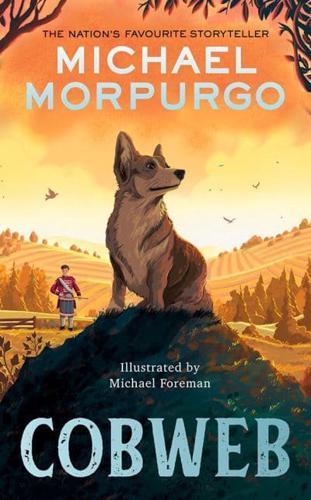
Cobweb by Michael Morpurgo, illustrated by Michael Foreman
Cobweb follows a Corgi taken from a Welsh farm and his loving owner, Bethen, who is set to work herding sheep on a dangerous journey to London. Set during the Napoleonic wars, the story reflects on war, humanity, and the magical bond between animals and humans. Will he ever find his way home? Cobweb combines Morpurgo’s sparkling storytelling with Michael Foreman’s timeless illustrations. The result is a warm, memorable and deeply satisfying story that is perfect to read to groups in KS2.
Lucky the Dog and Other Tales from the Farm by Michael Morpurgo
This collection of three delightful stories celebrates friendship, adventure, and farm life. From Elvis the donkey saving a sea turtle to a city child’s eye-opening time at Wick Court, the tales are all about the special bond between animals and children. With charming illustrations by Guy Parker-Rees, this book offers a heartwarming look at how the countryside can change a child’s life. Perfect for young animal lovers!

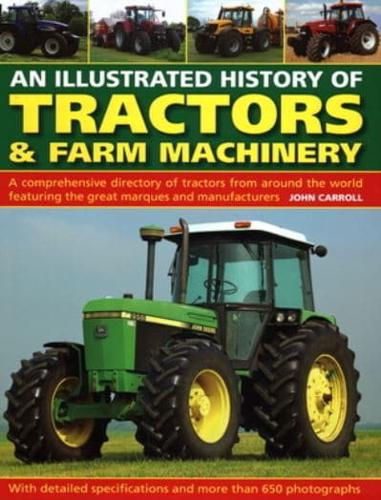
An Illustrated History of Tractors & Farm Machinery by John Carroll
For more advanced readers interested in how farm machines have changed, this comprehensive and highly detailed reference book tracks tractors from early 20th-century horse replacements to modern vehicles. Archive images, photographs and specification boxes cover manufacturers, inventors, engine capacity, transmission, power and weight. With an international scope, it places tractors within the wider story of agricultural machinery and shows how farm vehicles have developed over time. It’s perfect for tractor enthusiasts.
The Secret Hen House Theatre by Helen Peters
Hannah lives with her widowed father and siblings on a farm under financial pressure, where everyday work is shaped by worry about rent and keeping things going. While trying to help at home, she enters a play competition and, with her friend Lottie, turns a disused hen house into a theatre. Farm life, family strain and school all pull against her growing interest in drama. A highly imaginative and compelling story for 9-12 year olds.

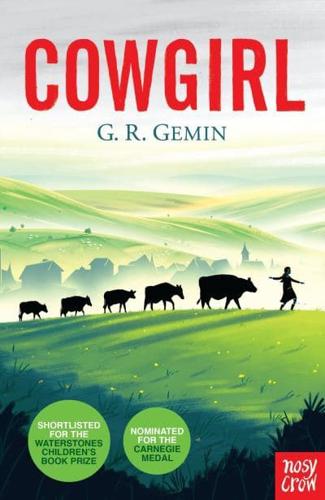
Cowgirl by G. R. Gemin
Gemma Matthews lives on the Bryn Mawr estate in South Wales, where her father is in prison and life at home is under strain. When she meets Kate, known as Cowgirl, she is drawn into an attempt to save twelve dairy cows from the abattoir. This charming and funny story brings estate life and farm life together through friendship, family pressure and a community pushed into action. An uplifting read for 9-12-year-olds.
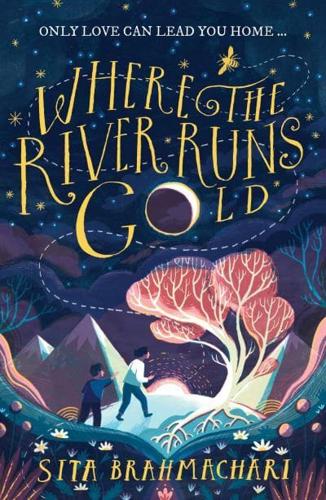
Where the River Runs Gold by Sita Brahmachari
On a future Earth damaged by climate change, Shifa and her brother Themba are sent from Kairos City to a farm where children pollinate crops by hand because the bees have gone. When they discover how cruel the system is, Shifa begins planning their escape using a map drawn from a stranger’s account. It’s a powerful dystopian novel for 10+ year olds that explores food, labour, power and environmental collapse. Highly recommended for UKS2 and KS3 book clubs.
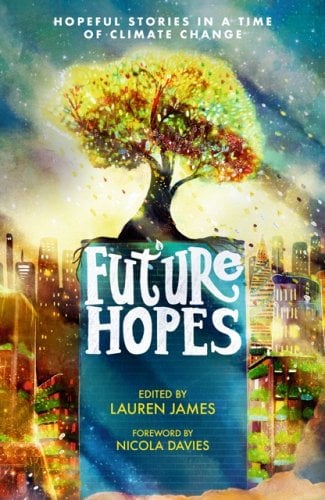
Future Hopes: Hopeful Stories in a Time of Climate Change edited by Lauren James
Authors, including M. G. Leonard, Neal Shusterman, and Tolá Okogwu, offer a positive perspective on climate change through this collection of imaginative short stories. With creative solutions such as skyscraper farms and guerrilla gardening, each tale is rooted in real-world science. Ideal to spark discussions and questions, Future Hopes will empower students to believe there is a thriving future for our planet. Perfect for KS3 book clubs.
Farming themed books for teens
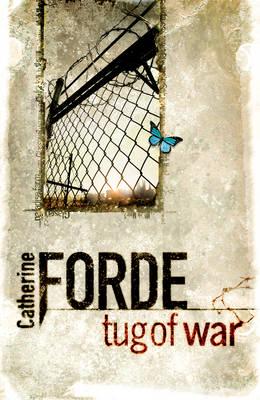
Tug of War by Catherine Forde
When Molly is evacuated to the countryside after the terrorist attacks, she finds herself with a wonderful foster mum on an idyllic farm. Her new life is perfect. When her real mother visit and she finds out her brother is being abused, Molly faces a choice, and she isn’t sure she wants to leave her new life behind.
This Book is Cruelty-Free by Linda Newbery
This comprehensive lifestyle guide shows teens in KS3 and KS4 how they can adjust and live their lives in ways that avoid contributing, directly or indirectly, to animal cruelty. Issues including food waste, zoos, wild spaces and meat-eating are discussed with diagrams, poignant quotes, infographics, statistics and lucid text. An ideal primer to familiarise children with key themes in the animal rights debate, this book will both inspire and help pupils form their own opinions.

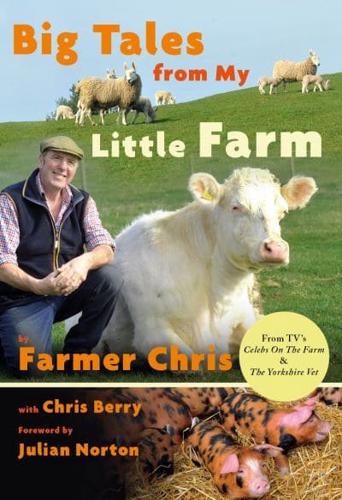
Big Tales From My Little Farm by Farmer Chris
On a 40-acre farm in North Yorkshire, Farmer Chris and Farmer Kate juggle livestock care, machinery failures, escaped animals and success at shows. Chris looks back on finally getting the farm life he wanted, while also recording the mistakes, setbacks and daily pressure that came with it. A foreword and an extra chapter by Julian Norton add further context. Ideal for fans of the TV shows Celebs on the Farm and The Yorkshire Vet.
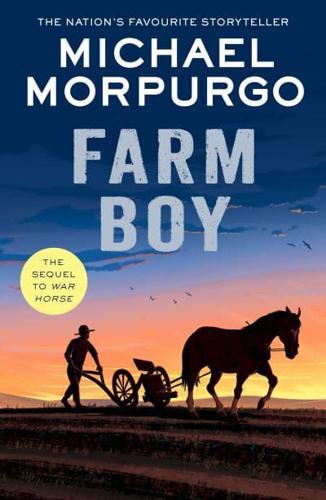
Farm Boy by Michael Morpurgo
Set on a Devon farm, this spectacular sequel to War Horse follows a boy spending the school holidays with his grandfather, who begins telling him about Joey and what happened after the First World War. As their conversations unfold, the story links farm life in the present with family memories, changes in the countryside and a dark secret kept hidden for years. It’s perfect for class reading in KS3.
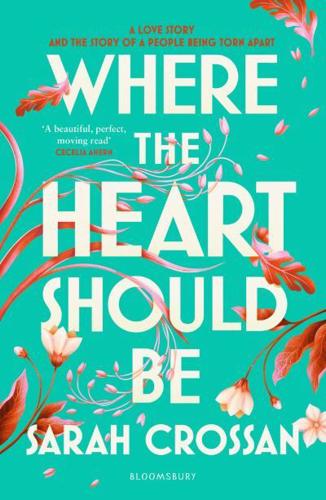
Where the Heart Should Be by Sarah Crossan
Set in Ireland in 1846, this verse novel follows Nell Quinn, a scullery maid in the Big House, as famine spreads and her family struggle on land owned by Sir Philip Wicken. When she meets Wicken’s nephew and heir, Johnny Browning, a relationship begins across class lines. Through Nell’s story, the novel brings love, hunger, power and injustice into the history of the Great Hunger. An outstanding and moving novel for teens.
The Tractor Book by Sam Kennedy and Miezan Van Zyl
From steam engines and early tractors to modern combine harvesters, this outstanding hardback illustrated reference book traces the history of farm machinery across time. Covering more than 200 machines from around the world, it includes tractor data, marque histories and explanations of how the vehicles work. Manufacturers such as John Deere and Massey Ferguson appear alongside visual overviews of individual models. A must-have for school libraries, children and teens will pore over this fascinating tractor tome.

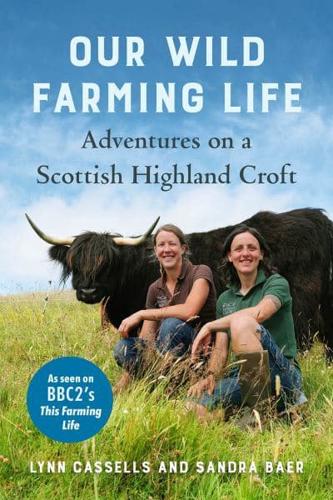
Our Wild Farming Life by Lynn Cassells and Sandra Baer
With no background in farming and only modest plans for chickens, vegetables and camping, Lynn Cassells and Sandra Baer head north from England and buy Lynbreck Croft in the Cairngorms. What begins as a smallholding plan soon turns into work on 150 acres. Their engrossing account follows that shift and records a growing commitment to regenerative farming, land use and a different way of living. It’s an empowering and inspiring read for teens.
For the Love of Farming by Farmer Will
Season by season, this memoir follows Farmer Will through lambing, sheep work and the daily jobs on his Buckinghamshire farm. He sets out the practical side of animal care, including hoof trimming and treating lameness, and includes photographs of the farm, the animals and family life. As much about the hands-on work of keeping sheep as showing readers what that work actually involves, it will appeal to teens interested in hands-on farming.

Farming themed books for sixth-formers
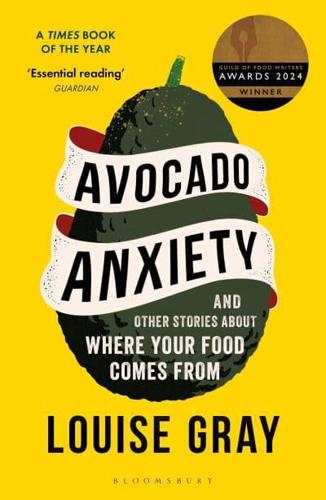
Avocado Anxiety by Louise Gray
Louise Gray uses familiar fruit and vegetables, from avocados and apples to tomatoes, green beans and potatoes, to examine how food is grown, traded and sold. Drawing on farm visits, interviews, and her own attempts to grow produce, she links everyday choices about five-a-day to bigger questions about carbon use, water, labour, seasonality, sustainability and the shape of the modern food system. Award-winning and highly relevant, this is an accessible and fascinating read for sixth formers interested in modern agriculture.
Cold Comfort Farm by Stella Gibbons
After the death of her parents, Flora Poste moves to Cold Comfort Farm in Sussex and finds the Starkadders caught up in family conflict, religion and the routines of farm life. She soon begins rearranging the household, poking at relationships and interfering with future plans. Set on a farm but driven by domestic tensions and delicious intrigue, the novel uses Flora’s arrival to wickedly parody rural and regional fiction. A highly entertaining read.

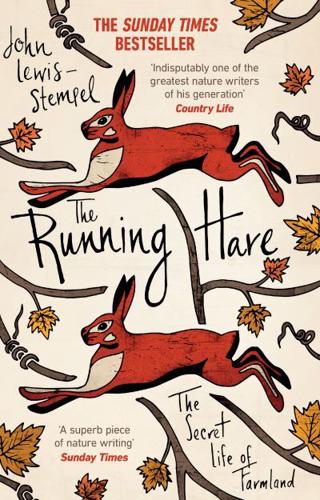
The Running Hare by John Lewis-Stempel
In a rented field, John Lewis-Stempel spends a year testing traditional ploughland farming and watching what returns with it in this lyrical and compelling account. As he sows, tends and harvests, he records hares, birds, insects and flowers tied to arable land, setting their presence against the losses linked to modern agriculture. The result is both an account of one season’s work and a thought-provoking wider reflection on change in the British countryside.
English Pastoral by James Rebanks
James Rebanks traces change on his family farm in the Lake District, from mixed farming shaped by earlier generations to intensive methods that affect soil, hedgerows, birds and working life in this stunningly written and heartfelt modern classic. Drawing on family history and his own work on the land, he looks at farming practice, inheritance and recovery, and he also describes steps taken on the farm to restore habitat while continuing food production. A highly memorable read.

Rooted by Sarah Langford
In this thought-provoking non-fiction book, Sarah Langford examines farming and looks at how it has changed across three generations. Drawing on her own experience and conversations with farmers, she examines land use, food production, weather, policy and regenerative practice. The beautifully written text places today’s farming alongside post-war priorities and considers how land connects with communities, health and the environment. Highly recommended.

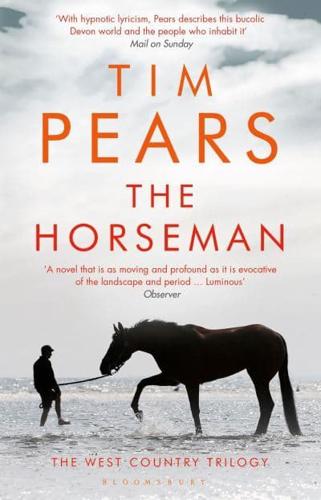
The Horseman by Tim Pears
Set on the Devon-Somerset border in 1911, this exquisitely written novel follows twelve-year-old Leopold Sercombe, who skips school to help his father, a carter, and hopes to work on the estate stud farm. After meeting Charlotte, the master’s daughter, he forms a friendship shaped by rural life and class divisions. Farm work, the seasons and the routines of farm life run throughout the story. A mesmerising read.
Click the buttons below to purchase all of the books in this farming book list, as well as class sets of any of these books and many more, from Bookshop.org UK. Or buy the 20 most popular titles from this list from Amazon – ideal for gifts or your classroom library.
Buy from UK.Bookshop.Org Buy from Amazon.co.uk
Disclosure: If you buy books using the buttons above: we may earn a commission from Bookshop.org, whose fees support independent bookshops; as an Amazon Associate, schoolreadinglist.co.uk earns from qualifying purchases.
Schools & teachers: please respect copyright and don’t copy our farming list. If you find our book recommendations useful, please consider sharing on social media or linking to this page instead. Thanks.
Farming and food resources for teachers
- Countryside Classroom is one of the strongest starting points for teachers, with a large bank of quality-assured resources on food, farming and the natural environment, plus ideas for visits and outdoor learning.
- NFU Education offers free curriculum-linked resources for schools in England and Wales, including live lessons, classroom activities and projects that help pupils understand British farming, food production and the countryside.
- Food – a fact of life provides clear, well-structured teaching materials on where food comes from, including farming, processing, plants, animals and food origins across different age groups.
- LEAF Education supports teachers with training, CPD and curriculum-linked resources that use food and farming to bring classroom topics to life across primary and secondary phases.
- The Royal Highland Education Trust is especially useful for schools in Scotland, with presentations, handouts, activities and links to support food, farming and STEM teaching across Curriculum for Excellence levels.
- The Country Trust works with schools to connect children with food, farming and the countryside, and is particularly valuable for teachers looking for supported farm-based programmes and practical experiences.
- Compassion in World Farming has education resources on cows, hens and pigs that can help primary teachers cover animal needs, welfare and farming in a classroom context.
- STEM Learning hosts a Farming and Countryside Education collection with resources that link agriculture to science, maths and wider STEM work in school.
- AHDB Education offers downloadable educational materials, including activity sheets for farm visits and resources linked to food and farming education.
- Oak National Academy’s Growing, rearing and catching our food is a useful KS3 lesson on food origins, sourcing, processing and labelling, including references to assurance schemes such as Red Tractor.
BISAC JUV002090, JNF033000, JNF051020, JNF003080, YAF034000, YAF033000 | Thema YNNF, JBSC, TV

