Use Early civilisations books for children and teens
Who built the first cities, and how do we know what life was like thousands of years ago? This selection of early civilisations books for children and teens takes readers from ancient Sumer and the Indus Valley to Egypt and Shang China. Through illustrated histories, archaeological discoveries, myths and historical stories, readers can explore how ancient civilisations developed writing, traded goods, built remarkable structures and explained the world around them. The list includes accessible introductions for primary school pupils alongside more detailed books for older readers. This list features books by Terry Deary, Iris Volant, Peter Allen, Tim Cooke, Marchella Ward, Xiaobing Wang, Jo Nelson, Nikhil Gulati, Sarah Eason, and Louise A Spilsbury.
Early civilisations books – our recommendations
Early civilisations books for children aged 5-11
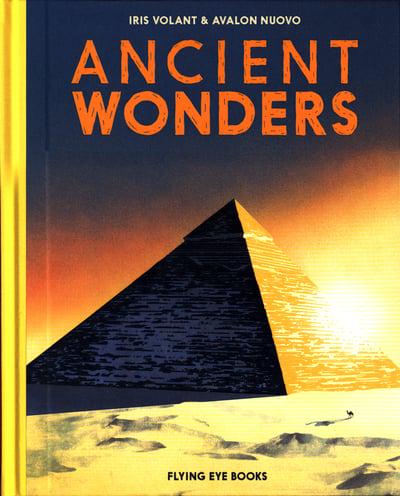
Ancient Wonders by Iris Volant, illustrated by Avalon Nuovo
Seven great monuments form the starting point for this illustrated journey through the ancient world, including the Great Pyramid of Giza, the Hanging Gardens of Babylon and the Lighthouse of Alexandria. Iris Volant combines the stories surrounding each wonder with explanations of how ambitious structures were created, while Avalon Nuovo’s artwork provides a vivid sense of scale. For 7-11 year olds, the book connects engineering, archaeology, art and historical enquiry across different civilisations.
Tales of Ancient Worlds: Adventures in Archaeology by Stefan Milosavljevich, illustrated by Sam Caldwell
Archaeology becomes the route into the past in this large-format non-fiction book for 8-10 year olds. Stefan Milosavljevich introduces discoveries ranging from an ancient Egyptian city beneath the sea to China’s Terracotta Army and an Ice Age structure made from mammoth bones. Sam Caldwell’s illustrations accompany explanations of how archaeologists investigate evidence and reconstruct past lives. The mix of discoveries, scientific methods and stories of pioneering archaeologists gives children a lively introduction to how knowledge about ancient worlds is built.

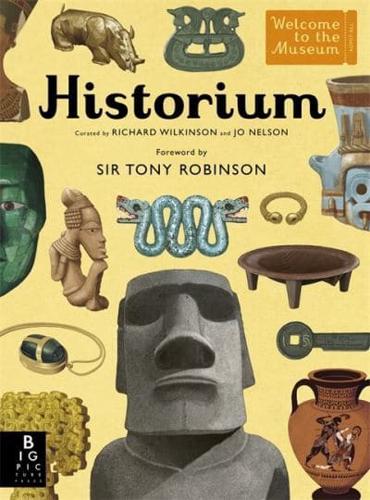
Historium by Jo Nelson, illustrated by Richard Wilkinson
Presented as a museum that can be explored page by page, Historium brings together more than 160 artefacts from cultures across the ancient world. Jo Nelson’s text places objects in historical context, while Richard Wilkinson’s detailed illustrations turn each gallery into a visual collection to study closely. This updated hardback also includes a foreword by Sir Tony Robinson. It works especially well for browsing, comparing material cultures and discussing what surviving objects can reveal about societies separated by geography and time.
Rise and Fall: Great empires that shaped the world by Peter Allen
Peter Allen’s illustrated survey sets nine empires in chronological sequence and looks at how each rose, what everyday life and culture were like, why power declined and what was left behind. The selection ranges from the Minoans and Achaemenid Persian Empire to later societies including Benin, Mali and the Aztecs. Detail-packed scenes make comparison easy, helping children notice recurring themes such as leadership, belief, architecture, technology and trade across very different places and periods.

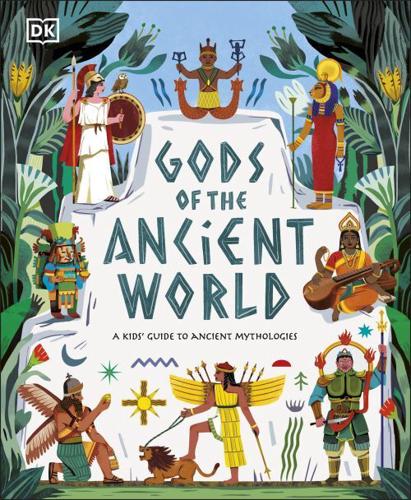
Gods of the Ancient World: A Kids’ Guide to Ancient Mythologies by Marchella Ward, illustrated by Xuan Le
Marchella Ward retells 23 stories about gods and goddesses from cultures around the world, bringing mythology into conversation with ancient history. The book includes Maya, Japanese, Yoruba, Greek and Roman traditions, alongside fact boxes, artwork and photographs of ancient objects connected with worship. Xuan Le’s illustrations give the collection a distinctive visual character. For 9-12 year olds, the themed stories offer opportunities to compare how different societies explained origins, nature, divine power and relationships between people and their gods.
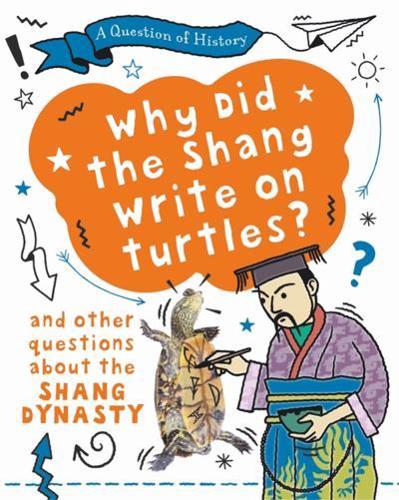
A Question of History: Why did the Shang write on turtles? And other questions about the Shang Dynasty by Tim Cooke
Why did the Shang write on turtles, and what can unusual questions reveal about an ancient civilisation? Tim Cooke uses a question-and-answer structure to investigate Shang society, warfare and everyday life, with each spread opening up a new line of enquiry. Annotated photographs and cartoons help children examine evidence as well as facts. This history book for 8+ year olds is particularly useful for turning a curriculum topic into discussion and encouraging pupils to ask how historians build knowledge about the Shang Dynasty.
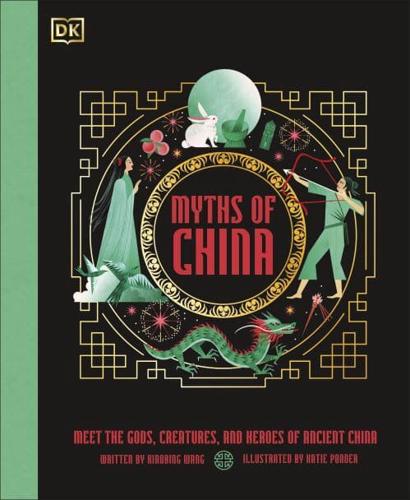
Myths of China: Meet the Gods, Creatures, and Heroes of Ancient China by Xiaobing Wang, illustrated by Katie Ponder
Twenty retold myths introduce 7-9 year olds to gods, heroes, magical creatures and stories from Chinese cultural traditions. Xiaobing Wang moves from creation stories towards the first emperors, while historical notes and a reference section add context about ancient China. Katie Ponder’s illustrations accompany the tales, and profiles of major figures include help with pronunciation. The combination of storytelling and background information gives children opportunities to investigate religion, symbolism and the imaginative world surrounding early Chinese history.
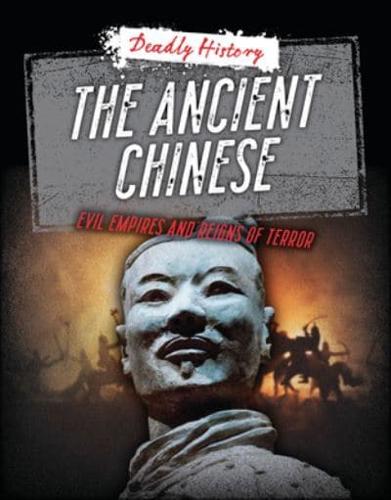
The Ancient Chinese: Evil Empires and Reigns of Terror by Sarah Eason and Louise A Spilsbury
This entry in the Deadly History series examines ancient China through power, warfare, punishment, ritual and demanding work. Sarah Eason and Louise A Spilsbury use short sections, primary-source material and bold visual design to show how people lived under emperors and how large projects and conflict could shape daily experience. The lively format gives children plenty of concrete historical details to discuss, while the evidence keeps the focus on people, institutions and practices within ancient Chinese society.
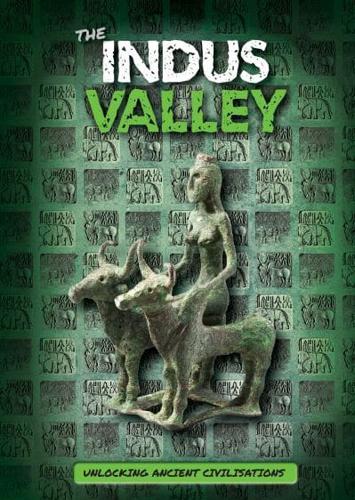
The Indus Valley by Madeline Tyler
Madeline Tyler introduces the Indus Valley Civilisation through the physical evidence left by its cities and communities. The book looks at carefully planned settlements, water and drainage systems, trade and what archaeology can reveal about people living across areas of present-day India and Pakistan. Its concise, school-focused format gives children a clear starting point for studying this early civilisation. The emphasis on buildings, infrastructure and exchange also makes it useful for comparison with other ancient societies studied alongside the Indus Valley.
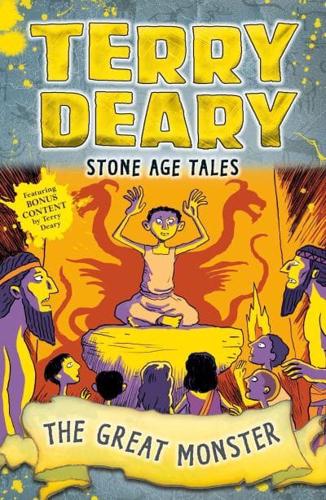
Stone Age Tales: The Great Monster by Terry Deary, illustrated by Stefano Tambellini
Mesopotamia, 2,500 years ago: Sin-leqi prefers staying in the temples reading tablets to joining the other men hunting. Those tablets contain stories of the legendary Gilgamesh, and Sin-leqi discovers that telling them can become an important occupation of its own. Terry Deary builds this short historical tale around evidence from the ancient world, with Stefano Tambellini’s illustrations supporting the setting and action. For 7+ year olds, it turns ancient storytelling and temple culture into an approachable piece of historical fiction.
Early civilisations books for teens
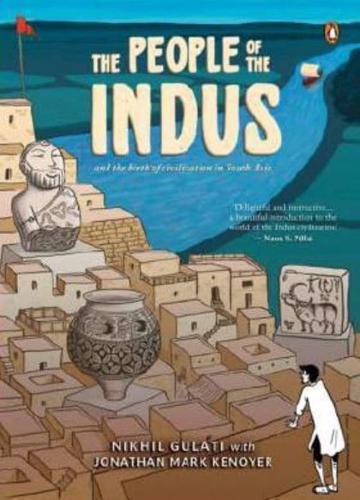
The People of the Indus: A Graphic Narrative on the Rise and Fall of the Harappan Civilization by Nikhil Gulati and Jonathan Mark Kenoyer
Nikhil Gulati and archaeologist Jonathan Mark Kenoyer use graphic storytelling to bring the Indus Civilisation to 13+ year olds. The book combines a narrative of the civilisation with questions about who its people were, how they lived and what may have led to its decline. Its visual approach follows Indus history back to around 3200 BCE and makes archaeological interpretation part of the reading experience. Kenoyer’s archaeological expertise underpins a substantial route into Harappan cities, everyday life and the surviving evidence used to understand them.
Click the buttons below to purchase all of the books in this early civilisations list, as well as class sets of any of these books and many more, from Bookshop.org UK. Or buy all 11 listed titles from Amazon.co.uk – ideal for gifts or your classroom library.
Buy from UK.Bookshop.Org Buy from Amazon.co.uk
Disclosure: If you buy books using the buttons above: we may earn a commission from Bookshop.org, whose fees support independent bookshops; as an Amazon Associate schoolreadinglist.co.uk earns from qualifying purchases.
Schools & teachers: please respect copyright and don’t copy our early civilisations list. If you find our book recommendations useful, please consider sharing on social media or linking to this page instead. Thanks.
Early civilisations resources for teachers
- The Historical Association provides a KS2 scheme of work comparing Ancient Sumer, the Indus Valley, Ancient Egypt and the Shang Dynasty. It explores where and when these civilisations developed, what they had in common, and how to build chronological understanding. The scheme is available to members or through individual purchase.
- Oak National Academy offers six free lessons comparing early civilisations, including Mesopotamian farming, trade, writing, art, religious beliefs and the development of cities. Downloadable slides, worksheets, quizzes and lesson plans are available for Year 3 teachers.
- The British Museum’s Mesopotamia teaching pack includes historical background, activities and worksheets based on archaeological objects. KS2 pupils can investigate the Standard of Ur, cuneiform writing, ancient jewellery and the lives of people in Sumer and neighbouring Mesopotamian civilisations.
- Oak National Academy’s Indus Valley resources include six free lessons exploring Harappa, Mohenjo-daro, city planning, archaeological discoveries and the mysteries surrounding the civilisation’s decline. The activities encourage pupils to distinguish historical evidence from interpretations and unanswered questions.
- The Historical Association’s Indus Valley collection features downloadable teaching materials originally developed by the Commonwealth Institute. Resources include maps, archaeological drawings, background notes and classroom activities covering trade, transport, everyday life, seals, writing and religion. Free website registration is required.
- Oak National Academy’s Shang Dynasty unit examines the tomb of Fu Hao, bronze vessels, jade artefacts, oracle bones and early Chinese writing. Six free lessons, complete with downloadable teaching resources, show pupils how historians and archaeologists investigate ancient China.
- The Oak National Academy Ancient Egypt unit includes six free lessons about the River Nile, Egyptian kingdoms, Tutankhamun’s tomb, the Rosetta Stone, hieroglyphics and burial practices. Activities explore how Egyptian society changed and what remained familiar over 3,000 years.
- The Ashmolean Museum provides downloadable KS2 activities exploring Egyptian hieroglyphs, ancient mathematics and archaeological objects. Teachers can also access gallery trails, zoomable images, interactive puzzles and films about mummification.
- University College London’s Petrie Museum offers free primary school activities covering Egyptian gods and goddesses, everyday life, investigating artefacts and interpreting historical evidence. Downloadable worksheets, quizzes and object-based activities can support classroom learning or a school visit.
- The Historical Association’s Ancient Sumer scheme uses the Standard of Ur to investigate Sumerian society, warfare and celebrations. Three linked enquiries encourage pupils to examine the artefact’s contrasting scenes and consider what a single historical object can reveal. Full access may require membership or payment.
- World History Encyclopedia offers a free downloadable Ancient Egypt teaching bundle containing 21 lesson plans, worksheets, maps, timelines, quizzes and a glossary. Topics include government, trade, religion, everyday life and the relationship between Egypt and Kush. An email address is required for the download.
- The Department for Education’s history curriculum sets out the statutory KS2 requirements for studying the achievements of the earliest civilisations. Teachers can use it to plan an overview of where and when the first civilisations appeared, followed by an in-depth study of Ancient Sumer, the Indus Valley, Ancient Egypt or the Shang Dynasty of Ancient China.
BISAC JNF025020, YAN025020. | Thema YNH.