Combat sports books for children and teens
Children’s and teen books about combat sports include fiction, biography and nonfiction on boxing, wrestling, judo, karate, taekwondo, fencing and more. At their best, they are not about throwing punches. They show what training demands: self-control, respect, persistence and sound judgement. That gives sporty readers a clear way into books, especially those drawn to action, while showing that discipline matters more than brute force. This list features books by María Isabel Sánchez Vegara, James Patterson, Kwame Alexander, Jewell Parker Rhodes, Markus Zusak, Fonda Lee, Robin Ha, Nicola Adams, Ronda Rousey, and C. S. Pacat.
Combat sports themed books for children and teens – our recommendations
Combat sports picture books
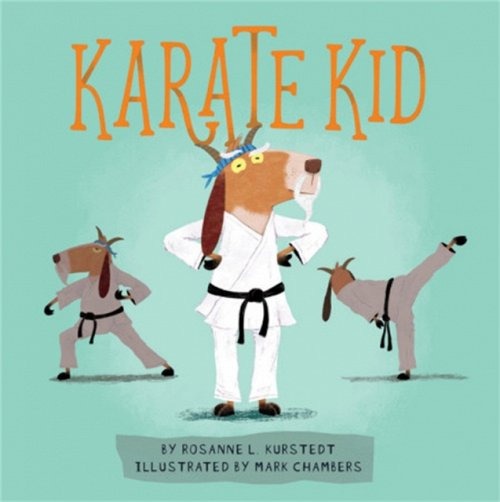
Karate Kid by Rosanne Kurstedt and Mark Chambers
A determined kid goat works through karate stances and movements, learning focus, strength and self-control along the way. Perfect for 4-8 year olds, this cheerful picture book combines simple, measured text with playful illustrations, making it a friendly read-aloud first look at karate for children who like to copy actions as they read.
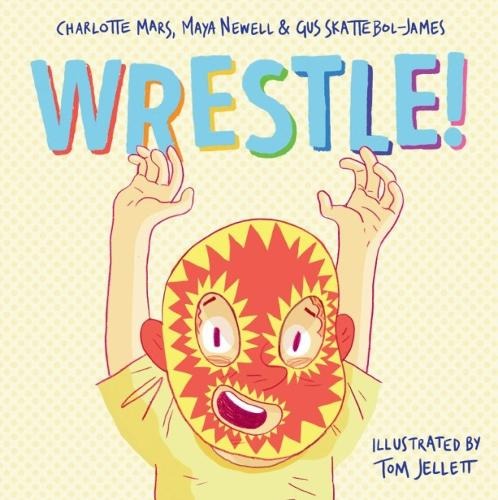
Wrestle! by Charlotte Mars and Gus Skattebol-James Maya Newell
Gus wants to dress as a wrestler for Mardi Gras, but his two mums worry that wrestling means fighting, hurting and trying to look tough. A warm, funny choice for 4+ year olds, this picture book about family, identity and dressing up finds a gentler way for Gus to enjoy his heroes while still being himself.
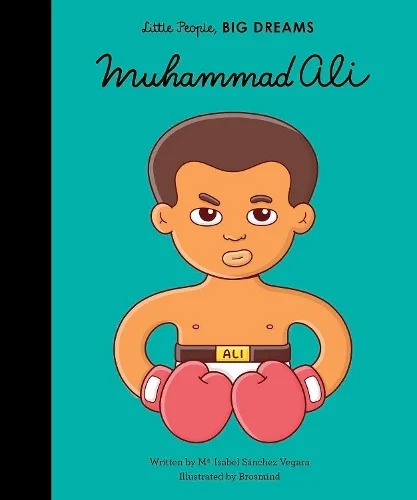
Muhammad Ali by Maria Isabel Sanchez Vegara
A stolen bicycle leads young Cassius Clay to a boxing gym, where training, confidence and quick thinking begin to shape the fighter he becomes. A lively and accessible biography for 4-7 year olds this Little People, BIG DREAMS title introduces Muhammad Ali’s boxing career, his public voice and his stand against injustice, with a timeline and photos at the back.
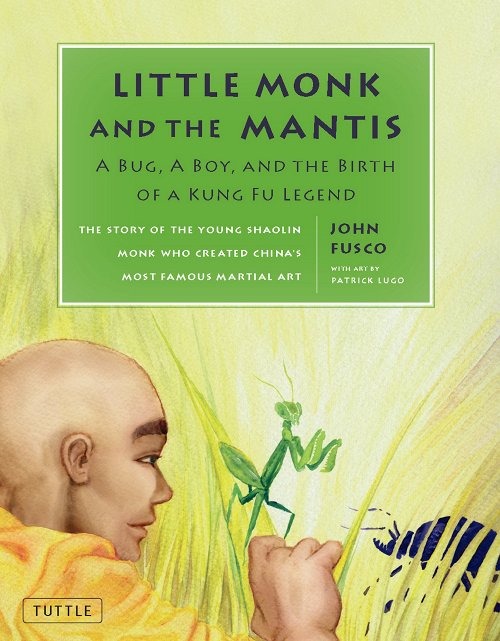
Little Monk and the Mantis by John Fusco and Patrick Lugo
Wong Long is taken in by Shaolin monks but struggles to match the animal-inspired kung fu styles of the other students. Ideal for 4-8 year olds, this richly illustrated cultural story follows the boy as a praying mantis becomes his unexpected teacher, leading him towards self-expression, courage and a new style of martial arts.
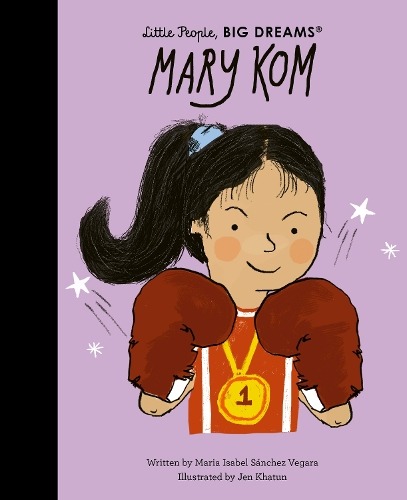
Mary Kom by Maria Isabel Sanchez Vegara and Jen Khatun
When a girl from north-east India discovers boxing she keeps training even when others think the sport is not for girls. A punchy introduction for 6-8 year olds, this Little People, BIG DREAMS biography follows Mary Kom from childhood sport and family hardship to world titles, Olympic success and her own boxing academy.
Champ by Payam Ebrahimi and Reza Dalvand
Born into a family of athletic champions, Abtin doesn’t feel as though he fits in with the other members of his family. He doesn’t want to train to become a sporting hero and instead, he wants to be artistic. Determined to find his way, he thinks he has a solution, a solution which is revealed in a clever and thought-provoking illustrative twist. Themes of individuality, self-acceptance and resilience are explored in this large format book which is ideal for reading with children aged 5-8 and discussing with KS2 classes in PSHE. Written and illustrated by the award-winning Payam Ebrahimi and Reza Dalvand, ‘Champ’ champions all those children who are at odds with the expectations of others and feel apart from their families. It’s a valuable educational tool and a stunningly memorable picture book. Highly recommended.

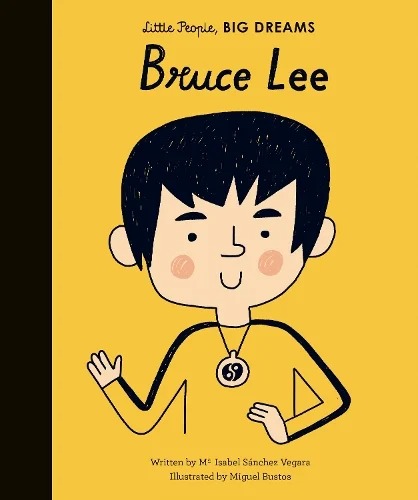
Bruce Lee by Isabel Sanchez Vegara and Miguel Bustos
A child actor in Hong Kong grows into a martial artist and film star whose work changes how action heroes appear on screen. A highly engaging biography for 4-7 year olds, this Little People, BIG DREAMS title introduces Bruce Lee’s early film work, move to America, martial arts skill and fight against Hollywood barriers.
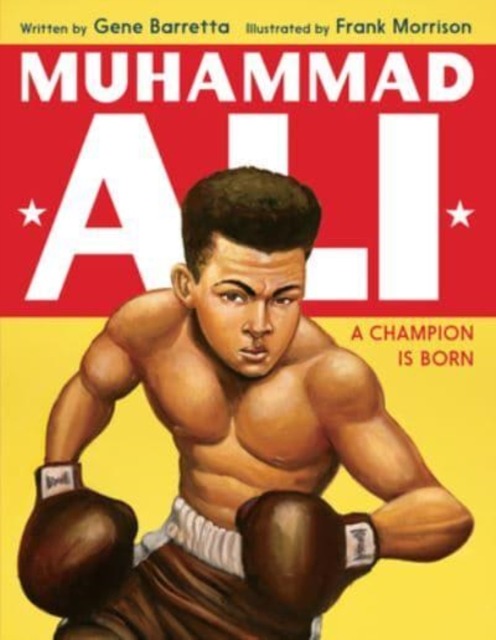
Muhammad Ali: A Champion Is Born by Gene Barretta and Frank Morrison
Twelve-year-old Cassius Clay is furious when his red-and-white bicycle is stolen, but a forward-thinking police officer points him towards boxing instead of revenge. With vivid illustrations, this picture-book biography for 5+ year olds shows how one childhood incident led to training, discipline and the beginning of the path towards Muhammad Ali’s extraordinary career.
Combat sports books for 7-12 year olds
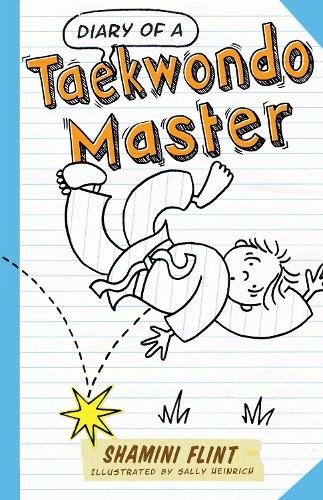
Diary of a Taekwondo Master by Shamini Flint and Sally Heinrich
Marcus Atkinson is a maths whizz, not a natural athlete, but his dad is convinced that taekwondo will reveal hidden sporting brilliance. A funny read for 7+ year olds, this illustrated diary story follows Marcus through kicks, confusion and bruised pride, with plenty of taekwondo details.
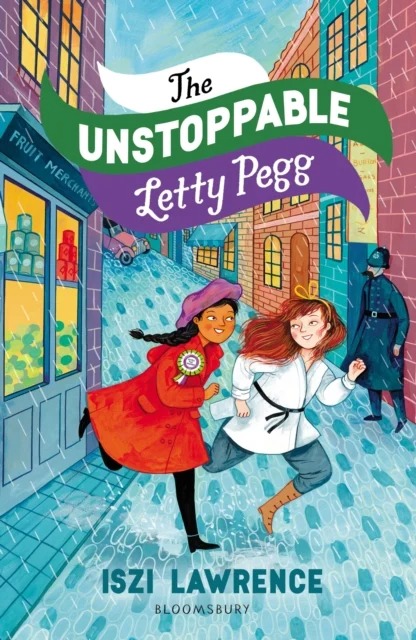
The Unstoppable Letty Pegg by Iszi Lawrence
Lettice Pegg is caught between a suffragette mother, a policeman father and a society determined to keep girls in their place. This spirited historical adventure for 8+ year olds introduces Edith Garrud, jiu-jitsu and the real “jujitsuffragette” movement as Letty discovers a new and powerful way to stand up for herself.
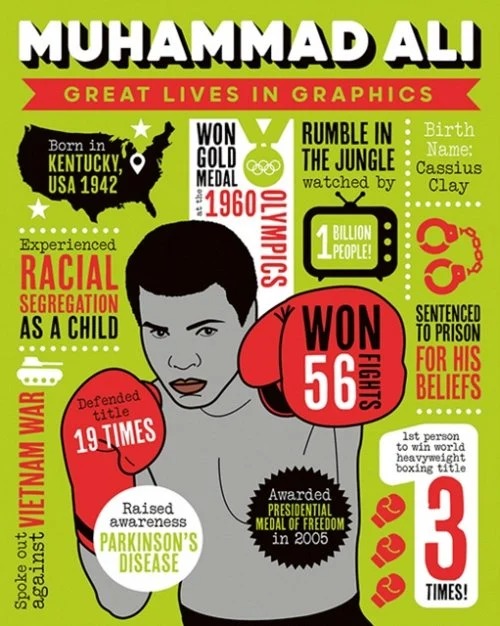
Great Lives in Graphics: Muhammad Ali by Button Books
Timelines, maps, facts and bold infographic spreads turn Muhammad Ali’s extraordinary life into a highly visual biography. A useful non-fiction choice for 8+ year olds, it covers boxing, Olympic gold, the 1974 fight against George Foreman, the Civil Rights era, Ali’s faith and his refusal to fight in the Vietnam War.
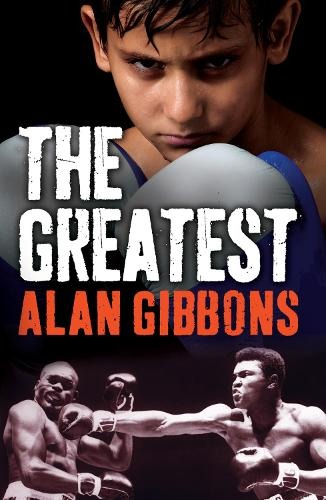
The Greatest by Alan Gibbons
Ali has been picked on by Chris for too long, but the story of Muhammad Ali gives him a way to think about courage, fear and standing up to bullies. A compact 11+ Barrington Stoke read with a reading age of 7, it combines a contemporary and relatable bullying storyline with facts about the boxer who inspires Ali. Perfect for less confident readers in UKS2.
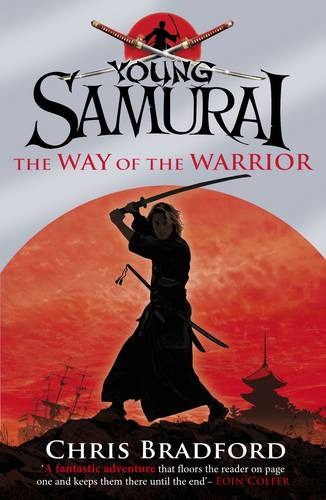
Young Samurai: The Way of the Warrior by Chris Bradford
Shipwrecked in Japan in 1611 after ninja pirates attack his father’s ship, Jack Fletcher is rescued by sword master Masamoto Takeshi and drawn into a world of samurai training. A gripping 11+ adventure, it gives martial arts fans a detailed historical setting, rivalry, school conflict and the demanding code of the warrior.
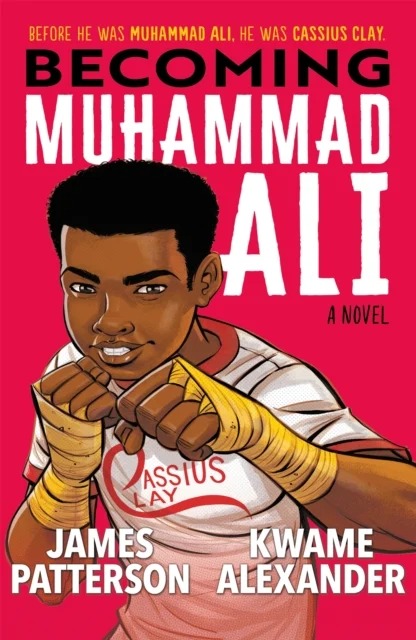
Becoming Muhammad Ali by James Patterson and Kwame Alexander, illustrated by Dawud Anyabwile
Before the championships and the name change, Cassius Clay is a fast-talking boy in segregated Louisville, learning card tricks, playing with friends and discovering boxing after his bike is stolen. A powerful verse-and-prose novel for 10+ year olds, it follows his teenage years, family life, racism and early training with Joe Martin.
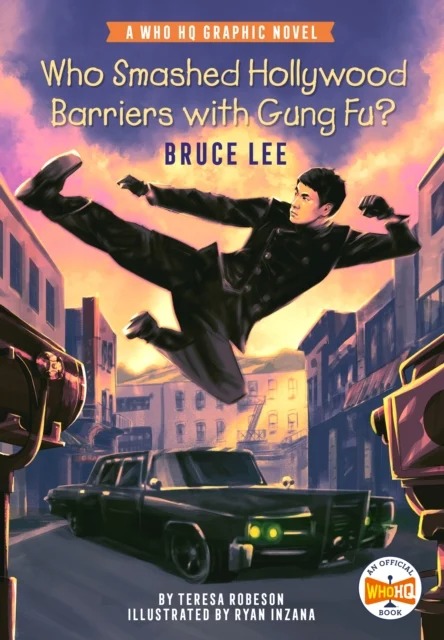
Who Smashed Hollywood Barriers with Gung Fu?: Bruce Lee by Teresa Robeson and Who HQ
Bruce Lee’s role as Kato in The Green Hornet becomes the route into a wider story about martial arts, screen work and barriers for Asian American actors. Ideal for 8-12 year olds, this Who HQ graphic novel uses a fast visual format to show how Lee brought gung fu to a much larger American audience.
Combat sports books for teens
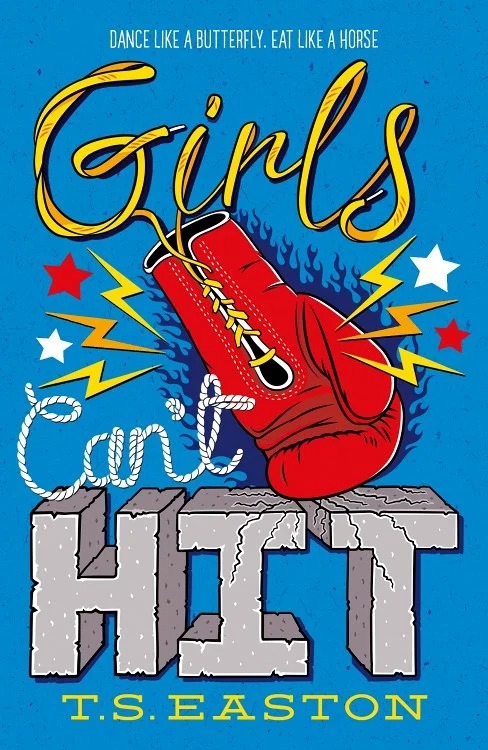
Girls Can’t Hit by Tom Easton
When Fleur joins a boxing club to prove a point, she instead finds that training gives her a focus she has been missing at home and school. A lively read for 13+ year olds, it follows her as friends, family and her boyfriend question her new strength, while Fleur begins to decide what she wants for her own body and life. Highly recommended.
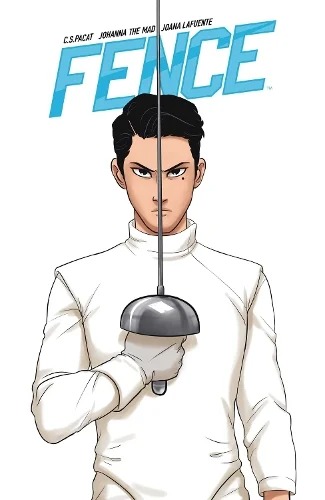
Fence by C.S. Pacat, Johanna the Mad and Rebecca Nalty
This is the first in a series of action-packed graphic novels that features Nicholas Cox, who is determined to be the big new star of the fencing world. That’s until he comes up against his sword-wielding nemesis Seiji and his own half-brother who can seemingly do no wrong. A compelling read.
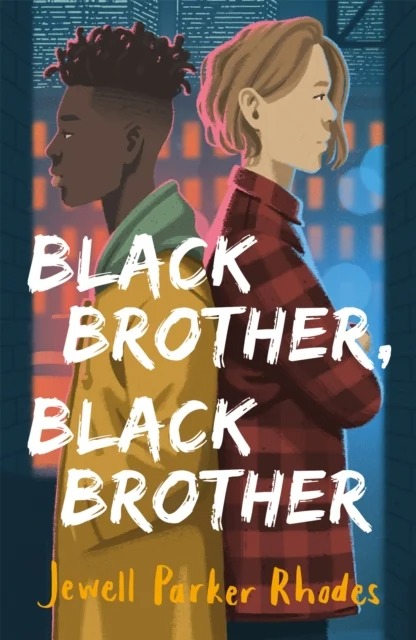
Black Brother, Black Brother by Jewell Parker Rhodes
Donte is one of the few Black boys at Middlefield Prep and is treated very differently from his lighter-skinned brother, Trey. A powerful novel for 8-12 year olds, it follows Donte after bullying and a wrongful arrest push him towards fencing, where a former Olympic fencer helps him train to face the school’s golden boy on his own terms. Gripping and memorable.
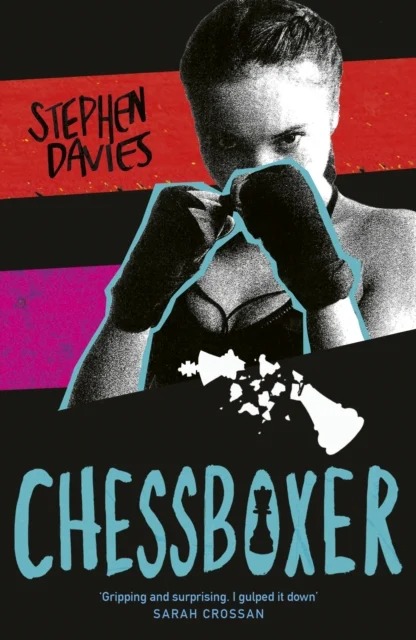
Chessboxer by Stephen Davies
Leah Baxter is a chess prodigy whose next challenge is not just mental but physical: chessboxing, where rounds of chess and boxing alternate until one opponent is beaten on the board or in the ring. A pacey read for 11+ year olds, it mixes sport, strategy and family pressure in a high-concept story for readers who like sheer competition.
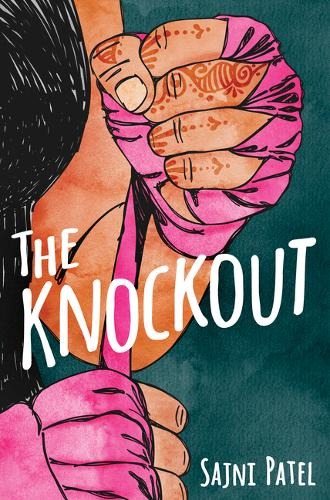
The Knockout by Sajni Patel
Seventeen-year-old Kareena Thakkar has a chance to compete at the US Muay Thai Open, but her sport is treated as too rough, too public and too risky for an Indian American girl with high family expectations to manage. A strong YA romance for 13+ year olds, it balances training, ambition, money worries and first love.
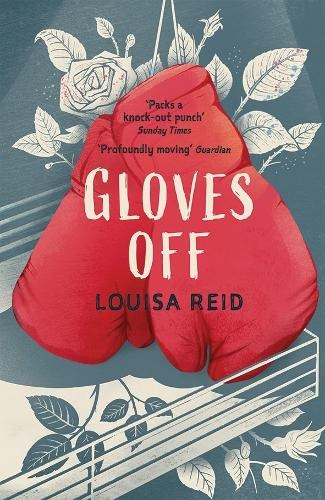
Gloves Off by Louisa Reid
Lily is badly bullied at school and feels trapped between public humiliation and private family worries, until boxing gives her a way to rebuild her sense of worth. Ideas for 13+ readers, this edgy verse novel is direct, emotionally intense and useful for discussion around bullying, body image, friendship and recovery. Highly recommended.
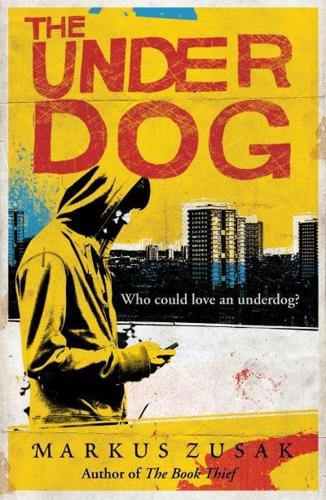
The Underdog by Markus Zusak
Cameron Wolfe and his brother Ruben throw one-handed boxing matches because they only have one pair of gloves, but Cameron’s real fight is with embarrassment, longing and feeling like the boy no one would choose. A gritty and compelling coming-of-age read, it introduces the Wolfe brothers with humour, awkwardness and restless teenage angst. Perfect for 12+ year olds in KS3 and KS4.
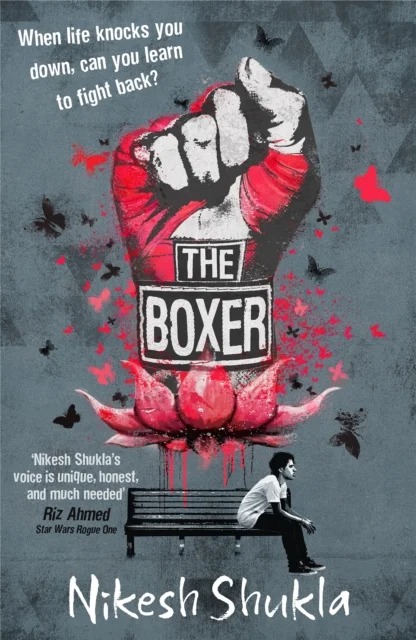
The Boxer by Nikesh Shukla
Sunny is seventeen, isolated in a new city and shaken by a racist attack when he joins a boxing club to learn how to defend himself. A powerful YA novel for 13+ year olds, it unfolds over the ten rounds of his first fight, linking the ring with friendship, belonging, far-right radicalisation and rising tension in Bristol.
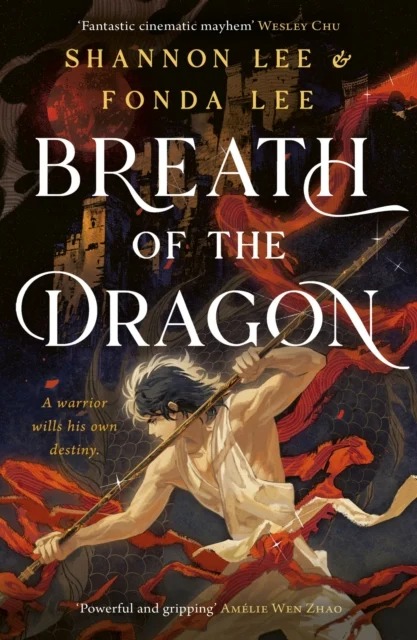
Breath of the Dragon by Fonda Lee and Shannon Lee
Sixteen-year-old Jun is not breathmarked like his twin, but he still dreams of winning the Guardian’s Tournament and proving himself as a warrior. This high-stakes fantasy for 13+ year olds sends him towards the capital, a magical Scroll of Heaven and a martial arts contest that could shape far more than his family’s future.
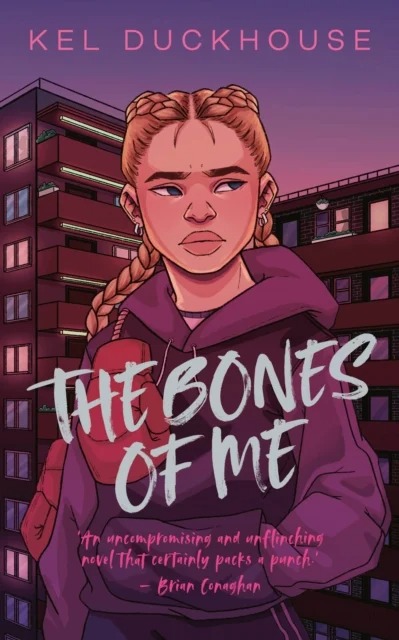
The Bones of Me by Kel Duckhouse
Molly Levine is growing up on an East London estate where boxing is one of the few places she feels she can actually win. A tough-hearted and gritty verse-and-prose novel for 14+ year olds, it follows her after her brother Denny disappears under suspicion of assault, leaving Molly and her friend Kwaku to search for the truth.
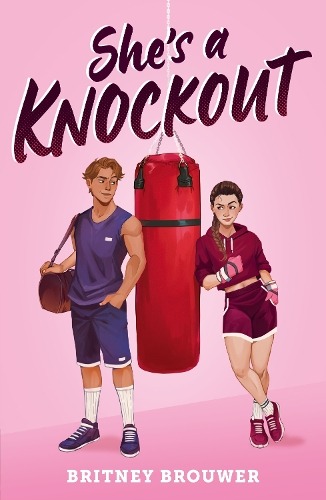
She’s a Knockout by Britney Brouwer
Annie Armani’s life changes after one knockout punch makes her Junior MMA Champion and the focus of a new documentary, but grief, pressure and self-doubt are waiting for her outside the cage. A punchy YA sports romance, it combines high-profile fights, family money worries and a complicated new sparring partner. Ideal for 14+ year olds.
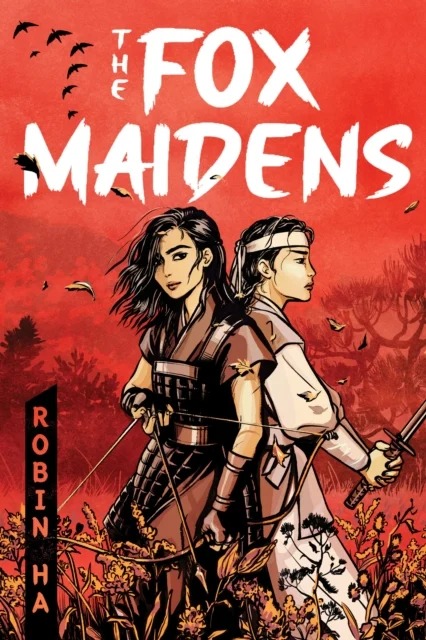
The Fox Maidens by Robin Ha
Kai Song wants to train as a warrior in medieval Korea, but family expectations and the legend of the gumiho pull her towards a different kind of power. A striking and powerful graphic novel for 14+ year olds, it reimagines Korean fox-spirit folklore through queer identity, feminism, martial training and the cost of hiding what you are.
Combat sport books for sixth-formers
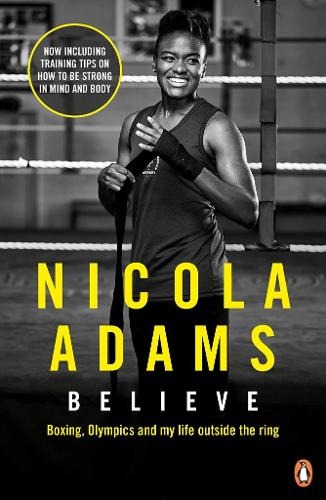
Believe by Nicola Adams
A Leeds girl who began boxing at twelve grows into the first woman to win Olympic boxing gold, then defends her title four years later. A compelling and useful 16+ sports memoir, it covers Nicola Adams’s training, setbacks, public pressure and place in women’s boxing, making it a powerful sixth-form option for students interested in resilience and elite sport.
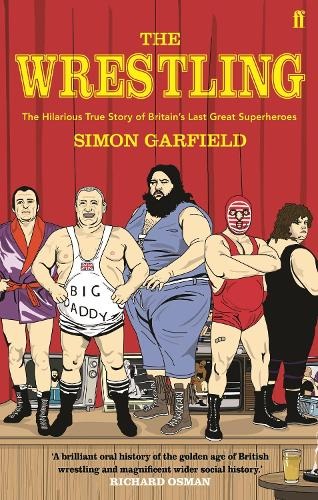
The Wrestling by Simon Garfield
Big Daddy, Giant Haystacks, Kendo Nagasaki, Mick McManus and the old British wrestling circuit are revisited through interviews, rivalries and backstage memories. Ideal for 16+ readers interested in sport and social history, this absorbing oral history explores why televised wrestling held such a place in British popular culture before it disappeared from terrestrial UK TV schedules.
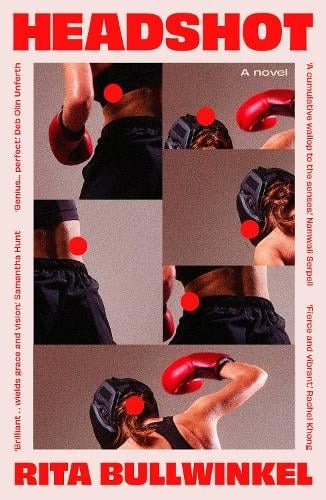
Headshot by Rita Bullwinkel
When eight teenage girl boxers gather in Reno for the Daughters of America Cup, every bout reveals a little more about their psyche, ambitions, histories and futures. A more challenging literary choice for 16+ year olds, this novel uses a tournament structure to examine competition, girlhood, violence and the private and personal intensity behind public athletic performance.
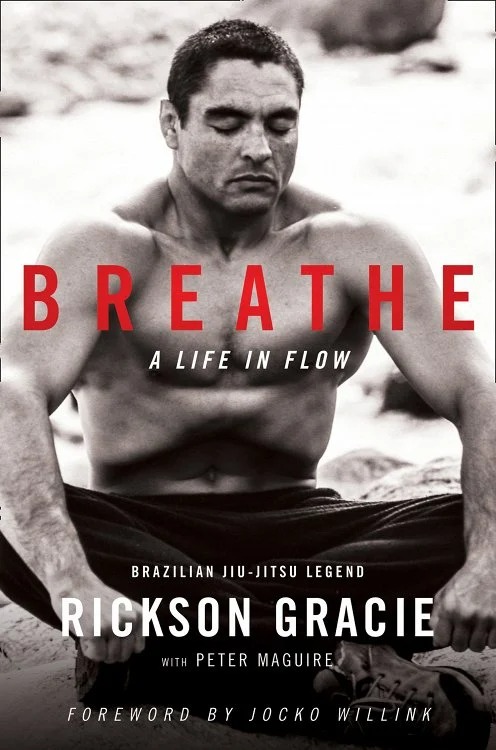
Breathe: A Life in Flow by Rickson Gracie
Brazilian Jiu-Jitsu, the Gracie family dynasty and the early world of Vale Tudo and MMA are seen through Rickson Gracie’s own life and training. Suited to deep thinking 16+ readers, this memoir links fighting, breathing, discipline and family legacy, with just enough combat history to interest serious martial arts students.
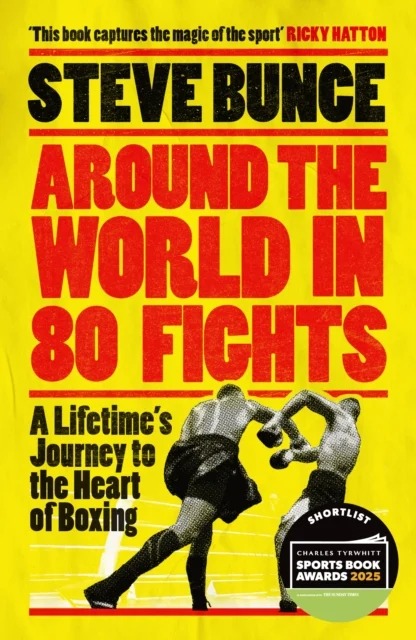
Around the World in 80 Fights by Steve Bunce
Rings in New York, Ghana, Las Vegas, Riyadh, Bethnal Green and Mexico City become stops in a four-decade journey through boxing’s glory, damage and strange backstage life. A vivid and visceral sports read for 17+ year olds, it is best for sixth-formers who want to experience the fight game through reporting, memory and hard-earned ringside knowledge. Highly recommended.
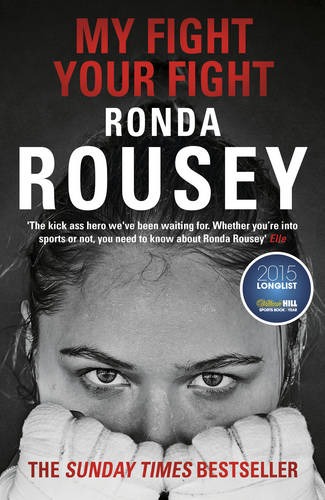
My Fight Your Fight by Ronda Rousey and Maria Burns Ortiz
Judo, family loss, Olympic training, UFC dominance and the pressure of being watched by millions all feed into Ronda Rousey’s account of becoming a fighter. A highly focused memoir, it gives sports students a direct look at elite combat preparation, public expectation and the mental cost of winning.
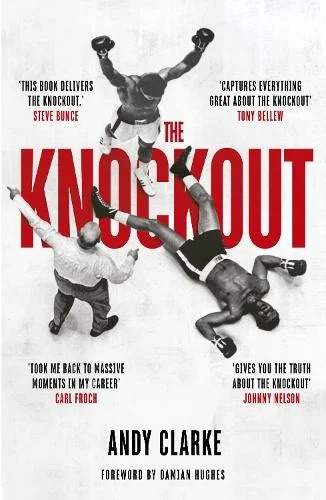
The Knockout: Sport’s Most Decisive Moment by Andy Clarke
A knockout is boxing’s most final moment, and this book asks what really happens before, during and after that sudden ending. A serious and thought-provoking literary non-fiction choice, it explores the science, drama, risk and fascination of the KO, making it useful for considered sixth-form discussion of sport, spectacle and harm.
Click the buttons below to purchase all of the books in this combat sports book list, as well as class sets of any of these books and many more, from Bookshop.org UK. Or buy the 20 most popular titles from this list from Amazon – ideal for gifts or your classroom library.
Buy from UK.Bookshop.Org Buy from Amazon.co.uk
Disclosure: If you buy books using the buttons above: we may earn a commission from Bookshop.org, whose fees support independent bookshops; as an Amazon Associate schoolreadinglist.co.uk earns from qualifying purchases.
Schools & teachers: please respect copyright and don’t copy our combat sports books for children list. If you find our book recommendations useful, please consider sharing on social media or linking to this page instead. Thanks.
Combat sports resources for teachers
- British Taekwondo’s Kick for Change programme is useful for schools that want a structured introduction to taekwondo. It is an in-school 12-week non-contact programme combining taekwondo with reflective classroom activity, and the programme materials include lesson plans, video resources, workbooks, classroom resources and CPD.
- England Boxing’s Boxing Activator course is a practical starting point for PE staff, enrichment leads and community partners. It is a five-hour course for teachers, students aged 16+ and community leaders, focused on non-contact boxing, games, warm-ups, pads, circuit work and session planning, with School Games skill cards to support delivery.
- School Games boxing resources give schools a simple route into boxing-style activity without having to build formats from scratch. The page links to formats such as Box Race, Box Dodge, Box Range and Box Tag, and the related resources include short teacher-led activities such as Range Finder and Nudge Up Boxing for Key Stage 3 and 4.
- British Wrestling’s Wrestle4Fun toolkit is one of the strongest school-entry resources for wrestling. It is designed to help introduce wrestling in schools and to young children, with five developmental stages, 75 lessons in total and more than 200 supporting videos.
- School Games judo formats are helpful for PE departments because they bring together primary and secondary activity cards in one place, including Tig, Turn, Catch the Rabbit, Rumble, Batman and Snatch Grips. For complete beginners, British Judo’s Virtual After School Judo Club adds a non-contact introduction focused on safety, self-control and fundamental movement.
- British Judo’s Sho and Mon grading resources are worth bookmarking if you want a progression model rather than a one-off unit. The Sho materials are aimed at ages 5 to 7, while the Mon scheme is for 8 to 17 year olds, with syllabi and checklists that structure development through play and clear next steps.
- British Judo’s SafeLandings guidance includes a dedicated Judo in Schools protocol linked to Keeping Children Safe in Education and the equivalent home nation guidance. It is especially useful where a school is hosting judo on site and wants a sport-specific safeguarding framework alongside normal school procedures.
- Play Their Way’s karate guidance, developed with English Karate Federation head coach Ady Gray, is a good fit for teachers planning introductory karate sessions. It covers life skills, safety, language, storytelling, child voice and includes a free games resource, so it works well for PE, enrichment and after-school clubs.
- The NSPCC Child Protection in Sport Unit guidance on safeguarding in martial arts should be read before any school books an external provider. It explains the Safeguarding Code in Martial Arts, which recognises clubs and providers in England that have met safeguarding standards across disciplines including judo, karate, kickboxing and mixed martial arts.
- The English Karate Federation’s guide to the Safeguarding Code in Martial Arts is helpful when checking prospective providers, because it explains that the mark is there to help parents and educational establishments identify organisations and instructors working to recognised safeguarding standards.
- For inclusive practice, the English Karate Federation’s Deaf karate guide and Down’s syndrome karate guide offer practical advice on communication, demonstrations, repetition, breaking movements into smaller parts, and grouping pupils by ability where appropriate.
BISAC JUV032170, YAF059030, JNF054030, JNF003090, JNF003150, YAN053030. YOUNG ADULT FICTION | Thema YFR, YNWP, YNNS, SVF