Books about colours for children
From the first discovery that blue and yellow make green to the science of rainbows and the history of pigments, these books about colours for children offer plenty to investigate. Younger children can enjoy picture books about colour mixing, friendship, emotions and individuality. Older children can discover how colour works in nature, art and science, investigate its fascinating history and try practical activities involving paints, light and natural materials. This list features books by Julia Donaldson, David McKee, Leo Lionni, Anna Llenas, Arree Chung, Drew Daywalt, Marion Deuchars, Clive Gifford, Catherine Barr, and Robert Tregoning.
Colour books for children – our recommendations
Colours picture books for 3-7 year olds
The Colour Monster by Anna Llenas
One morning, the Colour Monster wakes up feeling confused. His emotions have become tangled together, and a little girl helps him understand what each one means by connecting feelings to different colours. Happiness, sadness, anger, fear and calmness become easier to recognise as the story progresses. Anna Llenas uses a simple visual idea to make emotions something children can see and discuss. This picture book for 3-4 year olds works particularly well as a starting point for conversations about feelings, emotional vocabulary and the different ways people experience their moods.

Grey by Laura Dockrill and Lauren Child
Grey follows a child who feels emotionally grey in a world full of colour. It’s a thoughtful reminder that all emotions, even the dull or overwhelming ones, deserve attention. Through a heart-warming chat with a parent, the child learns that feelings, like colours, can shift – bright one moment, grey the next – but they’re all part of us. The simple die-cut illustrations, paired with bright colours, perfectly complement this uplifting message of acceptance and unconditional love.

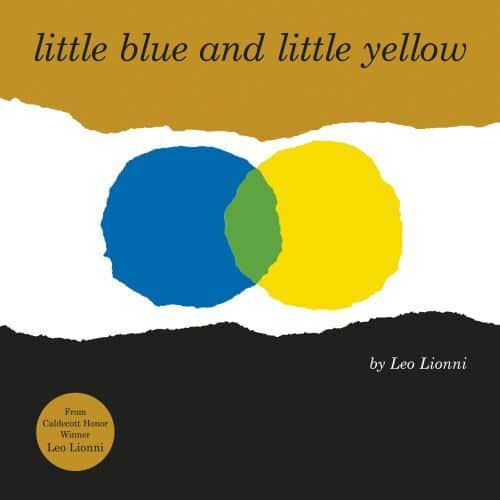
Little Blue and Little Yellow by Leo Lionni
Little Blue and Little Yellow are the best of friends. When they finally find each other after being apart, their enormous hug turns them both green. What happens next introduces the idea of mixing colours through a story about friendship and belonging. Leo Lionni creates his characters from simple pieces of coloured paper, allowing the pictures to carry much of the storytelling. First published in 1959, this distinctive picture book remains an inviting introduction to colour blending, abstract art and the idea that friendship can bring something new into the world.
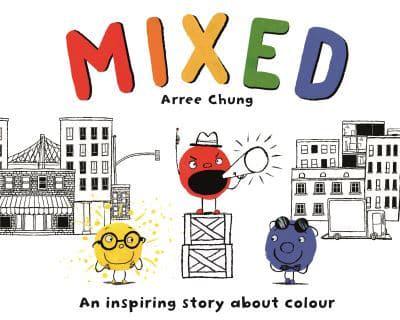
Mixed by Arree Chung
At first, the Reds, Yellows and Blues live happily together. Their differences become a source of disagreement, however, and the colours separate into their own communities. Everything begins to change when a Yellow and a Blue fall in love. Together, they have a child called Green, introducing a new colour and opening up fresh possibilities for everyone. Arree Chung tells this story using expressive coloured characters and a clear visual narrative. For 3-5 year olds, it brings together an early understanding of colour mixing and conversations about friendship, cooperation, diversity and accepting differences.
Colour and Me! by Michaela Dias-Hayes
A joyful introduction to colour mixing that also celebrates the beauty of brown skin. Starting with familiar colours, the book shows how combining different shades creates something new. Brown becomes an especially meaningful colour as the pictures connect an art activity with a child’s sense of identity. Michaela Dias-Hayes brings colour theory into a story that encourages children to appreciate themselves and the variety of colours they see in the people around them.

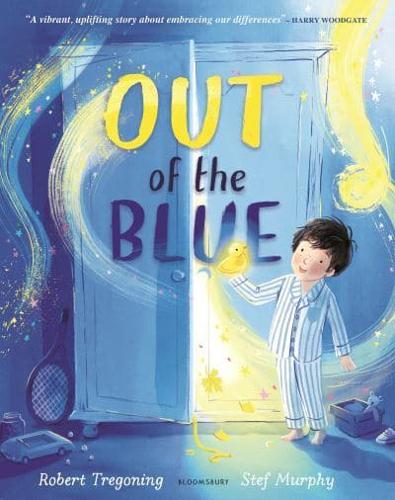
Out of the Blue by Robert Tregoning, illustrated by Stef Murphy
In a world where the government allows only blue, one little boy has a colourful secret: his favourite colour is yellow. Everywhere he looks, the streets, buildings and everyday objects are the same shade of blue. He wonders whether he can tell his dad about the colour he loves. Robert Tregoning’s rhyming story and Stef Murphy’s illustrations use this striking idea to celebrate self-expression and individuality. The growing importance of different colours makes the book especially memorable when discussing personal preferences, diversity and what happens when people feel free to be themselves.
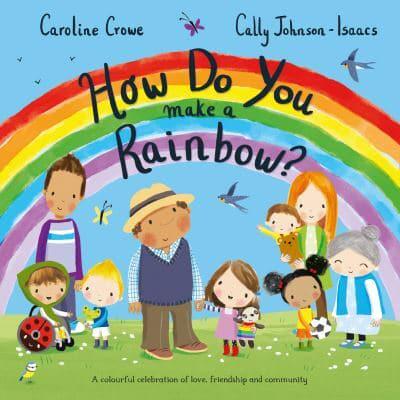
How Do You Make a Rainbow? by Caroline Crowe, illustrated by Cally Johnson-Isaacs
On a gloomy day indoors, a little girl asks her grandad to help her paint a rainbow across the sky. Grandad explains that the brightest colours in life can come from acts of kindness, hope and helping others. The resulting conversation turns the idea of a rainbow into a celebration of family relationships and community. Caroline Crowe’s story combines colourful illustrations with an affectionate exchange between generations. This picture book for 3+ year olds can inspire discussions about kindness, the colours children associate with different feelings and the ways people brighten one another’s days.
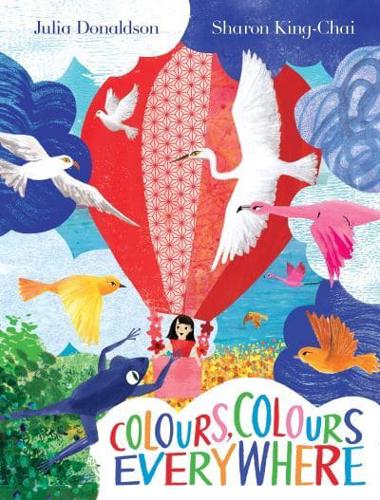
Colours, Colours Everywhere by Julia Donaldson, illustrated by Sharon King-Chai
A little girl sets off on an imaginative painting adventure, accompanied by a bright blue tree frog. Green trees, red hot air balloons and colourful landscapes appear as her journey unfolds. Julia Donaldson’s rhyming text works alongside Sharon King-Chai’s elaborate artwork, which includes flaps and cut-out details to discover. Children can follow the colours through each scene and see how they contribute to an imaginary world. The playful combination of words, pictures and interactive pages makes this a colourful story for 3-6 year olds.
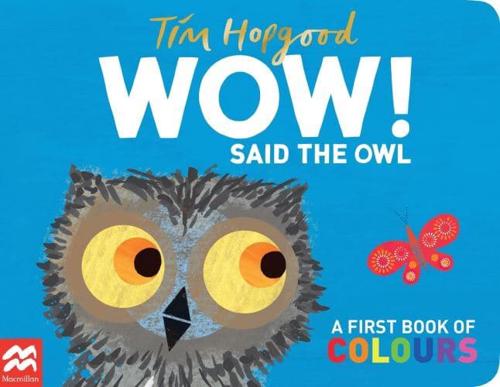
WOW! Said the Owl by Tim Hopgood
A curious little owl decides to remain awake during the day to find out what the world looks like in sunlight. What she discovers is a succession of remarkable colours, including yellow sunshine, green leaves and a magnificent rainbow. Tim Hopgood’s illustrations turn everyday sights into moments of discovery, and the owl’s enthusiastic reactions give the story a cheerful rhythm for reading aloud. Created for 2+ year olds, this picture book encourages children to notice the colours around them.
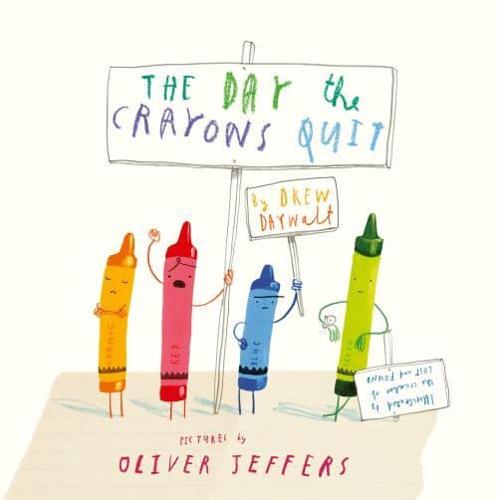
The Day The Crayons Quit by Drew Daywalt, illustrated by Oliver Jeffers
Duncan wants to do some colouring, but his box of crayons contains a surprising collection of letters. The crayons have decided to complain about their working conditions. Blue has been colouring too much water, Pink would like more opportunities and Orange and Yellow are arguing about which one should colour the sun. Drew Daywalt gives every crayon its own personality, while Oliver Jeffers brings the correspondence to life through playful illustrations. The story invites children to reconsider familiar colour associations and experiment with more imaginative ways of using their crayons.
Elmer by David McKee
Elmer lives among a herd of elephants, but his colourful patchwork appearance makes him unmistakably different from the others. One day, he decides to change the way he looks and become the same grey colour as his friends. His adventure leads to a warm celebration of personality, friendship and individuality. David McKee’s bright illustrations give Elmer his distinctive appearance and make colours central to the story’s meaning. This classic picture book for 3-6 year olds offers a natural starting point for patchwork art, colour pattern activities and conversations about what makes everyone unique.

Colours books for children aged 7-12
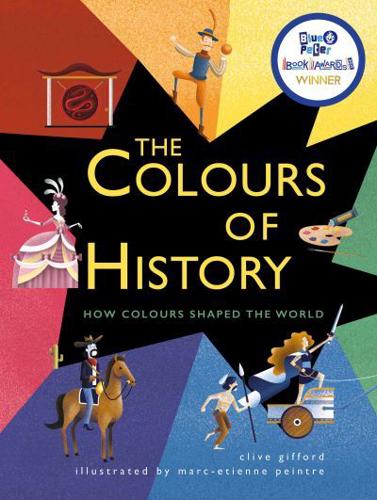
The Colours of History: How Colours Shaped the World by Clive Gifford, illustrated by Marc-Etienne Peintre
Colours have histories of their own, shaped by the materials people discovered, the ways they made pigments and the meanings different societies attached to particular shades. Clive Gifford traces these fascinating connections through an illustrated account of colour across the centuries. Children can investigate how colours became associated with wealth, power, art, fashion and everyday life. The book also introduces the surprising origins of dyes and pigments.
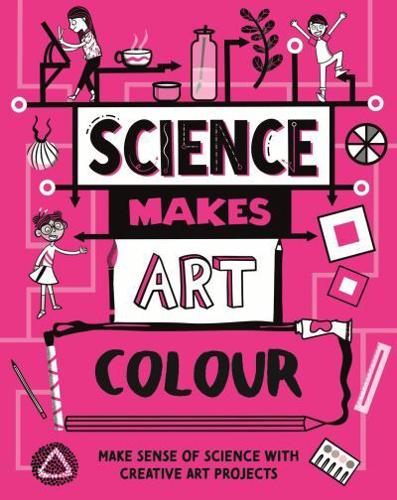
Science Makes Art: Colour by Hilary Devonshire, illustrated by Ali Ardington
Colour becomes something to investigate through experiments and creative projects in this illustrated science activity book. Children learn about light, pigments, colour mixing and the way eyes perceive different wavelengths. They can then put ideas into practice by making rainbow art, colour spinners, leaf collages, camouflage pictures and tie-dye creations using everyday materials. The combination of short explanations and practical activities encourages children to approach art as an investigation. Perfect for 8+ year olds.
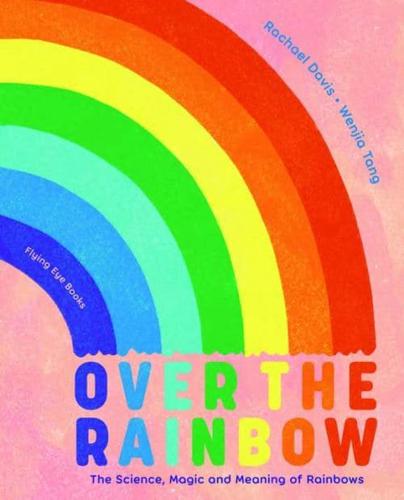
Over the Rainbow: The Science, Magic and Meaning of Rainbows by Rachael Davis, illustrated by Wenjia Tang
What creates a rainbow, and why have people found rainbows so fascinating throughout history? Rachael Davis brings together scientific explanations, cultural stories and the many meanings attached to this remarkable natural phenomenon. Wenjia Tang’s illustrations accompany information about how rainbows form, the different ways they appear in nature and their place in mythology, literature and modern culture. Rainbows also appear as symbols of hope, acceptance and pride. Ideal for 7+ year olds, this beautifully illustrated non-fiction book connects the science of light with art, storytelling and human experience.
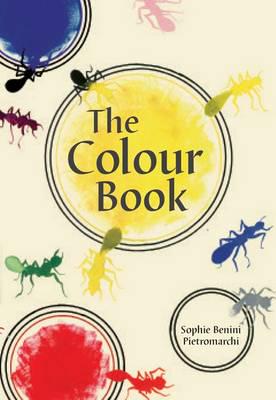
The Colour Book by Sophie Benini Pietromarchi
Artist and educator Sophie Benini Pietromarchi invites children to get to know colours through play, observation and artistic experimentation. Her distinctive collage illustrations introduce ideas about how colours make people feel, the memories they can evoke and the relationships between different shades. Practical suggestions include exploring colour mixing and creating a personal colour diary. The book approaches colour as something children can investigate for themselves, using their own experiences and creative decisions. Its unusual combination of artistic reflection and activities encourages an individual response to colour and the world around us.
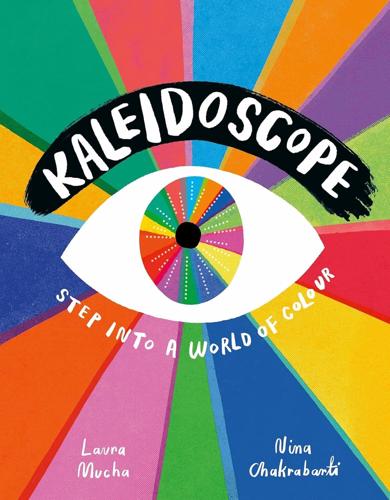
Kaleidoscope: Step into a World of Colour by Laura Mucha, illustrated by Nina Chakrabarti
Why has purple been associated with royalty? What gives some red foods their colour, and how have certain pigments become part of surprising historical stories? Laura Mucha investigates these questions while introducing the science, history and cultural significance of colours. Nina Chakrabarti’s intricate illustrations create a lively visual setting for facts about the ways we see, make and interpret different shades. The book encourages 7+ year olds to look beyond the familiar colours of everyday objects and discover the stories behind them, from scientific discoveries to changing traditions and artistic practices.
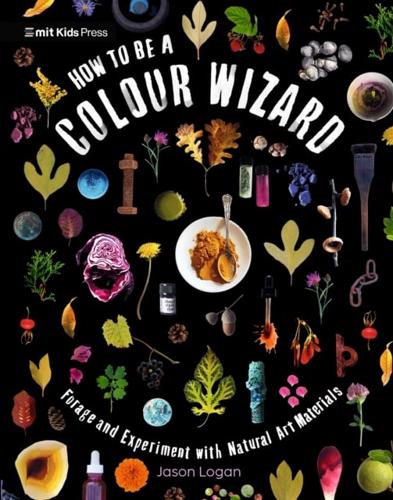
How to Be a Colour Wizard: Forage and Experiment with Natural Art Materials by Jason Logan
The natural world is full of materials that can be transformed into colourful inks and paints. Artist and ink maker Jason Logan shows children how to forage for suitable ingredients, investigate their properties and experiment with creating their own art materials. Photographs and illustrations made using homemade inks accompany an imaginative collection of recipes and experiments. Science and art come together as children discover connections between natural substances and the colours they produce. Perfect for 9-12 year olds, this practical book encourages close observation of nature and inventive artistic exploration.
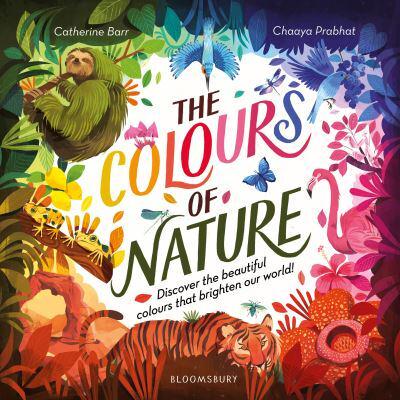
Colours of Nature by Catherine Barr, illustrated by Chaaya Prabhat
Nature contains an extraordinary range of colours, from familiar plants and animals to remarkable phenomena across the planet. Catherine Barr gathers fascinating facts about these shades, including the surprising structure of rainbows and an unusual lizard with green bones. Different colours provide a route through the natural world, encouraging children to look carefully at details that might otherwise go unnoticed. Chaaya Prabhat’s vibrant illustrations bring the information together across striking spreads. This illustrated non-fiction book is particularly appealing for investigations into biodiversity, animal adaptations, natural phenomena and the science of colour.
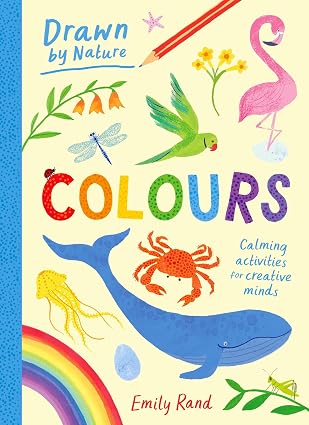
Drawn By Nature: Colours by Emily Rand
A colouring and doodling activity book inspired by the remarkable shades found in the natural world. Emily Rand draws attention to details such as the vivid green feathers of ring-necked parakeets, the orange of clownfish and the reds and pinks of a sunset. Children can add colour and further details to the illustrations, creating their own responses to plants, animals and landscapes. The activities combine art with close observation and offer opportunities for quiet, thoughtful creative work.
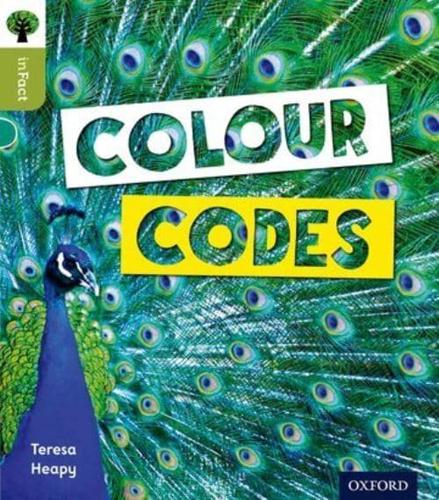
Colour Codes by Teresa Heapy
Why are some animals brightly coloured, and how can a particular shade communicate an important message? Teresa Heapy investigates the ways plants and animals use colour to attract attention, signal danger and interact with the world around them. Part of Oxford Reading Tree’s inFact non-fiction reading programme, this short illustrated book brings a scientific subject into a structured reading format. It gives children an opportunity to develop their information-reading skills while learning about colour in nature.
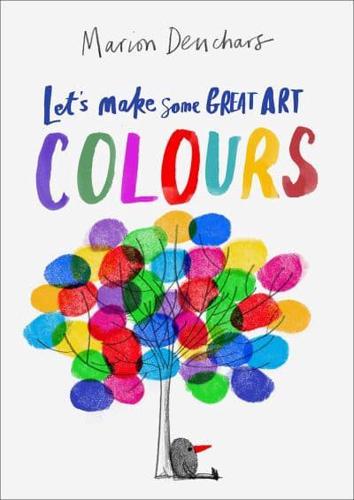
Let’s Make Some Great Art: Colours by Marion Deuchars
British illustrator Marion Deuchars introduces children to colour through a lively collection of drawing, painting and craft activities. Fingerprint art, collage, colouring and different ways of working with paint give children opportunities to experiment with colour combinations and develop their own pictures. The activities encourage curiosity about how colours work together and what happens when artistic techniques are changed. With plenty of space for creative decisions, this practical book brings colour theory into children’s own artwork. It can support independent art projects and group investigations involving materials, shapes, patterns and colour mixing.
Click the buttons below to purchase all of the books in this colours list, as well as class sets of any of these books and many more, from Bookshop.org UK. Or buy all 20 books from this list from Amazon – ideal for gifts or your classroom library.
Buy from UK.Bookshop.Org Buy from Amazon.co.ukDisclosure: If you buy books using the buttons above: we may earn a commission from Bookshop.org, whose fees support independent bookshops; as an Amazon Associate schoolreadinglist.co.uk earns from qualifying purchases.
Schools & teachers: please respect copyright and don’t copy our books about colours list. If you find our book recommendations useful, please consider sharing on social media or linking to this page instead. Thanks.
Colours resources for teachers
- AccessArt’s EYFS colour resources include sensory activities, collecting and arranging coloured objects, wax crayon rubbings, painting, printing and mark-making. The activities encourage children to explore colour through play, observation and experimentation.
- The British Council’s LearnEnglish Kids website offers free colour-themed flashcards, printable worksheets, vocabulary games, songs and animated stories. These resources are particularly useful for EYFS, KS1 and pupils learning English as an additional language.
- Oak National Academy provides a six-lesson Year 1 art unit exploring primary and secondary colours, brush control, colour mixing and seasonal painting. Pupils experiment with different techniques before creating artwork inspired by the changing seasons.
- AccessArt’s colour wheel activity offers practical guidance for teaching Reception and primary-aged children to mix primary colours and create secondary colours. It includes advice on equipment, demonstrations, experimenting with paint and adapting the activity for different ages.
- Kapow Primary has developed a Year 2 painting and mixed media unit covering primary and secondary colours, mixing paint, experimenting with brushstrokes and applying colour theory to artwork inspired by artists. The unit includes lesson outlines, learning objectives and assessment guidance.
- The AccessArt colour theory guide explains primary, secondary and tertiary colours alongside colour wheels, complementary colours, hues, saturation, tints, tones and shades. It provides useful background knowledge for teachers planning art lessons across KS1, KS2 and KS3.
- The Royal Horticultural Society offers a curriculum-linked outdoor learning activity exploring colours in plants and gardens. Children collect natural materials, create rainbow displays, match colours found in nature and produce artwork inspired by artists including William Morris, Gustav Klimt and Georges Seurat.
- Teach Primary suggests classroom art activities involving colour wheel collages, contrasting and harmonising colours, colour and emotion, limited palettes and analysing the colours used in artworks, packaging and everyday objects.
- Science Sparks explains how to investigate colour mixing using water, food colouring and pipettes. Children can experiment with primary, secondary and tertiary colours, investigate different shades and practise predicting and recording the results of their experiments.
- The Royal Horticultural Society’s walking water experiment combines colour mixing with primary science. Pupils use coloured water, clear containers and kitchen paper to investigate capillary action, predict how water will move and observe what happens when different colours meet.
- National Geographic Kids provides a downloadable primary science resource exploring light, colour, reflection, refraction and rainbows. Illustrated explanations and accompanying classroom activity suggestions support teaching about how light behaves and why objects appear different colours.
- For KS3 science, Oak National Academy’s Seeing in Colour lesson includes downloadable slides, worksheets, quizzes and a teaching video. Pupils explore the primary colours of light, additive colour mixing, the structure of the retina and how digital screens produce different colours.
- STEM Learning hosts a research-informed secondary science lesson about light and colour, developed through the Research-2-Practice project. It uses practical activities and the historical context of Isaac Newton’s work to challenge misconceptions about why objects appear different colours under different lighting conditions.
- For GCSE science, Oak National Academy offers a lesson exploring visible light, wavelengths, the colour spectrum, prisms, reflection and coloured filters. Downloadable teaching slides, worksheets and quizzes help pupils understand why coloured light behaves differently from mixed paints.
BISAC JUV009020, JNF013020, JNF006070. | Thema YBLD, YBCS, YBGC.