Plastic pollution books for children and teens
Plastic pollution books for children and teens can help explain how everyday packaging finds its way into rivers, seas and wildlife habitats. Stories about turtles, seals and inventive young campaigners sit alongside illustrated science, practical activity books and secondary-school non-fiction about recycling and environmental action. These recommendations offer starting points for reading aloud, independent enquiry, geography, science, PSHE and school eco-projects, from the first years of primary school to teenagers investigating the wider consequences of waste. This list features books by Sarah Roberts, M. G. Leonard, Neal Layton, Nathan Bryon, Jess French, Isabel Thomas, Elizabeth Laird, Dougie Poynter, Hannah Testa, and Cathryn Berger Kaye.
Plastic pollution books for children and teens – our recommendations
Plastic pollution picture books for 3-7 year olds
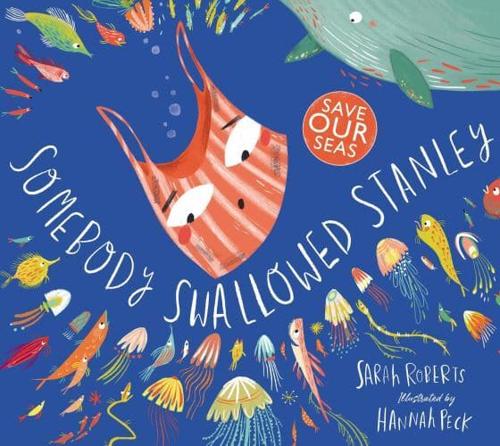
Somebody Swallowed Stanley by Sarah Roberts, illustrated by Hannah Peck
Stanley looks rather like a jellyfish, which is unfortunate when there are so many hungry creatures in the sea. But jellyfish don’t have handles, and Stanley is, in fact, a plastic bag. Sarah Roberts’ rhythmic storytelling and Hannah Peck’s expressive illustrations make this an absorbing read-aloud for 3+ year olds, who will enjoy spotting Stanley as he drifts from one encounter to the next. A clever and memorable introduction to the dangers of ocean plastic.
Small Steps, Big Change by Annemarie Cool
Meet Curiosity Hero, Water Hero and Sharing Hero, just some of the colourful characters who encourage children to make small but worthwhile changes to their everyday lives. Inspired by the United Nations Sustainable Development Goals, Annemarie Cool’s picture book introduces 14 practical ways to look after our planet and one another. From cutting down on plastic to saving energy and protecting the oceans, there are plenty of achievable challenges for 5-8 year olds to try at home and school. Highly recommended for KS1.

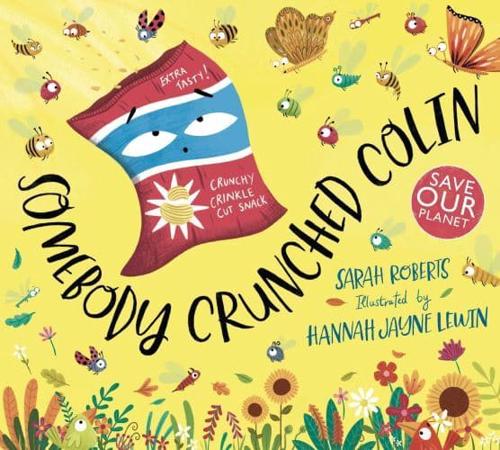
Somebody Crunched Colin by Sarah Roberts, illustrated by Hannah Jayne Lewin
Colin might look and smell enticing to the animals who discover him, but flowers don’t usually rustle and crackle quite like this. Colin is an empty crisp packet, and the inquisitive creatures who mistake him for something edible are in for a nasty surprise. With playful illustrations by Hannah Jayne Lewin, Sarah Roberts brings an all-too-familiar piece of litter to life. Children will enjoy following Colin’s adventures while discovering why something as seemingly insignificant as a discarded crisp packet can pose such a danger to wildlife.
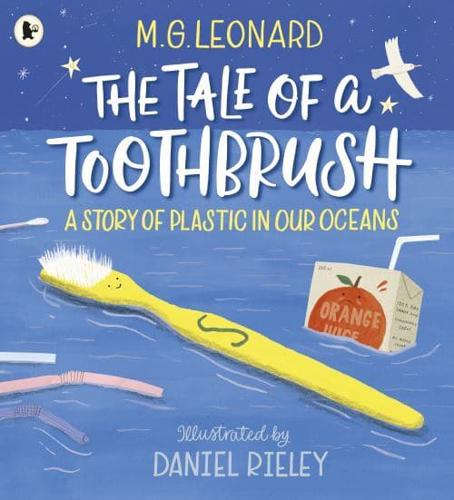
The Tale of a Toothbrush: A Story of Plastic in Our Oceans by M. G. Leonard, illustrated by Daniel Rieley
What adventures might your toothbrush have after you’ve thrown it away? M. G. Leonard follows the fortunes of a discarded toothbrush in a world populated by plastic bottles, shampoo containers and even an inquisitive albatross. Daniel Rieley’s characterful illustrations bring these familiar bathroom objects to life in an imaginative adventure that will appeal to 3-9 year olds. It’s a thought-provoking story about the things we use for a little while and throw away, only for them to remain in the environment for years.
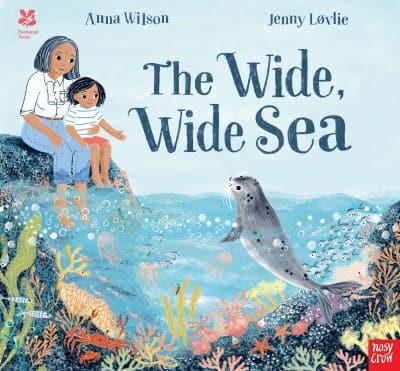
National Trust: The Wide, Wide Sea by Anna Wilson, illustrated by Jenny Løvlie
A trip to the seaside with her grandmother becomes particularly magical for a young child when she encounters a seal. But when a storm washes rubbish onto the beach, the pair discover a very different side to the shore they love and join their community in clearing it up. Anna Wilson’s lyrical storytelling and Jenny Løvlie’s beautiful coastal scenes capture the pleasure of discovering wildlife by the sea. An evocative picture book to share with children aged 3 and upwards, particularly before a trip to the coast.
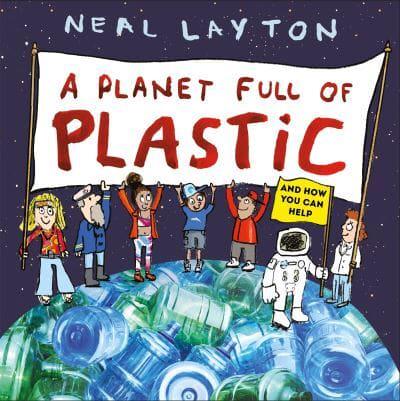
A Planet Full of Plastic: And How You Can Help by Neal Layton
From the toys in our bedrooms to the packaging around our food, plastic is everywhere. But where does it come from, and why doesn’t it simply disappear when we’ve finished with it? Neal Layton’s inventive collage illustrations and accessible explanations make the science behind plastic pollution fascinating for 4-7 year olds. Packed with practical ideas for reducing waste, recycling and cleaning up beaches, this illustrated non-fiction book is an excellent starting point for a primary school project on plastic.
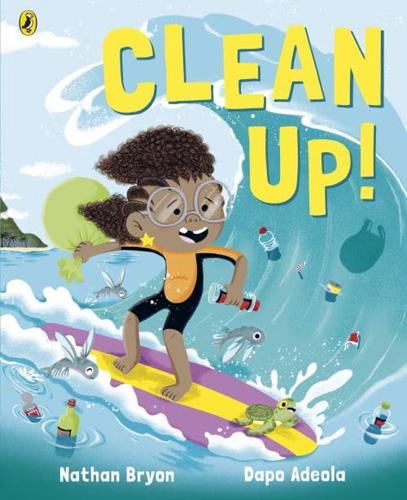
Clean Up! by Nathan Bryon, illustrated by Dapo Adeola
Rocket is off to the Caribbean to visit her grandparents, but her holiday takes an unexpected turn when she discovers how much plastic is littering the beach and endangering its wildlife. Never one to stand by when there’s something to be done, Rocket rallies the people around her to help clean up the shoreline. Dapo Adeola’s vibrant illustrations are bursting with life, and Rocket’s infectious enthusiasm makes Nathan Bryon’s picture book a joy to read aloud. An uplifting choice for inspiring a school litter-picking campaign.
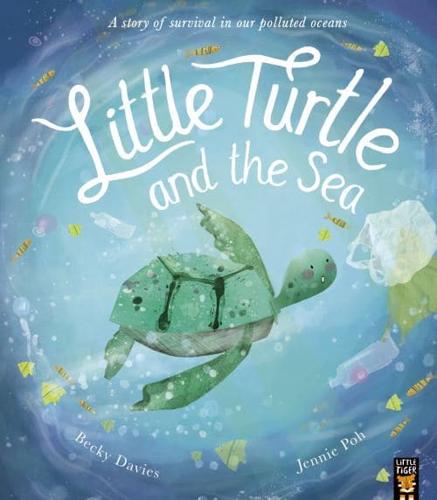
Little Turtle and the Sea by Becky Davies, illustrated by Jennie Poh
Little Turtle loves exploring the ocean, swimming through its colourful coral reefs and returning to familiar waters. But over the course of her travels, the underwater world she knows so well begins to change as more and more plastic finds its way into the sea. Jennie Poh’s striking illustrations draw children into Little Turtle’s world, capturing both the beauty of her surroundings and the dangers she encounters. It’s a moving picture book for 3-6 year olds with an interest in marine life.
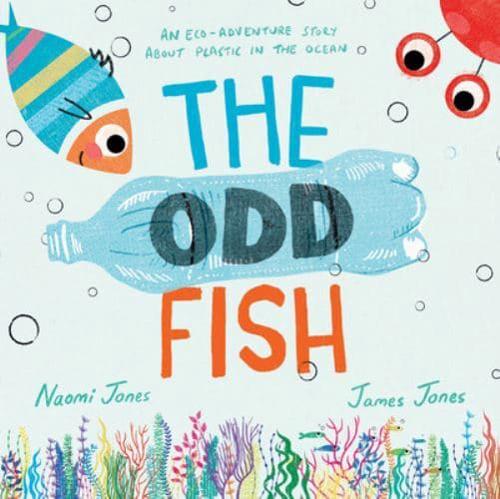
The Odd Fish by Naomi Jones, illustrated by James Jones
When Little Fish and her family come across a peculiar-looking fish, they decide to help their new acquaintance find its family. Their search leads them to a turtle with a tummy ache and an octopus whose tentacles have become tangled. Eagle-eyed children studying James Jones’ illustrations may work out what’s happening long before Little Fish does. The mysterious newcomer isn’t a fish at all, but a piece of plastic. Naomi Jones’ inventive underwater mystery is complemented by factual pages exploring how children can help protect ocean wildlife.
Plastic pollution books for children aged 7-12
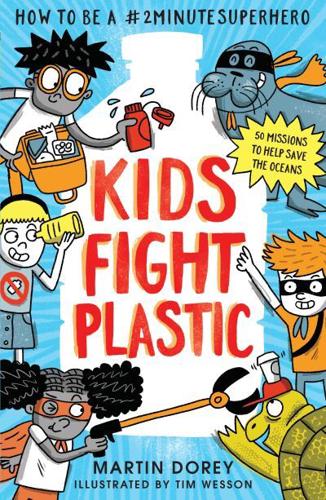
Kids Fight Plastic: How to be a #2minutesuperhero by Martin Dorey, illustrated by Tim Wesson
How much difference can you make in just two minutes? Beach-cleaning campaigner Martin Dorey sets young environmentalists fifty missions to help tackle plastic pollution, with challenges to complete at home, at school and out and about. Tim Wesson’s lively illustrations complement Dorey’s practical, hands-on approach, making this an inspiring handbook for 7-11 year olds who want to do something about the plastic littering their local environment. An excellent resource for primary school eco-clubs.
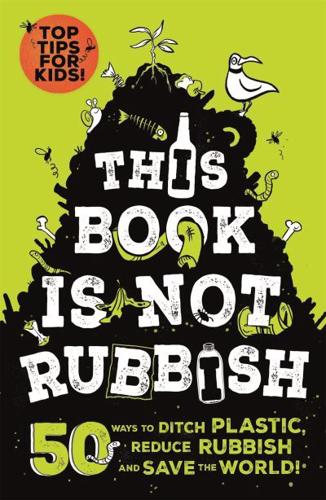
This Book is Not Rubbish: 50 Ways to Ditch Plastic, Reduce Rubbish and Save the World! by Isabel Thomas, illustrated by Alex Paterson
What’s so bad about glitter, and can a piece of artwork help fight pollution? Isabel Thomas challenges children to rethink everyday habits with fifty imaginative ways to reduce waste and protect the environment. Illustrated by Alex Paterson, this engaging handbook is full of intriguing ideas for budding environmental campaigners aged 8 and upwards. There’s plenty here for children to experiment with independently, as well as inspiration for junior school pupils keen to persuade their classmates to cut down on plastic.
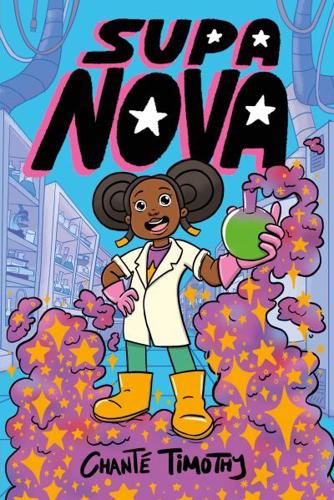
Supa Nova by Chanté Timothy
Nova is a brilliant young scientist who believes science can tackle even the biggest problems. Horrified by plastic pollution and the rubbish accumulating in the world’s oceans, she invents a creature capable of eating plastic. Unfortunately, her solution develops into a rapidly growing monster rampaging through the city, leaving Nova to work out how to stop her own invention. Chanté Timothy’s bright full-colour graphic novel gives 8 year olds a funny science-fuelled adventure that mixes environmental concerns, experiments, problem-solving and the consequences of an ingenious idea getting spectacularly out of control.
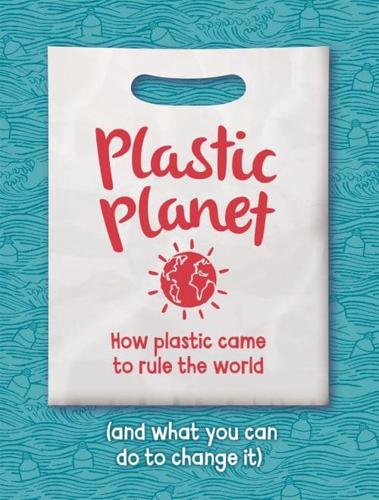
Plastic Planet: How Plastic Came to Rule the World (and What You Can Do to Change It) by Georgia Amson-Bradshaw
How did plastic become such an indispensable part of our lives, and can we afford to keep using it in the same way? Georgia Amson-Bradshaw explores the origins of this remarkably versatile material before investigating the environmental and social consequences of our dependence on it. With a combination of scientific explanations, global perspectives and emerging solutions, there’s plenty here to challenge inquisitive readers aged 8 and upwards. Particularly interesting are the connections between plastic production, climate change and social inequality.
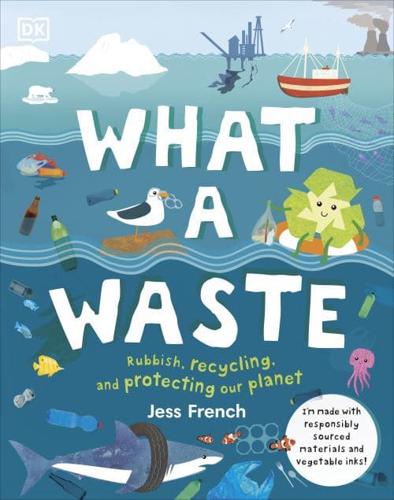
What a Waste: Rubbish, Recycling, and Protecting Our Planet by Jess French
What really happens to the things we throw in the bin? Jess French takes children behind the scenes of our throwaway society, exploring everything from discarded packaging to pollution in the natural world. Colourful illustrations, photographs and bite-sized explanations make this a particularly appealing book for curious 7-9 year olds who enjoy dipping into non-fiction. There’s plenty to discover about recycling, the consequences of everyday waste and how we can change our habits.
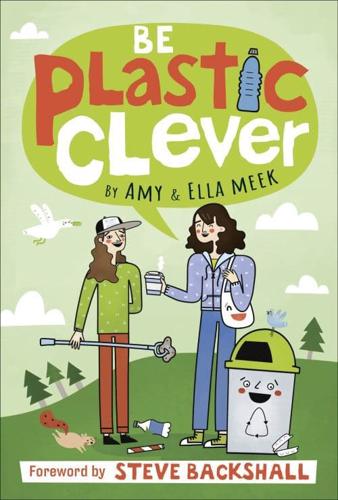
Be Plastic Clever by DK, Amy Meek and Ella Meek
When sisters Amy and Ella Meek decided to tackle plastic pollution, they founded Kids Against Plastic and demonstrated just how much young campaigners can achieve. Drawing on their own experiences, they explain why single-use plastics are such a problem and how children can persuade others to change their habits. As well as practical advice on cutting down on plastic, there’s guidance on approaching organisations and getting a campaign off the ground. A particularly useful book for school eco-committees with ambitious ideas.
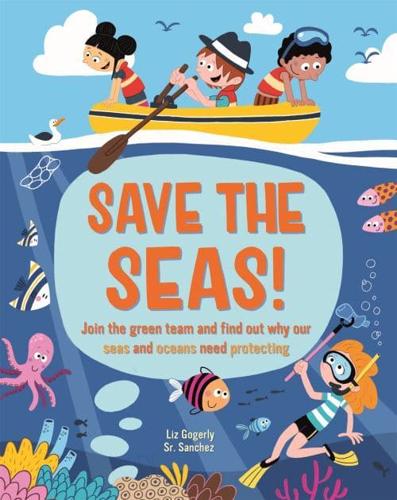
Save the Seas by Liz Gogerly, illustrated by Sr. Sanchez
A flip-flop, a toothbrush and a collection of discarded bottles and straws are among the unexpected discoveries four friends make on a trip to the beach. Curious about how all this rubbish ended up there, they begin investigating the extraordinary world beneath the waves. Liz Gogerly combines their discoveries with fascinating facts about tides, marine food chains and ocean wildlife. With illustrations by Sr. Sanchez and practical activities for children aged 7 and upwards, this is an appealing combination of storytelling, science and environmental discovery.
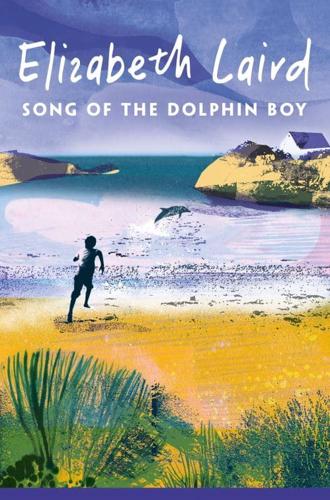
Song of the Dolphin Boy by Elizabeth Laird, illustrated by Peter Bailey
Finn has always felt like an outsider in the Scottish fishing village of Stromhead, but an extraordinary encounter with dolphins gives him a newfound love of the sea. When rubbish in the water threatens his beloved dolphins and a mass balloon release is planned, Finn knows he must do something to stop it. Can he persuade the other children to help? Elizabeth Laird skilfully weaves Scottish folklore and an urgent environmental concern into a touching adventure about friendship and belonging. This 2024 paperback edition includes a letter from the author and reading group discussion material.
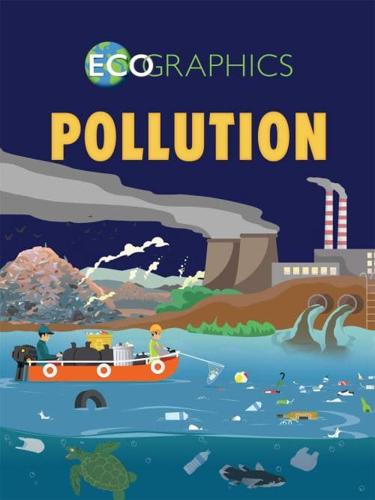
Ecographics: Pollution by Izzi Howell
How does pollution spread through our oceans, atmosphere and soil, and how can we measure its effects? Izzi Howell brings the scale of environmental pollution into sharp focus through photographs, infographics, statistics and case studies from around the world. The visual presentation is particularly well suited to readers aged 9 and upwards who enjoy exploring facts and figures. By placing ocean plastic alongside other forms of pollution, the book offers plenty of scope for comparison and independent research in geography and science lessons.
Plastic pollution books for teens
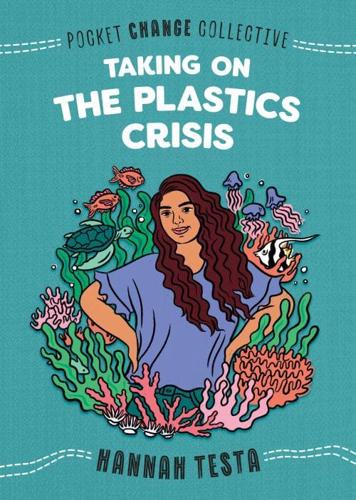
Taking on the Plastics Crisis by Hannah Testa, illustrated by Ash Kwak Lukashevsky
Hannah Testa’s account of her fight against single-use plastics offers a fascinating insight into what happens when a young environmentalist takes her concerns to businesses and lawmakers. Writing from personal experience, she explores the challenges of organising a campaign, getting people to listen and pushing for legislative change. Illustrated by Ash Kwak Lukashevsky, this short book from the Pocket Change Collective series is an accessible and inspiring choice for readers aged 12 and upwards who want to understand how grassroots activism works.
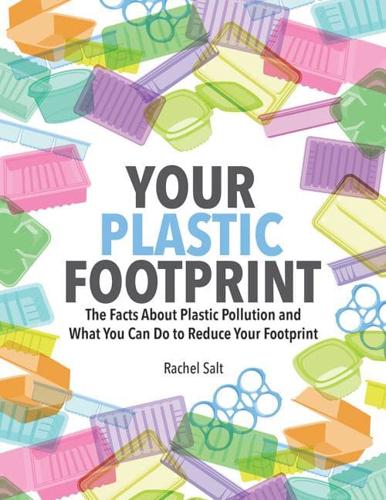
Your Plastic Footprint: The Facts about Plastic Pollution and What You Can Do to Reduce Your Footprint by Rachel Salt
Have you ever stopped to consider how much plastic passes through your hands in a single day, let alone a year? Rachel Salt takes a revealing look at the plastic hidden in our daily routines, scrutinising everything from the clothes we wear to the packaging we discard. Photographs, infographics and eye-opening statistics give readers aged 13 and upwards the tools to investigate their own consumption. The book’s combination of environmental science and practical alternatives makes for particularly interesting reading alongside a personal or household waste audit.
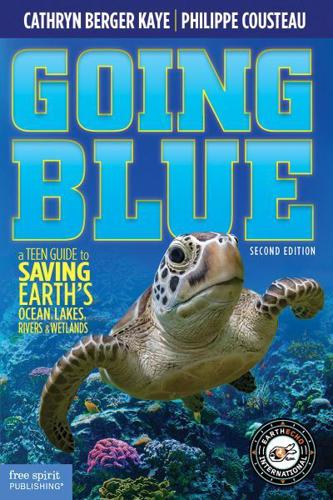
Going Blue: A Teen Guide to Saving Earth’s Ocean, Lakes, Rivers & Wetlands by Cathryn Berger Kaye and Philippe Cousteau
From vast accumulations of rubbish in the oceans to polluted waterways closer to home, Cathryn Berger Kaye and Philippe Cousteau investigate the threats facing aquatic environments. Particularly interesting are the examples of young people who have devised their own projects to tackle these problems. This updated second edition combines photographs, environmental science and practical ideas to help readers aged 12 and upwards develop their own conservation initiatives. An excellent resource for secondary school environmental groups looking beyond the classroom.
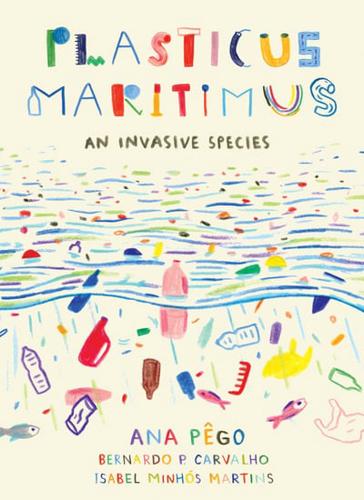
Plasticus Maritimus: An Invasive Species by Ana Pêgo and Isabel Minhós Martins, illustrated by Bernardo P. Carvalho
Marine biologist Ana Pêgo noticed an increasingly prolific and unwelcome addition to coastal wildlife and decided to give it a scientific name of its own: Plasticus maritimus. This inventive field guide treats plastic washed up on beaches as an invasive species, inviting readers to identify and investigate everything from discarded fishing nets to tiny fragments of debris. Photographs and Bernardo P. Carvalho’s illustrations complement the fascinating scientific observations. It’s an imaginative approach to investigating marine pollution and a particularly rewarding resource for KS3 geography fieldwork.
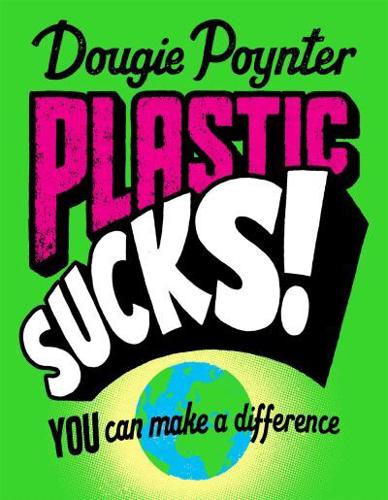
Plastic Sucks! You Can Make A Difference by Dougie Poynter
Musician and environmental campaigner Dougie Poynter explores how our enthusiasm for an extraordinarily useful invention has turned into a serious threat to wildlife. Alongside infographics explaining the scale of plastic pollution, he introduces campaigners tackling the problem and innovators developing alternatives to plastic packaging. Informal, direct and brimming with practical suggestions, Poynter’s approach should appeal to older primary and younger secondary pupils who want to get involved in environmental campaigning.
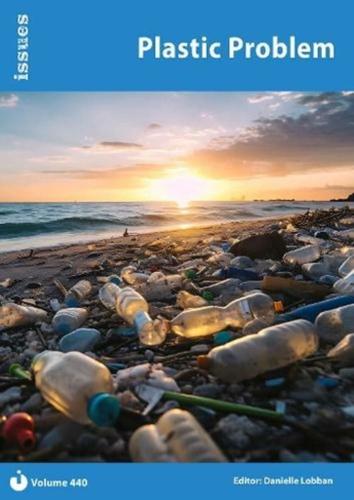
Issues 440 Plastic Problem by Danielle Lobban
Should tackling plastic pollution be the responsibility of consumers, manufacturers or governments? Edited by Danielle Lobban, this addition to the Issues series examines different types of plastic, the problems associated with plastic waste and the measures being taken to tackle pollution. Coverage of England’s 2023 restrictions on certain single-use plastic products offers a useful opportunity to examine environmental legislation in practice. A valuable resource for PSHE lessons and classroom debates with 11-18 year olds.
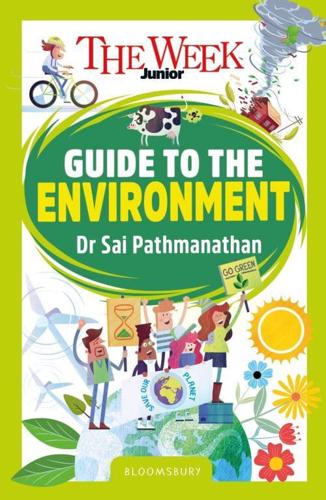
The Week Junior Guide to the Environment: Making Sense of Climate Science, Activism and Our Incredible Planet by Dr Sai Pathmanathan and The Week Junior
From the environmental impact of the clothes we wear and the food we eat to the problem of microplastics, Dr Sai Pathmanathan and The Week Junior investigate the science behind some of today’s most pressing environmental concerns. Clear explanations are interspersed with accounts of people taking action and practical suggestions for readers keen to follow their example. Younger secondary pupils will appreciate the straightforward explanations of complex issues, while the breadth of topics makes this a useful book for independent research.
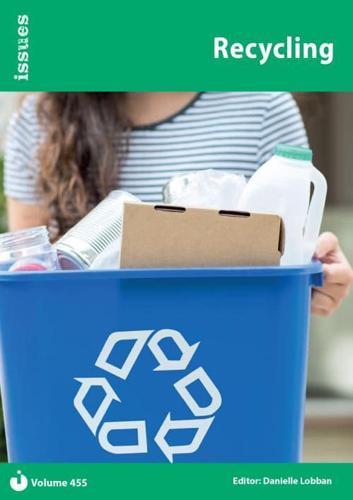
Issues 455: Recycling by Danielle Lobban
What happens to the waste we produce, and how much of it could have been avoided in the first place? Edited by Danielle Lobban, this addition to the Issues series examines the environmental consequences of household waste and explores ways to reduce consumption and improve recycling. Suitable for 11-18 year olds, it provides useful material for secondary school PSHE lessons, geography projects and debates about our responsibility for the resources we use.
Click the buttons below to purchase all of the books in this plastic pollution list, as well as class sets of any of these books and many more, from Bookshop.org UK. Or buy 20 selected titles from this list from Amazon – ideal for gifts or your classroom library.
Buy from UK.Bookshop.Org Buy from Amazon.co.uk
Disclosure: If you buy books using the buttons above: we may earn a commission from Bookshop.org, whose fees support independent bookshops; as an Amazon Associate schoolreadinglist.co.uk earns from qualifying purchases.
Schools & teachers: please respect copyright and don’t copy our plastic pollution books for children and teens list. If you find our book recommendations useful, please consider sharing on social media or linking to this page instead. Thanks.
Plastic pollution resources for teachers
- WWF’s Oceans and Plastics Pollution resources include a teacher handbook, classroom activities and an information poster for primary pupils. Topics cover the importance of healthy oceans, the effects of plastic pollution on marine life and ways to reduce plastic waste.
- The Marine Conservation Society offers free lesson plans for ages 5-7, 7-11 and 14-16. Activities explore marine litter, microplastics, plastic fibres from clothing, beach-clean data and the effects of pollution on wildlife. Resources include presentations, fact files and worksheets.
- Surfers Against Sewage provides free KS2 and KS3 lesson plans covering the science of plastics, debating plastic use, persuasive writing, waste investigations and ocean recovery. Its Plastic Free Schools programme also encourages pupils to investigate and reduce single-use plastics in their school communities.
- Encounter Edu features free curriculum-linked teaching units for KS1, KS2 and KS3. Lessons combine science, geography and design and technology, exploring how plastic reaches the oceans, its impact on ecosystems and how pupils can develop practical solutions to plastic pollution.
- Practical Action’s Plastics Challenge invites 8-14 year olds to investigate the properties of plastics and design useful products from waste materials. The downloadable resources include teacher guidance, practical science activities and design challenges suitable for STEM clubs and British Science Week.
- Greenpeace UK offers free plastic pollution teaching packs for 7-11 and 11-14 year olds. Activities include quizzes, investigations, worksheets and presentations exploring plastic consumption, environmental damage and how young people can take action to reduce waste.
- The Canal & River Trust’s School Plastics Challenge provides six KS1 and KS2 lessons with presentations and practical activities investigating plastic waste in rivers and canals. Additional resources include an accessible activity pack for younger learners and a youth action pack for 14-18 year olds.
- The Environment Agency’s Preventing Plastic Pollution project offers downloadable primary and secondary education packs investigating how plastic travels from its source into rivers and seas. The resources include teaching materials, PowerPoint templates and activities encouraging pupils to investigate and prevent pollution.
- Aire Rivers Trust has developed practical plastic pollution workshops for Years 1-6. Free teacher packs include presentations, habitat investigations, recycling activities, plastic bottle life-cycle exercises and outdoor surveys using quadrats to investigate litter.
- The Royal Society’s Brian Cox School Experiments include an investigation for 11-14 year olds into the plastic microfibres released when synthetic fleece is washed. Classroom demonstrations, downloadable experiment instructions and videos featuring scientists connect the practical activity to current research.
- The National Literacy Trust provides free, curriculum-linked plastic pollution literacy activities for KS1, KS2 and KS3. Resources include teacher guides, reading and writing tasks, classroom discussions, creative environmental campaigns and a related children’s booklist. Free registration is required to download the materials.
- Premier League Primary Stars offers a KS2 PSHE teaching pack exploring ocean plastic pollution and the changes pupils can make at home, at school and in their communities. Resources include short films, discussion activities, assessment materials and challenges encouraging environmental responsibility.
- Ocean Generation’s Ocean Academy provides free teaching resources linked to the UK curriculum. Its ocean education materials include KS1 activities exploring marine habitats, plastic pollution, microplastics and the five Rs of reducing waste, alongside wider ocean conservation resources.
- Keep Britain Tidy’s Great Big School Clean resources include litter-themed lesson ideas, an assembly, early years flashcards, scavenger hunts, litter bingo, posters and recording sheets. The activities can support school litter surveys, environmental awareness campaigns and practical work to reduce plastic waste.
BISAC JNF037020. | Thema YXZG, YNNB.