Survival and bushcraft books for children and teens
Survival and bushcraft books show children how to cope outdoors, from lighting fires and tying knots to reading weather and staying calm when plans unravel. Some are practical guides, others true expeditions or high-stakes fiction. At their best, they build judgement and confidence, not bravado. Readers learn to assess risk, think ahead and work with others. They also nudge children outside, which is rarely a bad thing, and turn adventure into skills they can actually use. There’s a range of fiction, nonfiction, true stories, illustrated guides, graphic novels, and teen novels suitable for independent reading, primary and secondary libraries and reading for pleasure in KS1, KS2, KS3 and KS4. This list features books by Bear Grylls, Andy McNab, Katherine Rundell, Michael Rosen, William Golding, Neal Shusterman, Preet Chandi, Jean Craighead George, Gary Paulsen, and Michael Grant.
Survival themed books for children and teens – our recommendations
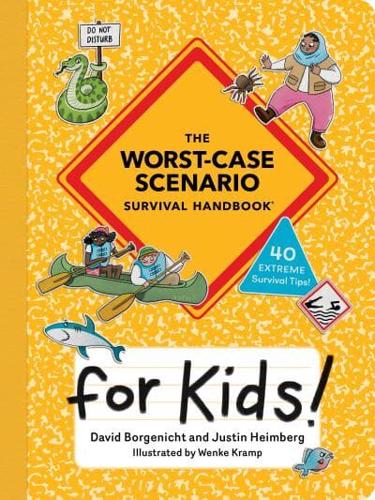
The Worst-Case Scenario Survival Handbook for Kids by David Borgenicht and Justin Heimberg
Forty outdoor emergencies are broken down into clear, step-by-step advice, covering everything from lightning strikes and sandstorms to quicksand, wild animals and falling through ice. Settings range from jungle and desert to open water and frozen lakes. Diagrams and short explanations guide readers through decisions, while a direct, conversational style, with jokes threaded through the instructions, makes the guidance accessible. This fascinating book for 8-12-year-olds also draws on expert input for survival situations.
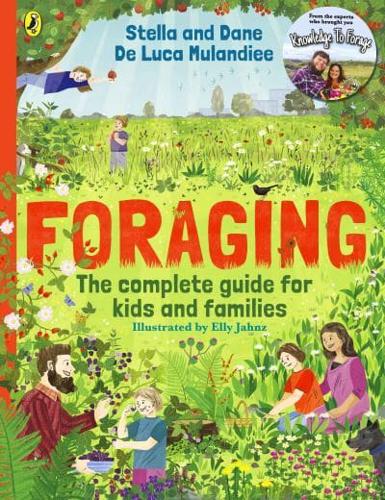
Foraging: the Complete Guide for Kids and Families! by Stella De Luca Mulandiee and Dane De Luca Mulandiee, illustrated by Elly Jahnz
Packed with field-friendly tips, this kids’ foraging guide moves from berries and bushes to flowers and trees without getting bogged down. Each entry in this colourful, highly illustrated book for 7-12-year-olds sets out what to look for, where to find it, common and scientific names, which parts are used, and when to pick. There is a useful safety guide, advice on sustainable collecting, and a section on poisonous plants. Enticing recipes cover food, drinks, balms and salves, with short challenges and plant folklore.
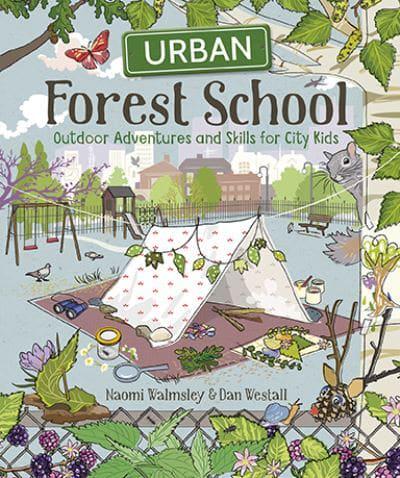
Urban Forest School Adventure by Naomi Walmsley and Dan Westall
Full of ideas for 6+ year olds who do not live next to woodland, this activity book treats parks, gardens, allotments, cemeteries and playgrounds as ready-made outdoor classrooms. It suggests practical tasks such as den building, knot work and making bee watering stations, then carries the theme indoors with crafts and simple recipes. You also get basic bug, plant and tree ID pages, plus a scavenger hunt and games such as cloud spotting in this fantastic, illustrated resource.
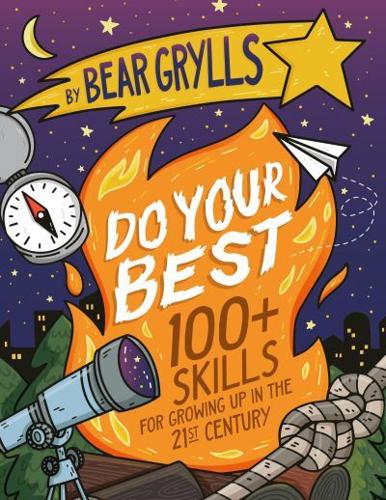
Do Your Best by Bear Grylls
Built like a Scouts handbook, this immersive guide for 10+ year olds mixes outdoor know-how with the sort of personal skills you use on camp and back at home. It runs through tents, fire, knots, navigation and reading the weather, alongside first aid and looking after the environment. Other sections focus on organisation, teamwork, leadership, fitness and planning. The layout is punchy and precise, using checklists, diagrams and short instructions, with prompts tied to Scout values and taking on challenges.
Outdoor Survival Skills by Naomi Walmsley and Dan Walmsley
This outstanding practical handbook of outdoor skills for 7+ year olds covers first aid, fire lighting and foraging, alongside projects such as making soap, crafting a bow and arrow and rigging a hammock. The content is organised as hands-on tasks suitable for home, garden or campsite. Clear instructions, planning advice and basic kit lists support each activity, encouraging preparation and independent problem-solving through doing rather than just reading. Highly recommended.
The No-Dig Children’s Gardening Book by Charles Dowding, illustrated by Kristyna Litten
Using Charles Dowding’s no-dig approach, this guide for 7+ year olds shows how to grow plants by adding compost and mulch rather than turning the soil. Step-by-step projects cover preparing beds, sowing and planting vegetables and flowers, and noticing wildlife in the garden. Clear photographs sit alongside Kristyna Litten’s colourful illustrations and short fact sections on soil, plants and seasons. The practical activities are designed for families and schools working with small plots or raised beds.
National Trust: Go Wild in the Woods by Goldie Hawk and Rachael Saunders
Designed to slip into a rucksack, this pocket woodland guide for 8-11 year olds sets out practical activities such as building shelters, cooking over a campfire, making simple tools and tracking wildlife. Clear sections cover basic first aid, what to do if you get lost and what to avoid, including poisonous fungi and fire risks. Games, illustrated tips, a glossary and an index round out a handbook intended for use outdoors rather than just reading at home.
Outdoor Activity Pack by Alice James and Emily Bone
A genuinely fun activity book covering parks, beaches, woodland and gardens across all weathers, Outdoor Activity Pack by Alice James and Emily Bone has children building shelters, catching crabs, marking trails and stargazing. Handy tips for spotting local wildlife and plants sit alongside sensible safety guidance in this illustrated guide for 8-11 year olds, and there is a checklist to track completed activities from each trip.
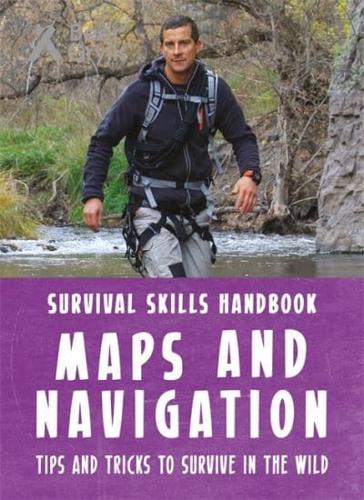
Bear Grylls Survival Skills Handbook: Maps and Navigation by Bear Grylls
Focused on practical navigation, this handbook introduces 9-12 year olds to map reading and route planning. It covers essential kit, assessing conditions and checking location, route and destination before setting out. Clear, step-by-step sections explain how to use a compass, take bearings, measure distance and interpret contour lines. There are also tips on finding direction from natural signs and the night sky. Helpful diagrams support the instructions, and the compact format is ideal for use outdoors.
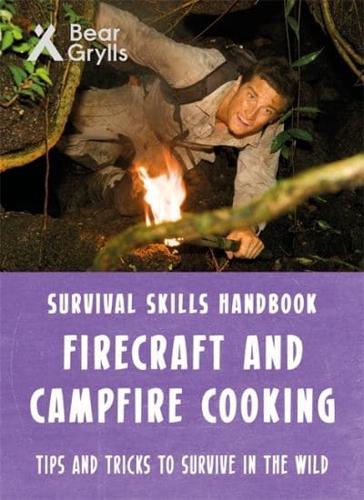
Firecraft and Campfire Cooking by Bear Grylls
This practical, illustrated guide focuses on fire lighting and cooking outdoors. It outlines different fire types, basic safety checks and what to pack for camp meals. Step-by-step instructions show 9-12 year olds how to build, manage and cook over a fire, with simple recipes suited to expedition conditions. Short sections, checklists and diagrams support the guidance, alongside practical tips on planning food and using standard outdoor kit. Highly recommended.
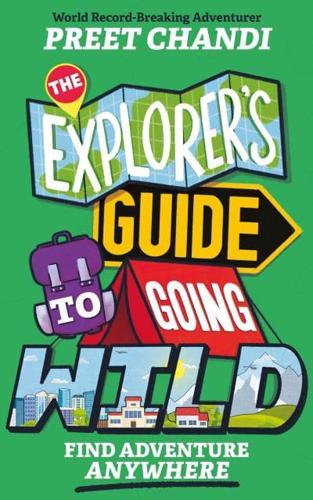
The Explorer’s Guide to Going Wild by Preet Chandi
Drawing on her own expeditions, Preet Chandi’s The Explorer’s Guide to Going Wild is a practical handbook for 7+ year olds keen on outdoor adventures, whether close to home or further afield. Sections cover planning, navigation, teamwork and risk checks, with short, accessible chapters tackling den building, foraging, first aid, camping basics and more. Each section includes a mini challenge, and short quizzes and personal accounts sit alongside engaging black-and-white illustrations throughout. Highly recommended.
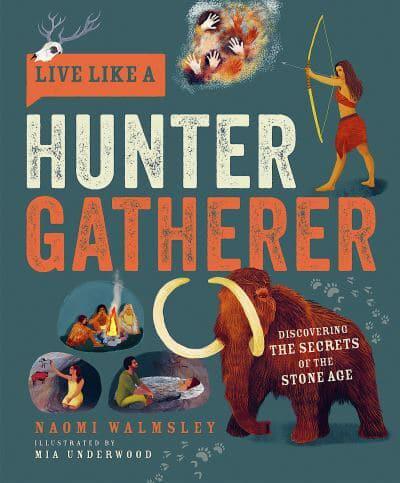
Live Like A Hunter Gatherer by Naomi Walmsley, illustrated by Mia Underwood
Stone Age life is introduced through shelter, warmth, food, water, medicine and daily routines. Myth-busting pages and links between past and present needs sit alongside a recurring fictional hunter gatherer describing a day’s experiences. Step-by-step activities cover building a Mesolithic shelter, making fat lamps and digging sticks, creating cave art, and making a bow and arrow and fishing hooks. This engaging, highly immersive illustrated hardback is ideal for 7+ year olds, KS2 libraries and outdoor learning.
The Ultimate Survival Handbook by Andy McNab
Outdoor, urban and online safety are covered in this bright, engaging survival guide for 8+ year olds. Camping basics include shelter, fire, navigation, food and water, and first aid, alongside responses to quicksand, tsunamis and wild animal encounters. Additional sections focus on moving around towns, dealing with strangers, and handling emergencies in public places. The online chapter covers passwords, privacy, scams and cyberbullying. It’s perfect for KS2 libraries.
You Decide Your Adventure by Bear Grylls
This engaging interactive adventure lets young explorers call the shots alongside survival expert Bear Grylls. Kids tackle wilderness challenges, making choices that shape their journey – each decision flips to a different outcome. Handy survival tips and quirky nature facts add real-world flavour. It’s a clever way to nudge readers outdoors without screens, and each new read-through is refreshingly unpredictable. You Decide Your Adventure is perfect for ages 7+ who don’t usually read for fun, KS2 pupils who struggle with concentrating on books, and primary-aged children who love being outdoors. It’ll quickly become a permanent favourite in your upper-primary classroom. Highly recommended.
The Knots Handbook by Barry Mault and Gillian Blease
A wonderfully practical and beautifully illustrated guide to how to make over 45 useful knots. The step by step instructions are clear and easy to follow for children who will love trying out the various binds, hitches, loops and ties all around the house, garden or school. There are also interesting snippets of history and biography, making this a great book for home learning projects. Your washing line may never be the same again.
How to Survive an Apocalypse by Coby Coonradt and Cameron Hardy, illustrated by Victoria Stebleva
This guide mixes real-world advice with a healthy dose of imagination, teaching 8+ year olds how to handle everything from storms and power cuts to full-blown sci-fi catastrophes. It covers first aid, water safety and what to pack in an emergency kit, all explained with a sense of humour and helpful illustrations by Victoria Steblev. The detailed text keeps things practical without losing the fun, making survival skills and basic prepping feel accessible and not at all scary. Bound to be a popular read, it’s the perfect 2026 nonfiction book for KS2 libraries.
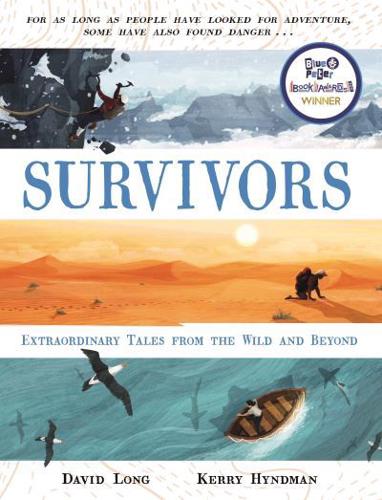
Survivors by David Long and Kerry Hyndman
This stunning, illustrated large-format anthology for 9-11 year olds recounts gripping true survival stories, with each chapter focusing on a single real event. Accounts include Ernest Shackleton’s Antarctic expedition, Aron Ralston’s canyon ordeal, Poon Lim adrift at sea, Juliane Koepcke in the Amazon, and Anna Bågenholm trapped under ice. Each story is paired with a full-page or double-page illustration showing a key moment. The accessible text explores the sequence of events and the difficult decisions that led to rescue or recovery. It’s an ideal nonfiction text for UKS2.
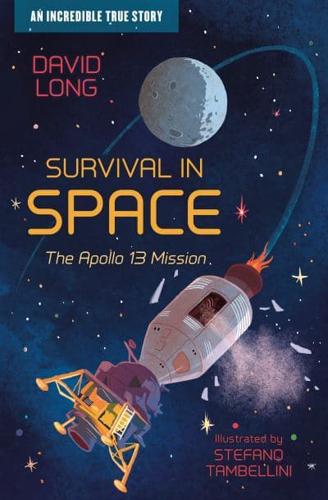
Survival in Space by David Long
David Long brings the dramatic Apollo 13 mission to life, capturing the explosion that turned a routine moon landing into a desperate fight for survival. With clear explanations and short chapters, the book breaks down the astronauts’ challenges and NASA’s ingenious problem-solving. Packed with illustrations, it’s an engaging way for young readers to explore space history – whether they’re diving in solo or discussing it in class. A gripping introduction to one of NASA’s most famous near-disasters.
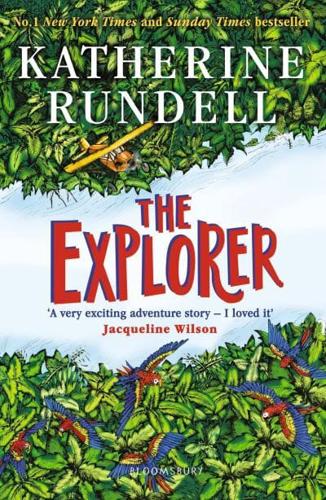
The Explorer by Katherine Rundell
A winner of three major literary awards, this adventure will keep KS2 children on the edge of their seats for chapter after chapter. Four children lost in the Amazon jungle, trying to survive and find a way out, meet the mysterious Explorer. Full of rich language and evocative descriptions of the rainforest and the creatures that live there. A memorable story of friendship, bravery and survival, this novel is an ideal class reader for upper KS2.
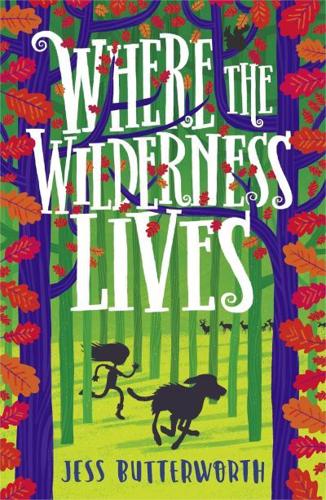
Where the Wilderness Lives by Jess Butterworth
Cara, her three siblings and their dog haul a locked safe from the canal near their home. That night, a thief targets it, forcing them to leave by boat. When they can go no further, they continue on foot into woodland and up into the mountains of Wales. Food runs low and a snowstorm closes in as Cara tries to keep the group together, find a route to safety and stay ahead of the thief. It’s a tense, pacey, page-turning survival adventure that’s perfect for 9+ year olds in UKS2.
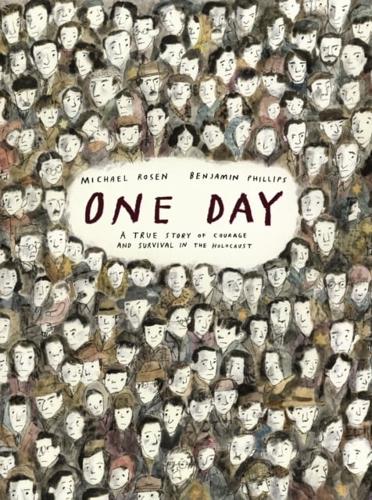
One Day: A True Story of Courage and Survival in the Holocaust by Michael Rosen and Benjamin Phillips
In One Day, Michael Rosen shares the remarkable true story of Eugène Handschuh and his father, who escaped a Nazi convoy bound for Auschwitz during WWII. After several failed attempts, they find freedom with help from the French Resistance. Illustrated by Benjamin Phillips, this exceptional large format picture book highlights courage, compassion, and resilience. Aimed at upper primary aged children, it offers a sensitive introduction to Holocaust history, with Rosen providing valuable historical context for deeper understanding and discussion. Highly recommended.
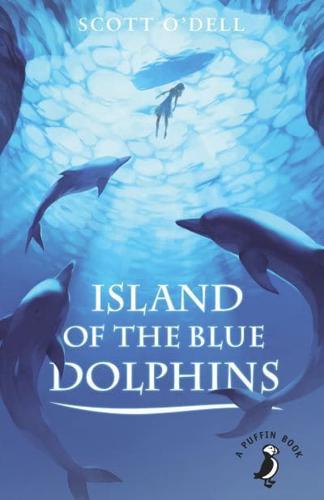
Island of the Blue Dolphins by Scott O’Dell
Twelve-year-old Karana is left alone on San Nicolas Island in the early 1800s. Using local materials, she makes shelter and tools, and finds food from the island and surrounding sea. Wild dogs threaten her, and Aleut sea otter hunters are a danger. This powerful story for 11+ year olds follows her years of survival and isolation, and Karana’s changing relationship with animals, including the dog she learns to rely on for company. Highly recommended.
Z for Zachariah by Robert C. O’Brien
Ann Burden lives alone in a valley after nuclear war. But when John Loomis arrives in a radiation suit, she takes him in. As he recovers, he starts giving orders, restricts her access to food and equipment, and uses threats and assault to force compliance. After time, Ann takes the suit and leaves the valley, not knowing if there are other survivors or what she will find. A modern classic, this tense and claustrophobic look at survival will appeal to teens.
Gone by Michael Grant
In a small California town, everyone over 14 vanishes at once and a barrier cuts the area off from the outside world. Sam Temple and other teenagers scramble to organise food, safety and shelter as public services fail and adults are gone. Rival leaders pull groups into competing factions, and basic rules start to fall apart. Some children develop powers that change the balance. Survival and shortages run through this gripping and unforgettable story for 12+ year olds, with each fifteenth birthday marking the next disappearance.
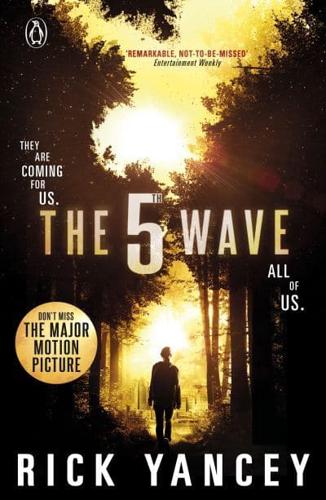
The 5th Wave by Rick Yancey
An alien invasion arrives in stages known as “waves”, leaving survivors scattered and trust a risk. Cassie moves alone along back roads after her younger brother is taken, shaping her plans and decisions. Shifting viewpoints in this sci-fi novel for 12+ year olds follow Cassie and other teenagers as they deal with military camps, rumours and people who may not be human. And when she meets Evan Walker, Cassie has to carefully weigh up whether she can trust someone else.
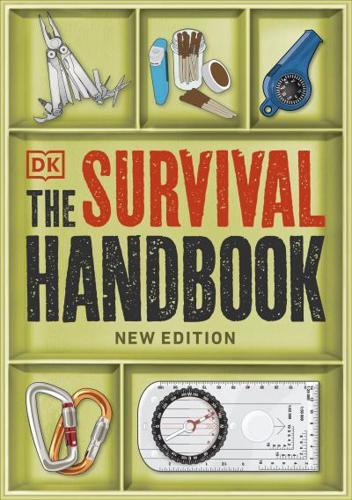
The Survival Handbook by Colin Towell
This highly engaging, accessible visual guide to camping and survival skills is written by an ex-SAS combat survival instructor. Suitable for 12+ year olds, step-by-step sequences and commissioned illustrations cover planning, shelters, fire, water, wild food and hazard awareness. There are also sections that examine sea survival and situations such as being lost in jungle terrain. Short case studies describe real survival incidents alongside the practical sections. Information is efficiently organised for quick reference and use on trips.
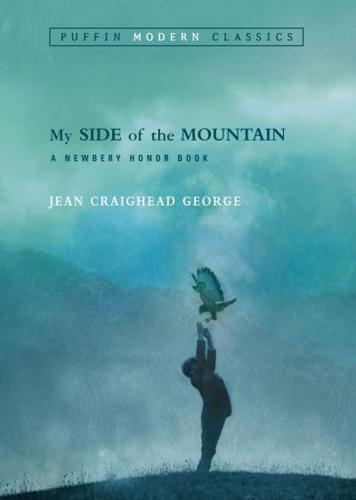
My Side of the Mountain by Jean Craighead George
Twelve-year-old Sam Gribley leaves his family’s New York City flat and heads to an abandoned farm in the Catskill Mountains in this modern classic for 10+ year olds. He sets up alone in the woods with basic gear, relying on what he can make or find. Food gathering, fire, shelter and tool making shape his days, alongside animal companions, including a falcon. Winter weather, hunters and isolation test him as he weighs up staying on or returning home. A stunning middle grade survival novel.
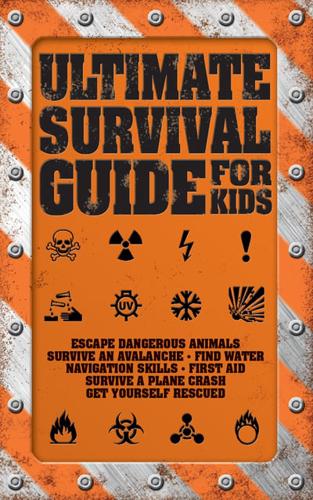
Ultimate Survival Guide for Kids by Rob Colson
Clear, practical advice is organised into four sections in this illustrated guide for 10+ year olds: Animal Dangers, Natural Dangers, Human Hazards and Basic Survival Skills. Across 24 emergency scenarios, step-by-step 1-2-3 checklists explain what to do, supported by “Fast Facts” and “Life Savers” sidebars. Situations include snake bites, bear encounters, floods, fires and crowd crushes. Preparation topics cover planning a trip, using a penknife, tying knots, building shelters and making fire, each on a double-page spread with colour photographs. Accessible, useful and highly engaging, it’s ideal for KS3 readers.
Hatchet by Gary Paulsen
Brian, a streetwise teen who lives in the city, is left stranded in the wilderness after a plane crash, with only a hatchet to survive. Will he make it? Hatchet is an unforgettable and unputdownable survival novel for 12+ year olds. Highly recommended.
Lord of the Flies The Graphic Novel by William Golding, adapted and illustrated by Aimée de Jongh
When a plane crash leaves a group of schoolboys on an island, they soon realise they are alone with no adults. Stunning graphic panels and immersive art layouts follow the boys’ meetings and the signal fire, then move into hunts and night scenes shaped by fear of an unseen beast. Dialogue and narration run effortlessly through speech bubbles and dramatic captions as the powerful artwork tracks the split between Ralph and Jack, and the slide from rules into violence. Highly recommended for reluctant readers studying the classic novel in KS4.
Lord of the Flies by William Golding
When a group of schoolboys survive a plane crash and end up on an uninhabited island with no adults, Ralph becomes leader and sets rules for shelter, food and a signal fire. But Jack leads a rival group focused on hunting. Unfounded fear of a terrifying beast spreads, and the boys’ organisation breaks down. Power shifts, groups form and violence grows as rescue fails to arrive. A classic dystopian survival novel for 14+ year olds.
Dry by Neal Shusterman and Jarrod Shusterman
A drought in California ends with taps running dry, and Alyssa is left trying to protect her younger brother when her parents do not return. As water becomes scarce, neighbours and families compete for what is left and public order breaks down. A group of teenagers stays on the move, with chapters told from different viewpoints. Scenes in this visceral and compelling YA novel for 14+ year olds include rationing, conflict in suburban streets, and decisions about food, transport and safer sources of water. Highly recommended.
Click the buttons below to purchase all of the books in this survival book list, as well as class sets of any of these books and many more, from Bookshop.org UK. Or buy the 20 most popular titles from this list from Amazon – ideal for gifts or your classroom library.
Buy from UK.Bookshop.Org Buy from Amazon.co.uk
Disclosure: If you buy books using the buttons above: we may earn a commission from Bookshop.org, whose fees support independent bookshops; as an Amazon Associate schoolreadinglist.co.uk earns from qualifying purchases.
Schools & teachers: please respect copyright and don’t copy our survival books list. If you find our book recommendations useful, please consider sharing on social media or linking to this page instead. Thanks.
Survival and bushcraft resources for teachers
- The Scouts Survival Skills badge page sets out practical skills pupils can work towards – shelters, fire-lighting methods, hygiene, distress signals, and planning a simple survival kit – with lots of linked activities.
- The Woodland Trust school resources include outdoor learning activities you can use for den building, foraging awareness, habitat exploration and seasonal nature tasks, with simple printable sheets.
- Forestry England learning resources offer curriculum-linked lesson plans and outdoor tasks, including practical work on natural structures and woodland science that pairs well with bushcraft themes.
- The Ordnance Survey education hub provides map-reading resources and interactive map skills activities, ideal for navigation lessons and planning safe local routes.
- Mountain Training Hill Skills explains the core countryside-walking skills the scheme teaches (planning, navigation, safety and decision-making), useful when you are choosing providers or shaping a progression plan.
- The British Mountaineering Council hill walking hub pulls together practical guidance on skills, kit and safety, including navigation basics that work well for KS3+ outdoor education.
- The RNLI education resources include free lesson plans and activities on water safety and trip planning, which are essential alongside any survival or expedition-style learning.
- British Red Cross First Aid Champions is a free, classroom-ready set of first aid lessons, videos and quizzes for ages 5–18 – a solid underpinning for any outdoor skills programme.
- The Forest School Association overview of Outdoor Teacher resources signposts training and practical modules that help staff plan and deliver outdoor sessions safely and well.
- The National Trust foraging policy is a useful reference for “leave plenty” expectations, protected species, permissions, and how to keep foraging responsible and lawful.
- Woodland Trust’s den-building guide breaks down simple shelter builds for children, with a strong emphasis on dismantling afterwards and leaving habitats as found.
- The Field Studies Council KS2 Bushcraft and Environment course outline is helpful for planning progression around navigation, tracking and natural signs, with clear learning aims and practical structure.
- The RSPB wild sleepout activity supports simple “shelter and stay safe” learning, from garden-based practice to planning a supervised overnight experience.
BISAC JUV012040, JUV012050, JUV007000, JUV031000, YAF056000 | Thema YNN, YNT, YFC

